Can dogs eat tuna? It’s a question that pops up often because tuna is a common human food, but not all human foods are safe for pets. Many pet owners wonder if sharing a bit of tuna with their dog is okay or if it could cause problems. The truth is, while tuna can be a tasty treat for some dogs, it’s not as simple as just opening a can and serving it up. There are important things to consider before feeding tuna to your dog, from portion sizes to potential risks like mercury exposure or digestive upset.
Tuna is affordable, widely available, and often found in many households. Pet owners might be tempted to give it as a quick snack or mix it into their dog’s regular food. But without knowing the right way to serve it, you could accidentally cause more harm than good. Understanding the dos and don’ts of feeding tuna to dogs can help you make safer choices and avoid unnecessary vet visits.
I remember once seeing a friend give their dog a whole can of tuna as a treat, thinking it was harmless. Within hours, the dog was vomiting and lethargic. A quick call to the vet and some rest later, the dog was fine but it was a good reminder that even something as simple as tuna needs careful handling.
Key Things to Understand
- Tuna contains mercury: which can build up in your dog’s system over time. Small amounts occasionally are usually fine, but regular feeding can lead to toxicity.
- Fresh tuna is safer: than canned tuna because canned versions often contain added salt or seasonings that aren’t good for dogs.
- Raw tuna should never be fed: to dogs as it may contain parasites or bacteria like salmonella.
- Some dogs are allergic to fish: so introducing tuna slowly and watching for reactions is important.
- Tuna should only be given: as an occasional treat, not a regular part of the diet.
What to Look For
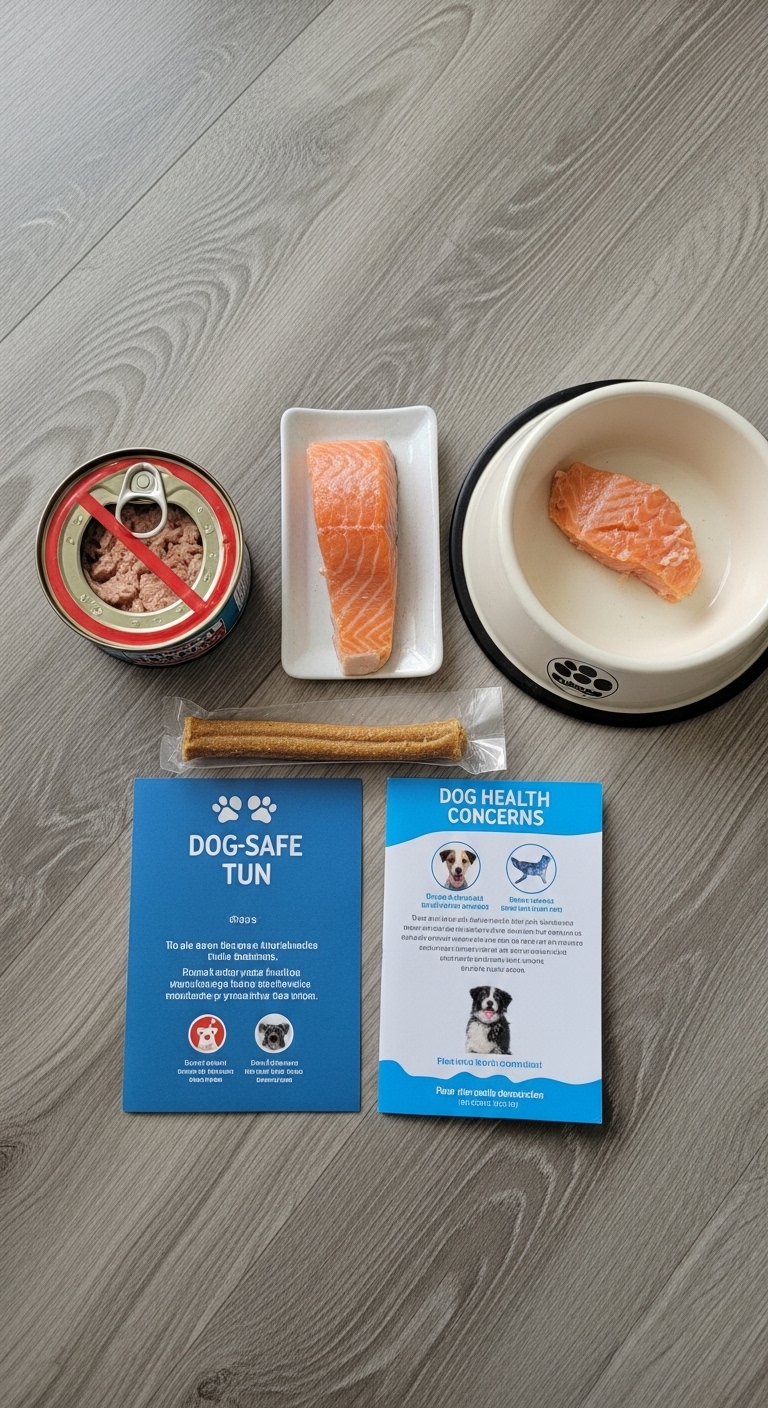
When considering feeding tuna to your dog, pay attention to how your dog reacts after eating it. Some dogs tolerate it well, while others may develop digestive issues like diarrhea or vomiting. Watch for signs of an allergic reaction such as itching, swelling, or difficulty breathing. If your dog shows any of these symptoms, stop feeding tuna immediately and contact your vet. Also, check the type of tuna you’re using. Canned tuna packed in water is a better choice than tuna packed in oil or with added flavors. Oil can cause stomach upset, and seasonings like garlic or onion are toxic to dogs. If you’re unsure about the ingredients, plain cooked tuna without any additives is the safest option.
I’ve seen dogs get really excited when they smell tuna, but it’s important not to overdo it. Even if your dog loves it, moderation is key. One small piece once in a while is plenty. Too much can lead to nutritional imbalances or health problems down the road.
Feeding Tuna Safely
If you decide to give your dog tuna, start with a tiny amount to see how they react. A small piece the size of a pea is enough for a first try. If there are no issues after 24 hours, you can gradually increase the portion, but keep it small—think of it as a treat, not a meal. Cooked tuna is always safer than raw, and plain is best. Avoid any tuna that’s seasoned, smoked, or marinated.
Signs of Trouble
After feeding tuna, monitor your dog closely. Look for signs of an upset stomach like vomiting, diarrhea, or excessive gas. Some dogs may develop itchy skin or ear infections if they’re allergic. If your dog seems unusually tired or weak after eating tuna, it could be a sign of mercury poisoning, especially if they’ve eaten tuna frequently over time.
Alternatives to Tuna
If you’re unsure about feeding tuna, there are safer fish options for dogs. Salmon, sardines, and mackerel are all good choices when prepared properly. These fish are often lower in mercury and packed with healthy omega-3 fatty acids. Always cook them thoroughly and remove any bones before serving.
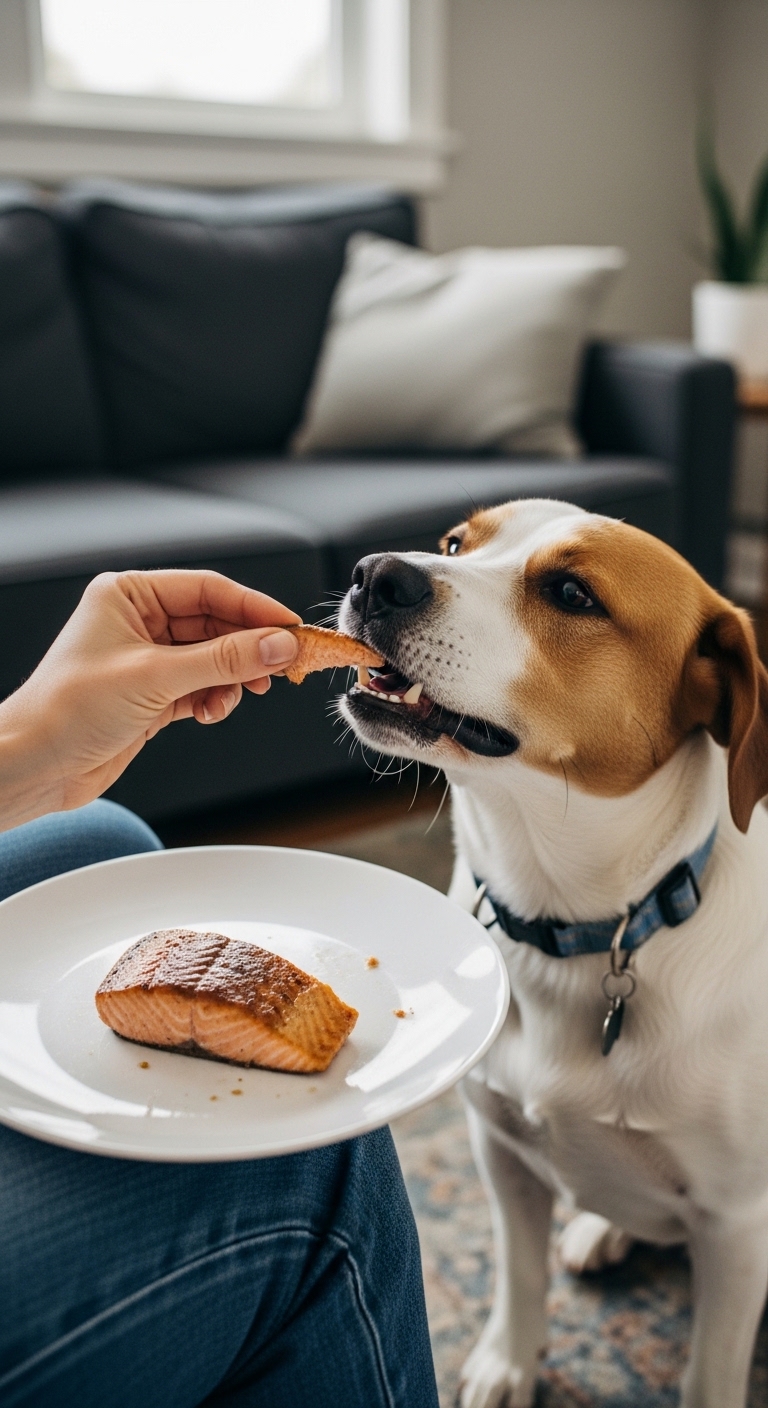
When in doubt, it’s always a good idea to ask your vet before introducing new foods to your dog’s diet. They can provide advice tailored to your dog’s specific health needs.
Frequently Asked Questions
- → Is tuna safe for all dogs?
Tuna is generally safe for most dogs in small amounts, but it should be avoided for dogs with kidney issues or those prone to mercury sensitivity. Always introduce new foods gradually and monitor for adverse reactions.
- → How much tuna can I give my dog?
For small dogs, limit tuna to 1-2 teaspoons per week. Larger dogs can have up to 1 tablespoon per week. Overfeeding can cause mercury buildup or digestive upset. Always consult your vet for personalized advice.
- → Can dogs eat raw tuna?
No, raw tuna may contain parasites or bacteria like salmonella, which can harm your dog. Always cook tuna thoroughly and remove any bones before serving to prevent choking hazards or internal injuries.
- → What are the benefits of tuna for dogs?
Tuna is rich in protein and omega-3 fatty acids, which support skin, coat, and joint health. It can also aid in weight management due to its high protein and low-calorie content. However, these benefits depend on proper portion control.
- → Are there risks to feeding tuna to dogs?
Yes, excessive tuna can lead to mercury toxicity, especially in small or frequent portions. Other risks include digestive upset, thiamine deficiency (if fed raw), and allergic reactions. Always serve tuna as an occasional treat, not a staple food.
- → Can tuna replace dog food?
No, tuna should not replace a balanced dog food diet. It lacks essential nutrients like calcium, fiber, and vitamins that commercial dog food provides. Use tuna as a supplement or occasional treat, not a primary food source.