Who let the dogs out? It’s a question that pops up in every neighborhood when the barking starts. Whether it’s your own pup or the neighbor’s, that sudden chorus of barks can feel like an invasion of peace. But beyond the noise, there’s a bigger picture: understanding why dogs bark and how to manage it can make life smoother for everyone involved. It’s not just about quieting the sound; it’s about recognizing what your dog is trying to tell you and responding in a way that strengthens your bond.
I remember when my neighbor’s dog started barking nonstop every time someone walked by. At first, I just thought it was annoying, but then I realized the dog was actually trying to alert its owner to something outside. Once we figured out the trigger, the barking became less frequent because the owner started addressing the issue before the dog felt the need to sound the alarm.
Key Things to Understand
- Barking is communication: dogs use it to express needs, alert dangers, or react to changes in their environment
- Breed differences: some breeds are naturally more vocal than others, so what works for one dog might not work for another
- Avoid ignoring completely: ignoring the barking can sometimes make it worse, especially if the dog feels ignored or anxious
- Training and consistency: dogs thrive on routine and clear expectations
What to Look For
Pay attention to the patterns in your dog’s barking. Is it happening at specific times of day, like when the mail arrives or when you leave for work? These clues can tell you if the barking is tied to boredom, separation anxiety, or something else entirely. Notice the pitch and tone too: high-pitched barks often mean excitement or playfulness, while low, repetitive barks might signal frustration or alertness. Also, observe your dog’s body language while they bark. Are their ears perked up, tail wagging, or are they tense and still? This can help you figure out if they’re barking out of joy, fear, or something in between. If you’re not sure what’s triggering the barking, try keeping a log for a few days. Jot down when the barking happens, what’s going on around them, and how you respond. Over time, the pattern will become clearer.
If you’ve ever tried to quiet a barking dog by shushing them only to have them bark louder, you’re not alone. That reaction is common because dogs interpret our tone as part of the conversation. Instead of scolding, try redirecting their attention with a command they know, like “sit” or “quiet,” and reward them when they comply. It’s a small shift, but it can make a big difference in how they respond over time.
Daily care habits
Make sure your dog gets enough physical exercise and mental stimulation every day. A tired dog is less likely to bark out of boredom or pent-up energy. Long walks, puzzle toys, and playtime can all help keep their mind and body occupied. If your schedule is busy, consider hiring a dog walker or enlisting a friend to help break up the day.
Training routines
Incorporate short training sessions into your daily routine to reinforce commands like “quiet” or “enough.” Use positive reinforcement: treats, praise, or petting to reward the behaviors you want to see more of. Consistency is crucial here; if everyone in the household uses the same cues and rewards, your dog will learn faster.
Safety and comfort
If your dog barks at noises outside, like passing cars or people walking by, try closing the curtains or moving their bed to a quieter spot in the house. White noise machines or calming music can also help drown out triggers that set them off. For dogs with separation anxiety, leaving an item with your scent on it, like a worn T-shirt, can provide comfort while you’re away.
Common mistakes to avoid
Don’t punish your dog for barking by using shock collars or harsh corrections. These methods can increase anxiety and make barking worse in the long run. Instead, focus on understanding the cause and addressing it directly. Another mistake is giving in to demands when your dog barks at you for food or attention. If you reward the barking even once, they’ll keep doing it because they’ve learned it works.
Cleaning and hygiene
If your dog’s barking is due to discomfort, like an itchy skin condition or a dirty living space, addressing those issues can help. Regular grooming, flea prevention, and keeping their bedding clean can reduce irritations that might be contributing to their vocalizations. Sometimes, a simple change like washing their bed or using a hypoallergenic detergent can make a noticeable difference.
Indoor routines
Create a designated “safe space” for your dog where they can retreat when they feel overwhelmed. This could be a crate, a cozy corner with their bed, or a quiet room. Encourage them to use this space during calm moments so they associate it with relaxation rather than confinement. If your dog barks at you for attention, teach them that quiet behavior gets rewarded while barking doesn’t.
Outdoor routines
If your dog barks at people or animals passing by, try desensitization training. Start by exposing them to the trigger at a distance where they stay calm, then gradually decrease the distance over time as they get used to it. Pair this with treats or praise to create positive associations. You can also use visual barriers, like frosted window film, to reduce their view of the outside world.
Seasonal adjustments
During holidays or fireworks, dogs often bark more due to the loud noises. Prepare ahead by creating a safe, quiet space for them to retreat to. Close windows, play soft music, and consider using anxiety wraps or calming supplements if your dog is particularly sensitive. The key is to make these adjustments before the stressor occurs so they’re already in a calm state.
Age specific advice
Puppies bark more as they learn to communicate and explore their world. Focus on teaching them early what’s acceptable and what’s not. Older dogs might bark due to cognitive decline or pain, so it’s important to rule out health issues with a vet visit. Adjusting their routine to include more gentle exercise and mental stimulation can help manage age-related barking.
Behavior and routine support
If your dog’s barking seems tied to specific emotions, like fear or excitement, work on building their confidence through gradual exposure to those triggers. For example, if they bark at strangers, start by having someone they’re comfortable with stand at a distance while you reward calm behavior. Over time, decrease the distance as they become more confident.
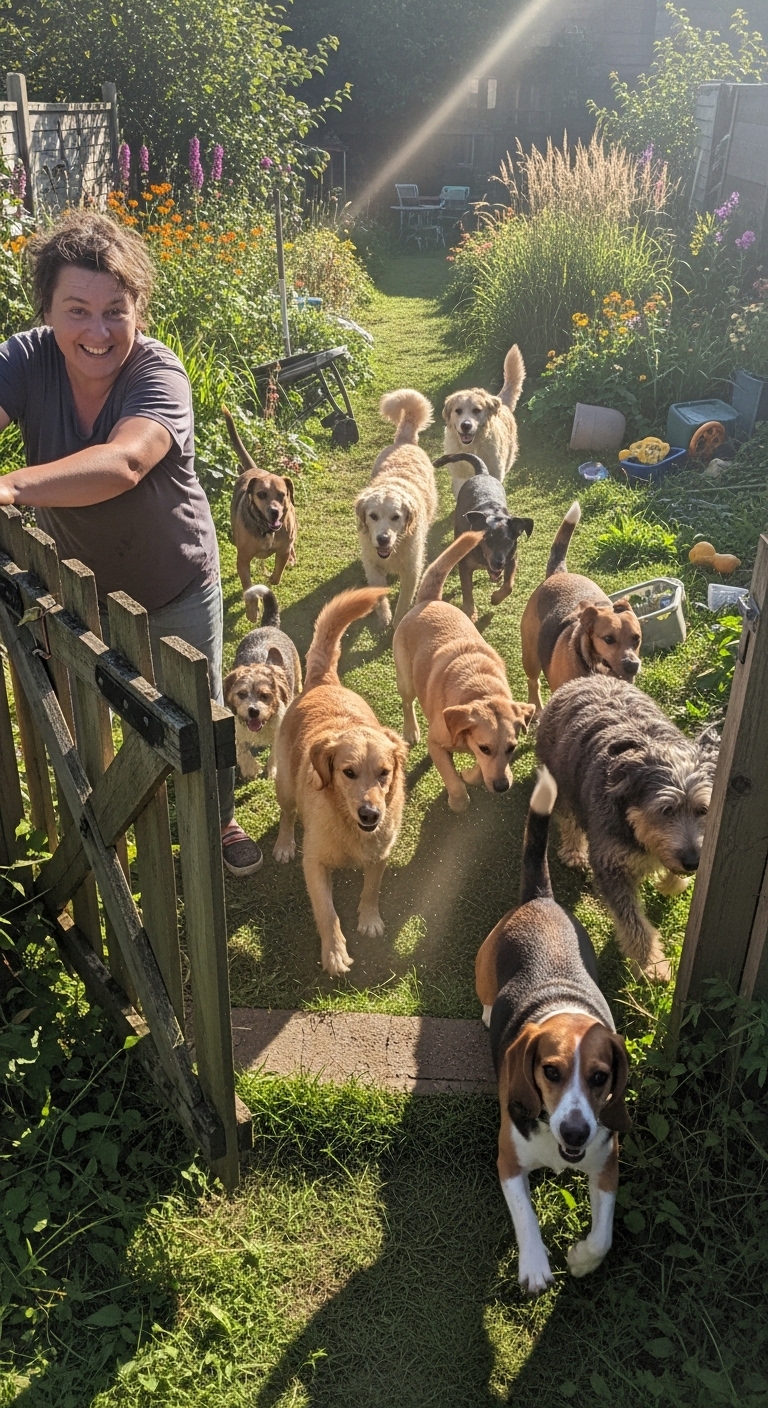
Understanding your dog’s barking is the first step to a quieter, happier home for both of you.
Frequently Asked Questions
- → Why won’t my dog come when I say 'who let the dogs out'?
Your dog may not respond due to lack of training, distractions, or confusion about the command. Start with basic recall training in a controlled setting before using the phrase in exciting situations.
- → What treats work best for recall training?
Use high-value treats like small pieces of chicken, cheese, or commercial dog treats. Choose something your dog loves but rarely gets to create strong motivation.
- → How long should training sessions be?
Keep sessions short (5-10 minutes) to prevent frustration. Dogs learn best with frequent, brief practice rather than long, tiring sessions.
- → Can older dogs learn this command?
Yes! While puppies learn quickly, older dogs can master recall with patience and consistency. Adjust training to their energy level and health needs.
- → What if my dog ignores me outside?
Start training indoors first, then gradually move to low-distraction outdoor areas. Use a long leash for safety while reinforcing the command in new environments.
- → Should I punish my dog for not coming?
Never punish your dog for not responding—it can create fear and damage trust. Instead, reward successes and keep training positive and fun for both of you.