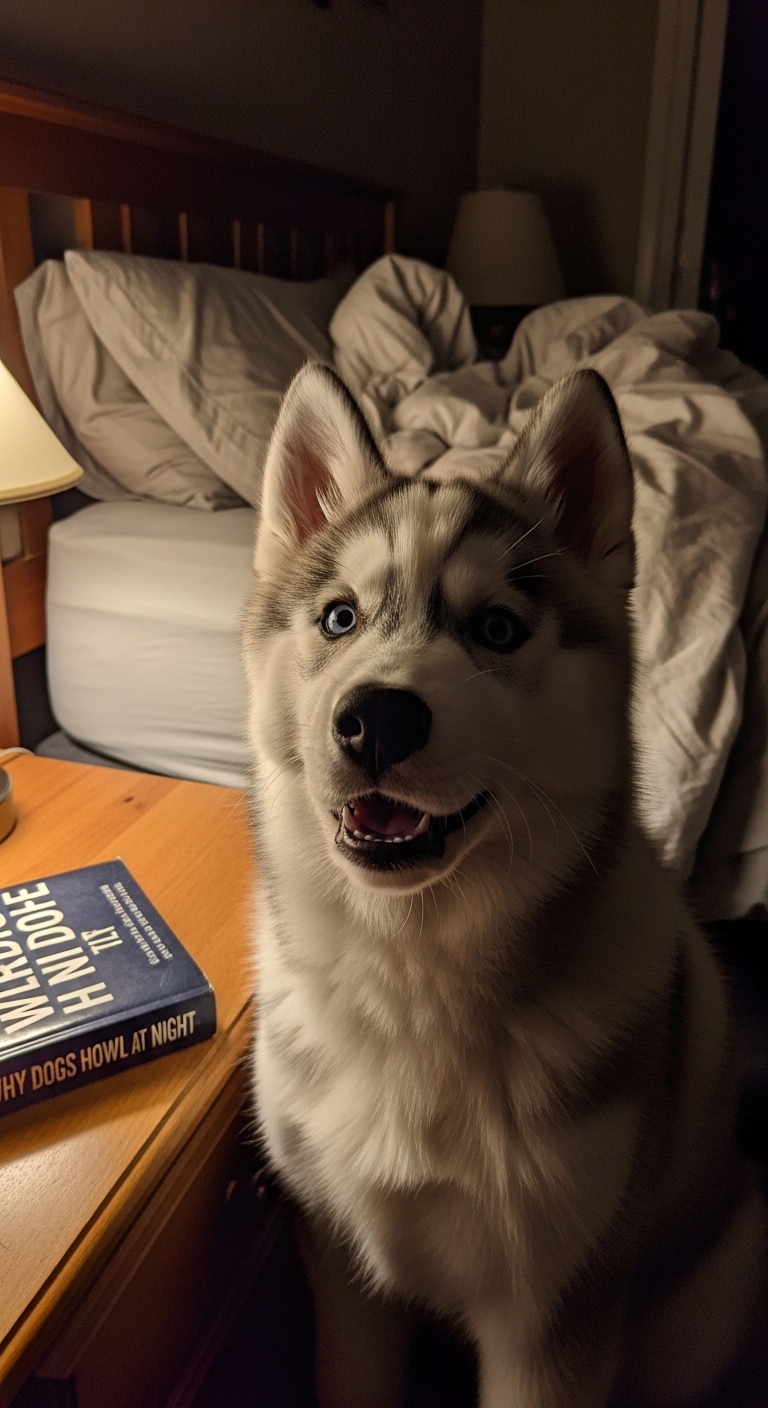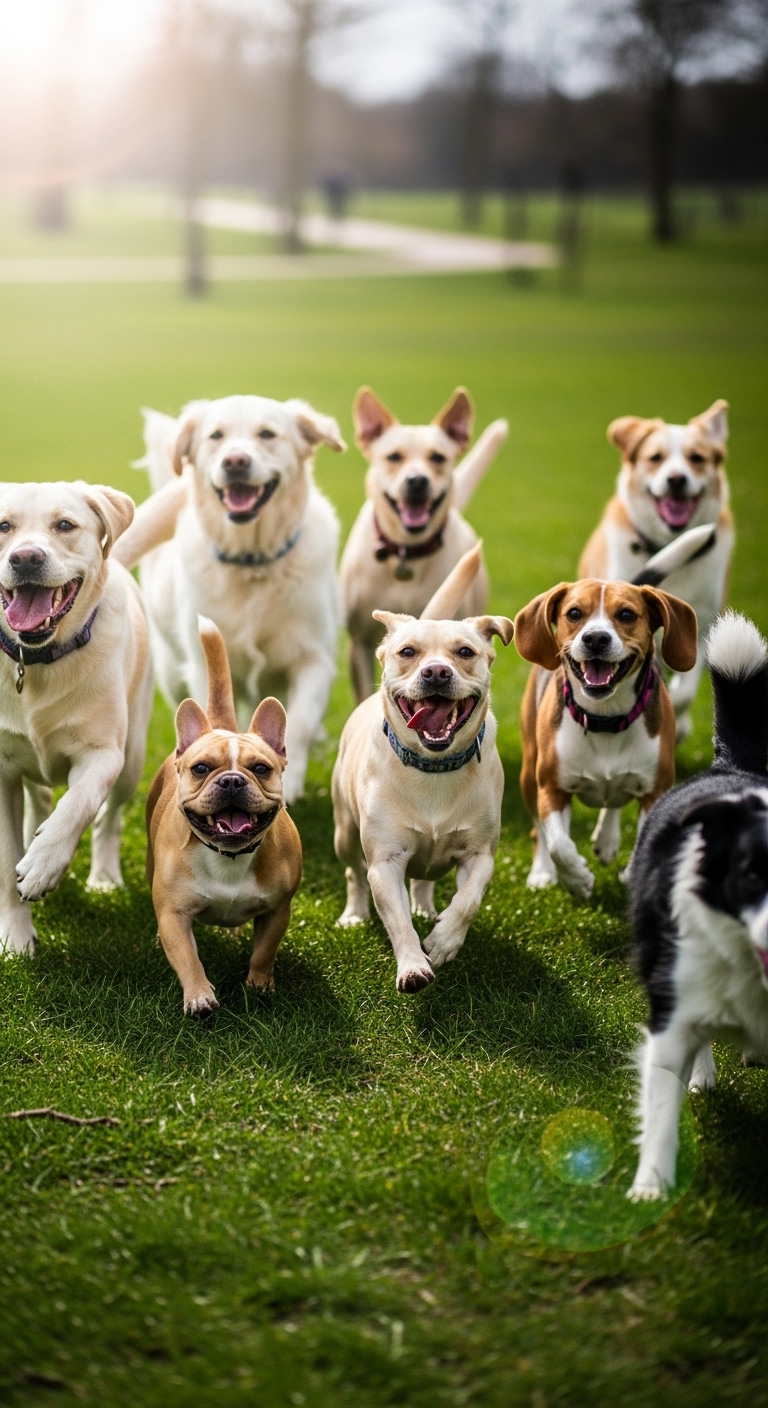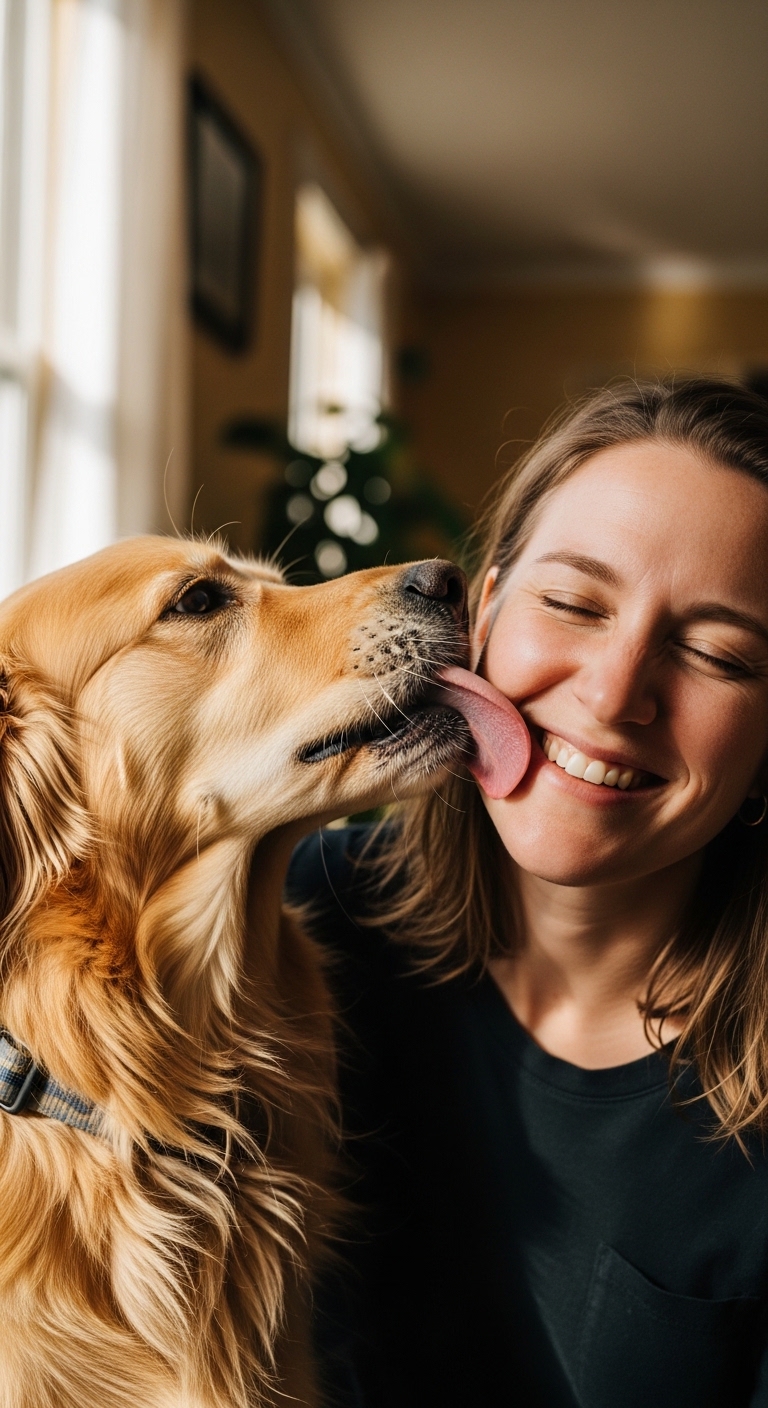
Many pet owners hesitate before approaching a dog they don’t know, unsure if the gesture will be welcome. It’s a common dilemma that can make walks or public outings feel awkward or even stressful. Knowing how to read a dog’s body language and approach them safely isn’t just about avoiding awkward moments: it’s about preventing potential conflicts and ensuring both you and the dog feel comfortable. A wrong move could lead to a tense situation, while the right approach can turn a stranger’s dog into a friendly moment.
I’ve seen too many people rush up to a dog only to get a growl or snap in response: it’s not the dog’s fault, but a clear sign they weren’t ready for that interaction.
Key Things to Understand
- A dog’s body language speaks volumes before they even make a sound: A relaxed posture, loose wagging tail, and open mouth usually mean they’re open to interaction. On the other hand, stiff body language, pinned ears, or a tucked tail are warning signs that the dog feels threatened or uncomfortable. These cues matter because misreading them can lead to stress for both you and the dog, or worse, an unwanted reaction.
What to Look For
When deciding whether to pet a dog, pay attention to their overall demeanor. A dog that’s approaching you with a loose, wiggly body and a gently wagging tail is likely curious and friendly. Their ears should be in a natural position: not flattened against their head or perked up too high. Watch their eyes too; soft, relaxed eyes mean they’re at ease, while hard stares or wide, whale-eye (showing the whites of their eyes) can signal tension. Even their mouth gives clues: a relaxed, slightly open mouth with a lolling tongue is a good sign, while a tightly closed mouth or excessive lip licking might mean they’re stressed.
The way a dog moves toward you is also telling. If they’re coming in a straight line with a confident gait, they’re probably comfortable. If they’re moving slowly, hesitating, or circling you instead of approaching directly, they might be unsure. Their focus matters too: if they’re sniffing the ground or avoiding eye contact, they may not be in the mood for interaction. And don’t forget to check with the owner first. A simple “Is your dog friendly?” can save you both from an awkward or unsafe situation.
I once saw a child run up to a dog eating from a bowl, only to get a growl in response. The owner later explained the dog was food-aggressive, something the child (and parent) hadn’t known. It’s a reminder that even the most innocent interactions can go wrong without the right context.
Another common mistake is assuming a wagging tail always means a dog is happy. While it can be a sign of excitement, some dogs wag their tails when they’re anxious or agitated: always look at the bigger picture.
How to Approach a Dog Safely
Start by standing sideways or turning slightly away from the dog. This non-threatening posture shows you’re not a challenge. Let the dog come to you first: don’t reach out or loom over them. If they seem interested, extend your hand slowly, palm down, so they can sniff you first. This gives them control over the interaction and helps them feel more at ease. If they move away or seem hesitant, don’t chase them. Instead, try again later or move on.
What to Do If a Dog Seems Uncomfortable
If a dog’s body stiffens, their ears flatten, or they start lip licking or yawning excessively, they’re likely stressed. In this case, give them space and avoid direct eye contact. Turning your body sideways or even walking away can help de-escalate the situation. Never punish a dog for growling: it’s their way of communicating discomfort, and suppressing it could lead to a bite later. Instead, remove yourself from the situation and try again when the dog is more relaxed.
Teaching Kids How to Pet Dogs
Kids often don’t understand how to interact with dogs they don’t know, which can lead to accidents. Teach them to always ask before petting and to approach slowly. Show them how to extend a hand for the dog to sniff first, rather than reaching for the top of the head. Explain that they should avoid pulling on ears or tails and never hug a dog tightly. A gentle pat on the side of the neck or chest is usually safest. Role-playing these scenarios at home can help kids feel more confident and reduce the risk of a negative experience.
When to Avoid Petting Altogether
Some dogs should never be petted by strangers, no matter how friendly they seem. This includes dogs that are tied up outside stores, working dogs like police or service animals, or dogs in vehicles. These dogs may be in a high-stress environment or focused on a task, and approaching them could distract or agitate them. It’s always better to err on the side of caution: if you’re unsure, skip the interaction.
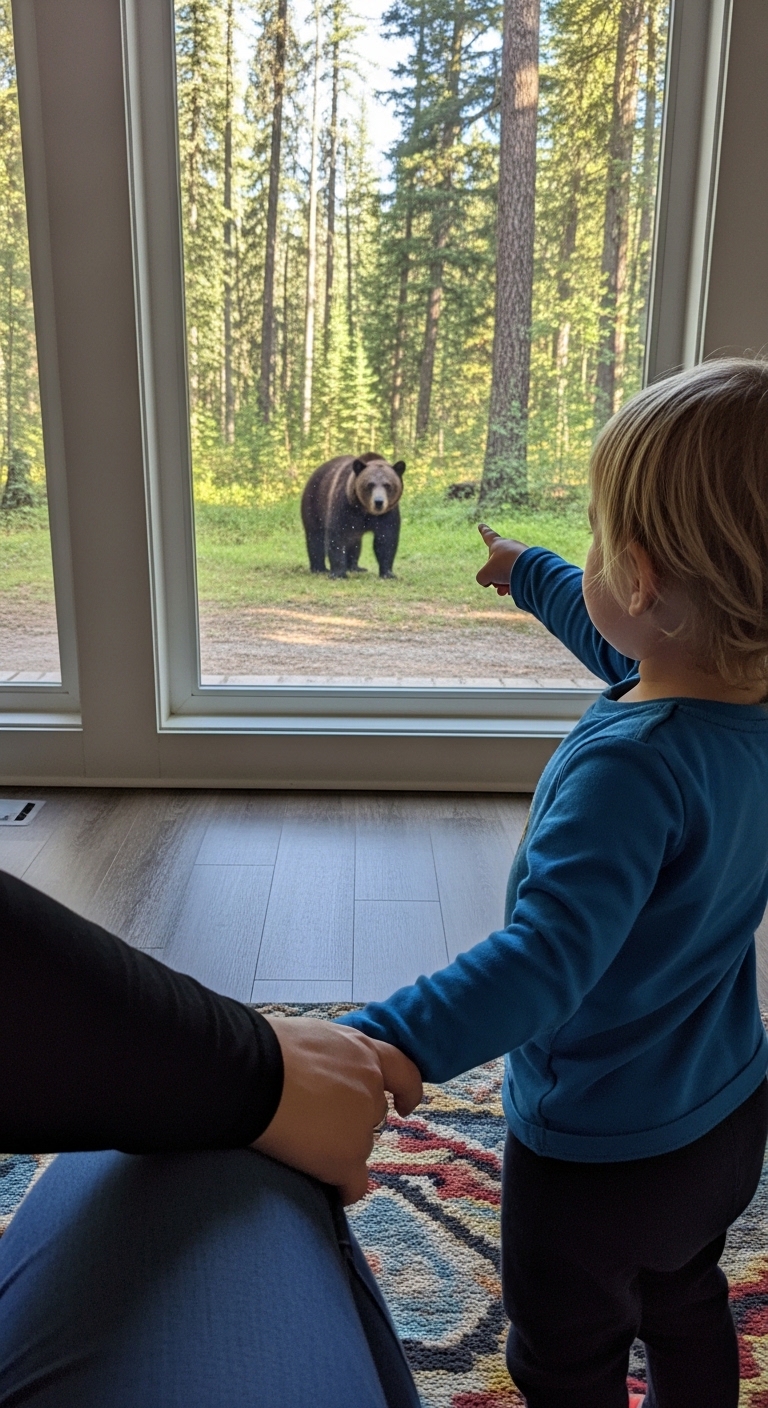
Understanding a dog’s signals and respecting their boundaries turns uncertain encounters into positive experiences for everyone.
Frequently Asked Questions
- → How can I tell if a dog wants to be petted?
Look for relaxed body language, such as a wagging tail, perked ears, and a loose posture. A dog that leans into your touch or nudges your hand is likely enjoying the interaction. Avoid petting if the dog is stiff, growling, or showing the whites of its eyes, as these are signs of stress or fear.
- → What should I do if a dog doesn’t like being petted?
Respect the dog’s boundaries and stop petting immediately. Avoid making direct eye contact or reaching over its head, as these actions can be perceived as threatening. Give the dog space and allow it to approach you on its own terms if it chooses to do so.
- → Is it safe to pet a dog while it’s eating?
No, it’s best to avoid petting a dog while it’s eating, as this can trigger food aggression. Wait until the dog has finished eating before attempting any interaction. If you need to move near a dog during mealtime, do so calmly and avoid touching its food bowl.
- → How should children approach unfamiliar dogs?
Children should always ask an adult for permission before approaching a dog. They should kneel to the dog’s level, extend a closed fist for the dog to sniff, and avoid hugging or making direct eye contact. Teaching kids to offer a treat from an open palm can help build trust and positive interactions.
- → What are the signs a dog is uncomfortable with petting?
Signs of discomfort include stiff body language, flattened ears, growling, showing teeth, or turning away. A dog may also lick its lips excessively, yawn frequently, or try to move away. If you notice these behaviors, stop petting and give the dog space to feel at ease.
- → Can I pet a dog wearing a service vest?
No, it’s important to never pet a service dog, even if it seems friendly. Service dogs are working and should not be distracted. Always respect the handler’s space and avoid interacting with the dog unless given explicit permission by the handler.