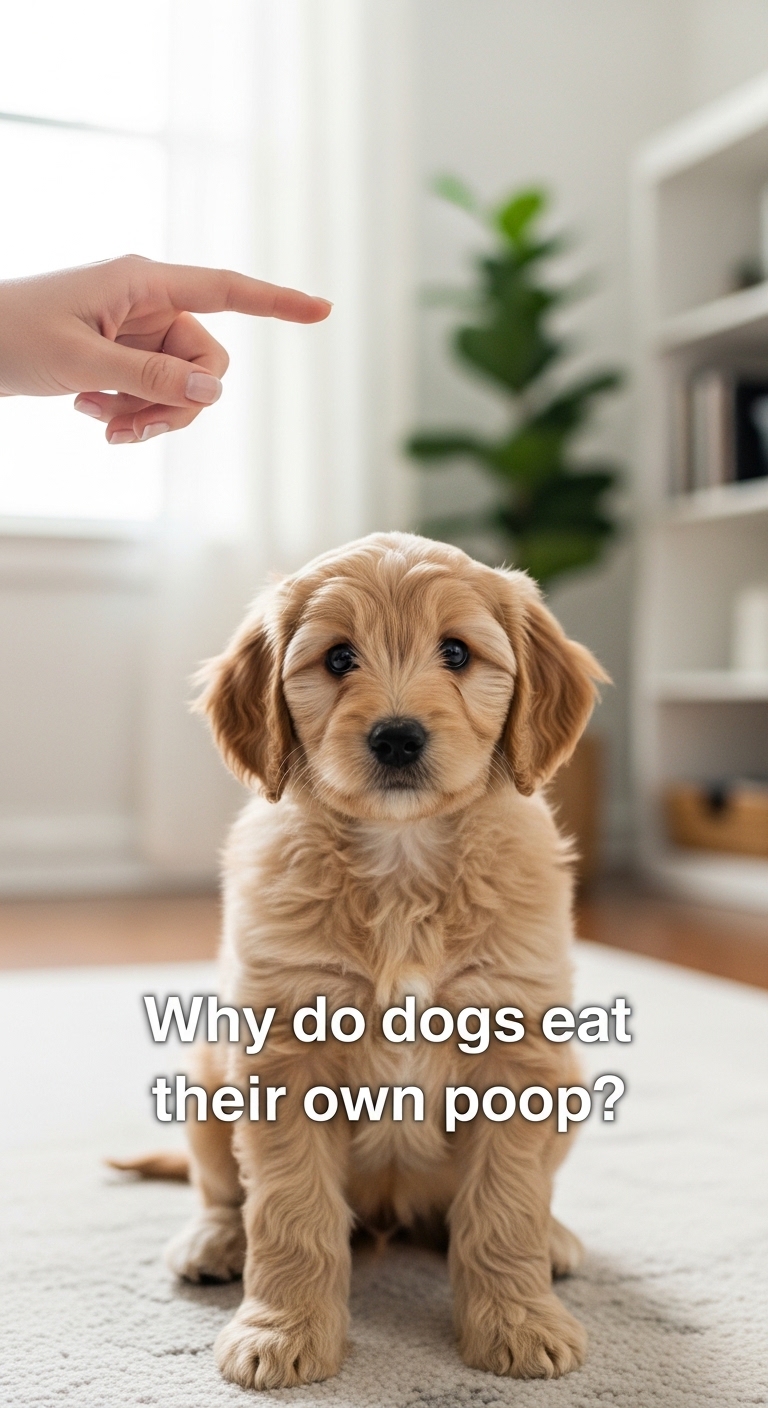
Why do dogs eat poop? It’s a question that baffles many pet owners, but it’s more common than you might think. Coprophagia, as it’s called, can happen for a variety of reasons, from nutritional gaps to behavioral quirks. Understanding why your dog does this can help you address the root cause and keep your yard and your pup cleaner and healthier.
It’s easy to feel frustrated when your dog keeps eating poop, but remember it’s not about bad manners. Often, it’s a sign they’re trying to tell you something, whether it’s hunger, boredom, or even a need for more fiber in their diet.
Key Things to Understand
- Nutritional deficiencies: Lack of enzymes or vitamins can push them to seek nutrients in waste.
- Medical issues: Parasites or malabsorption might play a role, so a vet visit is often the first step.
- Behavioral causes: Stress, boredom, or copying other dogs are common triggers.
- Puppy exploration: Young dogs may do it as part of learning, but it usually fades with training.
- Smell and taste: Some dogs are simply attracted to fresh poop.
What to Look For
Pay attention to when and how often your dog eats poop. If it’s happening right after meals or in specific spots, it could point to a dietary issue. Watch their overall health too: are they losing weight, having diarrhea, or acting unusually tired? These signs suggest a deeper problem. Also, notice if they’re eating poop from other animals, which might mean they’re missing key nutrients. Behaviorally, dogs that are left alone for long hours or don’t get enough exercise are more likely to develop this habit. Even the type of poop matters: soft or undigested stools are more tempting than firm ones.
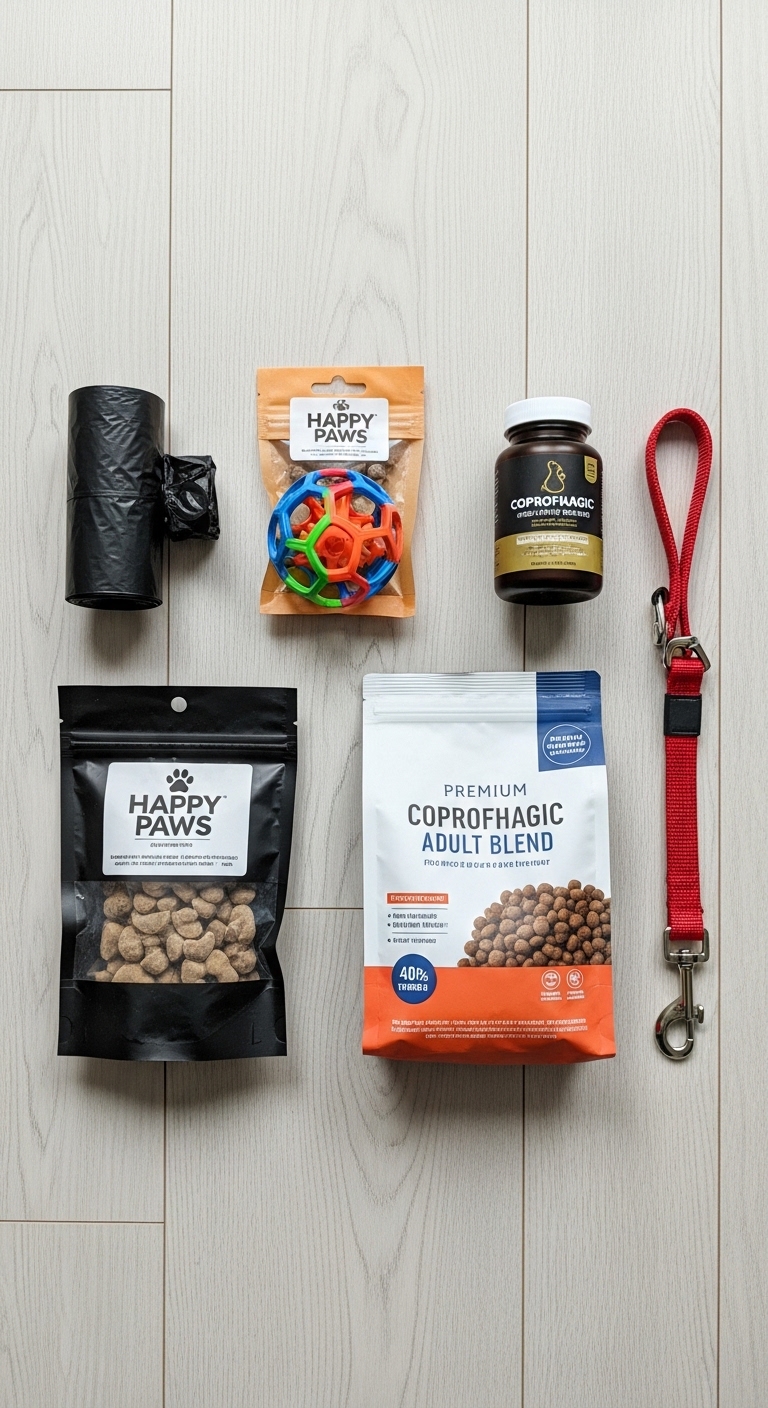
I’ve seen dogs stop eating poop just by switching to a diet with more digestible ingredients. Sometimes, addressing the root cause is simpler than you’d expect.
Daily care habits
If your dog is eating poop, start by cleaning up waste immediately to remove temptation. Feed them smaller, more frequent meals to keep their digestive system active and reduce hunger-driven behavior. Ensure their food is rich in protein and fiber to help them feel fuller. Adding a spoonful of plain yogurt or a dog-safe enzyme supplement can also aid digestion and reduce the urge.
Choosing the right product
Look for foods labeled as "highly digestible" or "complete and balanced" to prevent nutrient gaps. Avoid fillers like corn or soy, which can make poop more appealing. Products like For-Bid or Copro-Nil are designed to deter poop-eating by altering its taste. If using these, follow instructions carefully and monitor your dog’s reaction.
Safety and comfort
Never use harsh chemicals near your dog’s food or water bowls, as lingering smells can cause stress. For anxious dogs, create a calm environment with toys and a cozy resting area. Avoid leaving them alone in the yard for extended periods, as boredom can worsen the habit. If you have multiple pets, separate their waste areas to prevent copying behavior.
Common mistakes to avoid
Scolding your dog after the fact won’t help—they won’t connect the punishment to the act. Using muzzles or sprays as a first solution can increase anxiety. Don’t assume it’s just a phase without ruling out health issues. Automatic cleaners won’t solve the problem if the dog still has access to waste elsewhere.
Cleaning and hygiene
Keep your yard and walking routes clean to remove temptation. Use enzymatic cleaners to eliminate odors that might attract your dog back to the same spots. Wash your dog’s paws and belly after walks to remove lingering smells. If they’re eating litter box waste, switch to a covered box and place it in an inaccessible area.
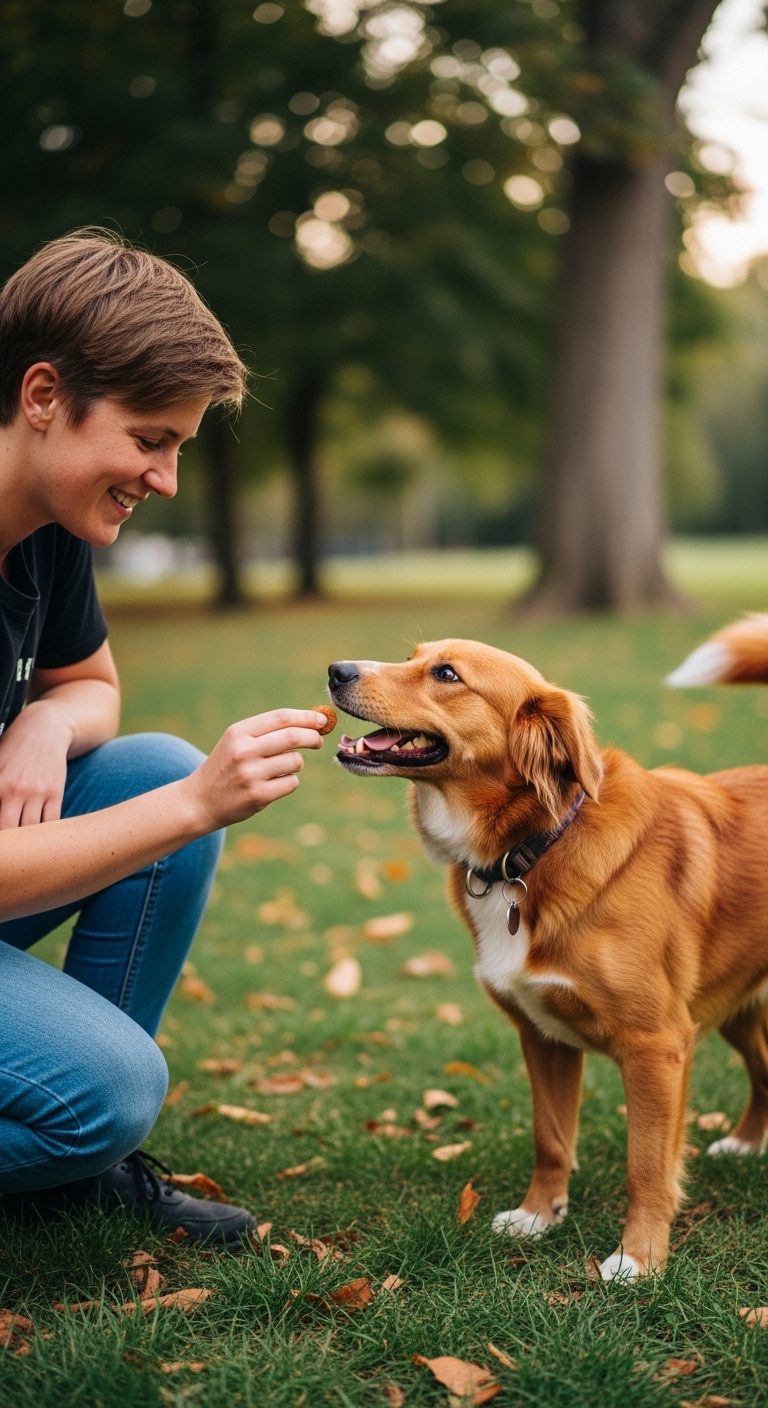
Addressing poop-eating starts with patience and observation. Small changes in diet, routine, or environment often make the biggest difference.
Frequently Asked Questions
- → Is it normal for dogs to eat poop?
While not ideal, it’s relatively common, especially in puppies. Most dogs outgrow it, but persistent cases may need intervention.
- → What causes dogs to eat poop?
Causes include nutritional gaps, boredom, stress, medical issues, or learned behavior from mother dogs cleaning their puppies.
- → How can I stop my dog from eating poop?
Keep their environment clean, provide mental stimulation, use positive reinforcement training, and consult your vet for dietary adjustments.
- → Can diet affect poop-eating in dogs?
Yes! A balanced diet rich in fiber, vitamins, and enzymes can reduce the urge. Your vet may recommend supplements if deficiencies are detected.
- → When should I worry about my dog eating poop?
If the behavior is sudden, excessive, or accompanied by other symptoms like vomiting or diarrhea, see a vet to rule out health problems.
- → Do certain dog breeds eat poop more often?
Some breeds may be more prone due to genetic factors, but any dog can develop this habit under the right conditions.