Why dogs howl at night isn’t just a random sound: it’s a real concern for pet owners who want peaceful sleep and a happy dog. Nighttime howling can signal discomfort, anxiety, or even health issues that need attention. Understanding the reasons behind it helps you respond in the right way, whether that means adjusting their routine, checking for pain, or creating a calmer environment.
I remember when my neighbor’s dog started howling every night: turns out it was separation anxiety from being left alone too long during the day. Once we adjusted his schedule and added a cozy crate, the howling stopped completely.
Key Things to Understand
- Separation anxiety: Dogs howl at night because of separation anxiety when left alone for long hours
- Breed tendencies: Some breeds are more prone to vocalizing due to their history as working or guard dogs
- Health issues: Health problems like arthritis or hearing loss can cause nighttime discomfort and howling
- Boredom or lack of exercise: Boredom or lack of exercise often leads to restless nights and vocalizing
- External triggers: External sounds like sirens or other animals can trigger howling even in well-adjusted dogs
What to Look For
Pay attention to when the howling starts: if it’s right after you leave or when the house gets quiet, separation anxiety might be the cause. Notice if your dog paces, whines, or seems restless before howling begins. Check their body language for signs of pain, like limping or difficulty getting up, which could mean arthritis is bothering them. If the howling happens randomly and stops just as suddenly, it might be triggered by outside noises like passing cars or wildlife. Watch for changes in appetite or sleep patterns, as these can indicate an underlying health issue contributing to the behavior.

A common mistake is assuming your dog is just being stubborn when they howl at night. In reality, they might be trying to tell you something important. If the behavior persists even after trying basic fixes, it’s worth checking with your vet to rule out pain or medical issues.
Why certain breeds howl more than others
Some breeds, like Huskies and Beagles, were bred to vocalize as part of their job. Huskies howl to communicate with their pack over long distances, while Beagles bay when they catch a scent. These instincts don’t disappear just because they’re living in a house. If you have one of these breeds, expect some nighttime noise unless you provide plenty of exercise and mental challenges to tire them out.
How to create a calming nighttime routine
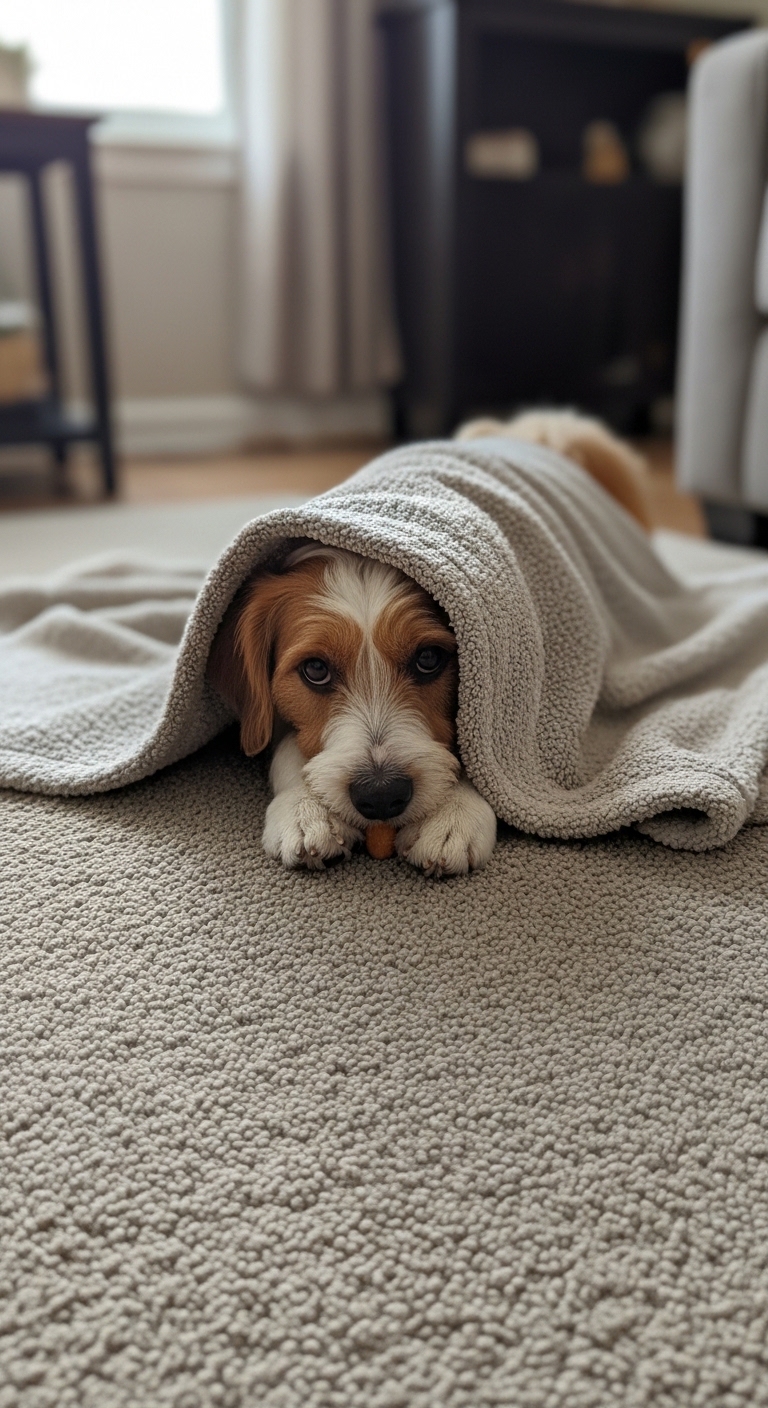
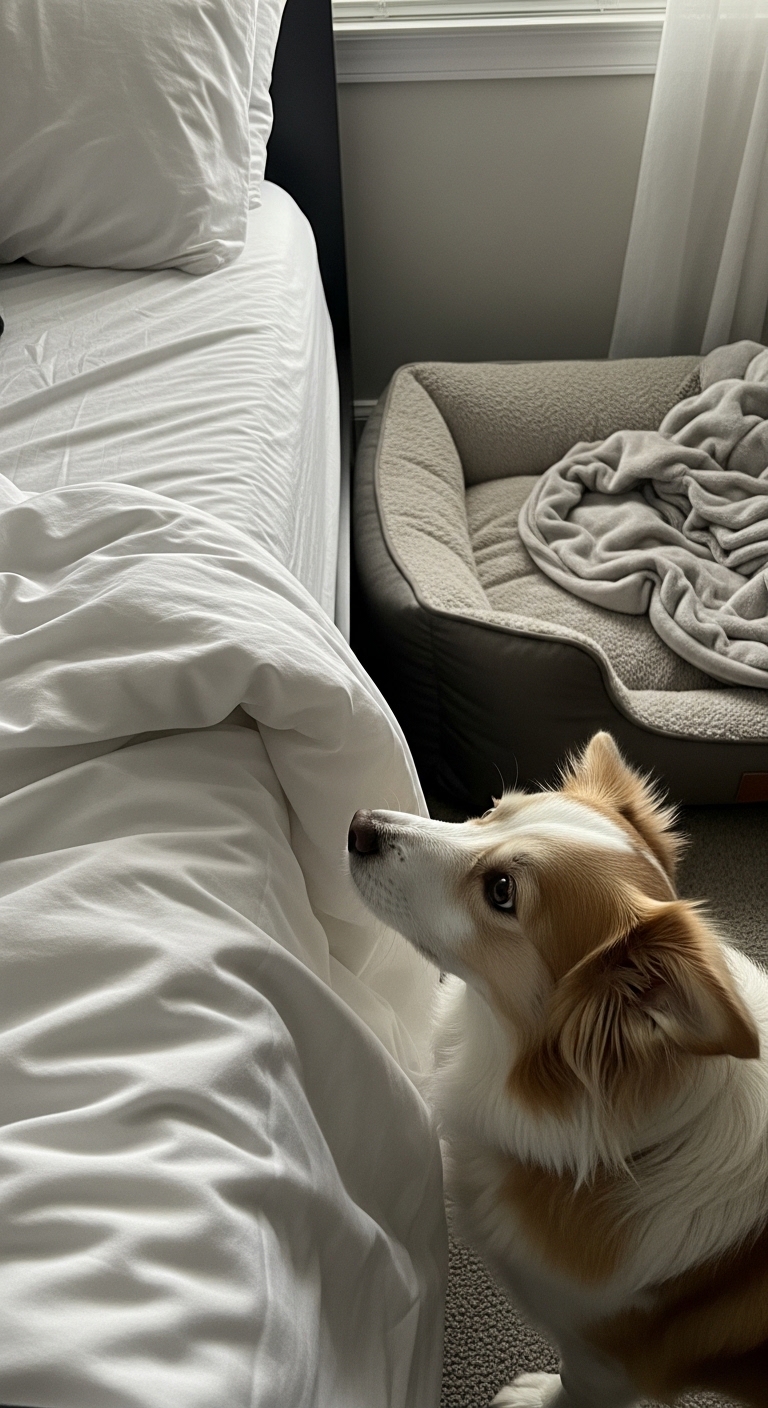
Start by setting a consistent bedtime for your dog, just like you would for a child. A short walk or play session before dinner can help them wind down. Consider leaving a worn T-shirt or blanket with your scent in their sleeping area to ease anxiety. If they’re crate-trained, make sure the crate feels safe and comfortable, not like a punishment.
What to avoid when your dog howls at night
Don’t give in to the temptation to yell or scold them: this can make anxiety worse and reinforce the behavior. Avoid leaving them outside alone for long periods, as this can increase stress. Don’t ignore persistent howling, assuming it’s just a phase, because it might be masking a real problem.
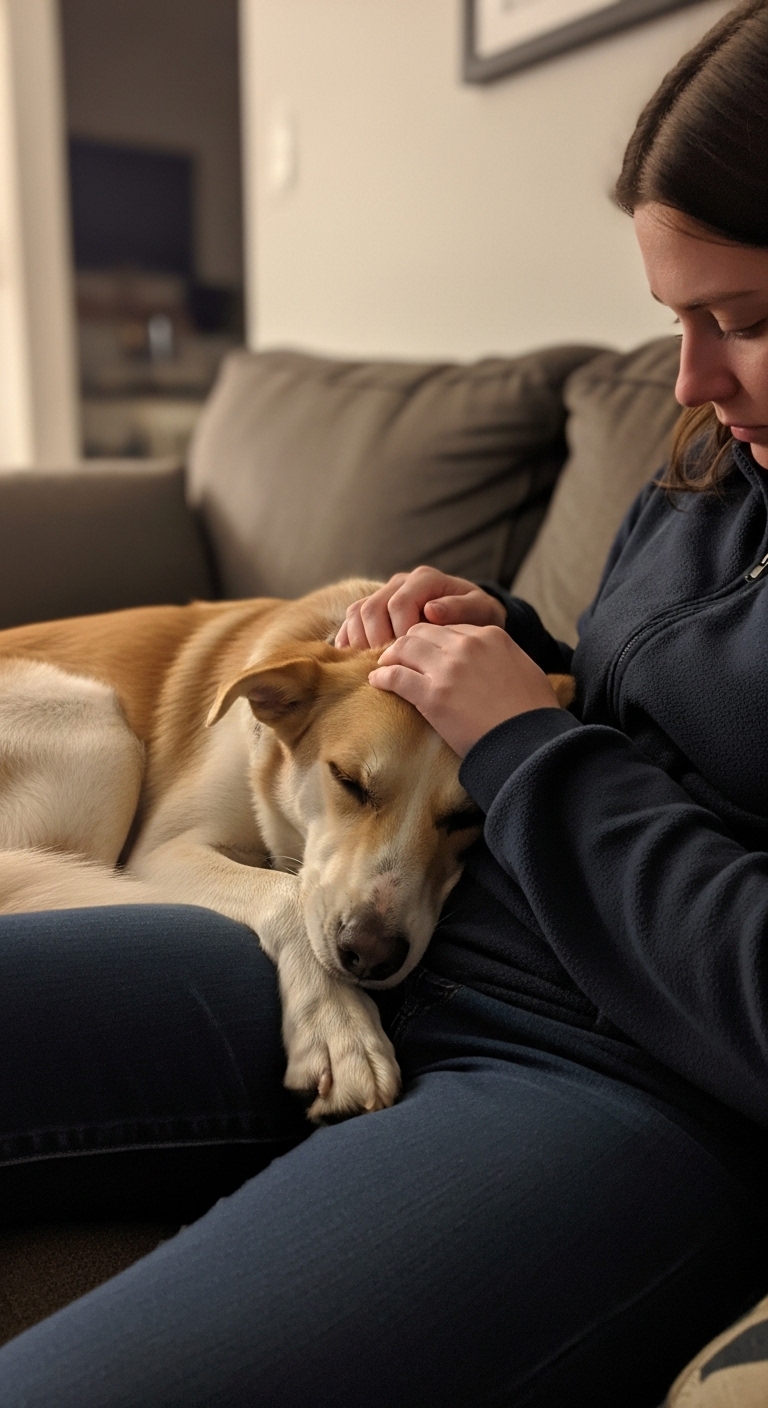
The key to solving nighttime howling is patience and observation. What works for one dog might not work for another, so stay consistent with your approach.
Frequently Asked Questions
- → Why does my dog howl only at night?
Nighttime howling often stems from separation anxiety, especially if your dog is left alone. The quiet environment may amplify their distress, making them vocalize more than during the day. Territorial instincts can also play a role, as dogs may respond to sounds outside the home when it's dark and quieter.
- → Can pain cause my dog to howl at night?
Yes, sudden or increased nighttime howling can indicate pain or discomfort, particularly in older dogs. Conditions like arthritis, dental issues, or gastrointestinal problems may worsen at night due to reduced activity and inflammation. A vet checkup is recommended if the behavior is new or worsening.
- → How can I stop my dog from howling at night?
Start by addressing the root cause. Ensure they get enough exercise and mental stimulation during the day. Use calming aids like pheromone diffusers or weighted blankets. Training commands like 'quiet' can help, but consistency is key. Avoid scolding, as it may increase anxiety.
- → Is nighttime howling a sign of aging in dogs?
In senior dogs, increased nighttime vocalizations can signal cognitive decline, similar to dementia in humans. This condition, called Canine Cognitive Dysfunction, may cause confusion and restlessness. Consult your vet for evaluation and potential management strategies.
- → Do certain breeds howl more at night?
Yes, breeds with strong vocal tendencies, such as Huskies, Beagles, or Dachshunds, are more prone to howling. Their genetics drive them to communicate vocally, which can be more noticeable at night. Understanding breed traits helps in managing expectations and finding solutions.
- → Can diet affect my dog's nighttime howling?
Diet plays a role in overall health and behavior. Poor-quality food or allergies may cause digestive discomfort, leading to restlessness and vocalizations. Feeding a balanced diet and avoiding late-night meals can help regulate sleep patterns and reduce nighttime disturbances.