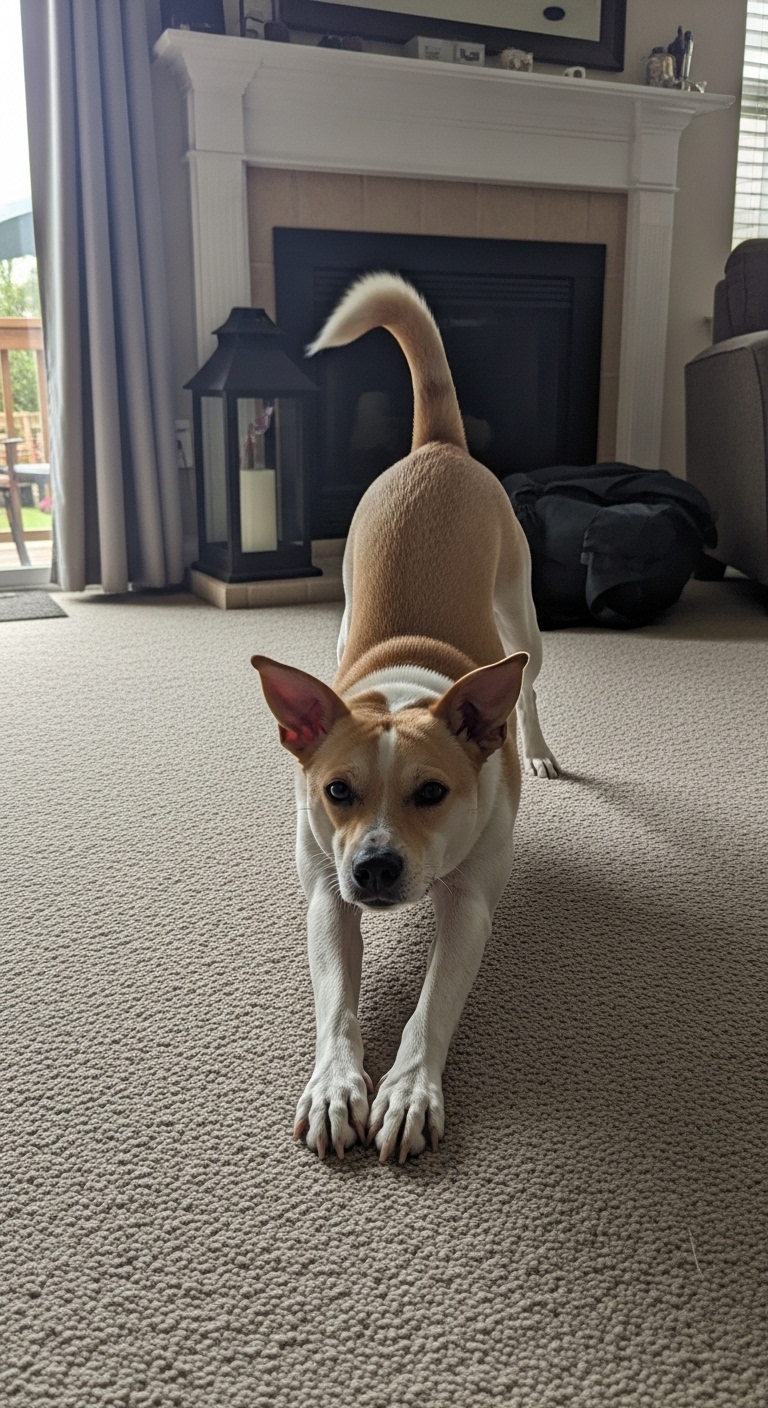
Jumping on the bed is one of those habits that starts small but can quickly become a daily struggle. Whether your dog sees it as a cozy spot to nap or just wants to be closer to you, letting them hop up can lead to torn sheets, dirt on your comforter, or even disrupted sleep. What begins as an innocent request for attention can turn into a habit that’s tough to break, especially if your dog has learned that a little pawing or nudging gets them exactly what they want.
I’ve seen dogs go from jumping on the bed every night to happily sleeping in their own bed after just a few weeks of consistent training. The key isn’t just saying no: it’s about giving them a better alternative and sticking with it.
Key Things to Understand
- Consistency is everything: If jumping on the bed is allowed sometimes but not others, your dog will get confused and keep trying.
- Your reaction matters more than you think: Even pushing them off gently or saying “no” can feel like attention to them, which reinforces the behavior.
- A comfortable alternative is crucial: If their dog bed isn’t inviting enough, they’ll keep coming back to yours.
- Timing is key in training: Correcting the behavior the second they jump up works better than waiting until they’re already settled.
- Some dogs jump out of anxiety or insecurity: Understanding the root cause helps tailor your approach.
What to Look For
Notice when your dog jumps up most often: is it right when you sit down, after walks, or when they’re excited to see you? These patterns tell you when they’re most likely to test the boundaries. Pay attention to their body language too. A wagging tail and relaxed posture might mean they’re just seeking closeness, while stiff movements or whining could signal they’re feeling stressed or unsure of their place in the home.
If your dog has been allowed on the bed for a long time, they might not understand why it’s suddenly off-limits. Look for signs of confusion like pacing, whining, or trying to sneak up when you’re not looking. These are clues that they need clearer guidance and a more appealing alternative spot.
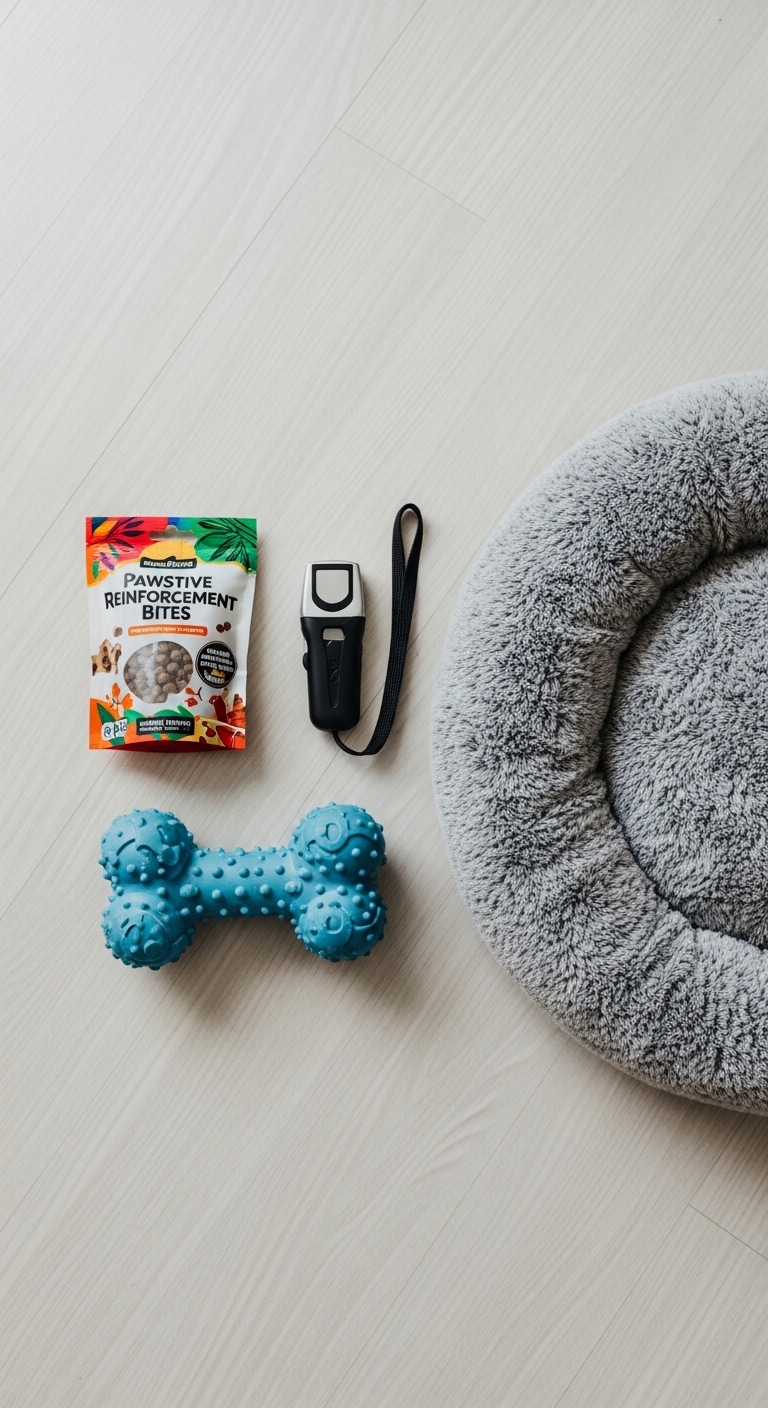
I’ve noticed that dogs who struggle with this habit often do better when their own sleeping area is upgraded. A plush, elevated bed placed near yours can make all the difference: they still feel close but aren’t on your sheets. Another common mistake is giving mixed signals by sometimes allowing it and sometimes not, which only confuses them further.
Daily Care Habits
Start by making their own bed as inviting as possible. Add a favorite blanket or toy to create a sense of security. Place it near your bed at first so they still feel connected to you. Over time, you can gradually move it to its permanent spot in another room if you prefer.
Choosing the Right Product
If their current bed isn’t getting used, it might be too firm, too small, or just not cozy enough. Look for beds with raised edges or bolsters that mimic the feeling of lying against a wall. Orthopedic options work well for older dogs with joint pain, while softer beds suit puppies or small breeds.
Safety and Comfort
Check for gaps or loose fabric in their bed that could pose a suffocation risk, especially for curious chewers. Avoid placing their bed near drafts or direct sunlight where it could overheat. If your dog is a restless sleeper, a non-slip mat underneath can prevent the bed from sliding around on hard floors.

Breaking the habit takes patience, but it’s worth it for both your sleep and your dog’s routine. The first few nights might be tough, but once they adjust to their new spot, you’ll both enjoy a more peaceful home.
Frequently Asked Questions
- → Why does my dog keep jumping on the bed?
Dogs may jump on beds due to comfort, seeking attention, or following their natural instincts to be close to their owners. It can also be a learned behavior if they’ve been allowed on the bed in the past.
- → What’s the best way to train my dog to stay off the bed?
Use positive reinforcement by rewarding your dog when they stay off the bed. Train them with commands like "off" or "down" and redirect them to a pet bed. Consistency among all household members is crucial for success.
- → Can I use deterrents to keep my dog off the bed?
Yes, you can use deterrents like double-sided tape or aluminum foil on the bed, as dogs dislike the texture. However, focus on training rather than relying solely on deterrents for long-term results.
- → How long does it take to train a dog to stay off the bed?
The time varies depending on your dog’s age, breed, and consistency in training. Some dogs may learn within a few weeks, while others might take longer. Patience and persistence are key.
- → What if my dog ignores the training and keeps jumping on the bed?
Re-evaluate your training methods and ensure consistency. If the issue persists, consult a professional dog trainer or behaviorist for personalized advice and strategies.
- → Is it okay to let my dog on the bed sometimes?
Mixed signals can confuse your dog. It’s best to set clear, consistent rules to avoid reinforcing the jumping behavior. Stick to one rule to prevent confusion during training.