Why dogs stretch after sleeping matters more than you might think. It’s not just a random habit: it’s a sign of how your dog’s body and mind are working together. Stretching helps them wake up their muscles, improve circulation, and even ease joint stiffness, especially for older dogs. Paying attention to these stretches can give you clues about their comfort, health, and mood. If your dog stretches differently than usual, it could be worth checking in with your vet to rule out any discomfort.
I’ve noticed that dogs who stretch a lot after waking up often feel more energetic throughout the day. It’s like they’re hitting the reset button on their bodies, and that’s something worth paying attention to.
Key Things to Understand
- Natural wake-up routine: Stretching is a natural way for dogs to wake up their muscles and joints after rest.
- Blood flow boost: It helps improve blood flow, which is especially important for older dogs or those with arthritis.
- Excitement indicator: Some dogs stretch more when they’re excited or anticipating playtime.
- Pain signal: If your dog stretches excessively or seems stiff, it could signal joint pain or discomfort.
- Vet check trigger: Sudden changes in stretching habits might mean it’s time for a vet checkup.
What to Look For
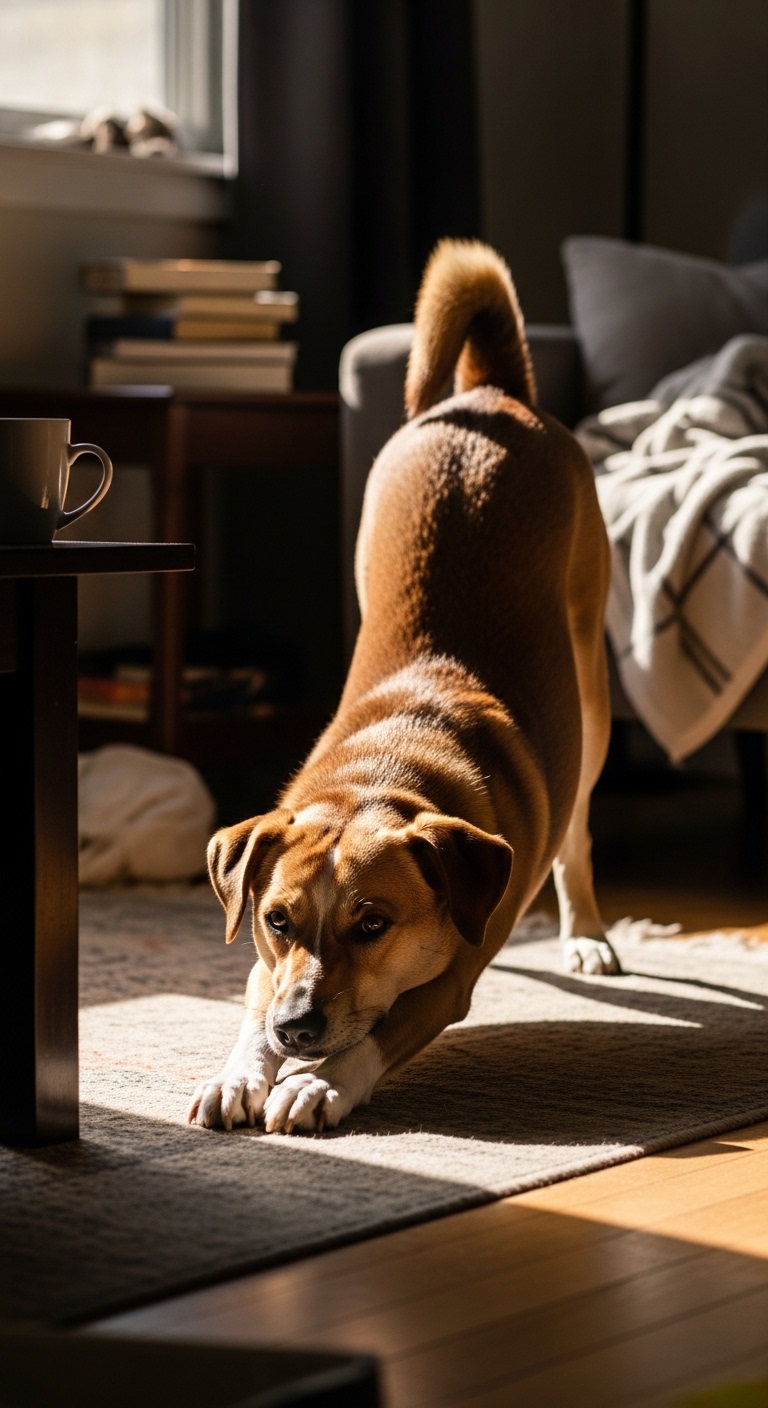
Watch how your dog stretches when they wake up. Do they extend their front legs forward and arch their back, or do they stretch one side more than the other? These small differences can tell you a lot. For example, if your dog always stretches their hind legs more on one side, it might be a sign of hip or knee discomfort. Also, notice if they stretch right after waking up or if they wait a few minutes. Dogs that take longer to get moving might be dealing with stiffness.
Another thing to observe is their overall energy levels after stretching. A dog that stretches and then jumps up ready to play is likely feeling good. But if they stretch, then move slowly or seem reluctant to move, it could mean they’re dealing with pain. Pay attention to their breathing too: if they’re panting heavily after stretching, it might be a sign they’re overdoing it or feeling stressed.
I’ve seen dogs that stretch a lot after waking up but then seem fine all day. Others stretch once and then move on, which is totally normal too. The key is knowing what’s usual for your dog so you can spot when something changes. If your dog suddenly stops stretching or seems to struggle when they do, it’s worth mentioning to your vet.
Daily care habits
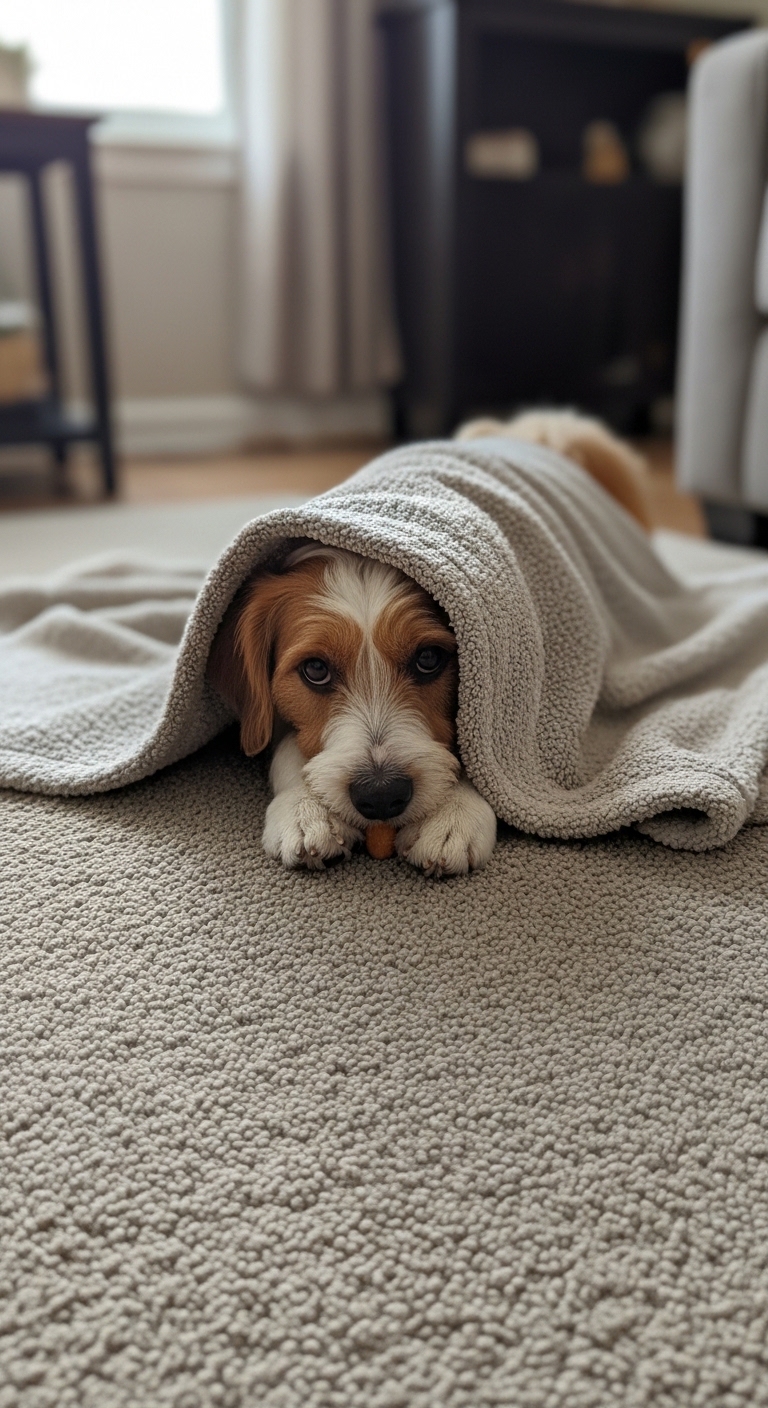
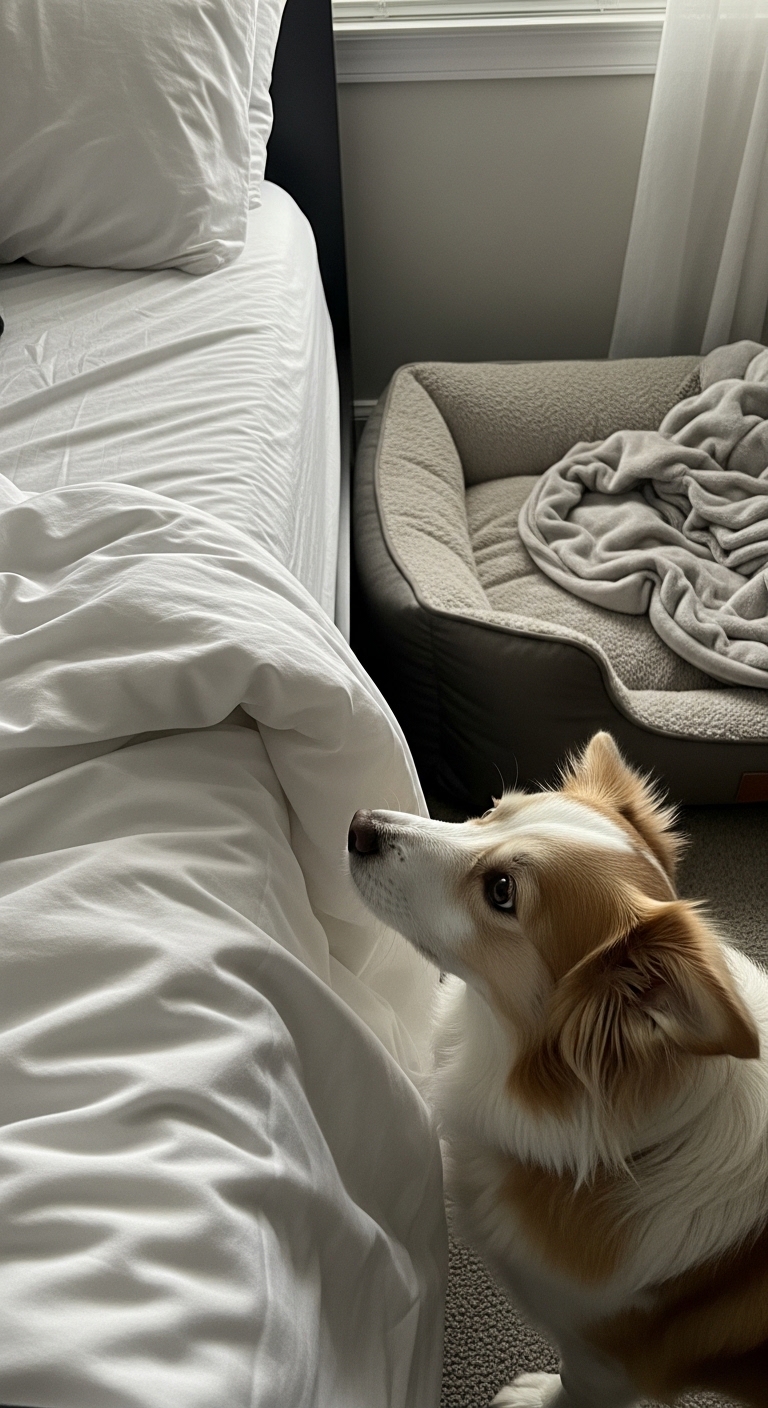
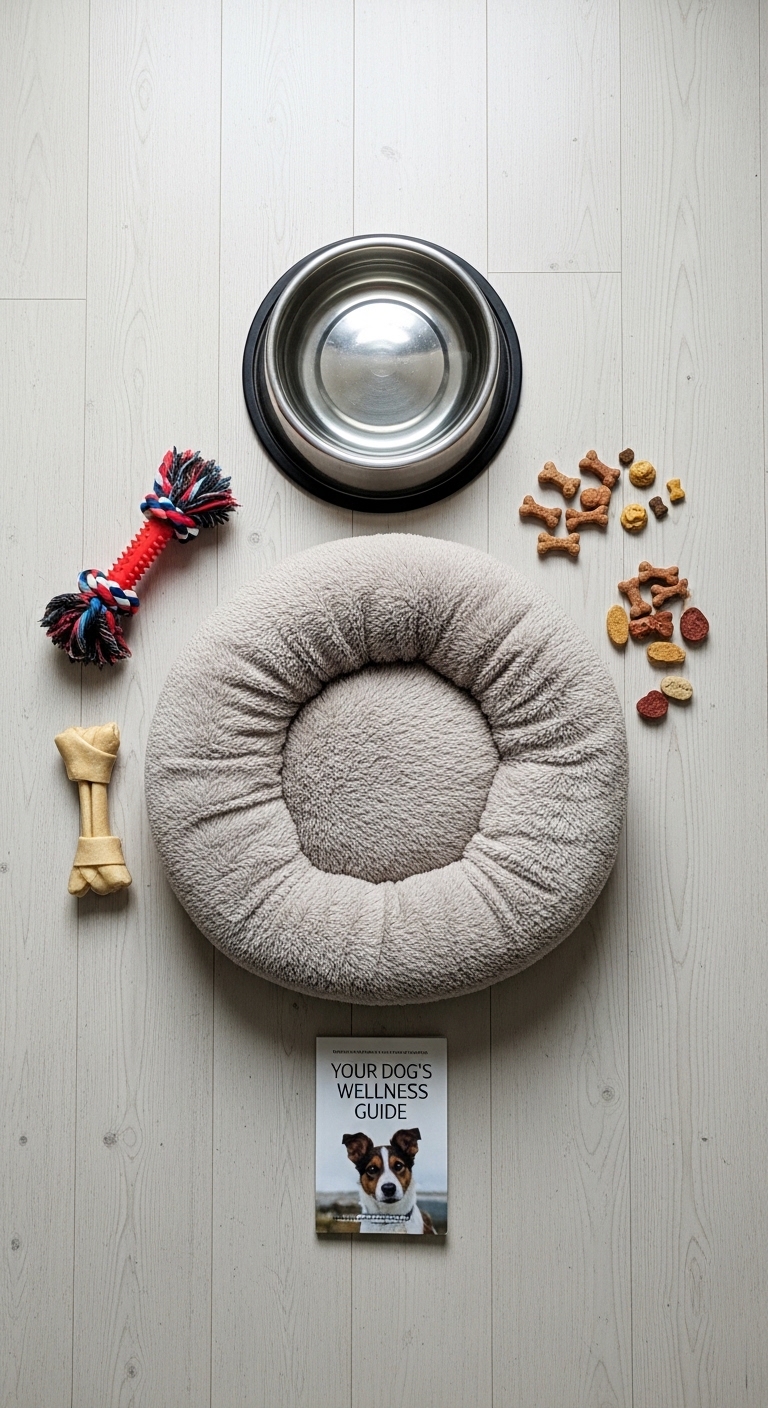
Make stretching a part of your dog’s morning routine by encouraging gentle movement after they wake up. A short walk or some light play can help them limber up naturally. If your dog is older or has joint issues, consider adding a warm blanket or a cozy bed to help ease their muscles before they get up. You might also notice that they stretch more in certain weather, like on cold mornings, because their joints feel stiffer.
Behavior and routine support
Stretching can also be a sign of your dog’s mood. A happy, relaxed dog will stretch freely, while a dog feeling anxious might stretch less or seem tense. If your dog stretches a lot before bedtime, it could be their way of releasing the day’s stress. Pay attention to their body language overall: ears, tail, and posture can give you clues about how they’re feeling beyond just the stretching.
If your dog’s stretching habits change suddenly, don’t wait to see if it improves. Trust your instincts as a pet owner: you know your dog best.
Frequently Asked Questions
- → Why do dogs stretch when they wake up?
Dogs stretch after sleeping to loosen their muscles, improve blood flow, and relieve stiffness. It’s a natural reflex that prepares them for movement and signals they’re ready to be active.
- → Is it normal for my dog to stretch a lot?
Occasional stretching is normal, but excessive stretching—especially with signs of discomfort—could indicate joint issues like arthritis. Monitor your dog’s behavior and consult a vet if you notice persistent stiffness or pain.
- → Can stretching habits reveal my dog’s health?
Yes! Consistent stretching patterns suggest good mobility, while sudden changes may signal discomfort, injury, or aging-related stiffness. Regular observation helps track your dog’s well-being over time.
- → How can I help my dog stretch comfortably?
Provide an orthopedic bed for joint support, encourage light play after naps, and avoid hard surfaces. Gentle massage or stretching exercises can also ease tension and improve flexibility.
- → When should I worry about my dog’s stretching?
Consult a vet if your dog stretches excessively, whines during movement, or shows reluctance to play. These could be signs of arthritis, muscle soreness, or other underlying conditions needing attention.
- → Do all dogs stretch after sleeping?
Most dogs stretch instinctively, but the frequency and intensity vary by breed, age, and individual personality. Puppies and older dogs may stretch more due to growth or joint changes.