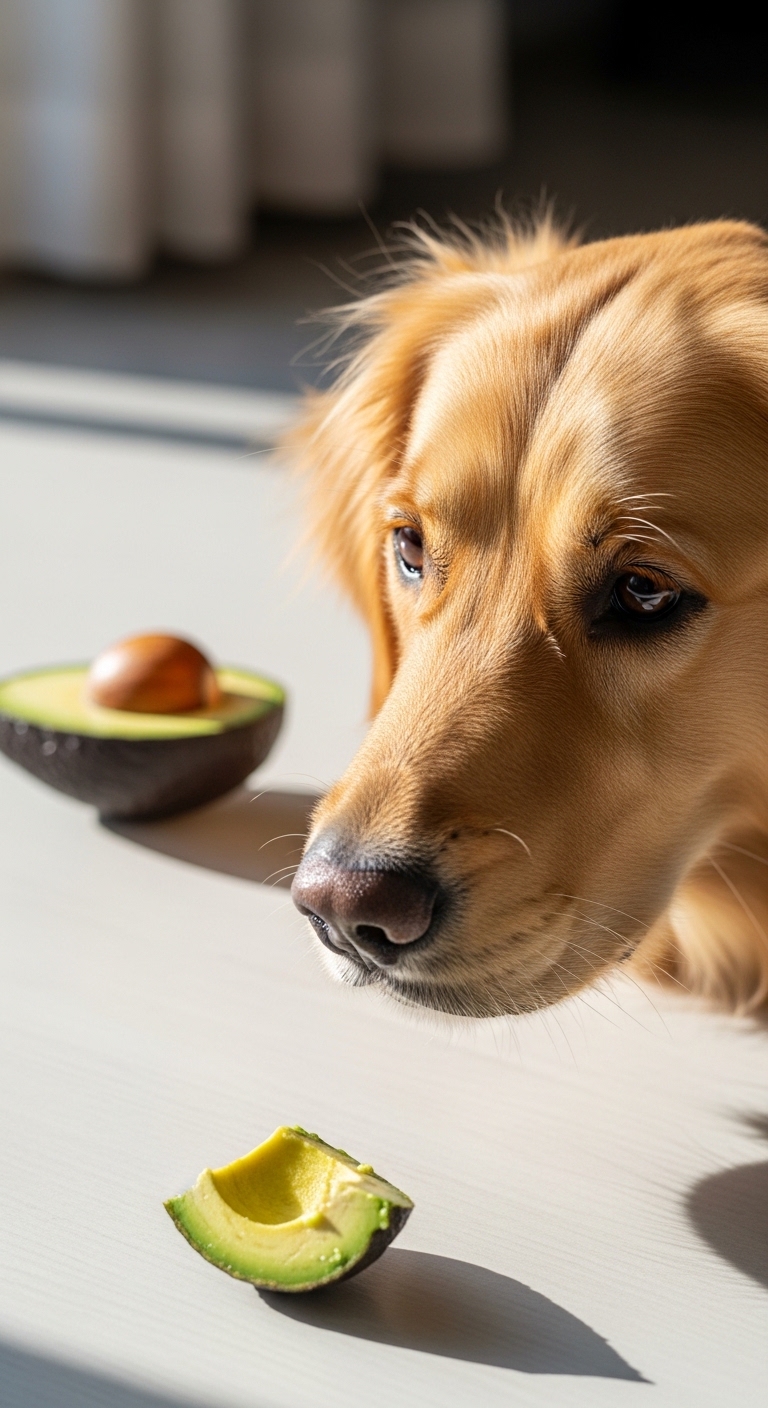
Can dogs have mandarin oranges? It’s a question many pet owners ask when their pup gives them those big, hopeful eyes while peeling a snack. While mandarin oranges might seem harmless, the reality is a little more complicated. Citrus fruits contain compounds that can upset a dog’s stomach or even cause more serious issues in large amounts. Still, the occasional small piece might not hurt if you know what to watch for.
I’ve seen dogs react differently to citrus: some barely notice a tiny piece, while others get an upset stomach right away. It’s all about knowing your dog’s tolerance and keeping portions tiny.
Key Things to Understand
- Mandarins contain citric acid and essential oils: that can irritate a dog’s digestive system
- The peel and seeds are especially risky: because they’re harder to digest and may cause blockages
- Small amounts might be tolerated: by some dogs, but others could experience vomiting or diarrhea
- Dogs with sensitive stomachs or conditions like diabetes: should avoid citrus entirely
- Always introduce new foods slowly: and in tiny portions to monitor your dog’s reaction
What to Look For
Pay attention to how your dog reacts after eating any part of a mandarin orange. Some dogs might drool more than usual, lick their lips frequently, or show signs of nausea like pacing or whining. Watch for vomiting or diarrhea within a few hours, as these are clear signs the fruit didn’t agree with them. If your dog seems lethargic or loses interest in food after eating citrus, it’s a good idea to call your vet. Also, keep an eye on their energy levels: some dogs might become unusually tired if their stomach is upset.
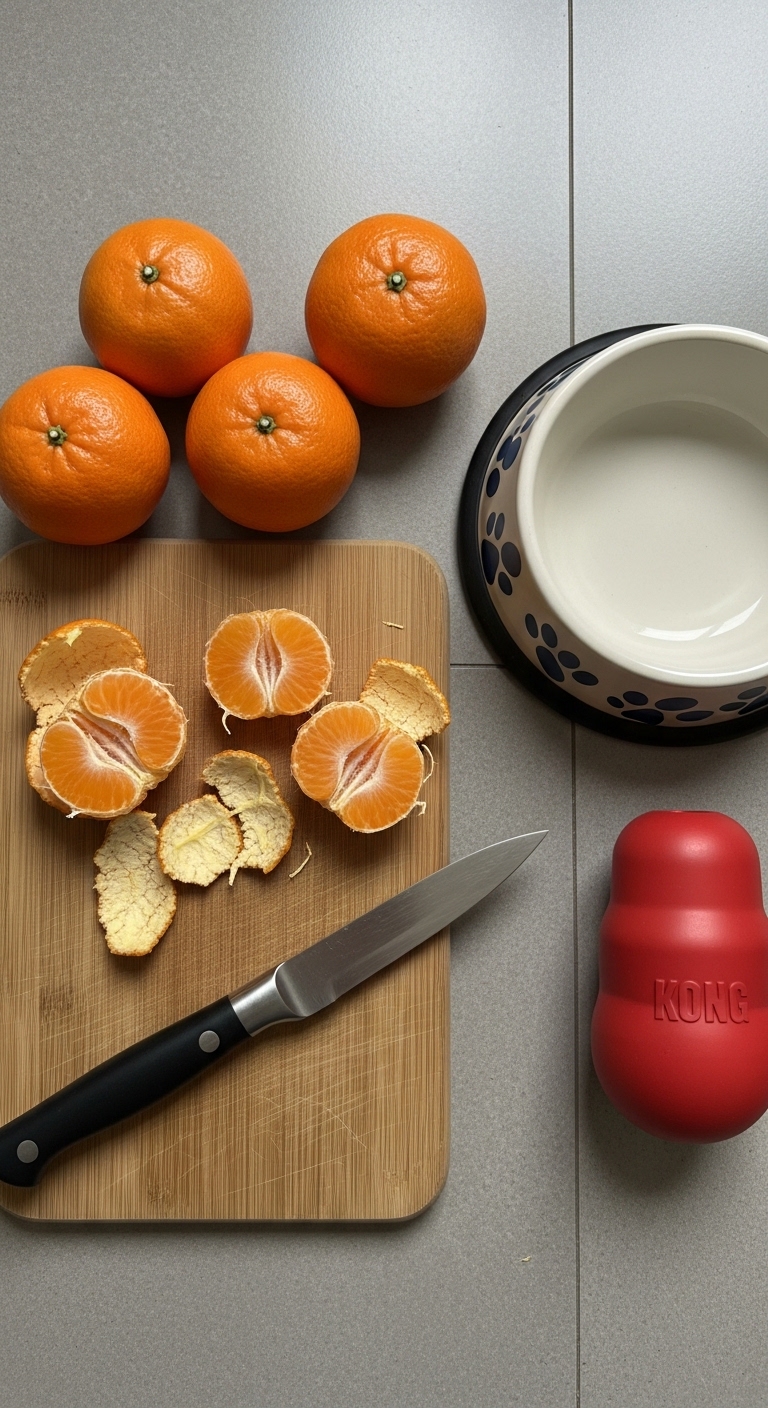
I once had a client whose dog stole an entire mandarin from the counter and ended up with a mild case of diarrhea. It cleared up on its own, but it was a good reminder that even small amounts can cause trouble. Another common mistake is assuming all citrus fruits are the same: some dogs tolerate oranges better than mandarins, so always introduce them separately.
Safe Alternatives to Mandarin Oranges
If you want to give your dog a fruity treat, try safer options like apple slices (without seeds), blueberries, or banana pieces. These are easier on their stomach and provide vitamins without the risks. Watermelon (seedless and rind-free) is another great choice, especially in hot weather. Always remove any pits, seeds, or tough skins before offering fruit to your dog.
How Much Is Too Much?
A single segment of mandarin orange might be fine for a larger dog, but smaller breeds should avoid it entirely. Even for big dogs, more than a couple of segments could lead to an upset stomach. If your dog is tiny or prone to digestive issues, it’s best to skip citrus altogether. When in doubt, stick to dog-safe treats that are formulated specifically for their needs.
Signs Your Dog Ate Too Much Mandarin
If your dog has consumed a concerning amount of mandarin, watch for repeated vomiting, diarrhea, or signs of abdominal pain like restlessness or whining. Some dogs might also develop a rash or itchy skin if they’re sensitive to citrus. If these symptoms last more than 24 hours or seem severe, it’s time to contact your vet.
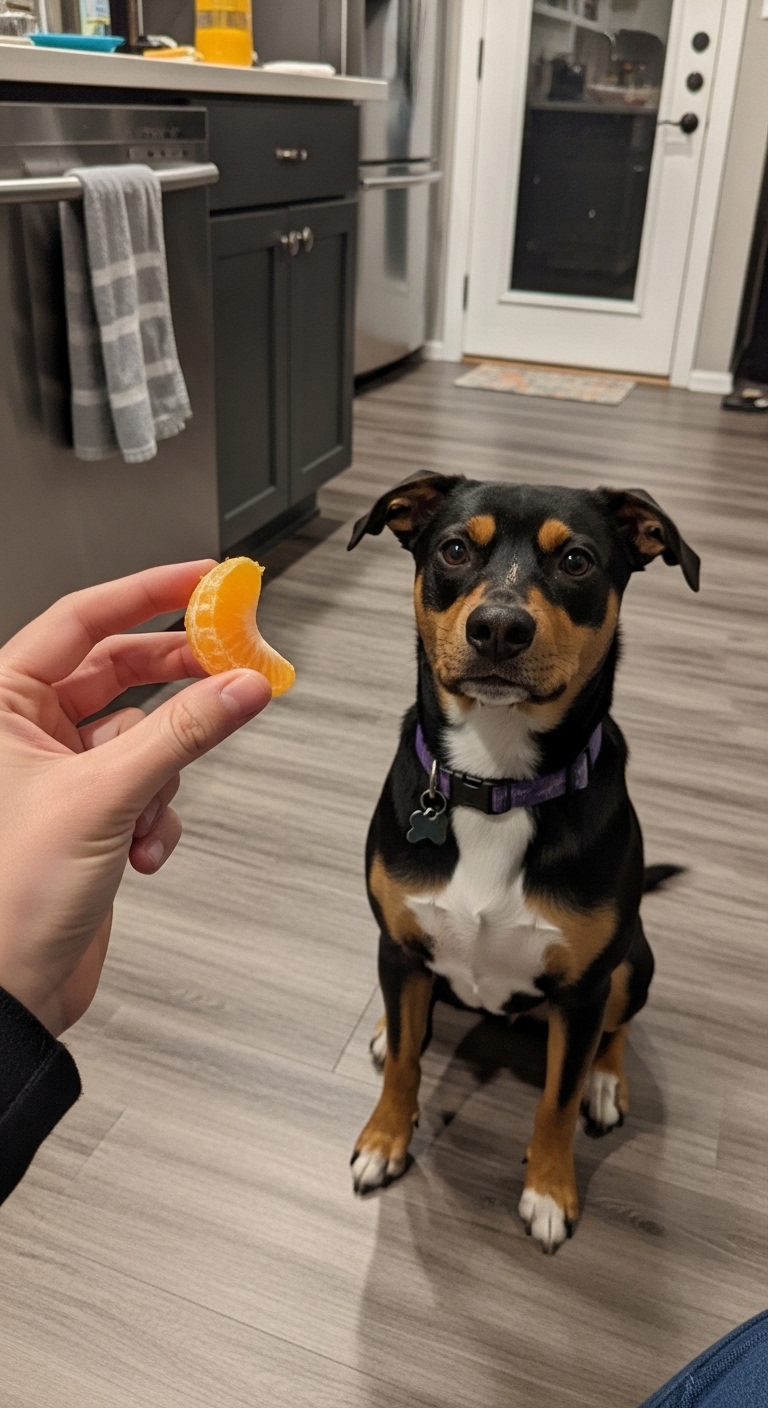
Always prioritize your dog’s safety and consult a vet if you’re unsure.
Frequently Asked Questions
- → Can dogs safely eat mandarin oranges?
Yes, dogs can eat mandarin oranges in small amounts, but they should not be a regular part of their diet. The flesh is safe in moderation, but the peel, seeds, and pith can be harmful.
- → How much mandarin orange can I give my dog?
Limit to one or two segments for a medium-sized dog, and only occasionally. Too much can cause stomach upset due to the sugar and acid content.
- → Are mandarin orange peels toxic to dogs?
Mandarin orange peels are not toxic but can cause digestive issues or blockages. Always remove the peel, seeds, and pith before feeding your dog.
- → What are the signs of citrus toxicity in dogs?
Symptoms may include vomiting, diarrhea, drooling, or lethargy. If your dog shows these signs after eating citrus, contact your vet immediately.
- → Can puppies eat mandarin oranges?
Puppies should avoid mandarin oranges due to their sensitive digestive systems. Stick to puppy-specific treats and foods to ensure their health and safety.
- → Are mandarin oranges good for dogs with diabetes?
No, mandarin oranges are high in sugar and should be avoided for dogs with diabetes. Opt for low-sugar fruits like blueberries if your dog needs a fruity treat.