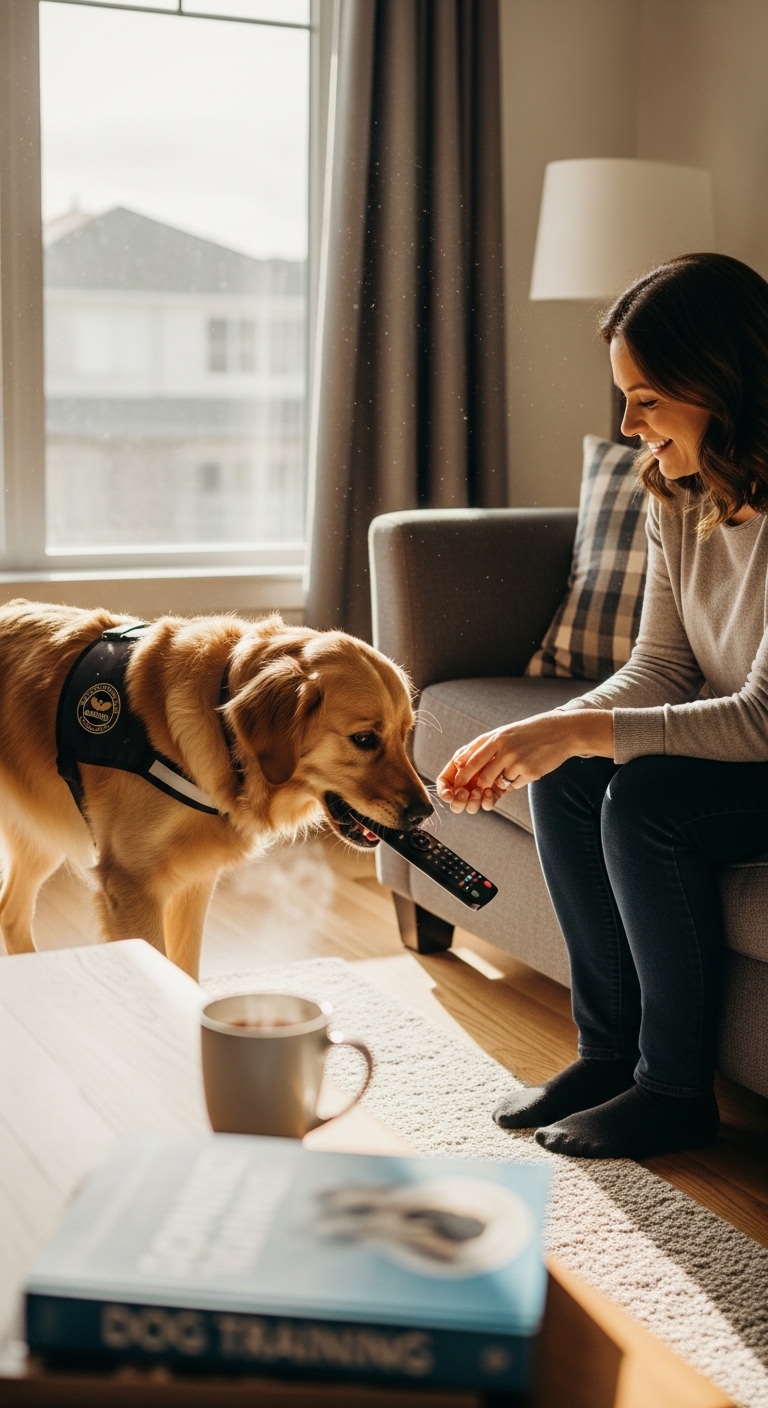
Do dogs see better in the dark than humans? Many pet owners wonder this when their pup navigates the house at night or seems to spot a squirrel in the backyard after sunset. Understanding how dogs see in low light can help you create a safer environment for them and even explain some of their quirky nighttime behaviors.
I’ve noticed my own dog, a rescue with some vision changes, moves differently in the evening. Small adjustments like leaving a nightlight on or clearing clutter from the hallway made a noticeable difference in her confidence after dark.
Key Things to Understand
- Dogs have more rod cells in their eyes than humans: which helps them see better in low light
- Their night vision isn’t as sharp as a cat’s: but still gives them an advantage over humans
- Dogs rely heavily on scent and sound when vision is limited: not just sight alone
- Some breeds with flatter faces (like bulldogs): may struggle more in darkness than those with longer snouts
- Changes in nighttime behavior: could signal vision problems or other health issues
What to Look For
Pay attention to how your dog moves around the house after dark. If they’re bumping into furniture more often or hesitating at doorways, it might not just be clumsiness: it could be a sign their night vision isn’t what it used to be. Notice whether they follow scents more closely at night or seem more reactive to sounds, as these are ways they compensate for limited visibility. Watch for changes in their pupil size in different lighting: overly dilated pupils in dim settings could indicate an issue. Also observe their interaction with toys or treats at night. If they’re less interested than usual, it might not be about the treat itself but how well they can see it.
I once had a client whose older dog started walking into walls at night. Turns out it wasn’t just old age: it was cataracts developing. Catching that early made a big difference in her quality of life. Many pet owners assume nighttime clumsiness is normal aging, but it’s worth checking with your vet.
Nighttime Routines for Better Vision
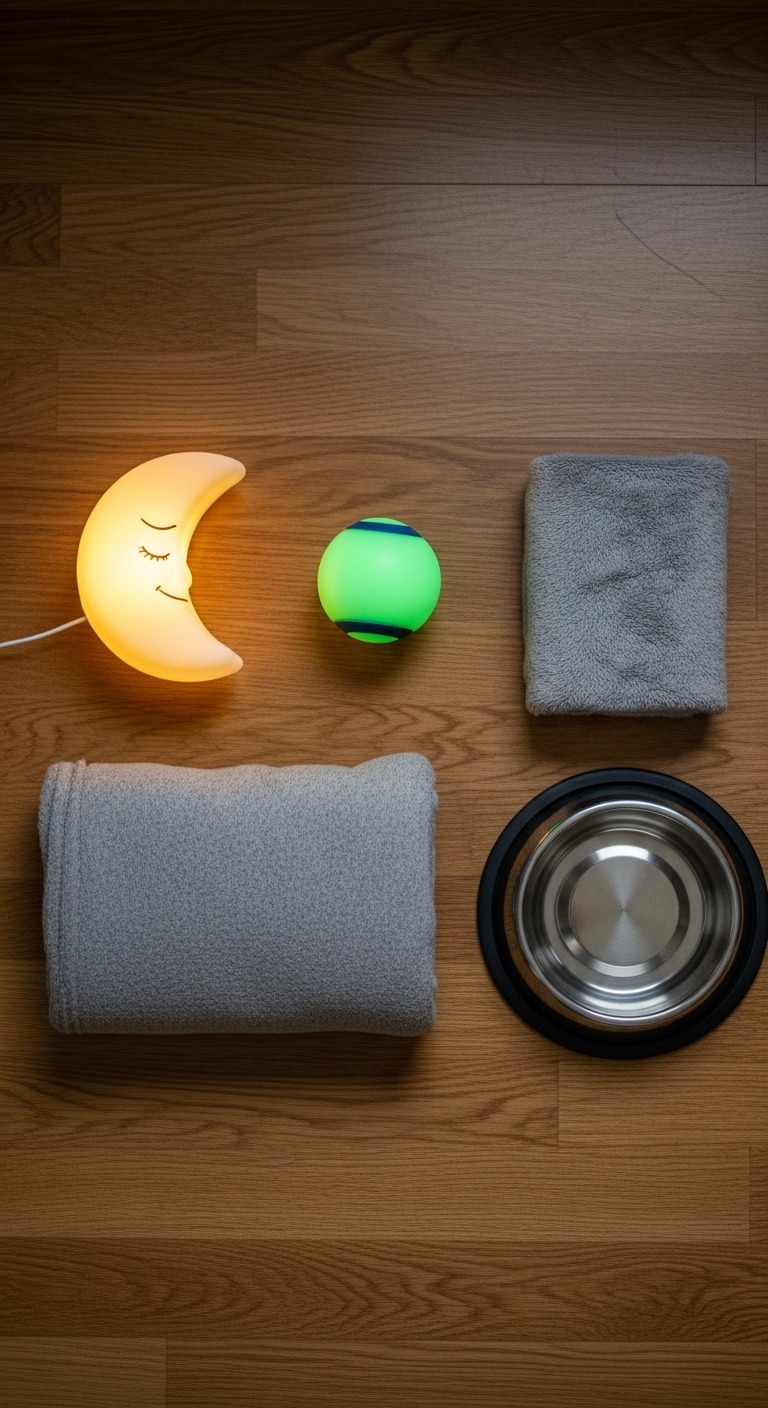
If your dog seems less confident after dark, try keeping a consistent evening routine. A short walk before bedtime helps them burn off energy and might make nighttime potty breaks easier. Consider adding reflective gear to their collar or leash for walks, as this can help you spot them better in the dark while also making them more visible to others. For indoor spaces, a simple nightlight in hallways or near their bed can reduce disorientation.
Breed Differences in Night Vision
Some breeds naturally handle darkness better than others. Sighthounds like Greyhounds have excellent night vision due to their history as hunting dogs. Breeds with flatter faces, such as Pugs or Bulldogs, often struggle more because their eye structure doesn’t allow as much light in. If you have one of these breeds, you might need to make more adjustments to your home setup.
When to Worry About Vision Changes
If your dog starts bumping into things during the day too, or if their pupils don’t respond normally to light changes, it’s time for a vet check. Other red flags include reluctance to go into dark rooms or sudden changes in how they play with toys. These signs often appear before more obvious vision loss sets in.
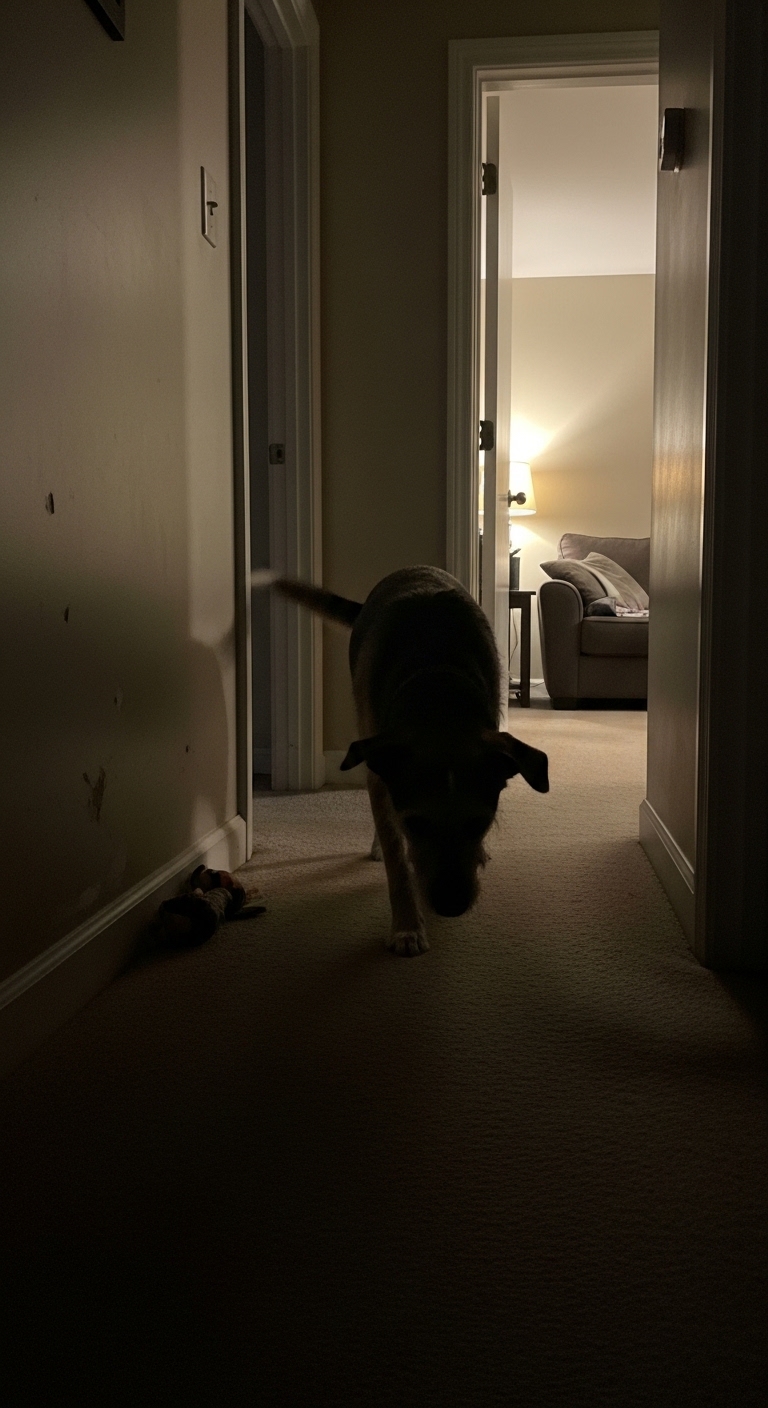
Understanding your dog’s night vision can improve their safety and comfort.
Frequently Asked Questions
- → Can dogs see in complete darkness?
No, dogs cannot see in complete darkness just like humans. While their night vision is excellent, they still need some ambient light to see clearly. In total darkness, they rely on their other senses like smell and hearing to navigate.
- → What colors can dogs see at night?
Dogs primarily see in shades of blue and yellow at night due to their limited cone cells. They cannot distinguish red or green colors, and their vision appears more muted compared to humans during low-light conditions.
- → How does a dog's night vision compare to a human's?
Dogs have significantly better night vision than humans, estimated to be 4-8 times more effective. Their eyes are designed to capture more light, and the tapetum lucidum reflects light back through the retina, giving them superior low-light performance.
- → Why do dogs' eyes glow in the dark?
The glowing effect, known as eyeshine, comes from the tapetum lucidum—a reflective layer behind the retina. This layer bounces light back through the retina, enhancing night vision, and creates the characteristic glow when light hits the eyes in the dark.
- → Can dogs see better than cats at night?
While both dogs and cats have excellent night vision, cats generally have slightly better low-light capabilities due to larger pupils and a more developed tapetum lucidum. However, dogs still outperform humans significantly in night vision tasks.
- → Do dogs need night lights to see better?
Dogs don't require night lights to see, as their night vision is naturally superior to humans'. However, a small amount of ambient light can help them navigate more comfortably in unfamiliar environments, especially if they're adjusting to new spaces.