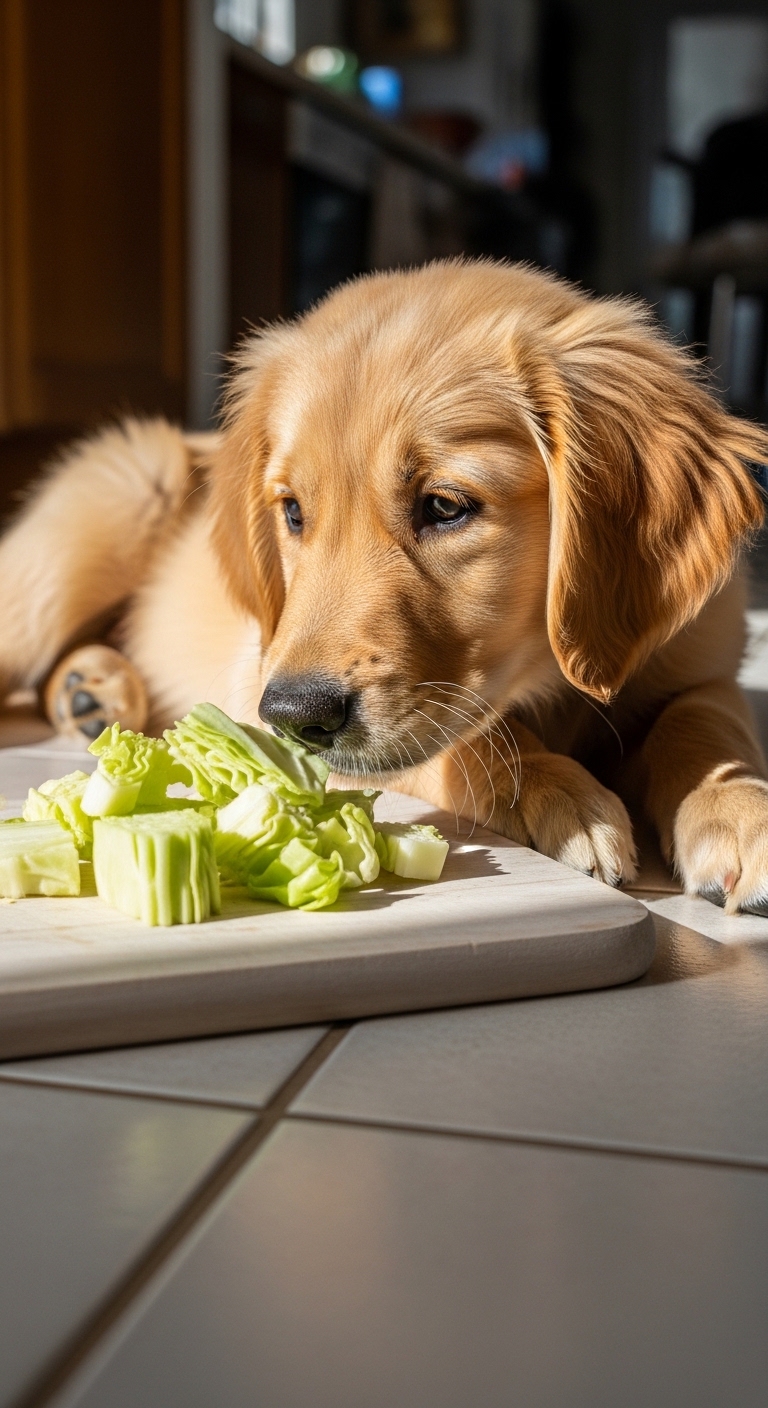
Can dogs have avocados? It’s a question many pet owners ask, especially when sharing meals or considering healthy snacks for their furry friends. While avocados are packed with nutrients for humans, their safety for dogs isn’t as straightforward. The creamy texture and rich flavor might seem tempting, but certain parts of the avocado can pose risks. Understanding the facts can help you make the best choice for your dog’s diet without unnecessary worry.
I remember when my neighbor gave her golden retriever a small piece of avocado, thinking it was harmless. Within hours, the dog showed signs of discomfort, which turned out to be a mild reaction to the pit. That moment taught me how important it is to double-check even the most trusted human foods before sharing them with pets.
Key Things to Understand
- Avocados contain persin: a compound that can be toxic to dogs in large amounts
- The pit is a major choking hazard: and can cause intestinal blockages
- The skin is tough to digest: and may lead to stomach upset
- Small amounts of ripe avocado flesh: are generally safe for most dogs
- Some dogs may have sensitivities: even to small portions
What to Look For
When considering avocados for your dog, pay attention to how their body reacts. Start with a tiny piece of ripe flesh, no larger than a pea, and observe for 24 hours. Watch for signs like vomiting, diarrhea, or lethargy, which could indicate a sensitivity. If your dog has never eaten avocado before, introduce it slowly and in moderation. Also, check the texture: overripe avocados can be too soft and may ferment in the stomach, causing discomfort. If your dog shows any unusual behavior after eating avocado, contact your vet immediately.
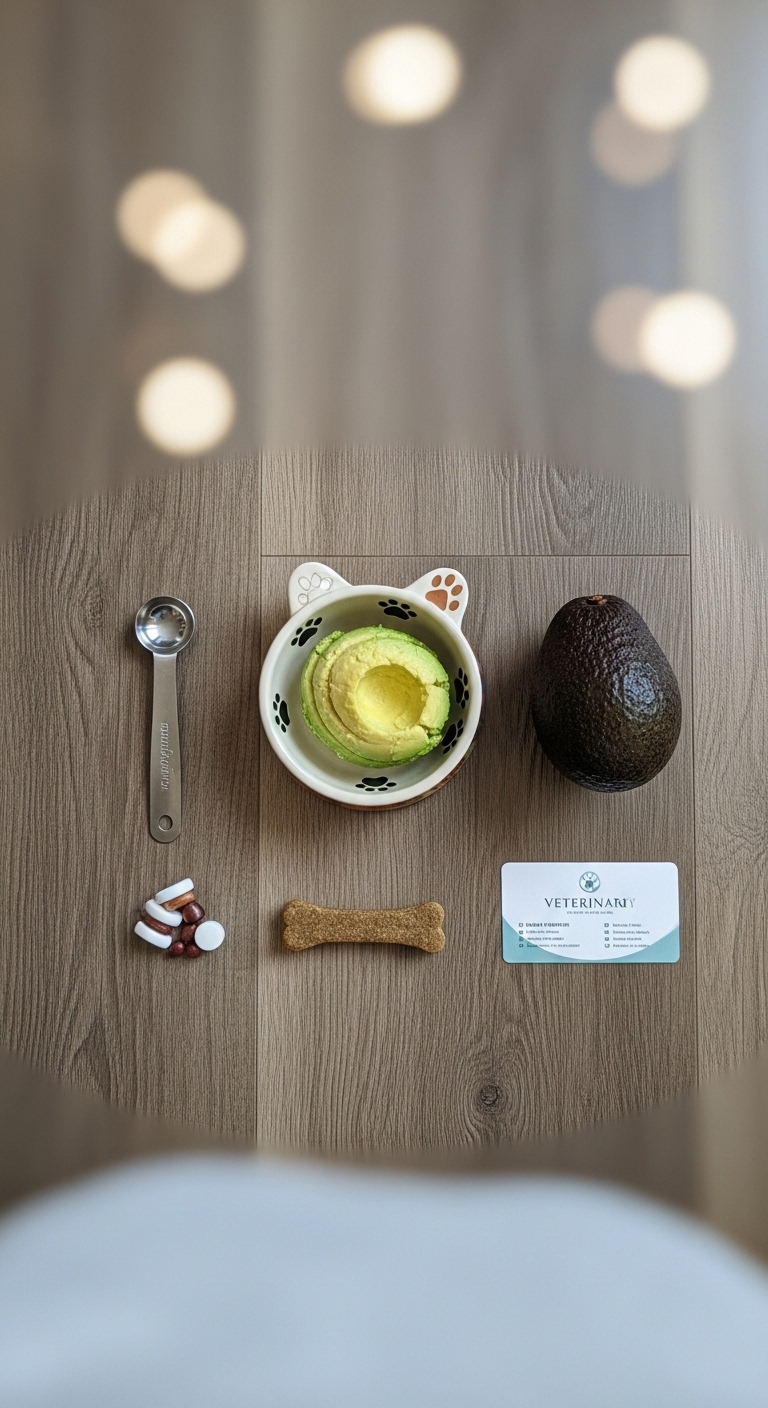
I once saw a dog owner give their bulldog a whole avocado half, assuming it was fine because the flesh looked harmless. The dog ended up needing emergency surgery to remove the pit from its intestines. It’s a harsh reminder that even “natural” foods can be dangerous if not given carefully.
Daily care habits
If you’re unsure about avocados, stick to dog-safe fruits like apples or blueberries instead. These options provide similar nutrients without the risks. Always remove seeds and cores, as they can also be hazardous. Introduce new foods gradually to monitor your dog’s reaction, and keep a food journal to track what they tolerate best.
Choosing the right product
When buying dog treats or snacks, look for options that list avocado as an ingredient only if it’s in small, controlled amounts. Avoid products with avocado pits or skins, as these can be harmful. If you’re making homemade dog treats, use avocado sparingly and always remove the pit and skin first.
Safety and comfort
Keep avocados and other human foods out of reach to prevent accidental ingestion. If your dog sneaks a bite, watch for symptoms like vomiting or diarrhea for the next day. Store avocados in a high cabinet or fridge where your dog can’t access them. If your dog has a history of digestive issues, it’s best to avoid avocados altogether.
Common mistakes to avoid
Don’t assume all parts of the avocado are safe just because the flesh seems harmless. Never feed your dog guacamole, as it often contains onions, garlic, and spices that are toxic to pets. Avoid giving avocado to dogs with weight problems, as the high fat content can contribute to obesity.
Cleaning and hygiene
If your dog gets avocado on their fur, clean it off immediately to prevent them from licking it off and ingesting it. Use a damp cloth to wipe away any residue, and bathe them if needed. Keeping your dog’s eating area clean can also help avoid accidental snacking on unsafe foods.
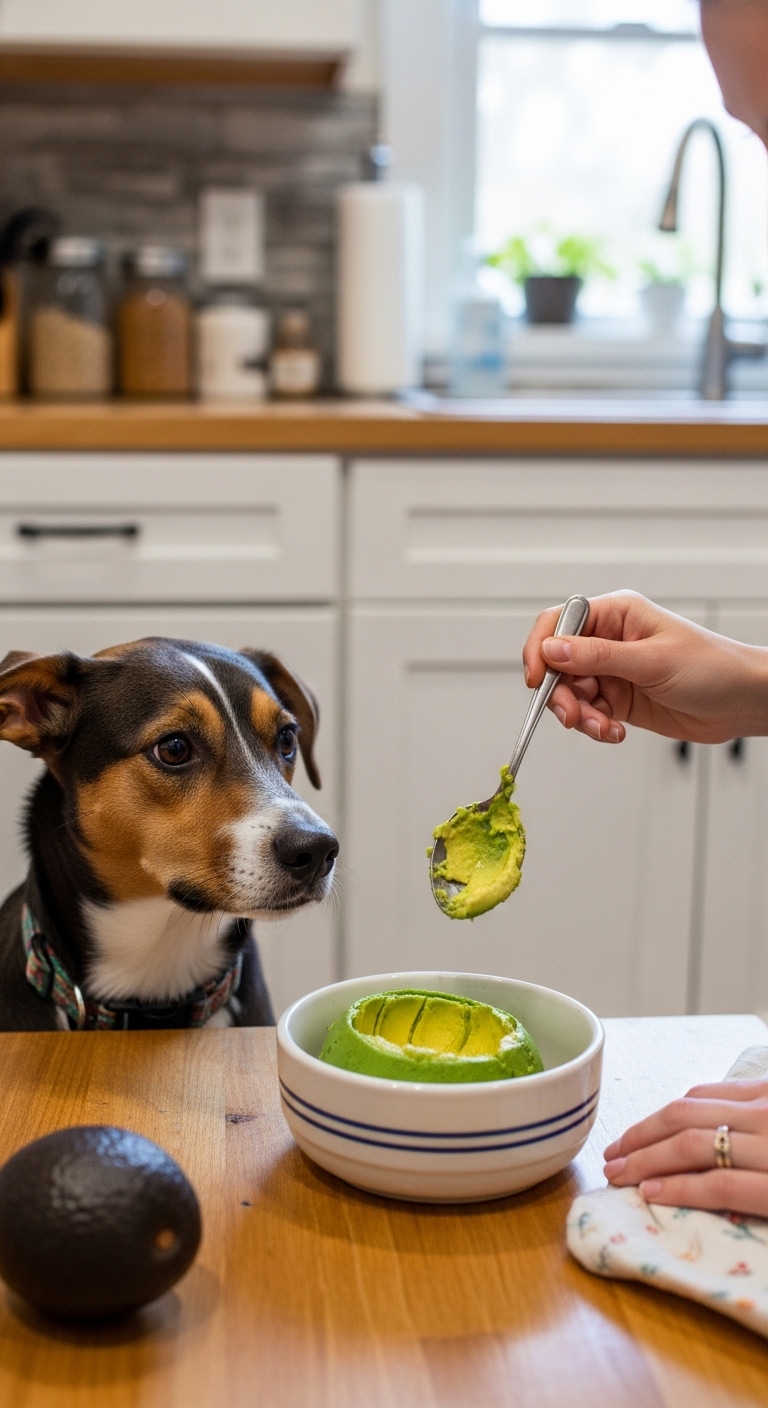
Always prioritize your dog’s safety by researching new foods thoroughly before sharing them.
Frequently Asked Questions
- → Can dogs eat avocado flesh safely?
Avocado flesh contains less persin than other parts, but it’s still risky in large quantities. Small amounts may not harm healthy dogs, but it’s best to avoid it entirely due to potential toxicity and high fat content.
- → What happens if a dog eats avocado pit?
The pit is a major choking hazard and can cause intestinal blockages, requiring emergency surgery. Always keep avocados out of reach to prevent accidental ingestion.
- → Are avocado leaves toxic to dogs?
Yes, avocado leaves contain persin in higher concentrations and can cause severe reactions, including vomiting and diarrhea. Keep your dog away from avocado plants entirely.
- → What are safe alternatives to avocados for dogs?
Healthier options include apples (without seeds), bananas, blueberries, carrots, and green beans. Always introduce new foods gradually and in moderation.
- → How much avocado is toxic to a dog?
There’s no safe threshold, as reactions vary by dog size and sensitivity. Even small amounts can cause issues, so it’s best to avoid avocados altogether for your pet’s safety.
- → What symptoms indicate avocado poisoning in dogs?
Watch for vomiting, diarrhea, lethargy, or difficulty breathing. These signs warrant immediate veterinary attention to prevent complications.