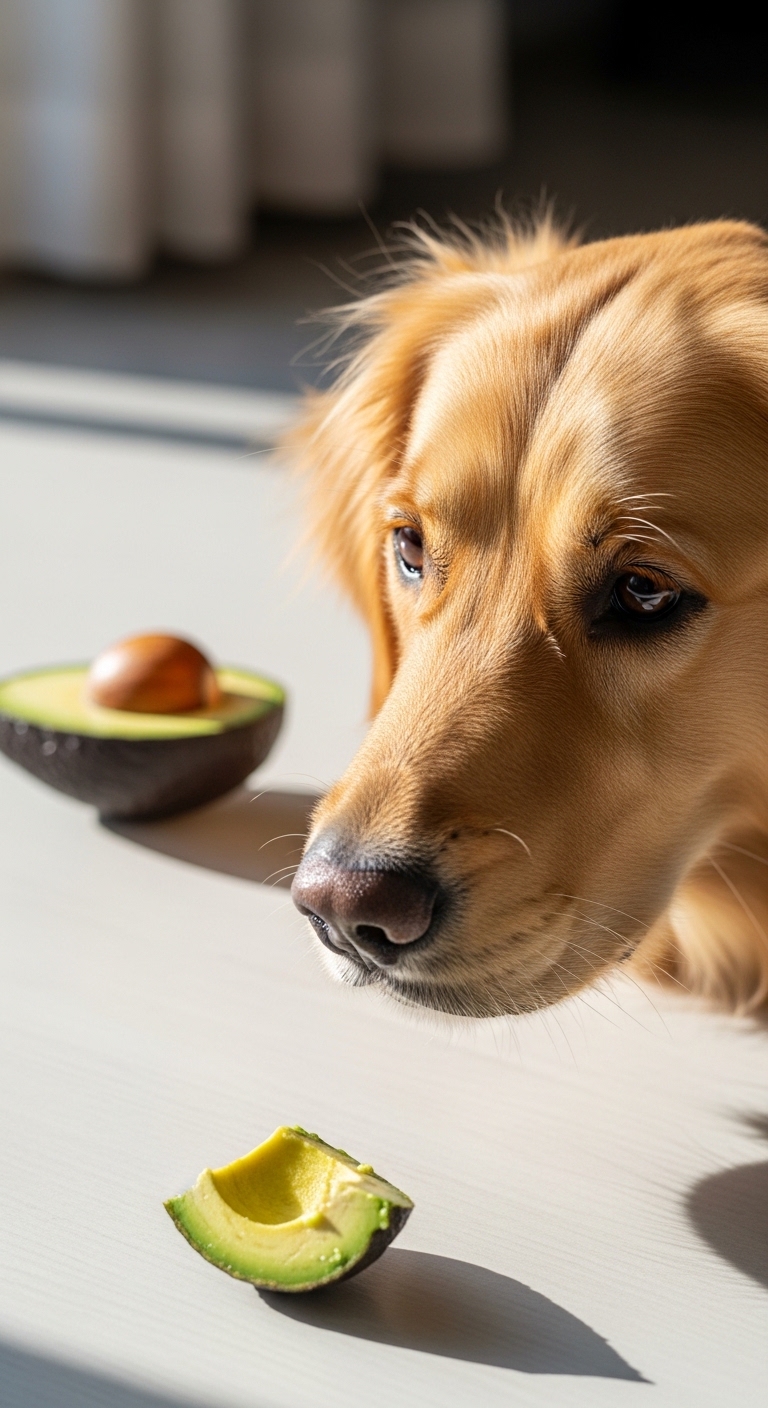
Can dogs have lemon? It’s a question many pet owners ask when they’re enjoying a refreshing slice or wondering if their pup can share in the tangy treat. Lemons are a common ingredient in human food, but their safety for dogs isn’t always clear. Before tossing a lemon wedge your dog’s way, it’s worth understanding the risks and potential benefits to keep your furry friend safe and healthy.
Lemons might seem harmless, but they contain compounds that can be toxic to dogs. Many pet owners don’t realize that even small amounts could lead to discomfort or more serious health issues. Knowing what to avoid helps prevent accidental poisoning and keeps mealtime safe.
I remember once seeing a friend give their dog a tiny piece of lemon peel as a joke, only to spend the next hour watching their pup pace nervously. It was a good reminder that even small amounts can cause trouble.
Key Things to Understand
- Lemons contain citric acid: which can upset a dog’s stomach
- The peel and seeds are especially risky: because they’re harder to digest
- Even small amounts of lemon juice or pulp: can cause vomiting or diarrhea
- Some dogs may have an allergic reaction: to citrus fruits
- The essential oils in lemon rinds are toxic: and can lead to poisoning
What to Look For
Watch for signs that your dog has eaten lemon, such as drooling, vomiting, or diarrhea. If they seem lethargic or lose their appetite, it could mean they’ve ingested too much. Some dogs might paw at their mouth or whine, which are clues they’re uncomfortable. Always check your dog’s food or treats for hidden lemon ingredients, especially in human foods like cakes or drinks.
A common mistake is assuming that because lemons are natural, they’re safe for pets. In reality, their acidity and essential oils make them risky. I once had a client whose dog raided a fruit basket and ate a whole lemon, thankfully, they caught it early and the vet confirmed no lasting harm, but it was a close call.
Why Citrus Can Be Risky for Dogs
Citrus fruits like lemons contain compounds that dogs’ digestive systems aren’t equipped to handle. The high acidity can irritate their stomach lining, leading to discomfort or more serious issues. Even the peels, which are tougher to digest, can cause blockages if swallowed. While a tiny amount might not harm a large dog, smaller breeds or sensitive pups could react strongly.
Safe Alternatives to Lemon for Dogs
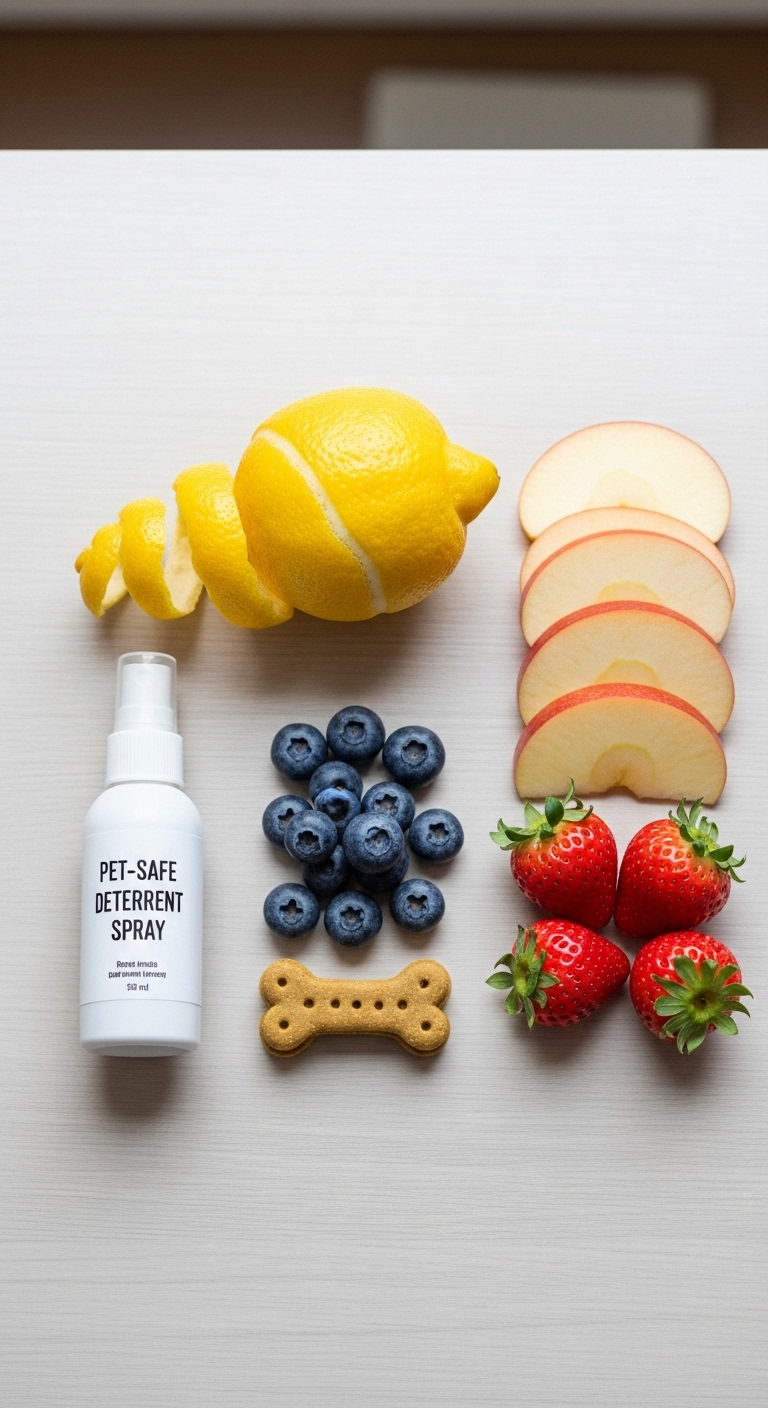
If you want to give your dog a citrusy flavor, consider dog-safe options like a small piece of orange (without the peel or seeds) or a sprinkle of dried citrus peel made specifically for pets. Always introduce new foods slowly and in small amounts to see how your dog reacts. Some dogs enjoy the taste of plain yogurt with a hint of citrus zest, which can be a safer way to satisfy their curiosity.
When to See a Vet
If your dog eats a significant amount of lemon or shows signs like vomiting, diarrhea, or lethargy, don’t wait, contact your vet immediately. Even if symptoms seem mild at first, citrus toxicity can escalate quickly. Keep an eye on their gums and energy levels, as these can be early warning signs of a problem.

Always prioritize your dog’s well-being by staying informed and cautious.
Frequently Asked Questions
- → Is lemon toxic to dogs?
Lemon itself isn’t highly toxic, but its peel, seeds, and oils contain compounds that can cause stomach upset or toxicity in dogs. The citric acid and psoralens in lemons may lead to vomiting, diarrhea, or skin irritation.
- → What happens if a dog eats lemon?
If a dog consumes a small amount of lemon flesh, they may experience mild stomach upset. However, eating the peel or seeds can cause more severe reactions like vomiting, diarrhea, or even pancreatitis due to the high acidity and oils.
- → Can dogs have lemon juice?
Diluted lemon juice in very small amounts is unlikely to harm most dogs, but it’s best avoided. The high acidity can irritate their stomach, and concentrated juice may contain traces of peel or seeds, increasing toxicity risks.
- → What are safe citrus alternatives for dogs?
Safer fruit options include blueberries, apple slices (without seeds), or watermelon (seedless). These provide vitamins without the acidity or toxicity risks associated with lemons.
- → How much lemon is dangerous for dogs?
Even small amounts of lemon peel or seeds can be harmful. The exact toxicity level varies by dog size and sensitivity, but it’s safest to avoid lemons entirely and opt for dog-friendly treats instead.
- → What should I do if my dog eats lemon?
Monitor your dog for signs of distress like vomiting, diarrhea, or lethargy. Contact your vet if symptoms appear, especially if they consumed the peel or seeds. Bring a sample of what they ate for reference.