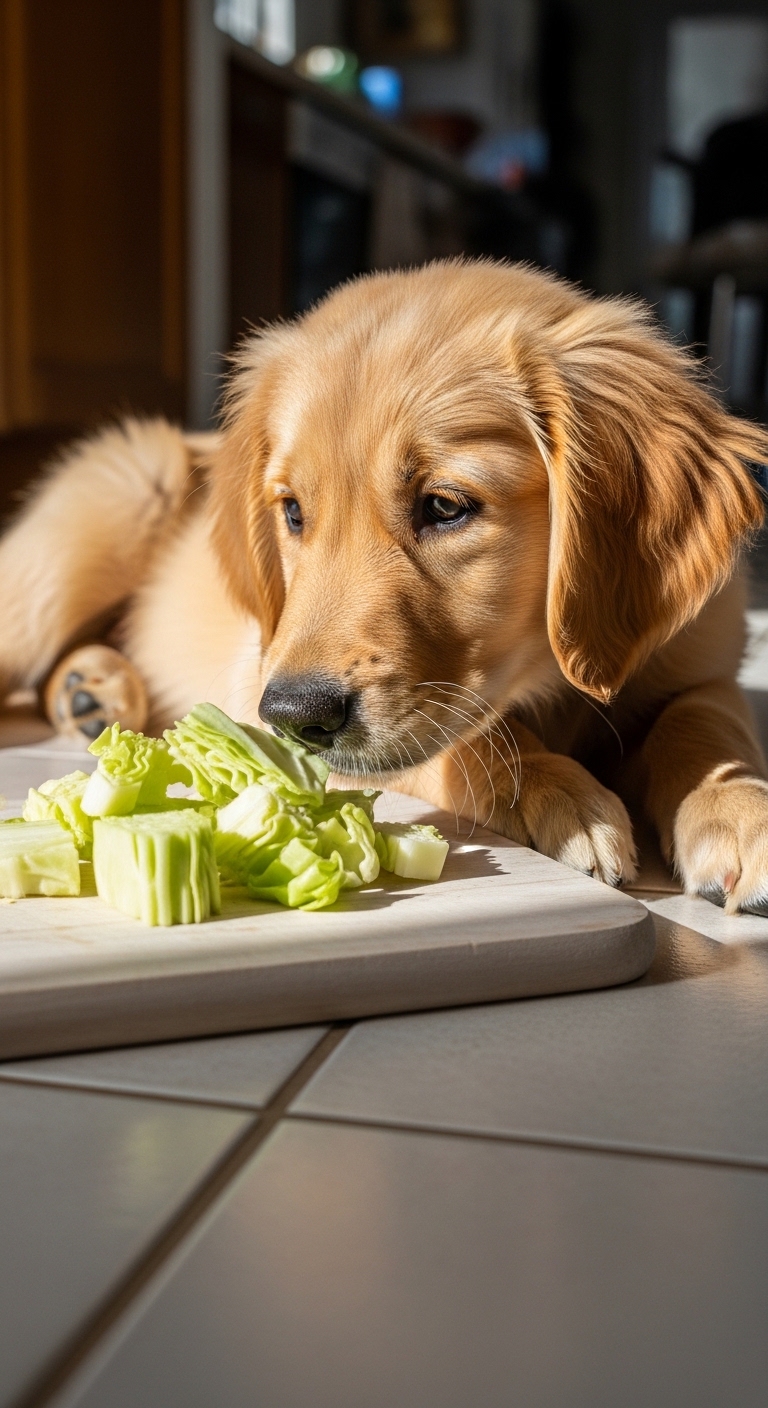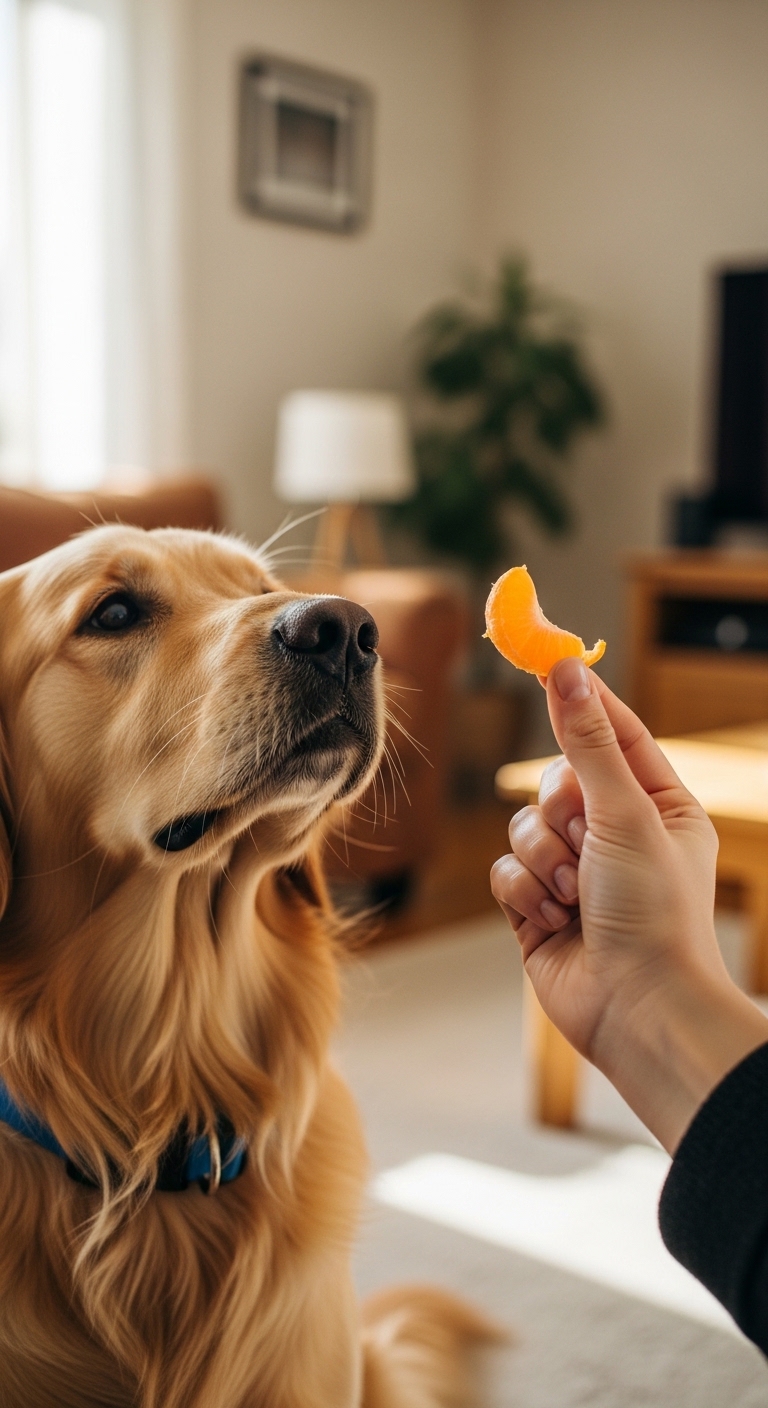
Can dogs have nuts? It’s a question many pet owners ask, especially when sharing snacks or preparing meals at home. Nuts might seem like a harmless treat, but some can be dangerous for dogs, while others are safe in moderation. Knowing which nuts are okay and which to avoid can prevent health issues and keep your dog happy and healthy.
I remember the first time I gave my dog a cashew: it was small, unsalted, and seemed like a good idea. But after researching, I realized even safe nuts should be given sparingly. It’s all about balance and knowing your dog’s limits.
Key Things to Understand
- Macadamia nuts: toxic to dogs and can cause weakness, vomiting, or tremors
- Walnuts and pecans: can pose a choking hazard and may contain toxins that harm dogs
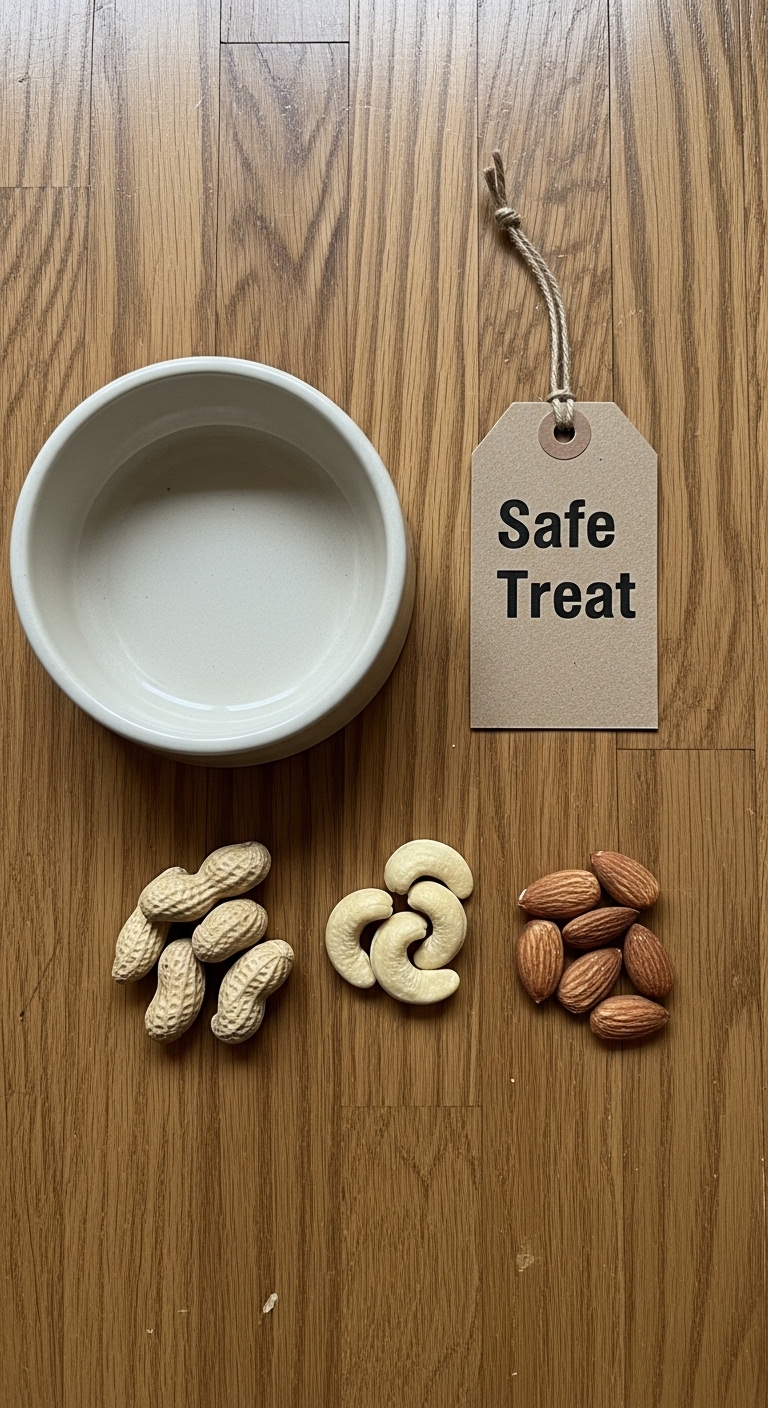
- Peanuts: technically legumes, not nuts, and are safe in small, unsalted amounts
- Almonds: not toxic but can be hard to digest and may cause blockages
- Cashews: safe in moderation but should be plain and unsalted
- Pistachios: generally safe but can be high in fat, so moderation is key
What to Look For
Watch for signs of discomfort after your dog eats nuts, like vomiting, diarrhea, or lethargy. These could indicate an intolerance or toxicity. If your dog has a habit of scavenging, check floors and outdoor areas for dropped nuts, especially during walks or picnics. Some nuts, like almonds or walnuts, can splinter and cause internal damage, so always supervise your dog when introducing new foods. Pay attention to the salt content in nuts: high sodium levels can lead to dehydration or sodium ion poisoning in dogs. If you’re unsure about a specific nut, consult your vet before offering it as a treat.
I once saw a dog owner give their pup a whole peanut butter cookie without realizing it contained xylitol, a sugar substitute that’s deadly to dogs. It’s a reminder that even harmless foods can turn dangerous with hidden ingredients. Always read labels and when in doubt, stick to plain, simple treats.
Daily care habits
If your dog loves treats, consider swapping nuts for dog-safe alternatives like apple slices, carrot sticks, or plain popcorn. These options are crunchy, low-calorie, and much safer. Keep a close eye on your dog’s weight, especially if you’re adding new treats to their diet. Nuts are calorie-dense, and overfeeding can lead to obesity or pancreatitis.
Choosing the right product
When buying commercial dog treats, look for options that mimic nuts in texture or flavor without the risks. Brands often use pumpkin, sweet potato, or peanut butter (xylitol-free) to create safe, nut-like snacks. If you’re making homemade treats, avoid nuts entirely and opt for ingredients like oats, banana, or plain yogurt.
Safety and comfort
Never force nuts on a dog who’s hesitant or shows discomfort. Some dogs have sensitive stomachs, and even safe nuts can cause issues. If your dog has a history of allergies or digestive problems, introduce new foods slowly and watch for reactions. Keep nuts out of reach, especially in households with curious puppies or small dogs prone to choking.
Common mistakes to avoid
Assuming all nuts are safe because some are: always double-check before sharing. Ignoring portion sizes, which can lead to weight gain or stomach upset. Feeding nuts with shells, which can splinter and cause internal damage. Overlooking hidden ingredients in flavored or seasoned nuts.
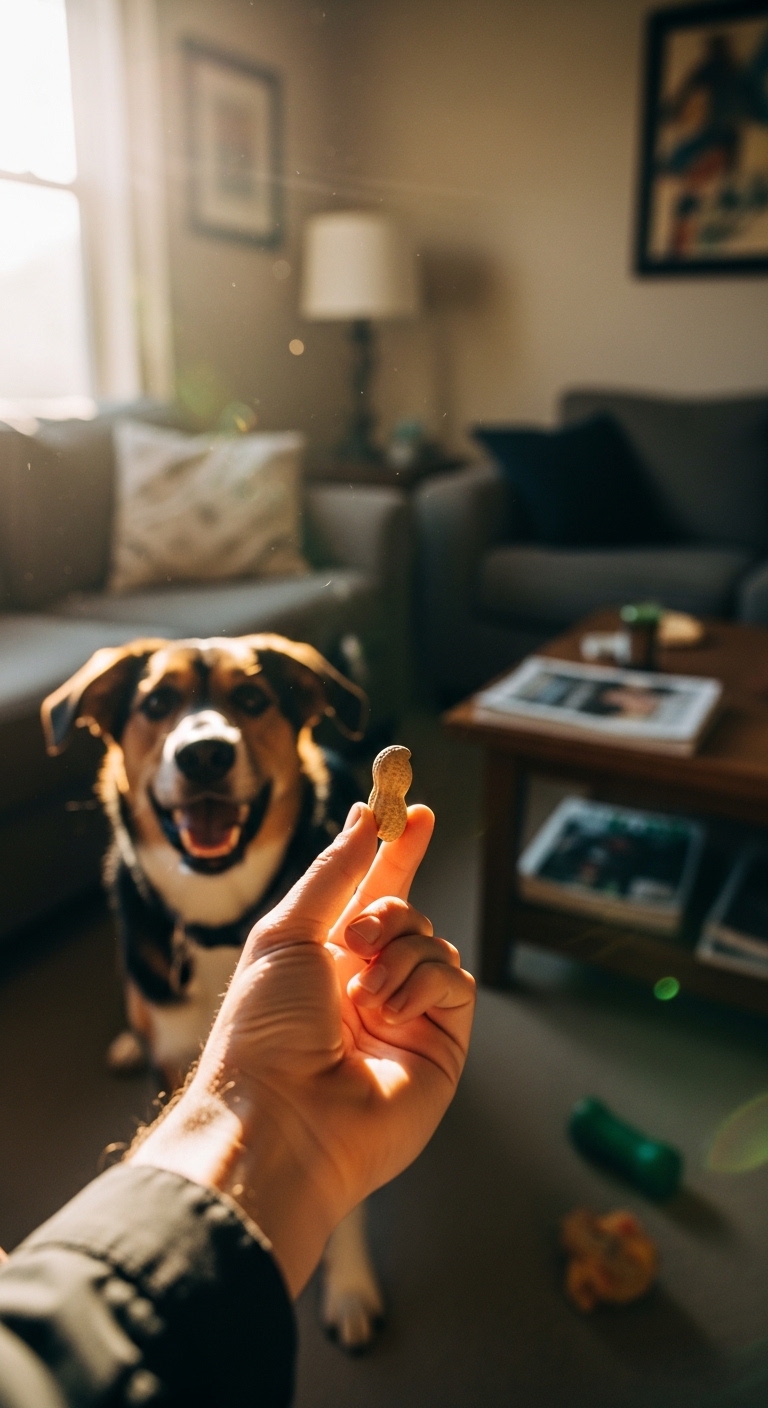
Always prioritize your dog’s safety and well-being when introducing new foods.
Frequently Asked Questions
- → Which nuts are safe for dogs to eat?
Peanuts (unsalted and shelled) are generally safe in moderation. Other safe options include cashews (unsalted and cooked) and hazelnuts (in small amounts). Always introduce new foods gradually and in tiny portions.
- → What nuts are toxic to dogs?
Macadamia nuts are highly toxic and can cause weakness, vomiting, and tremors. Walnuts and pecans may contain mold toxins, leading to seizures or neurological issues. Avoid these entirely.
- → Can dogs eat almonds?
Almonds are not toxic but pose a choking hazard and are hard to digest. They can also cause stomach upset. It’s best to avoid feeding almonds to dogs.
- → How much nuts can I give my dog?
Nuts should only be given as an occasional treat in very small amounts. A few unsalted peanuts or cashews once in a while is sufficient. Overfeeding can lead to digestive issues or obesity.
- → What should I do if my dog eats a toxic nut?
Remove any remaining nuts from their reach and monitor for symptoms like vomiting, lethargy, or tremors. Contact your vet immediately, especially if they consumed macadamia nuts, walnuts, or pecans.
- → Are salted or flavored nuts safe for dogs?
No, salted, flavored, or candied nuts are unsafe due to high sodium content, additives, or xylitol in some seasonings. Stick to plain, unsalted nuts if any, and in minimal amounts.