Can dogs have cabbage? It’s a question that pops up often, especially when you’re trying to add variety to your dog’s diet or sneak in some extra nutrients. Many pet owners wonder if this crunchy, leafy vegetable is safe for their furry friends, and the answer isn’t as simple as yes or no. Cabbage can be a healthy treat in moderation, but there are a few things to keep in mind before sharing it with your pup.
I remember when I first tried giving my dog a small piece of cooked cabbage as a snack. At first, he wasn’t sure about the taste, but after a few tries, he started to enjoy it. It was a fun way to add some variety to his usual treats, and I felt good knowing I was giving him something nutritious.
Key Things to Understand
- Cabbage is safe for dogs in small amounts: but should never replace their regular diet
- Raw cabbage can be hard for dogs to digest: and may cause gas or bloating
- Cooked cabbage is easier on their stomachs: and retains most of its nutrients
- Red and green cabbage are both fine: but avoid savoy cabbage as it’s harder to digest
- Introduce cabbage slowly: to watch for any allergic reactions or digestive issues
What to Look For
Pay attention to how your dog reacts after eating cabbage for the first time. Some dogs might love the crunch and flavor, while others could turn their nose up at it. If you notice any signs of discomfort like excessive gas, diarrhea, or vomiting, it’s best to stop feeding it and consult your vet. Also, watch for any unusual behavior that might indicate an allergy, such as itching or swelling. When choosing cabbage for your dog, go for fresh, organic options whenever possible. Avoid cabbage that looks wilted, discolored, or has a strong odor, as these could be signs of spoilage. If you’re using cooked cabbage, make sure it’s plain and hasn’t been seasoned with onions, garlic, or other ingredients that are toxic to dogs.
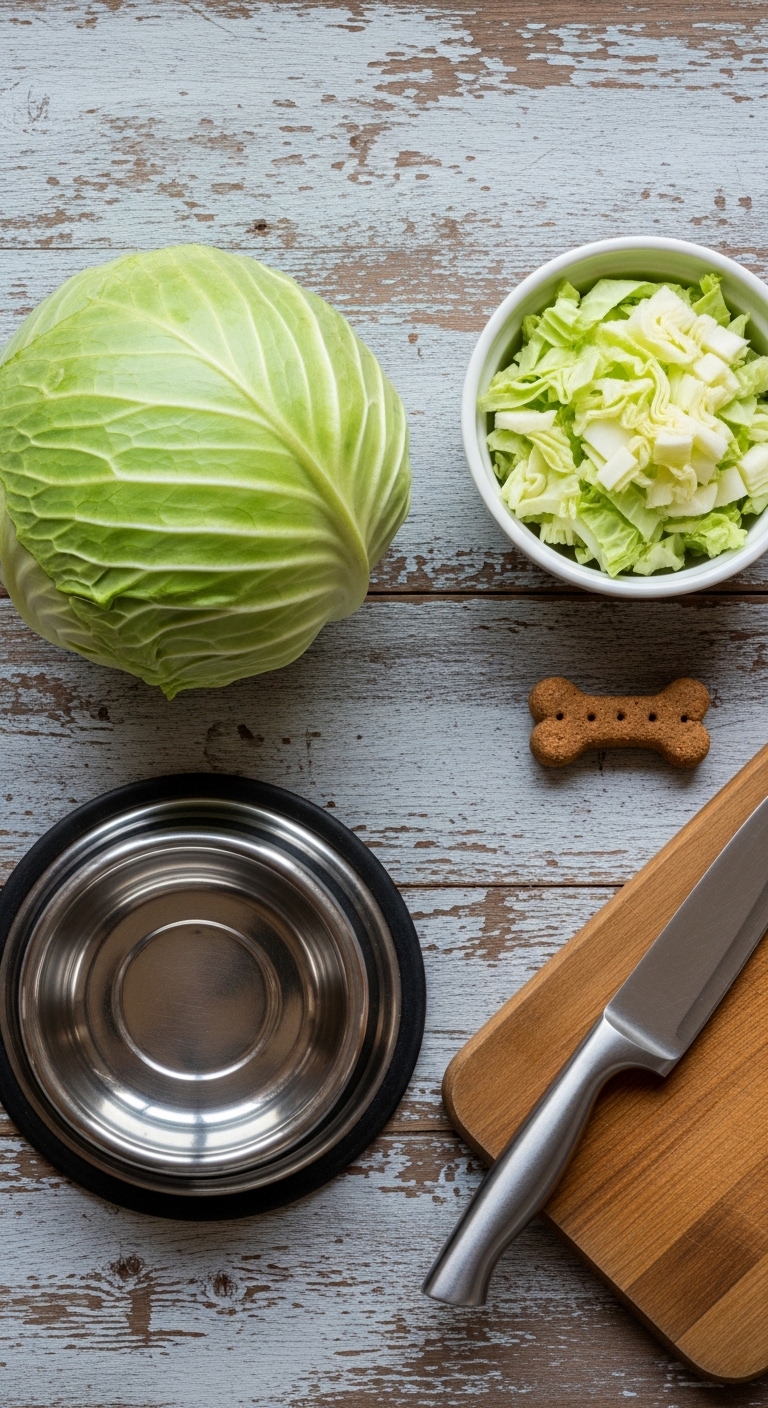
A common mistake is assuming all vegetables are safe for dogs just because they’re natural. While cabbage is generally fine, some dogs might still struggle with it, especially if they have a sensitive stomach. Another thing to watch out for is portion size: too much cabbage at once can lead to gas or diarrhea, which is no fun for either of you. Feeding cabbage in moderation is key. Think of it as an occasional treat rather than a daily staple. If your dog enjoys it and tolerates it well, you can include it in their diet every now and then. But if you notice any negative reactions, it’s best to skip it and try something else.
Other Healthy Veggie Options
If you’re looking for other healthy veggie options for your dog, leafy greens like spinach or kale can also be great choices. Just like with cabbage, introduce them slowly and in small amounts to avoid any digestive upset. Every dog is different, so what works for one might not work for another.
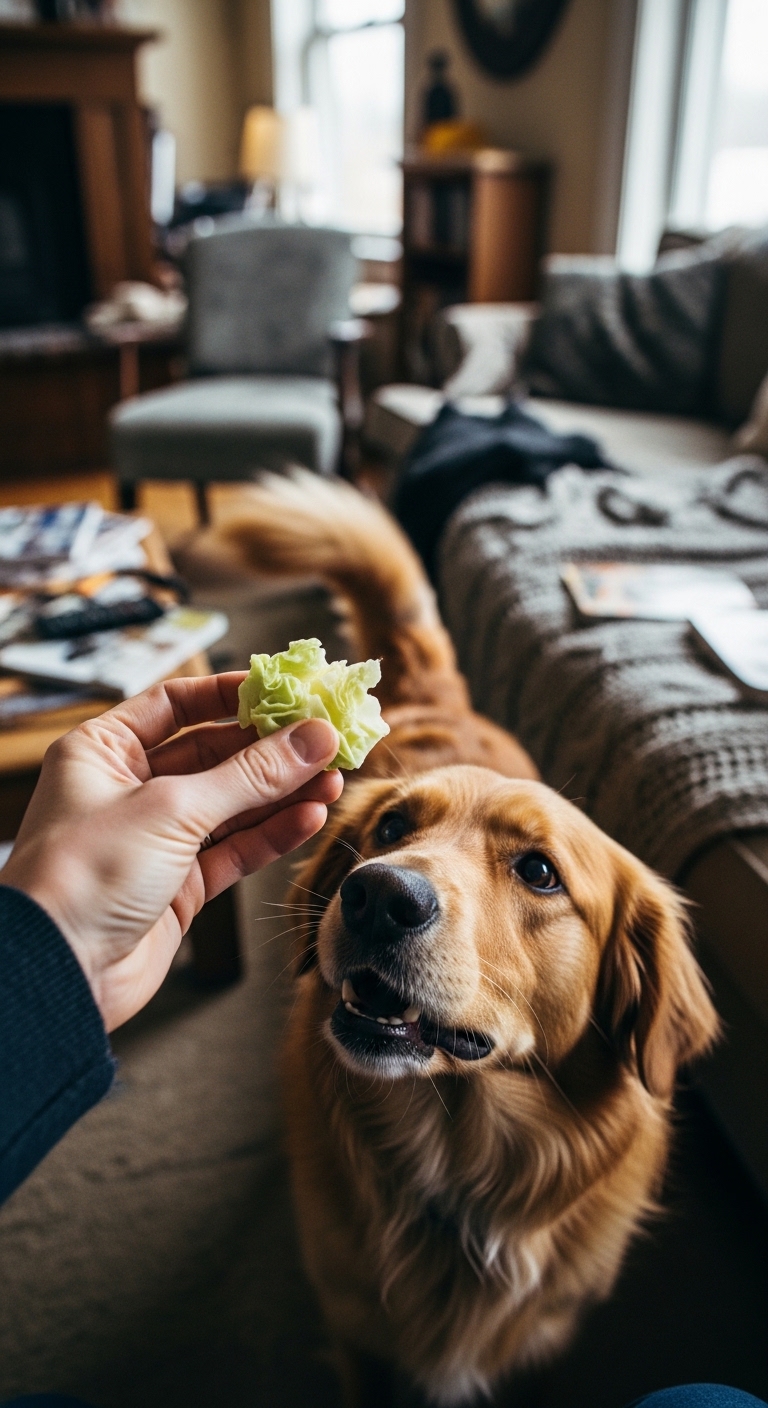
Cabbage isn’t just a human food: it can be a fun and nutritious addition to your dog’s diet when done right. Many dogs enjoy the taste, and it’s packed with vitamins and fiber that can support their health.
Frequently Asked Questions
- → Is cabbage safe for all dogs?
Most dogs can eat cabbage safely in moderation. However, dogs with thyroid issues or digestive sensitivities should avoid it. Always introduce new foods slowly and consult your vet if unsure.
- → How should I prepare cabbage for my dog?
Wash cabbage thoroughly to remove pesticides. Serve it cooked or steamed to improve digestibility and prevent choking. Avoid adding salt, spices, or oils.
- → Can cabbage help with my dog’s digestion?
Yes! Cabbage is high in fiber, which aids digestion and can help regulate bowel movements. It’s also low in calories, making it a great treat for overweight dogs.
- → How much cabbage can I give my dog?
Start with small amounts, such as a few finely chopped leaves, and monitor for any adverse reactions. For small dogs, a teaspoon is plenty; larger breeds can have up to a tablespoon.
- → What are the risks of feeding cabbage to dogs?
Overfeeding may cause gas, bloating, or diarrhea. Cabbage contains goitrogens, which can affect thyroid function in large quantities. Always serve in moderation and consult your vet.
- → Can puppies eat cabbage?
Puppies can eat cabbage in small amounts, but it should be cooked and finely chopped. Introduce it gradually to avoid digestive upset and ensure it doesn’t replace their balanced puppy food.