Why dogs hide food is one of those behaviors that can puzzle even the most experienced pet owners. You might come home to find your dog has stashed kibble under the couch or buried a treat in the backyard, leaving you wondering what’s going on in their mind. This isn’t just random mischief: it’s rooted in instinct and survival behaviors that dogs have carried over from their wild ancestors. Understanding why dogs do this can help you respond in a way that supports their natural tendencies while keeping their habits manageable.
I’ve seen dogs hide food even when their bowl is always full. It’s not about hunger: it’s about instinct, and once you see it that way, their actions make a lot more sense.
Key Things to Understand
- Instinctual behavior: Dogs hide food because it’s an instinct left over from their ancestors who needed to store food for later
- Environmental influence: This behavior is more common in dogs that grew up in competitive or resource-scarce environments
- Enjoyment factor: Some dogs hide food simply because they enjoy the act of burying or stashing, even if they never return to it
- Anxiety indicator: Hiding food can also be a sign of food anxiety or insecurity, especially in dogs with uncertain feeding routines
- When to adjust: If your dog hides food excessively or shows signs of stress around meals, it might be worth adjusting their environment or feeding schedule
What to Look For
Watch for patterns in when and where your dog hides food. Some dogs prefer soft surfaces like carpets or beds to bury their stash, while others might choose quiet corners or under furniture. Notice if they dig or paw at the ground before hiding the food: this mimics the burying behavior wild dogs use to protect their food from scavengers. Pay attention to their body language too. A dog that freezes or looks around nervously while hiding food may be doing it out of anxiety rather than pure instinct.
Another thing to observe is whether your dog actually returns to the hidden food later. Many dogs forget where they’ve stashed it, which can lead to stale or spoiled food lying around your home. If you notice your dog searching frantically for their hidden treats, it might indicate they’re not confident about regular meal times. This is especially common in dogs that were adopted or came from shelters, where food wasn’t always guaranteed.
I once had a client whose dog hid entire meals under the rug, leaving a trail of kibble that attracted ants every summer. Once we adjusted the feeding routine and provided more consistent meals, the hiding stopped almost completely. It’s amazing how much a small change in routine can make.
Daily care habits
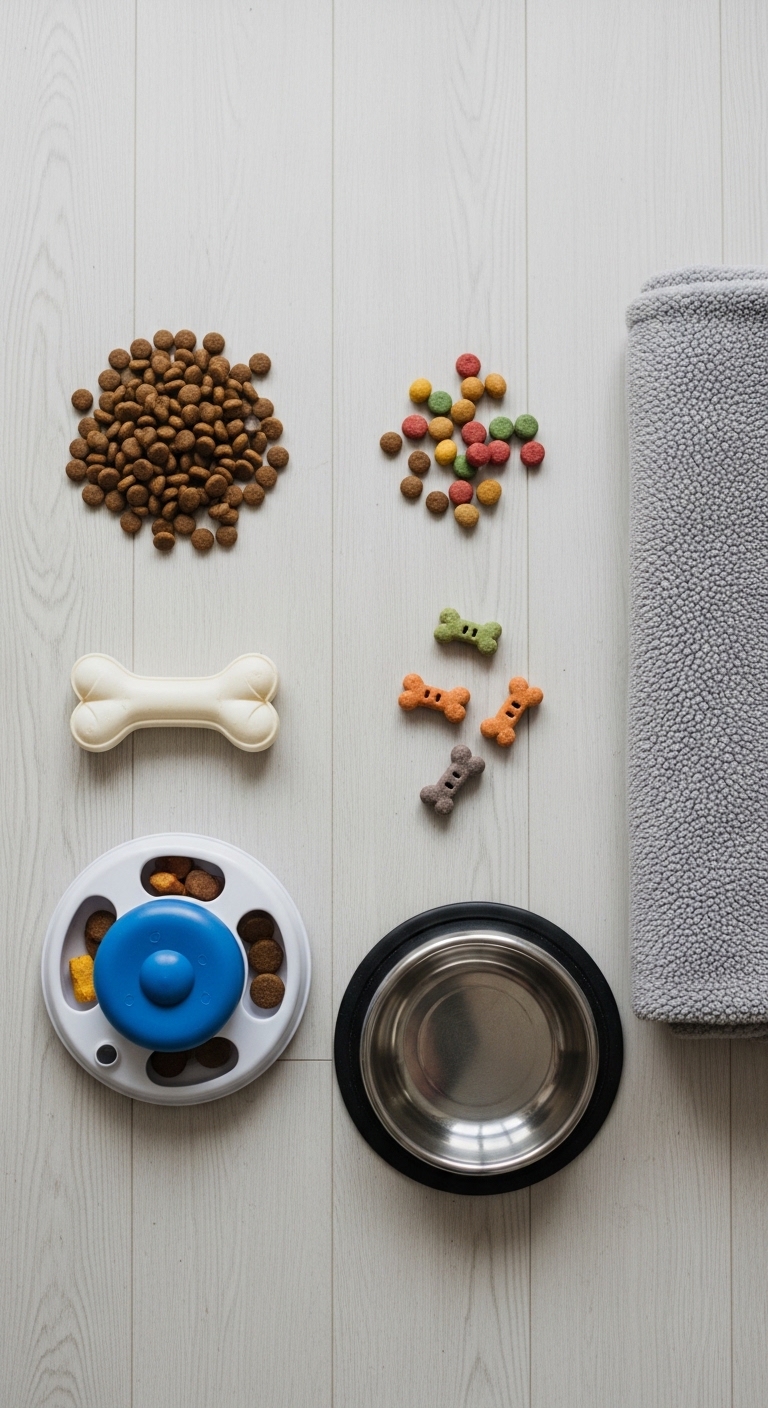
If your dog hides food, try feeding them in a quiet, low-traffic area where they feel secure. This reduces the need to stash food as a way to protect it from perceived threats. You can also use puzzle feeders or slow-feed bowls to make meals last longer, which can satisfy their natural foraging instincts without encouraging messy hiding habits.
Another helpful habit is to establish a regular feeding schedule. Dogs that know when to expect food are less likely to feel the need to hide it for later. If you free-feed (leaving food out all day), consider switching to scheduled meals so your dog learns they’ll always get enough to eat when it’s time.
Safety and comfort
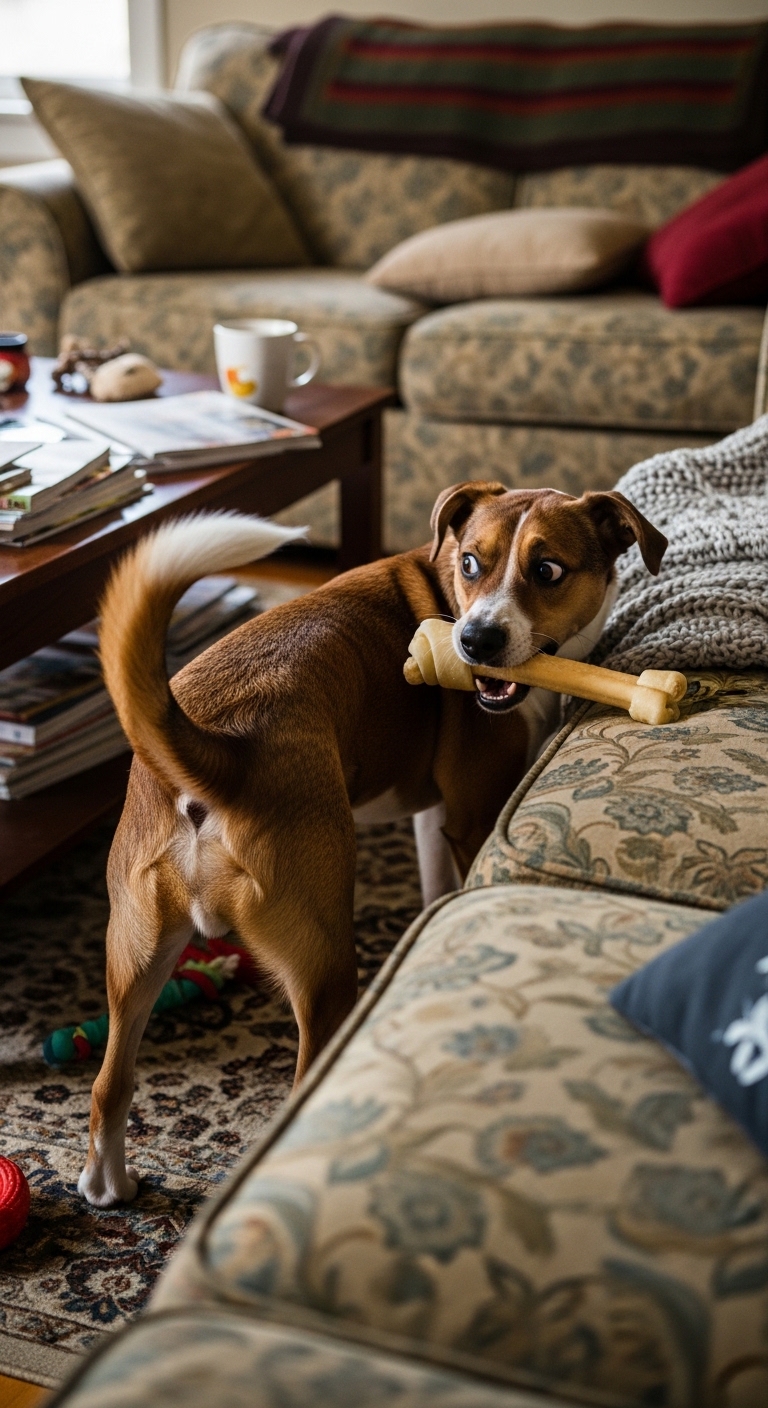
Hidden food can become a problem if it spoils or attracts pests like ants or rodents. Check under furniture, behind curtains, and in other hidden spots regularly to clean up any forgotten stashes. If your dog tends to hide food in soft surfaces like couches or beds, use washable mats or designated hiding spots to make cleanup easier.
For dogs that bury food in the yard, consider creating a designated digging area filled with sand or soft soil. This gives them a safe place to satisfy their instinct without ruining your garden or lawn. Just be mindful of where they dig: avoid areas where they might uncover dangerous objects or chemicals.
Understanding why dogs hide food helps you respond with patience and practical solutions. Small adjustments can make a big difference in their behavior and your home’s cleanliness.
Frequently Asked Questions
- → Is it normal for dogs to hide food?
Yes, many dogs hide food due to natural instincts. This behavior is common and usually harmless, especially in breeds with strong foraging or survival traits.
- → Why does my dog bury food instead of eating it?
Burying food is an ancestral behavior where dogs would hide excess food to save it for later. It’s a sign of their natural instincts to preserve resources.
- → Could hiding food indicate a health problem?
While rare, excessive food hiding could signal stress, anxiety, or even gastrointestinal issues. If your dog suddenly starts hiding food more often, consult a vet.
- → How can I stop my dog from hiding food?
Ensure your dog feels secure while eating by providing a quiet, safe space. Regular feeding schedules and reducing competition with other pets can also help.
- → Do certain dog breeds hide food more than others?
Yes, breeds with strong hunting or foraging instincts, like terriers or dachshunds, may be more prone to hiding food compared to others.
- → Should I be concerned if my dog hides food but doesn’t eat it?
If your dog hides food but doesn’t return to it, it might just be a quirky habit. However, if they seem stressed or refuse food entirely, it’s worth investigating further.