Parvo is one of those scary words that sends shivers down every dog owner’s spine. It’s a highly contagious virus that can turn a playful pup into a seriously ill dog in just a few days. Puppies are especially vulnerable because their immune systems aren’t fully developed, but even adult dogs can get it if they’re unvaccinated or exposed to the virus. The worst part is that parvo spreads through contact with infected dogs or contaminated surfaces, making it hard to avoid once it’s in your area. Understanding how dogs get parvo isn’t just about knowing the science: it’s about protecting your furry friend from a disease that can be life-threatening without quick action.
I’ve seen how quickly this virus can take over a household, and the difference between early awareness and late panic is huge.
Key Things to Understand
- Transmission: Parvo spreads through contact with infected dogs or their waste. The virus can live on surfaces like leashes, bowls, or even your shoes for months.
- High-risk groups: Puppies under six months old are the most at risk, but unvaccinated dogs of any age can catch it.
- Symptoms timeline: Symptoms like vomiting, diarrhea, and lethargy usually appear within 3 to 10 days of exposure.
- Treatment focus: There’s no cure for parvo: treatment focuses on keeping the dog hydrated and managing symptoms until their immune system fights it off.
- Vaccination limits: Vaccination is the best protection, but even vaccinated dogs can get parvo if they’re exposed before their shots are fully effective.
What to Look For
Watch for sudden changes in your dog’s energy or appetite, especially if they’ve been around other dogs recently. Parvo often starts with mild symptoms like a slight loss of interest in food or a little extra sleepiness, which can easily be mistaken for a minor upset stomach. Pay attention to their stool too: if it turns watery, bloody, or has a foul smell, that’s a red flag. Another clue is excessive vomiting, especially if it happens repeatedly or contains bile. If you notice these signs, don’t wait to see if they improve. Parvo progresses fast, and the sooner you act, the better your dog’s chances.
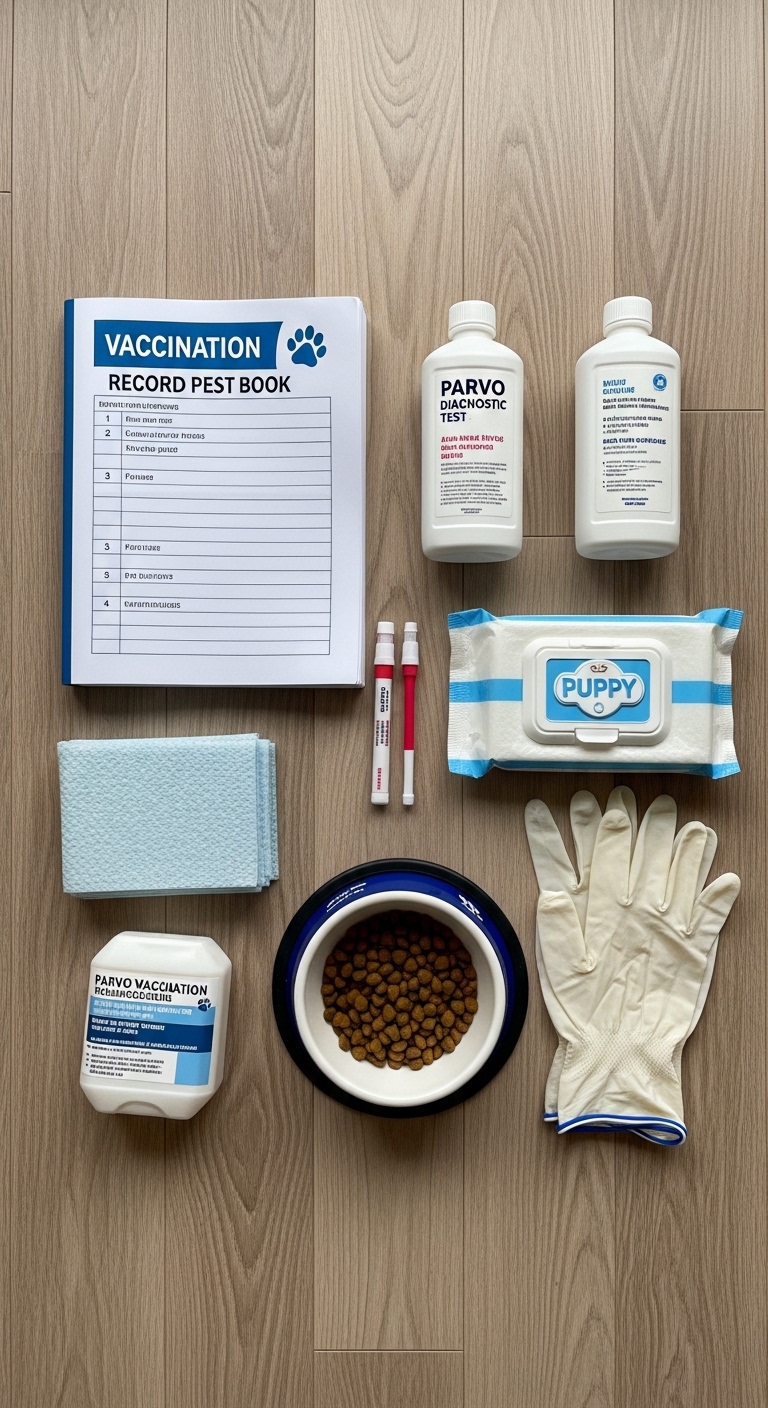
I once thought my backyard was safe because no other dogs visited it, but I forgot about the shoes I wore to the park. Those shoes tracked the virus right to my pup’s food bowl. It’s a harsh lesson, but one that taught me how sneaky parvo can be.
Daily Care Habits
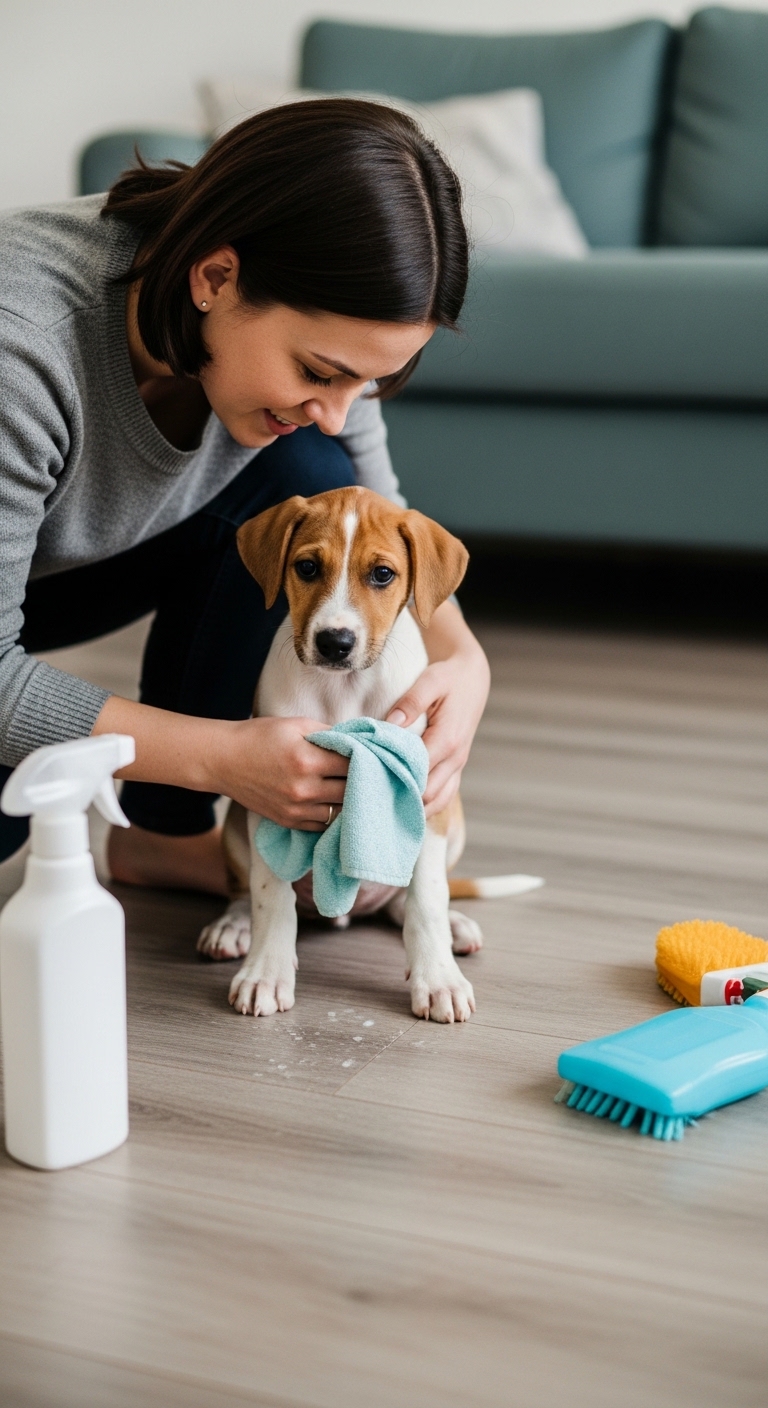
Keep your dog’s living area clean and disinfected regularly. Use bleach-based cleaners or pet-safe disinfectants to kill the virus on surfaces. Wash your hands after petting other dogs, and avoid sharing toys or bowls with dogs you don’t know. If you’ve been around an infected dog, change your clothes and shoes before handling your own pet.
Choosing the Right Product
If you’re using a kennel or daycare, ask about their parvo prevention protocols. Some places require proof of vaccination, while others might use extra disinfectants or limit contact between dogs. Look for facilities that prioritize hygiene over convenience: your dog’s health is worth the extra effort.
Safety and Comfort
If your dog shows early signs of parvo, isolate them immediately to prevent spreading the virus to other pets. Keep them hydrated with small amounts of water or electrolyte solutions, and avoid feeding them until the vomiting stops. A quiet, stress-free environment helps their immune system focus on fighting the infection.
Parvo is a serious threat, but knowledge and preparation can make all the difference in keeping your dog safe.
Frequently Asked Questions
- → How do dogs typically get parvo?
Dogs contract parvo by ingesting the virus, usually through sniffing or licking contaminated feces, surfaces, or objects. The virus enters the body via the mouth and attacks rapidly dividing cells in the intestines, bone marrow, and lymph nodes.
- → Can adult dogs get parvo or just puppies?
While puppies are most susceptible, unvaccinated adult dogs can also contract parvo. Older dogs with weakened immune systems or those never vaccinated are at higher risk of severe infection.
- → How long does parvo live on surfaces?
The parvo virus can survive on surfaces like grass, floors, or kennels for 6-12 months or longer, especially in shaded or moist environments. Disinfecting with bleach solutions is the most effective way to neutralize it.
- → What are the first signs my dog might have parvo?
Early symptoms include sudden vomiting, foul-smelling bloody diarrhea, extreme lethargy, fever, and loss of appetite. If these signs appear, contact a vet immediately as parvo can be fatal without prompt treatment.
- → Is there a cure for parvo once a dog is infected?
There is no direct cure for parvo, but aggressive supportive care—including IV fluids, antibiotics, anti-nausea medication, and nutrition—can help dogs recover. Survival rates improve dramatically with early veterinary intervention and hospitalization.
- → How can I prevent my dog from getting parvo?
Vaccination is the most reliable prevention method. Keep puppies away from public areas like dog parks until fully vaccinated, avoid contact with unvaccinated dogs, and disinfect living spaces regularly. Always wash hands and shoes after handling other dogs.
- → Can parvo spread from dogs to humans?
No, parvo is species-specific and cannot infect humans. However, humans can accidentally transfer the virus on their hands, clothing, or shoes to other dogs, so hygiene is key to preventing spread between pets.