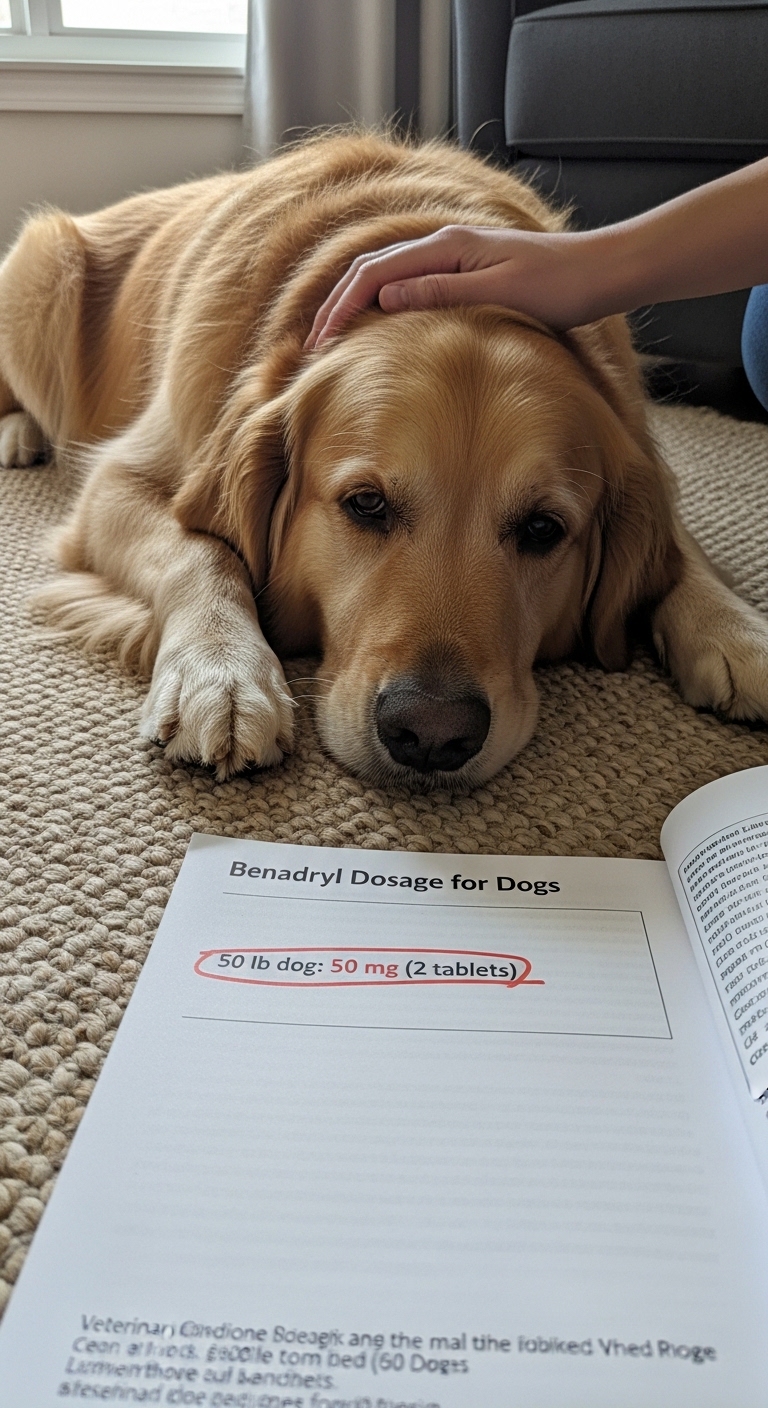
Can dogs take ibuprofen? It’s a question many pet owners ask when their furry friend seems uncomfortable or in pain. Ibuprofen is a common over-the-counter pain reliever for humans, but it can be dangerous for dogs if not used carefully. Knowing the risks and safe alternatives helps keep your pet healthy and avoids serious health issues.
It’s one of those things that feels confusing until you realize how often dogs get into human medications.
Key Things to Understand
- Toxicity risk: Ibuprofen can cause stomach ulcers, kidney failure, and even death in dogs because their bodies process it differently than ours
- Dosage danger: The safe dosage for dogs is much lower than for humans, and even small amounts can be toxic
- Poisoning signs: Common signs of ibuprofen poisoning include vomiting, diarrhea, loss of appetite, and lethargy
- High-risk groups: Some dog breeds or pets with pre-existing conditions are at higher risk for complications
Always check the ingredient list on any medication before giving it to your dog, even if it’s labeled for pets.
What to Look For
Watch for subtle changes in your dog’s behavior after they’ve been near human medications. If they seem quieter than usual, refuse food, or show signs of discomfort like pacing or whining, it could be a reaction to something they ingested. Pay attention to their bathroom habits too: diarrhea or vomiting within a few hours of exposure is a red flag. If you suspect your dog has eaten ibuprofen, don’t wait for symptoms to worsen. Contact your vet immediately, even if it’s just a small amount, because early intervention can make a big difference.
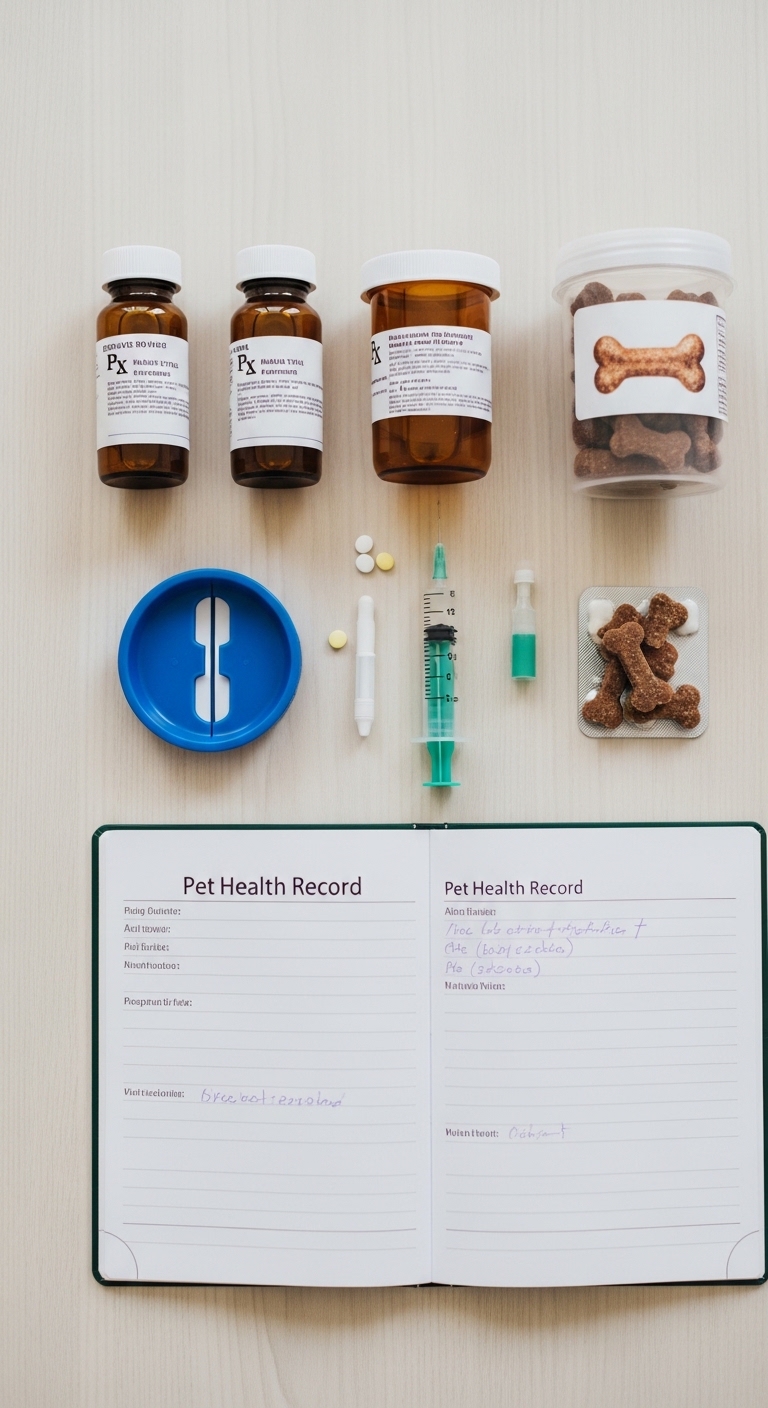
If your dog gets into ibuprofen, act fast: time is critical when it comes to poisoning. A vet’s advice is always the safest route when your dog is in pain. They can recommend pet-specific pain relievers like carprofen or meloxicam, which are designed to be gentle on a dog’s system. These medications require a prescription, but they’re formulated to minimize side effects. Some pet owners try natural options like turmeric or CBD, but these aren’t regulated and may not provide consistent relief. Always discuss any alternative treatments with your vet before trying them.
Safe Pain Management for Dogs
If your dog is prescribed a pain medication, follow the dosage instructions exactly. Giving too much or skipping doses can lead to complications or ineffective treatment. Keep track of when you give the medication and watch for any changes in your dog’s behavior or appetite. If they seem worse after starting the medication, call your vet right away. Pain management isn’t one-size-fits-all, so what works for one dog might not work for another.
Preventing Accidental Ingestion
Preventing accidental ingestion is easier than treating poisoning. Keep all human medications in secure cabinets or high shelves where your dog can’t reach them. Be mindful during travel or when guests visit, as loose pills in purses or bags can be tempting for curious pets. If you drop a pill, pick it up immediately and double-check the area to make sure your dog didn’t sneak a bite. A little caution goes a long way in keeping your pet safe.

Always prioritize your dog’s safety by consulting a vet before giving any medication. Quick action and the right knowledge can prevent serious health risks.
Frequently Asked Questions
- → Why is ibuprofen dangerous for dogs?
Ibuprofen blocks enzymes that protect a dog’s stomach lining, leading to ulcers and internal bleeding. It also damages the kidneys and liver, as dogs cannot process it safely like humans.
- → What should I do if my dog eats ibuprofen?
Contact your vet or an emergency pet poison hotline immediately. Do not induce vomiting unless instructed, as this can worsen the situation depending on the dose ingested.
- → Are there safe pain relievers for dogs?
Yes, but only those prescribed by a vet, such as carprofen, meloxicam, or deracoxib. Never give human medications without professional guidance.
- → How much ibuprofen is toxic to a dog?
Even a single 200mg ibuprofen tablet can be toxic to a small dog (under 25 lbs). Larger dogs may tolerate slightly more, but the risk remains high. Dosage varies by weight and breed.
- → What are signs my dog is in pain?
Common signs include limping, whining, restlessness, loss of appetite, or changes in behavior. Always consult a vet before giving any medication to address pain.
- → Can I give my dog baby aspirin instead?
No. Baby aspirin still contains salicylates, which can cause toxicity in dogs. Always use medications formulated specifically for pets under veterinary supervision.