Cheese might seem like a harmless treat to share with your dog, but it’s not always as simple as it looks. Many pet owners don’t realize that while small amounts of cheese can be fine for some dogs, it can cause real problems for others. Lactose intolerance, fat content, and even hidden ingredients in certain cheeses can turn a well-meaning snack into a trip to the vet. Understanding how cheese fits into your dog’s diet helps you make safer, smarter choices that keep their tail wagging without the risks.
I once gave my neighbor’s dog a tiny piece of cheddar as a reward, only to watch him spend the next hour uncomfortably full and gassy. That moment taught me how even small amounts can vary widely from one dog to the next.
Key Things to Understand
- Lactose intolerance: is common in dogs just like in humans, so many struggle to digest the sugars in cheese
- High fat cheeses: like brie or cream cheese can trigger pancreatitis, especially in smaller or older dogs
- Toxic ingredients: some cheeses contain garlic, onions, or artificial sweeteners that are toxic to dogs
- Portion control: even plain cheddar should be given in very small amounts as an occasional treat, not a regular food
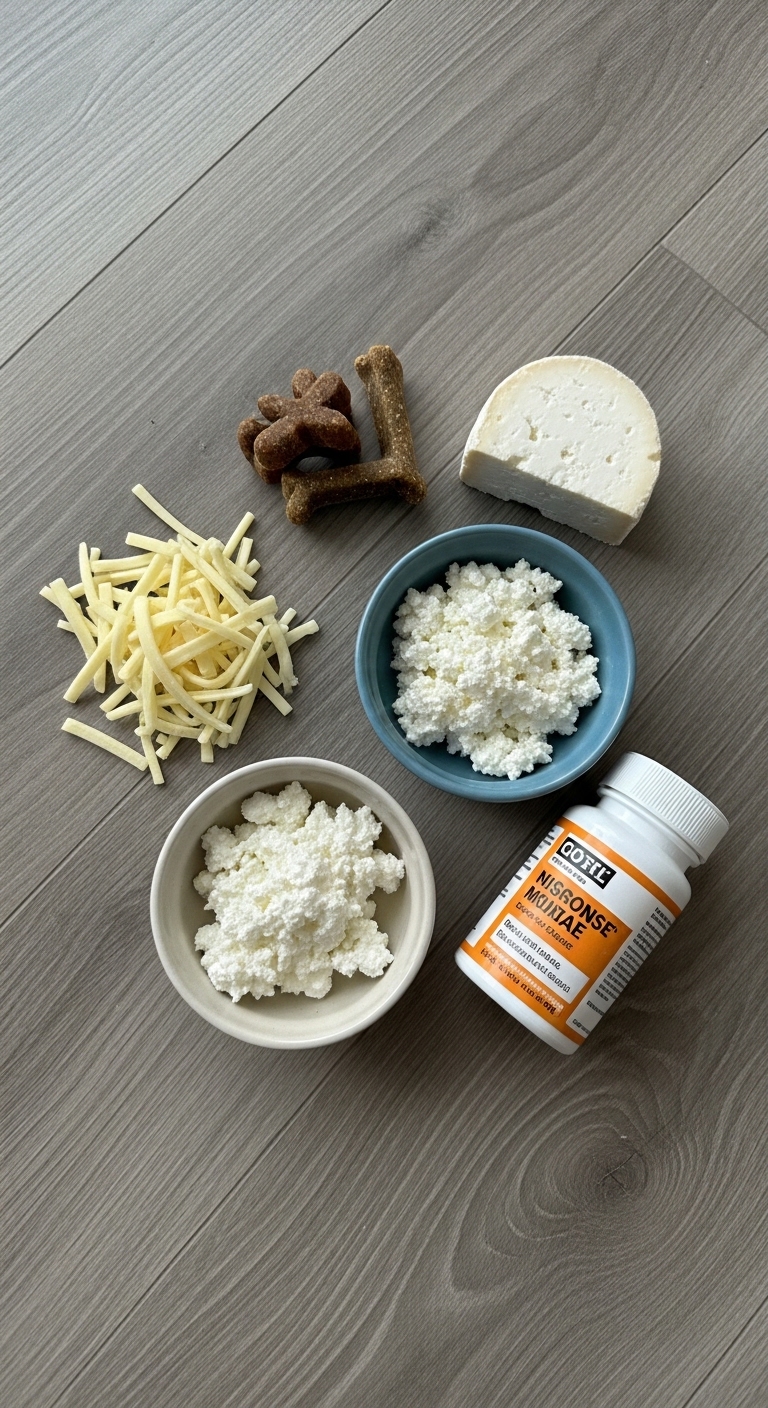
- Easier-to-digest options: fresh mozzarella and cottage cheese are usually easier to digest because they have less lactose
What to Look For
Watch how your dog reacts after eating cheese. If they start vomiting, have diarrhea, or seem lethargic within a few hours, those are clear signs their system isn’t handling it well. Pay attention to their energy levels too: some dogs get hyper or restless after fatty foods, while others just seem sluggish. The texture of their stool can also tell you a lot; soft or unusually smelly poop often means the cheese didn’t agree with them. If you notice these reactions, it’s best to skip cheese treats altogether.
A common mistake is assuming all cheeses are the same. Processed cheese slices or spreads often contain additives that are far more dangerous than a simple block of cheddar. Another oversight is forgetting that cheese adds up: even a few small pieces throughout the day can contribute to weight gain over time. I’ve seen dogs gain noticeable weight just from cheese used as training treats, so portion control really matters.
Safe Cheese Options for Dogs
If you decide to give cheese, stick to low-fat, low-sodium varieties. Mozzarella and cottage cheese are usually the safest because they’re easier to digest and less likely to cause stomach upset. Avoid anything with added flavors, herbs, or seasonings, as these can be harmful. Even with safe cheeses, keep portions tiny: think a single cube no bigger than your pinky nail for a medium-sized dog.
Cheese as a Training Tool
Cheese can be a powerful motivator during training sessions because most dogs love the taste. Use it sparingly and break it into very small pieces so your dog gets the reward without overdoing the calories. If your dog isn’t food-motivated, cheese might not be the best choice for training anyway. Some dogs prefer softer treats or even their regular kibble when they’re highly engaged in learning.

Alternatives to Cheese
If you’re looking for a cheesy flavor without the risks, consider dog-safe alternatives like freeze-dried liver treats or plain cooked chicken. These options give the same high-value reward effect without the lactose or fat concerns. Some pet stores even sell lactose-free cheese made specifically for dogs, which can be a good middle ground if your dog really loves the taste.
Cheese isn’t automatically bad for dogs, but it’s not a free-for-all either. The key is knowing your individual dog’s tolerance, choosing the right type, and keeping portions tiny.
Frequently Asked Questions
- → Can dogs eat cheese safely?
Yes, dogs can eat cheese in small amounts, but it depends on the type and your dog’s tolerance. Hard, low-lactose cheeses like cheddar or mozzarella are safer than soft, high-lactose varieties like ricotta or cream cheese.
- → How much cheese can I give my dog?
Cheese should be an occasional treat and make up no more than 10% of your dog’s daily calories. For a small dog, a single cube (about 10g) is enough, while larger dogs can have slightly more—always in moderation.
- → What types of cheese are best for dogs?
Low-lactose, low-fat cheeses like mozzarella, cottage cheese, or Swiss are better choices. Avoid processed cheeses, blue cheese, or those with added flavors, as they can be harmful.
- → Why does cheese upset my dog’s stomach?
Many dogs are lactose intolerant, meaning they lack the enzyme to digest lactose properly. This can lead to gas, diarrhea, or vomiting. Even small amounts may cause issues in sensitive dogs.
- → Are there healthier cheese alternatives for dogs?
Yes! Consider lactose-free cheese, plain yogurt (in moderation), or dog-specific training treats. Always check with your vet before introducing new foods, especially if your dog has dietary restrictions.
- → Can dogs with health conditions eat cheese?
Dogs with pancreatitis, obesity, or heart disease should avoid cheese due to its fat and sodium content. Always consult your vet before offering cheese to a dog with health issues.