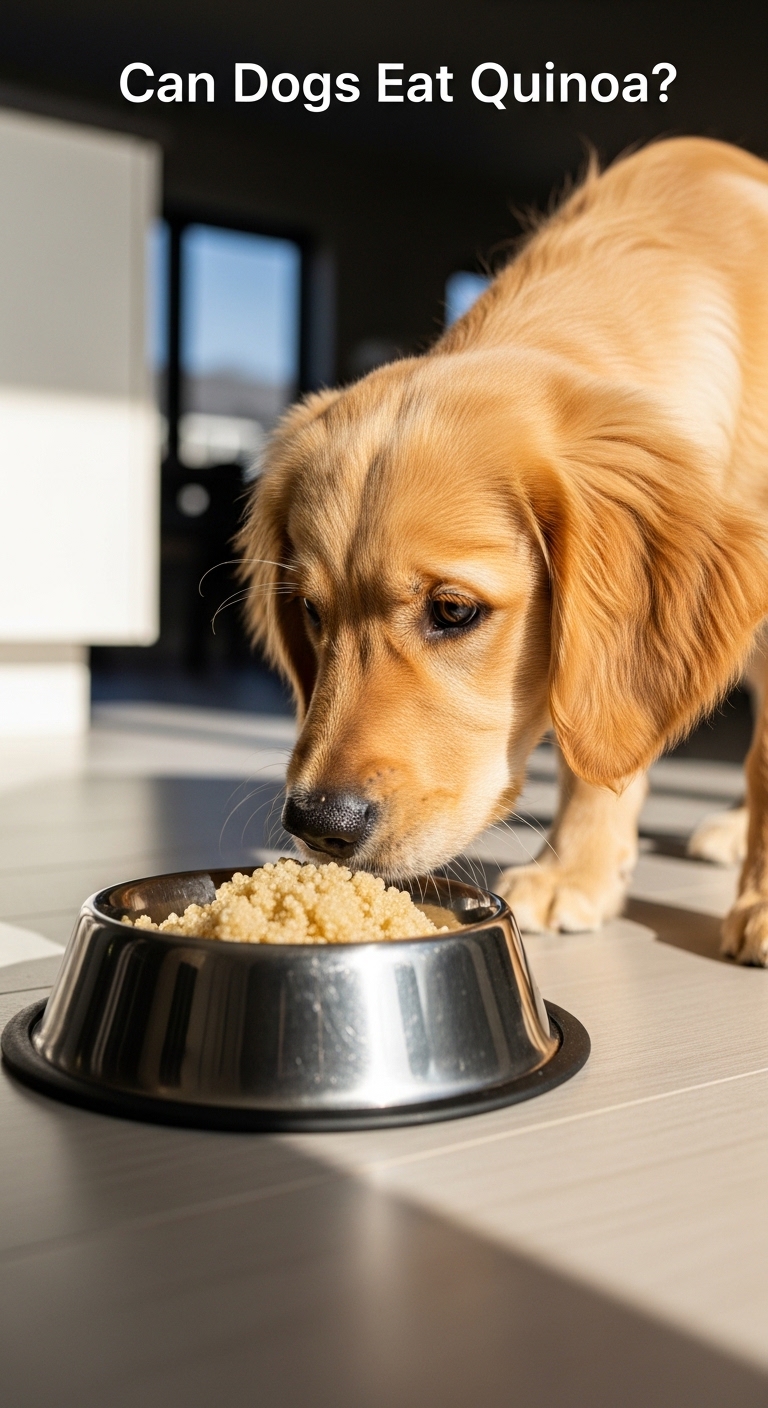
Peanut butter is a pantry staple in many homes, but when you share your sandwich with a dog who’s giving you those big, hopeful eyes, it’s worth asking whether this treat is safe for them. Many pet owners don’t realize that not all peanut butter is created equal, and some ingredients can actually be harmful. Understanding the right way to offer this snack can make a big difference in your dog’s health and happiness.
I remember the first time I gave my golden retriever a lick of peanut butter off my finger: his tail wagged so hard I thought he might take flight. It was a bonding moment, but it also made me realize how important it is to choose the right kind and use it wisely.
Key Things to Understand
- Peanut butter without xylitol is essential: xylitol is toxic to dogs and can cause dangerous drops in blood sugar or even liver failure
- Natural peanut butter with minimal ingredients is best: added sugars, salts, or oils can contribute to obesity or other health issues
- Small amounts are key: peanut butter is high in fat and calories, so even a little can add up quickly in a dog’s diet
- Moderation matters: especially for dogs prone to pancreatitis or weight gain since rich foods can trigger flare-ups
What to Look For
When shopping for peanut butter, the label is your best friend. Look for products that list only peanuts as the ingredient: no added sugars, salts, or artificial sweeteners. Xylitol is a hidden danger that’s sometimes listed under names like “birch sugar” or “wood sugar,” so scan ingredient lists carefully. Also, check the fat content; while healthy fats are fine in moderation, too much can lead to an upset stomach or long-term weight issues. If your dog has never had peanut butter before, start with a tiny amount to see how they react. Some dogs tolerate it well, while others might experience mild digestive upset like diarrhea or gas.
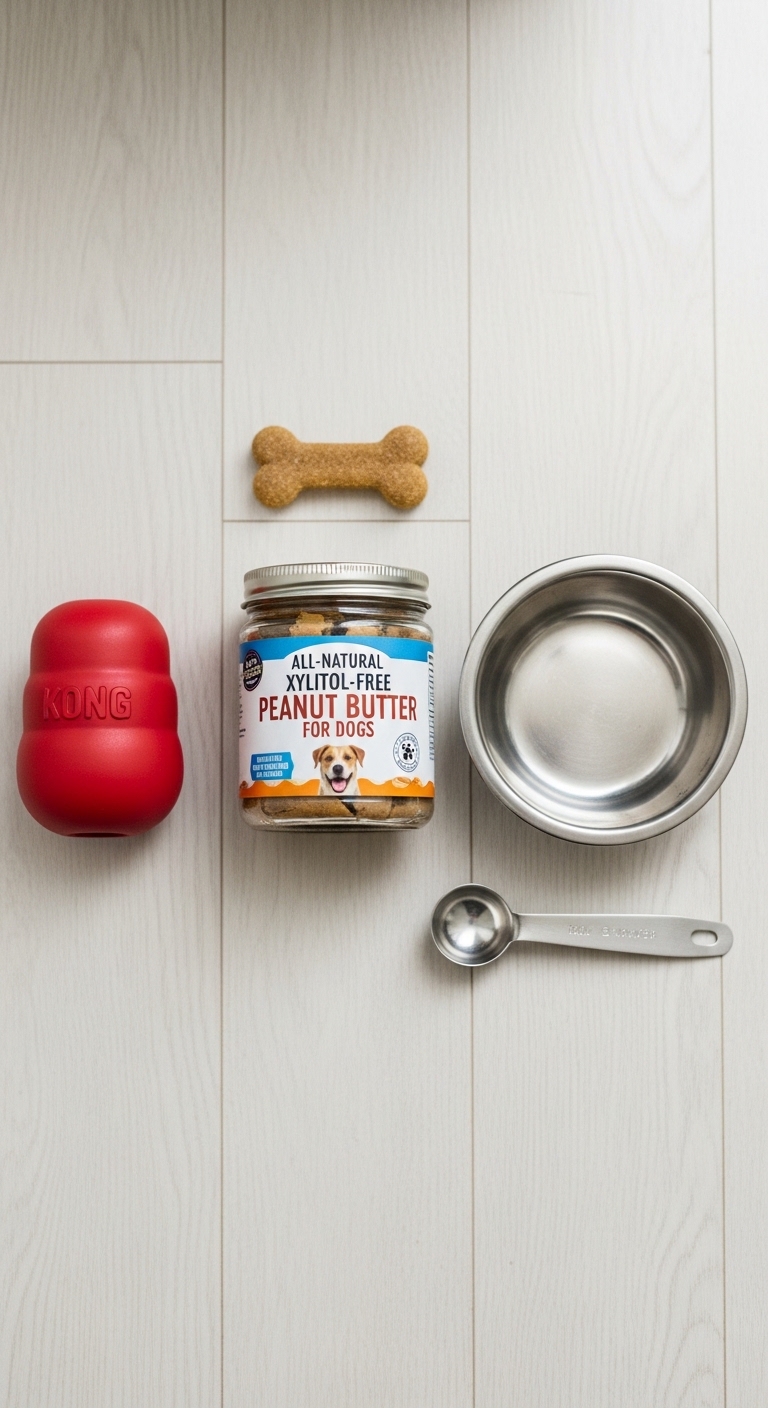
I once met a dog owner who unknowingly gave her pup peanut butter with xylitol every day for weeks, thinking it was just a harmless treat. By the time she realized the mistake, her dog was seriously ill. It’s a harsh reminder that even “natural” products can pose risks if we don’t read the labels. Another common slip-up is overfeeding peanut butter, especially in dogs with weight issues. A little goes a long way, and it’s easy to forget how calorie-dense it is.
How to Use Peanut Butter Safely
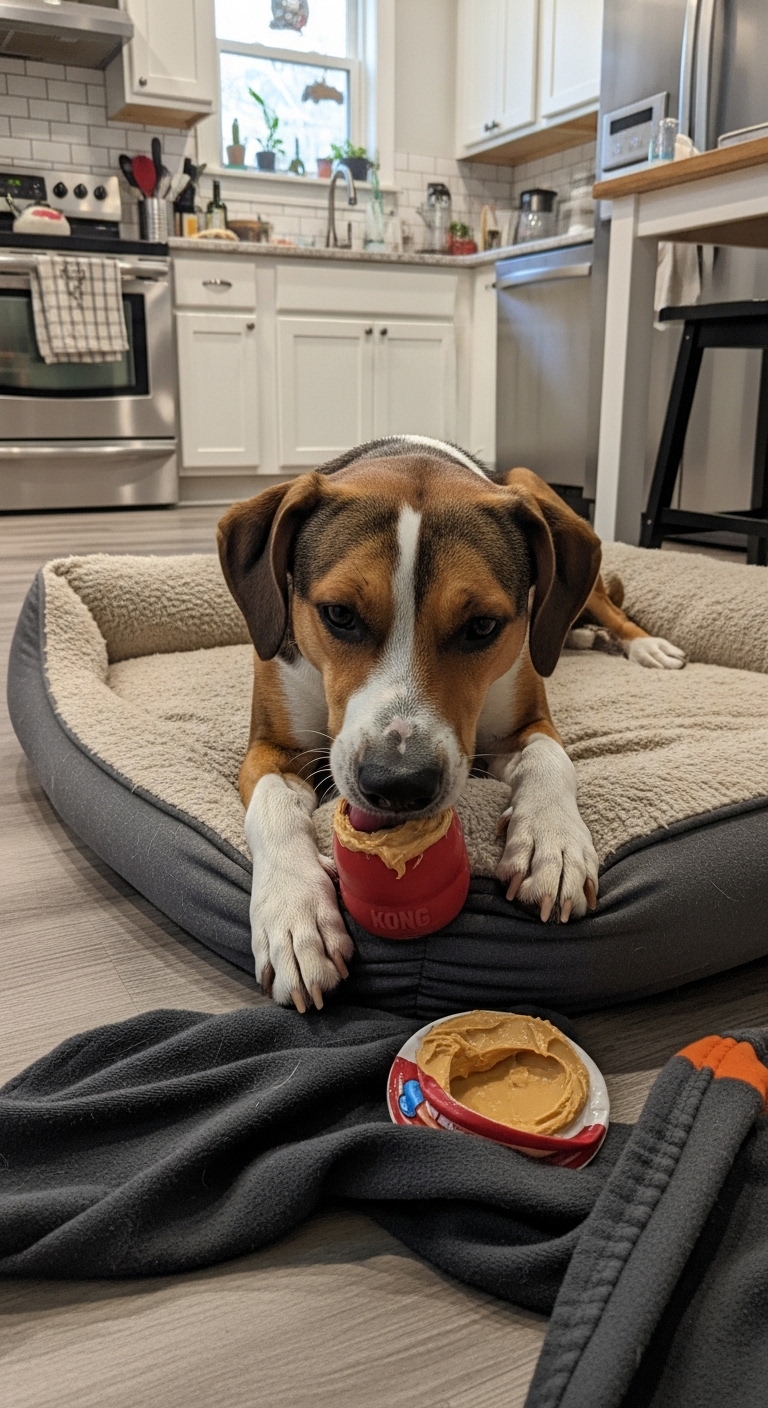
Peanut butter can be a great way to hide medication or stuff a Kong toy to keep your dog occupied. Just remember that a teaspoon for a small dog is plenty, while a larger breed might handle a tablespoon without issue. If you’re using it for training, use it sparingly so your dog doesn’t start expecting it every time. Also, avoid giving peanut butter right before or after intense exercise to reduce the risk of bloat, especially in deep-chested breeds like Great Danes or German shepherds.
Signs Your Dog Might Not Tolerate Peanut Butter
Watch for signs like excessive thirst, lethargy, or diarrhea after eating peanut butter. Some dogs may also develop itchy skin or ear infections if they’re sensitive to peanuts. If you notice any of these symptoms, stop giving peanut butter and consult your vet. It’s always better to be cautious, especially if your dog has a history of food allergies.
Alternatives to Peanut Butter
If your dog can’t have peanut butter or you’re looking for variety, consider alternatives like plain pumpkin puree, mashed banana, or plain yogurt. These options are lower in fat and calories while still being tasty and easy to use for stuffing toys or hiding pills. Always introduce new foods gradually to avoid digestive upset.
Peanut butter can be a fun and rewarding treat for your dog when used correctly. Always prioritize safety and moderation to keep your pet happy and healthy.
Frequently Asked Questions
- → Can dogs eat peanut butter?
Yes, dogs can eat peanut butter in moderation, as long as it doesn’t contain xylitol or other harmful additives. Always check the label before sharing this treat with your pet.
- → How much peanut butter can I give my dog?
The amount depends on your dog’s size. Small dogs should have no more than a teaspoon, while larger breeds can enjoy up to a tablespoon. Too much can lead to weight gain or digestive upset.
- → Is xylitol in peanut butter dangerous for dogs?
Yes, xylitol is highly toxic to dogs and can cause rapid insulin release, leading to hypoglycemia (low blood sugar). Always avoid peanut butter with xylitol as an ingredient.
- → What are the benefits of peanut butter for dogs?
Peanut butter is rich in protein, healthy fats, and vitamins like vitamin E and B. It can support skin health, provide energy, and even help with training as a high-value reward.
- → Can peanut butter cause allergies in dogs?
Some dogs may be allergic to peanuts, just like humans. If it’s your dog’s first time trying peanut butter, introduce it slowly and monitor for signs of an allergic reaction, such as itching or swelling.
- → How should I serve peanut butter to my dog?
You can serve peanut butter plain, spread on a toy, or mixed into their food. Avoid giving it in large chunks to prevent choking hazards. Always opt for unsalted and unsweetened varieties.