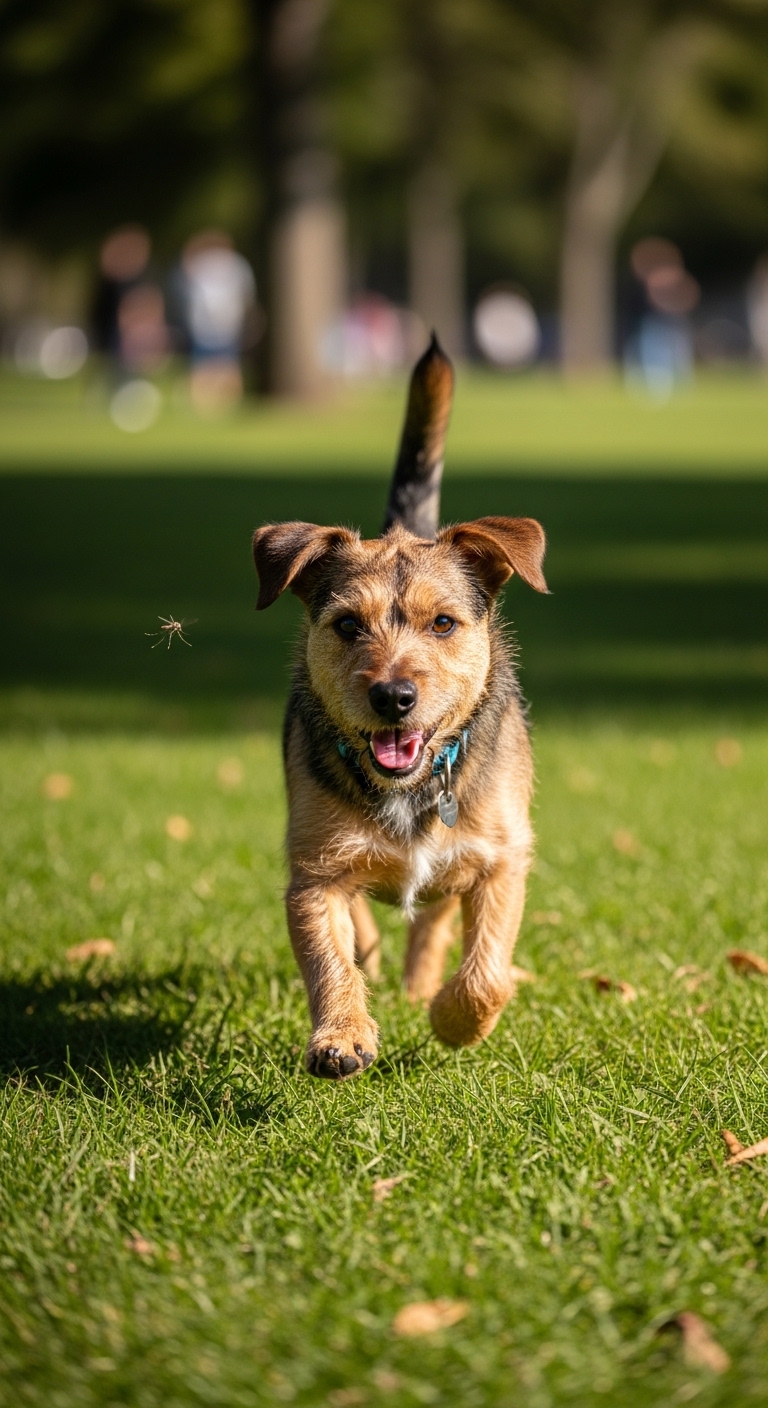
Do dogs get menstrual periods? It’s a question many pet owners wonder about, especially when their female dog starts showing unusual behavior or physical changes. Unlike humans, dogs don’t experience menstrual periods in the same way, but they do go through a reproductive cycle that can bring noticeable changes. Understanding this process helps you care for your dog better, whether you’re planning to breed her or just want to keep her healthy and comfortable.
I remember when my neighbor’s dog started leaving small spots around the house she thought something was wrong until she realized it was just part of her heat cycle. A little knowledge made all the difference in keeping her calm and clean.
Key Things to Understand
- Dogs go through a heat cycle, not a menstrual period like humans: The cycle typically happens twice a year but can vary by breed and age.
- During heat, female dogs may bleed lightly and attract male dogs: Behavioral changes like restlessness or increased affection are common.
- Spaying prevents heat cycles and reduces health risks: This is a common choice for pet owners who do not plan to breed.
What to Look For
Watch for the first signs of heat, which usually include swelling of the vulva and light bleeding. Some dogs may lick themselves more frequently or seem more clingy than usual. As the cycle progresses, you might notice male dogs showing extra interest in her, even from a distance. The bleeding is usually light, often just a few drops or spots, but it can vary. If the bleeding seems heavy or lasts longer than a week, it’s worth checking with your vet to rule out any issues.
It’s easy to confuse a dog’s heat cycle with illness, especially if you’re not familiar with the signs. I once thought my dog was sick when she started bleeding, but a quick vet visit confirmed it was just her heat cycle. Keeping track of her cycles helps you stay prepared and avoid surprises.
Daily Care Habits
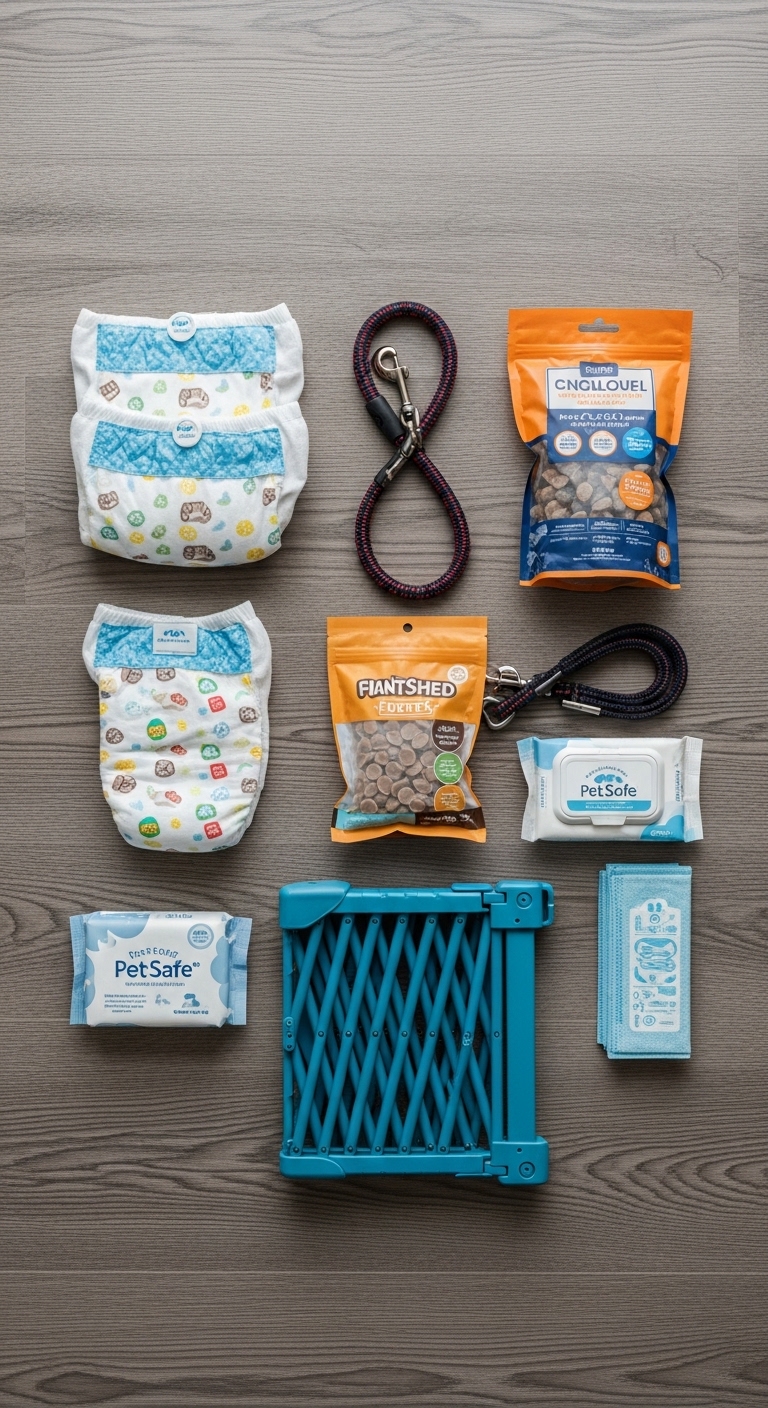
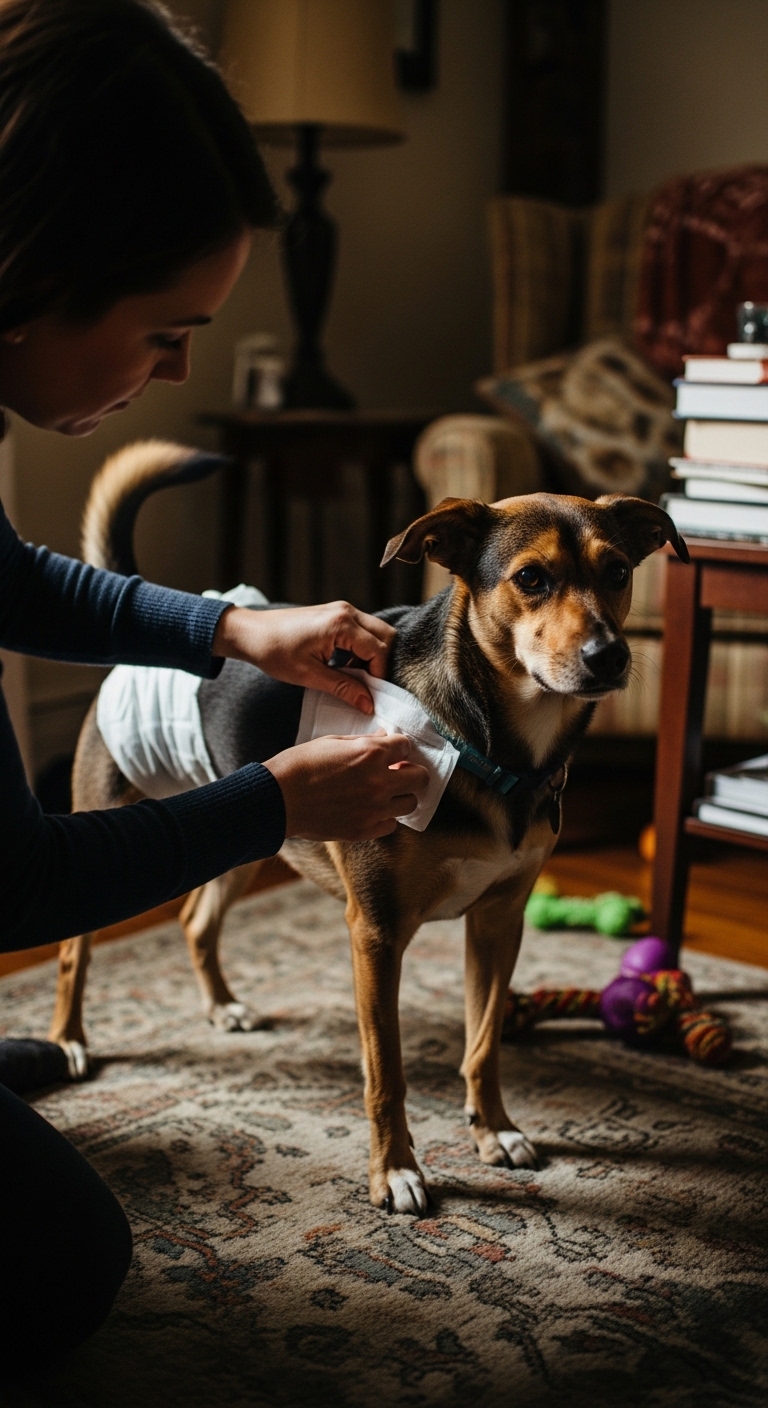
During heat, your dog may need extra baths to stay clean, but avoid using harsh soaps that can irritate her skin. A doggy diaper can help manage the light bleeding and keep your home tidy. Keep her indoors or in a secure yard to prevent unwanted attention from male dogs. If she’s restless, gentle walks or playtime can help her relax without overexertion.
Choosing the Right Product
Dog diapers designed for heat cycles are a practical solution for managing bleeding and keeping your dog comfortable. Look for ones with adjustable fits and breathable materials to prevent irritation. Avoid human products like tampons, which aren’t safe for dogs and can cause infections. If you’re unsure about the right size, measure your dog’s waist and check the product’s sizing guide.
Safety and Comfort
Never punish your dog for behaviors like increased urination or restlessness during heat these are natural responses. Provide a quiet, cozy space where she can retreat if she feels overwhelmed. If she’s showing signs of stress or anxiety, calming treats or pheromone diffusers can help. Always supervise her around other dogs to prevent aggressive or unwanted mating behavior.
If you’re still unsure about your dog’s heat cycle, don’t hesitate to ask your vet for guidance. Every dog is different, and what’s normal for one may not be for another.
Frequently Asked Questions
- → How often do dogs go into heat?
Most dogs experience heat cycles every 6-12 months, though this can vary by breed and individual. Smaller breeds may cycle more frequently, while larger breeds might go into heat less often.
- → What are the signs my dog is in heat?
Common signs include swelling of the vulva, light bleeding or spotting, increased urination, and behavioral changes like restlessness or increased affection. Some dogs may also become more protective or clingy.
- → How long does a dog's heat cycle last?
A typical heat cycle lasts 2-4 weeks, with the most fertile period occurring around days 10-14. The entire cycle includes four stages: proestrus, estrus, diestrus, and anestrus.
- → Should I use doggy diapers during my dog's heat?
Doggy diapers can help manage bleeding and keep your home clean, but they should be changed frequently to prevent irritation or infection. Ensure your dog is comfortable wearing them and never leave them on for extended periods.
- → Can I spay my dog to prevent heat cycles?
Yes, spaying (ovariohysterectomy) is a common procedure to prevent heat cycles and reduce the risk of certain cancers and infections. Consult your vet to determine the best timing for your dog's spay surgery.
- → Is it normal for my dog to bleed heavily during heat?
Light bleeding or spotting is normal, but heavy bleeding is not typical. If your dog experiences excessive bleeding, lethargy, or other concerning symptoms, contact your veterinarian to rule out health issues like infections or complications.