How much Benadryl to give a 50 lb dog isn’t just a number: it’s about keeping your pup safe while easing their discomfort. Whether it’s seasonal allergies, bug bites, or unexpected reactions, knowing the right dose can make all the difference in an emergency. Most pet owners don’t realize how quickly a simple antihistamine can turn dangerous if miscalculated, so getting this right matters more than you might think.
I still remember the first time my neighbor’s dog had a reaction to a bee sting. She called me in a panic, and I had to walk her through the steps over the phone. It was a relief she had the right info, but it also showed me how little most people know about pet first aid.
Key Things to Understand
- Safety: Benadryl (diphenhydramine) is safe for dogs in the right dose but can be toxic in high amounts
- Dosage: The standard dose is 1 mg per pound of body weight, given every 8 to 12 hours
- Form: Liquid Benadryl is easier to dose accurately than tablets, especially for larger dogs
- Ingredients: Always check the active ingredient list: some products contain xylitol, which is deadly to dogs
- Formulation: Never give your dog children’s Benadryl unless it’s specifically formulated for pets
What to Look For
Watch for signs of an allergic reaction like excessive scratching, swelling around the face or paws, or redness on the skin. These clues tell you Benadryl might help, but they also signal when to seek professional care. If your dog’s gums turn pale or they struggle to breathe, that’s an emergency: Benadryl won’t fix that, and you need to act fast.
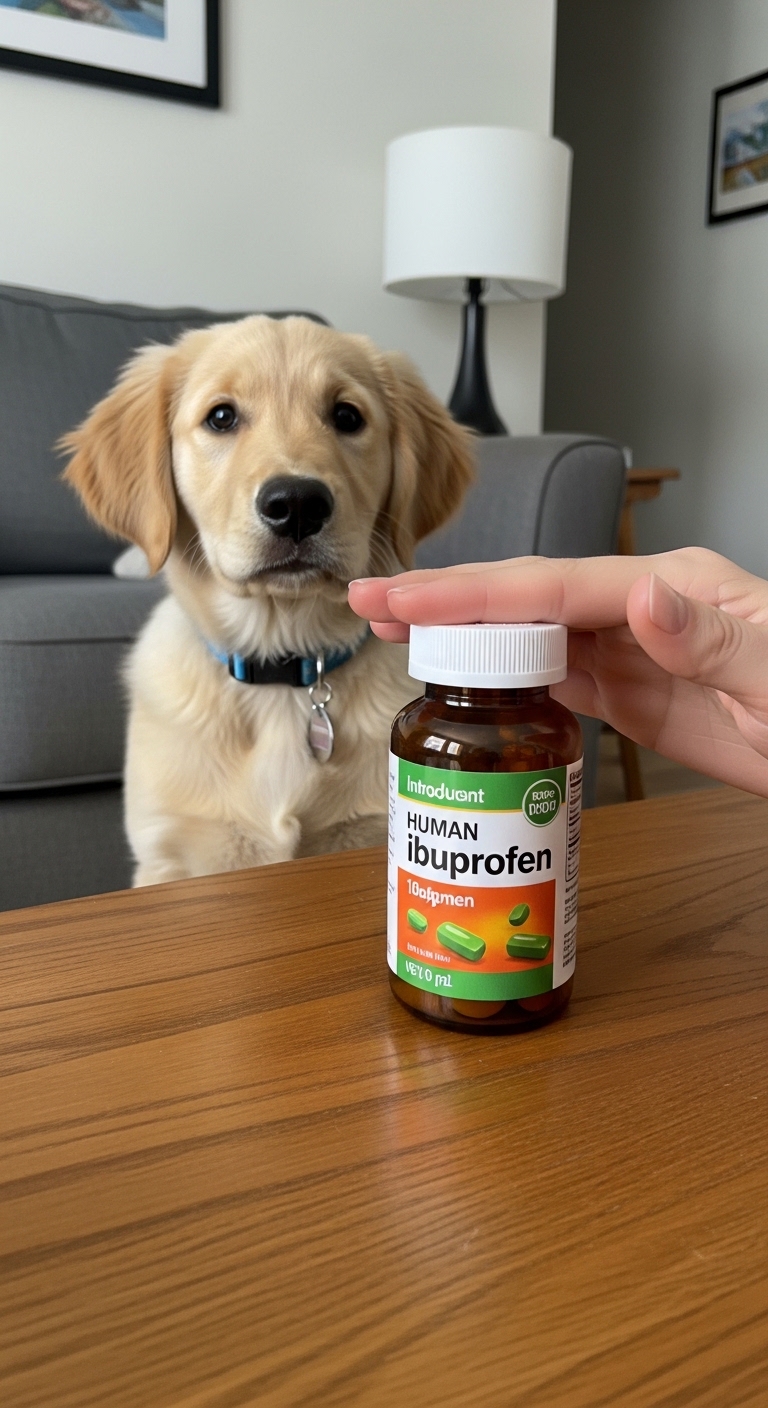
Check the label on any Benadryl product you have at home. Look for the active ingredient diphenhydramine and confirm there are no added sugars, artificial sweeteners, or other medications mixed in. A plain, single-ingredient formula is always the safest bet. If you’re unsure, a quick call to your vet can save you from a dangerous mistake.
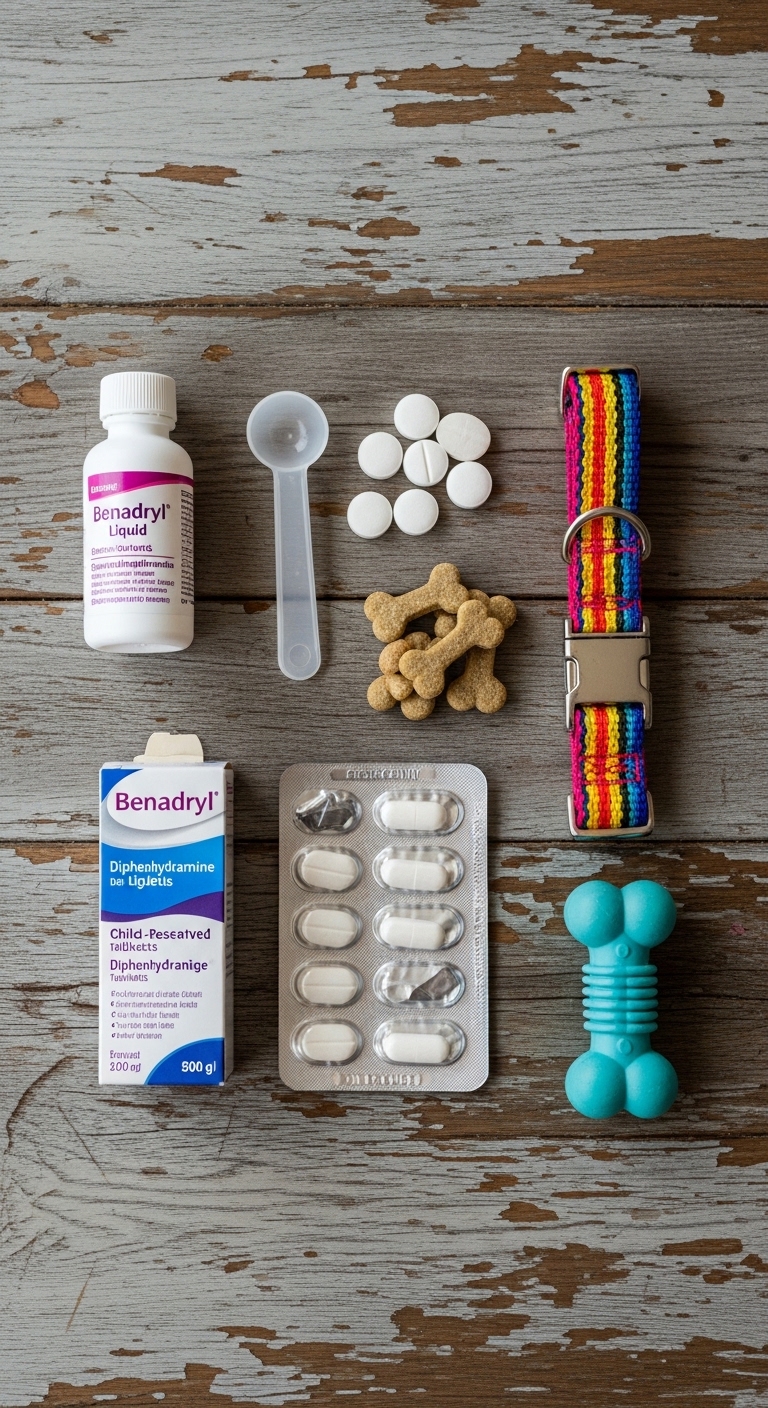
I once gave my own dog Benadryl for hives, only to realize too late that the liquid version I grabbed had added flavorings. She threw up immediately, and I had to rush her to the emergency clinic. That taught me to always double-check labels: what seems harmless can turn into a costly mistake.
When to Call the Vet Instead
If your dog’s face swells so much they can barely breathe, that’s a clear sign to go to the vet right away. Swelling in the throat can block their airway, and Benadryl won’t help in time. Also, if your dog seems disoriented, collapses, or has repeated vomiting after taking Benadryl, those are red flags that something more serious is going on.
How to Give Benadryl Safely
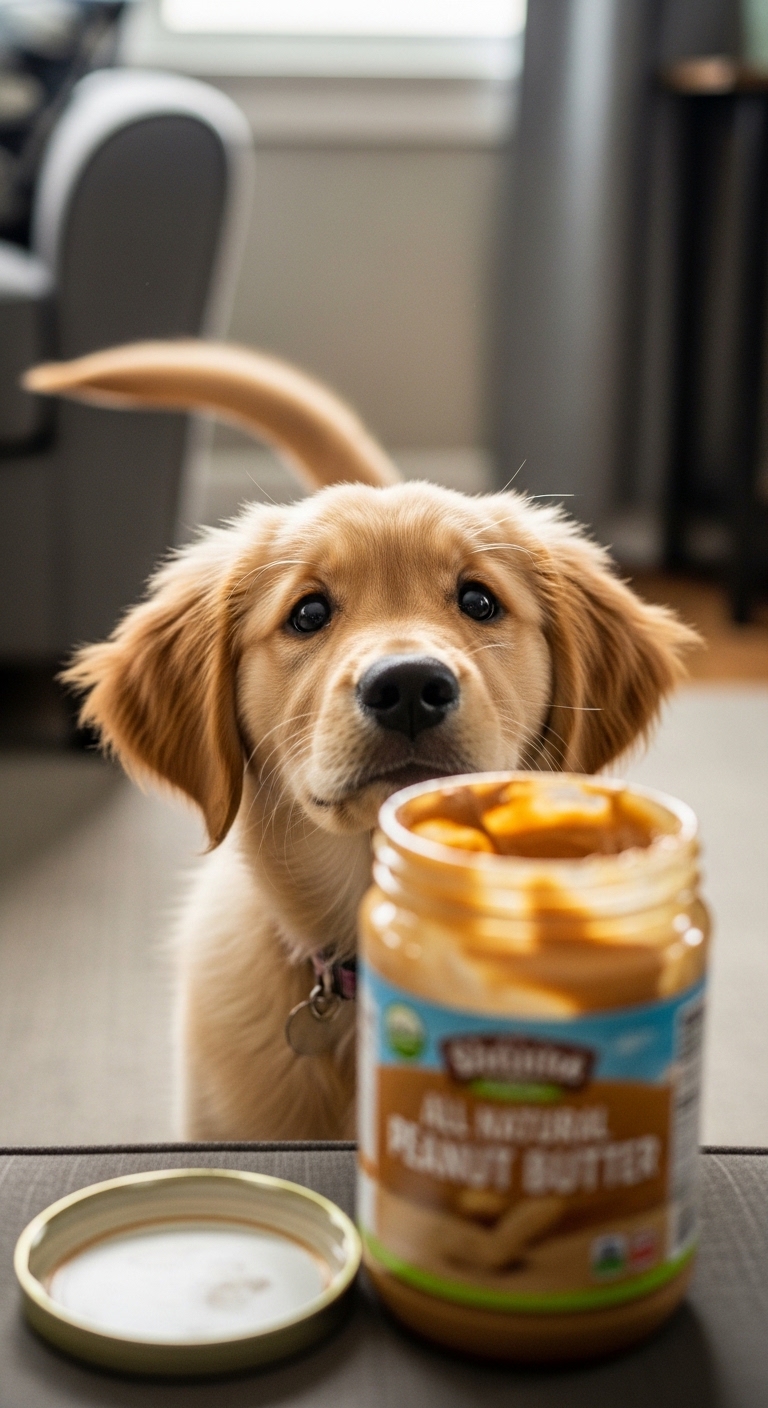
Crush a 25 mg tablet and mix it into a small spoonful of peanut butter (make sure it’s xylitol-free) or wrap it in a soft treat. For liquid forms, use an oral syringe to measure the dose precisely: eyeballing it with a teaspoon is risky. If your dog spits it out, don’t give another dose right away. Wait until the next scheduled time to avoid overdosing.
Alternatives to Benadryl
If you don’t have Benadryl on hand, ask your vet about prescription antihistamines like cetirizine or loratadine, which are safer for long-term use. Some natural options like quercetin supplements can help mild allergies, but they’re not as fast-acting as Benadryl in an emergency. Always clear alternatives with your vet first.
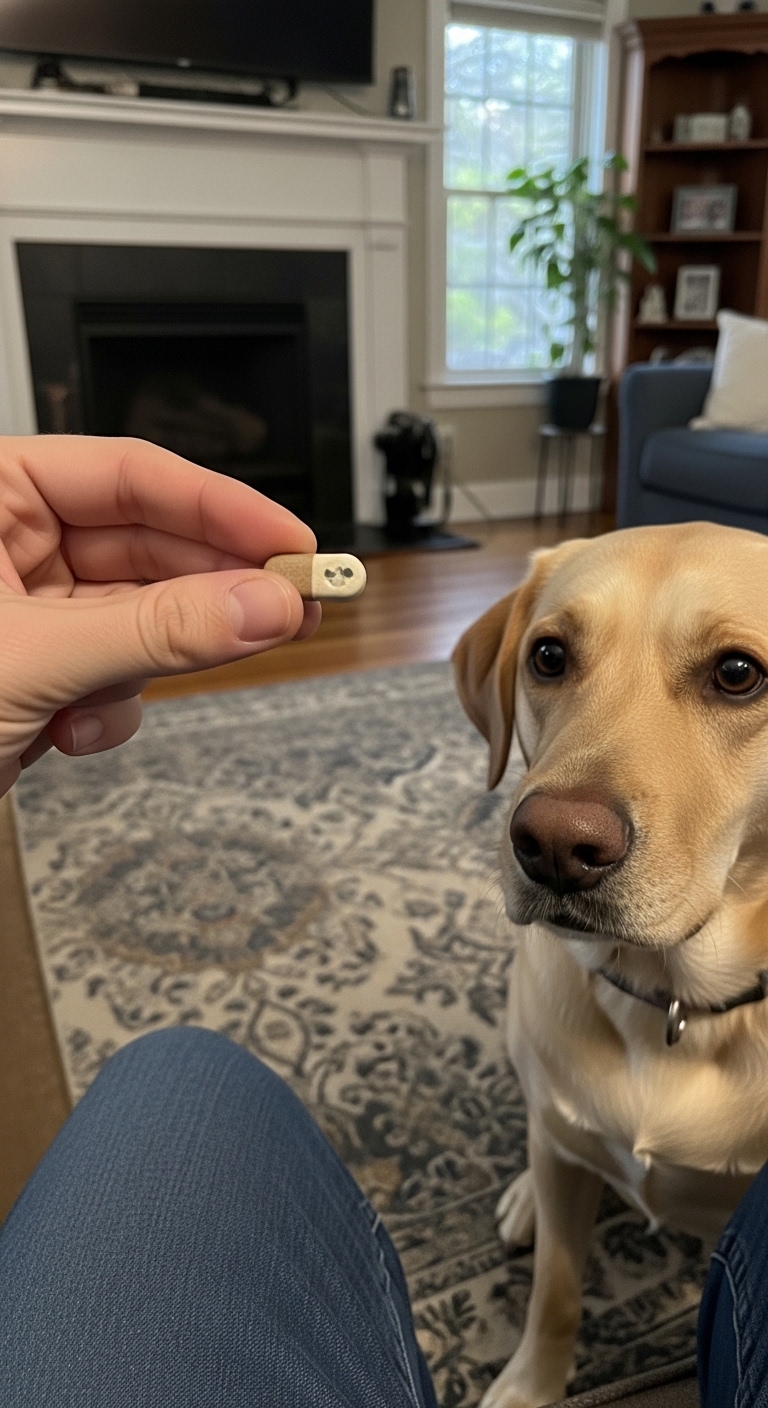
Knowing the right Benadryl dose for your dog can turn a scary situation into a manageable one. Always prioritize safety and consult your vet when in doubt.
Frequently Asked Questions
- → How much benadryl can I give a 50 lb dog?
The standard dosage is 1 mg of benadryl per pound of body weight. For a 50 lb dog, this equals about 50 mg, or one 50 mg tablet, every 8-12 hours. Always confirm with your vet first.
- → Is liquid benadryl better for dogs than tablets?
Liquid benadryl can be easier to administer, especially for picky eaters. Use children’s benadryl (12.5 mg per 5 ml) and measure carefully. Tablets are also effective if your dog accepts them.
- → Can I give my dog extra benadryl if symptoms persist?
No. Stick to the recommended dosage and frequency. Overdosing can lead to serious side effects like rapid heartbeat, seizures, or even coma. Consult your vet if symptoms don’t improve.
- → What are the side effects of benadryl in dogs?
Common side effects include drowsiness, dry mouth, urinary retention, and mild digestive upset. In rare cases, more severe reactions like rapid breathing or irregular heartbeat may occur.
- → Can I give my dog benadryl for seasonal allergies?
Yes, benadryl can help relieve itching and mild allergic reactions. However, it’s not a long-term solution. For chronic allergies, consult your vet about safer, more effective treatments.
- → Is benadryl safe for puppies?
Benadryl is generally safe for puppies over 6 weeks old, but dosage must be adjusted for their smaller size. Always consult your vet before giving any medication to a puppy.