Heartworm is one of those silent threats that can sneak up on your dog without any obvious signs at first. It’s not just about the occasional mosquito bite: it’s about understanding how this parasite spreads and why prevention is so much easier than treatment. If your dog spends time outdoors, even just in your backyard, they’re at risk. The scary part is that by the time symptoms show up, the damage is already done. That’s why knowing how dogs get heartworm and what you can do about it matters so much for keeping your pup healthy and happy.
I still remember when my neighbor’s golden retriever got heartworm. The treatment was long, expensive, and emotionally draining. It made me realize how little most pet owners truly understand about this disease until it’s too late.
Key Things to Understand
- Transmission: Heartworm is transmitted through mosquito bites. Mosquitoes pick up larvae from infected dogs and then pass them to others when they bite.
- Life cycle: The larvae mature inside the dog’s body over several months, eventually living in the heart and lungs. This can cause severe damage or even death if untreated.
- Prevention vs. treatment: Prevention is far safer and cheaper than treatment. Monthly heartworm preventatives are highly effective when used correctly.
- Symptoms: Symptoms like coughing, fatigue, or weight loss often don’t appear until the disease is advanced. Regular vet checkups and testing are crucial.
- Silent carriers: Some dogs show no symptoms at all, making prevention even more important.
What to Look For
Pay attention to how often your dog is exposed to mosquitoes, especially during warmer months or in humid climates. Even a single bite from an infected mosquito can start the process. Watch for subtle changes in your dog’s energy levels or breathing, as these can be early warning signs of heartworm. If your dog coughs frequently, seems less interested in walks, or has a dull coat, it’s worth mentioning to your vet. Keep an eye on their weight too: unexplained loss can sometimes be an early indicator. Mosquitoes thrive near standing water, so if you have puddles, a neglected pool, or even a damp area in your yard, that’s a hotspot for risk.
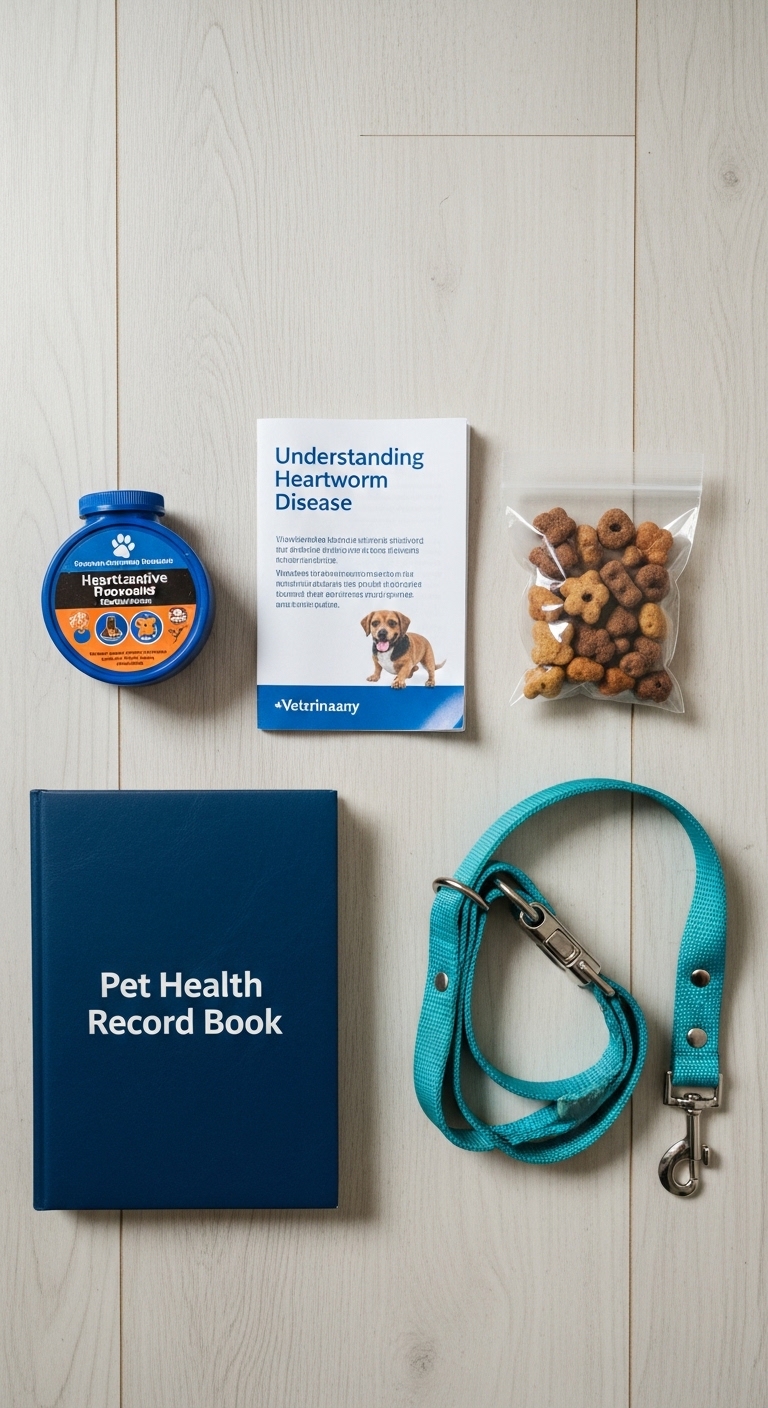
I once thought my indoor-only dog was safe, but a single mosquito slipped in through an open window. It only takes one bite to change everything. Always use preventatives year-round, even if your vet says heartworm isn’t common in your area. Prevention isn’t just about the weather: it’s about peace of mind.
How Mosquitoes Spread Heartworm
Mosquitoes are the unsung villains in this story. They don’t just annoy your dog: they carry microscopic larvae called microfilariae from infected animals. When a mosquito bites an infected dog, it ingests these larvae, which then develop inside the mosquito over 10 to 14 days. Once mature, the larvae move to the mosquito’s mouthparts, ready to infect the next dog it bites. This cycle is why heartworm is so hard to control in areas with lots of mosquitoes.
Signs Your Dog Might Be at Risk
If your dog spends time outside, especially at dawn or dusk when mosquitoes are most active, their risk goes up. Dogs that live near lakes, ponds, or wooded areas are also more exposed. Even short walks in the evening can put them in danger. Pay attention to how your dog reacts to mosquito bites: some get swollen, itchy bumps, while others show no reaction at all. Either way, those bites could be carrying a hidden threat.

Prevention vs. Treatment
Preventing heartworm is straightforward: give your dog a monthly preventative, keep up with vet visits for testing, and reduce mosquito exposure where possible. Treatment, on the other hand, is risky, expensive, and hard on your dog’s body. It involves injections to kill the adult worms, strict exercise restrictions, and close monitoring for complications. Many dogs recover, but some suffer long-term damage to their heart or lungs. Prevention isn’t just a choice: it’s the responsible way to care for your pet.
Heartworm is preventable, and the cost of prevention is minimal compared to the emotional and financial toll of treatment. Protect your dog today.
Frequently Asked Questions
- → Can dogs get heartworm from other dogs?
No, heartworm is not directly contagious between dogs. The only way a dog can become infected is through the bite of an infected mosquito. The mosquito acts as an intermediate host, carrying the heartworm larvae from one animal to another.
- → What are the early signs of heartworm in dogs?
Early-stage heartworm infections often show no symptoms. As the disease progresses, you may notice a mild persistent cough, fatigue after moderate activity, decreased appetite, or weight loss. In severe cases, dogs may develop a swollen belly due to fluid accumulation from heart failure.
- → How often should I give my dog heartworm prevention?
Heartworm prevention should be given monthly, year-round, regardless of your location. Even in colder climates, mosquitoes can survive indoors or emerge during warmer winter days. Consistency is critical to ensure continuous protection.
- → Is heartworm treatment safe for all dogs?
Heartworm treatment involves injecting a medication to kill adult worms, which can cause complications as the worms die and are absorbed by the body. Dogs with advanced infections or other health conditions may face higher risks. Your vet will assess your dog’s health before starting treatment.
- → Can indoor dogs get heartworm?
Yes, even dogs that spend most of their time indoors can get heartworm. Mosquitoes can enter homes through open doors, windows, or screens. No environment is completely mosquito-proof, so prevention is important for all dogs, regardless of lifestyle.
- → What happens if heartworm goes untreated in dogs?
Untreated heartworm disease can lead to severe heart and lung damage, organ failure, and ultimately be fatal. The longer the infection persists, the more difficult and costly it becomes to treat. Early detection and prevention are the best ways to avoid these risks.