Can dogs have raisins? It’s a question that pops up often among pet owners, especially when those little boxes of dried fruit are sitting on the kitchen counter. Raisins might seem harmless, but for dogs, they can be dangerous. Even small amounts can lead to serious health issues, so it’s important to know the risks and how to keep your pup safe.
I remember the first time my neighbor’s dog got into a bag of raisins at a picnic. The owner didn’t realize how serious it was until the dog started vomiting hours later. A quick trip to the vet saved the dog, but it was a scary lesson about how easily this can happen.
Key Things to Understand
- Raisins are toxic to dogs even in small amounts: because they contain compounds that damage the kidneys
- Symptoms of raisin poisoning: include vomiting, diarrhea, lethargy, and loss of appetite
- Not all dogs react the same way: but even one raisin can be dangerous for some pets
- Dried grapes and currants are just as risky: as fresh raisins
- If your dog eats raisins: contact your vet or an emergency pet poison hotline immediately
What to Look For
Watch for signs of raisin poisoning in the hours after your dog might have eaten them. Early symptoms like vomiting or diarrhea often appear within 6 to 12 hours, but sometimes it takes up to 24 hours for more serious issues to show up. If your dog seems unusually tired, refuses food, or has a swollen face or paws, these could be red flags. Keep an eye on their water intake too: excessive thirst or urination might mean their kidneys are struggling.
I once saw a dog owner assume their large breed could handle a single raisin as a "treat." Within hours, the dog was rushed to the emergency clinic. It’s a reminder that size doesn’t always determine risk. Always err on the side of caution.
Why raisin toxicity is so serious
Raisins contain a toxin that isn’t fully understood, but it’s clear it causes kidney failure in dogs. Unlike some poisons, there’s no specific antidote, so treatment focuses on flushing the system and supporting the kidneys. The smaller the dog, the less raisin it takes to cause harm. Even a handful of raisins can be deadly for a Chihuahua, while a large dog might survive a single raisin but still suffer damage.
How to handle an emergency
If you catch your dog eating raisins, try to estimate how much they consumed. Then, call your vet or a pet poison control center immediately. They’ll guide you on whether to induce vomiting at home or bring your dog in right away. Never try to treat raisin poisoning on your own: home remedies like milk or activated charcoal aren’t reliable and could delay proper care.
Safe alternatives to raisins
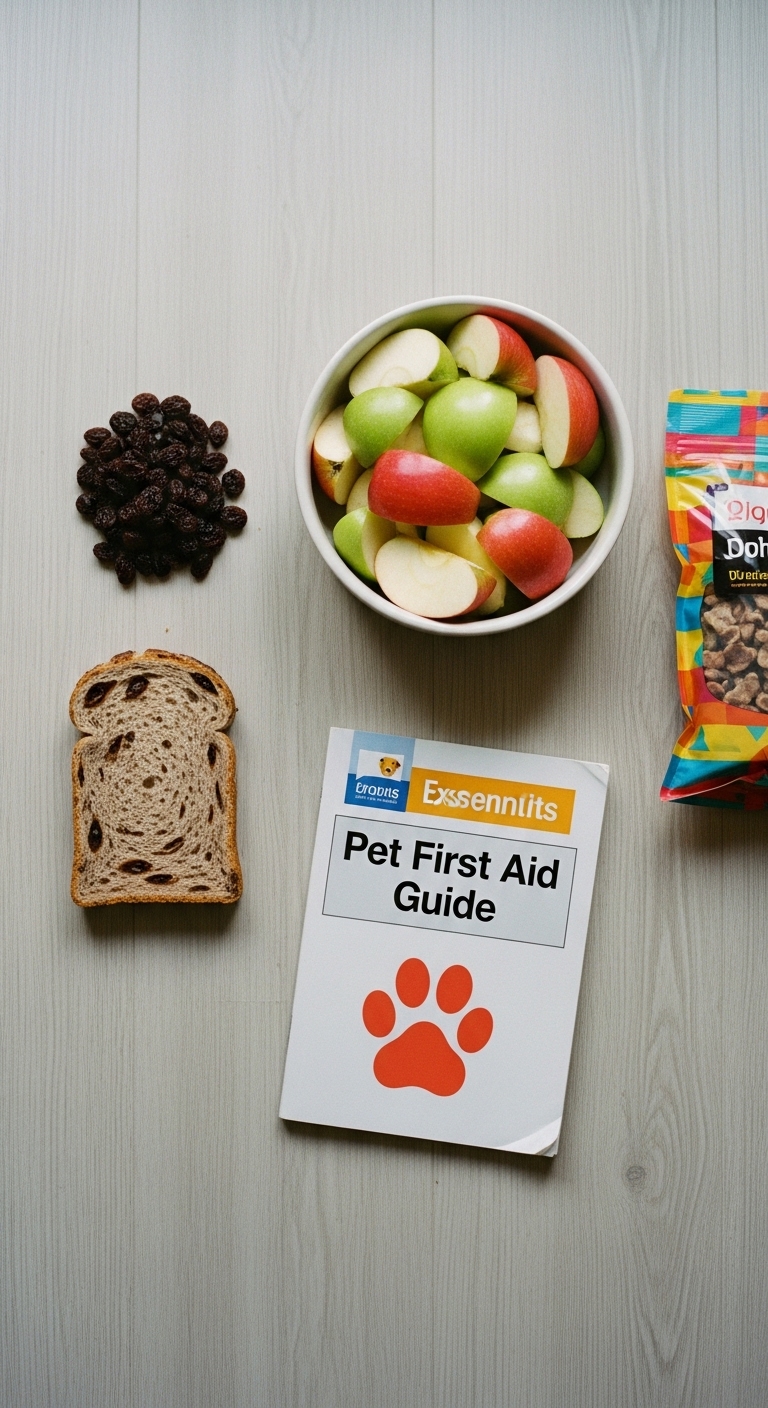
Instead of raisins, try giving your dog small pieces of apple (without seeds), blueberries, or carrot sticks as treats. These are safe, low-calorie options that most dogs love. If you’re baking homemade dog treats, stick to pet-safe ingredients like pumpkin or peanut butter (xylitol-free).
Preventing accidental exposure
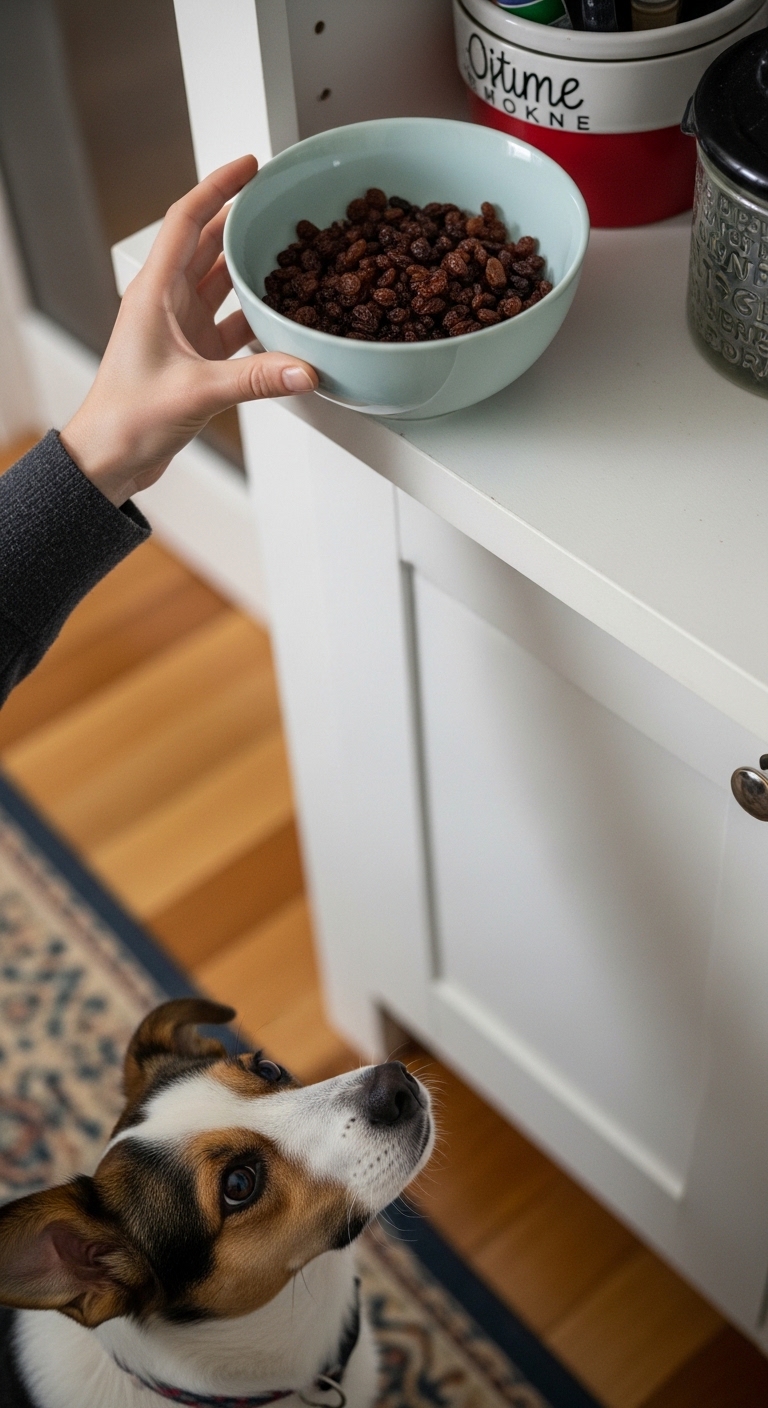
Keep raisins and grapes out of reach, especially in bags or containers that might get knocked over. If you have kids, teach them not to share snacks with the dog. Even a single raisin dropped on the floor can be a temptation for a curious pup. Store raisins in sealed containers and clean up spills immediately.
When in doubt, ask your vet
If you’re unsure whether a food is safe for your dog, it’s always best to ask your vet first. They can provide personalized advice based on your dog’s health, size, and breed. It’s better to be safe than sorry when it comes to your pet’s diet.
Even if your dog has eaten raisins before without issues, don’t assume they’re immune. Toxicity can build up over time, and repeated exposure increases the risk of kidney damage.
Frequently Asked Questions
- → How much raisin is toxic to dogs?
Even small amounts can be dangerous—some dogs react to as little as a single raisin. There is no safe threshold; toxicity depends on the individual dog’s size and sensitivity.
- → What should I do if my dog eats raisins?
Call your vet or an emergency animal hospital immediately. Do not wait for symptoms. Bring any packaging or remaining raisins for identification.
- → What are the symptoms of raisin poisoning in dogs?
Common signs include vomiting, diarrhea, lethargy, loss of appetite, dehydration, and increased thirst. Symptoms usually appear within 24 hours of ingestion.
- → Can all dogs eat raisins safely?
No. While some dogs may tolerate small amounts without issues, others can suffer severe reactions, including kidney failure. It’s best to avoid giving raisins to any dog.
- → Are there any dog-safe alternatives to raisins?
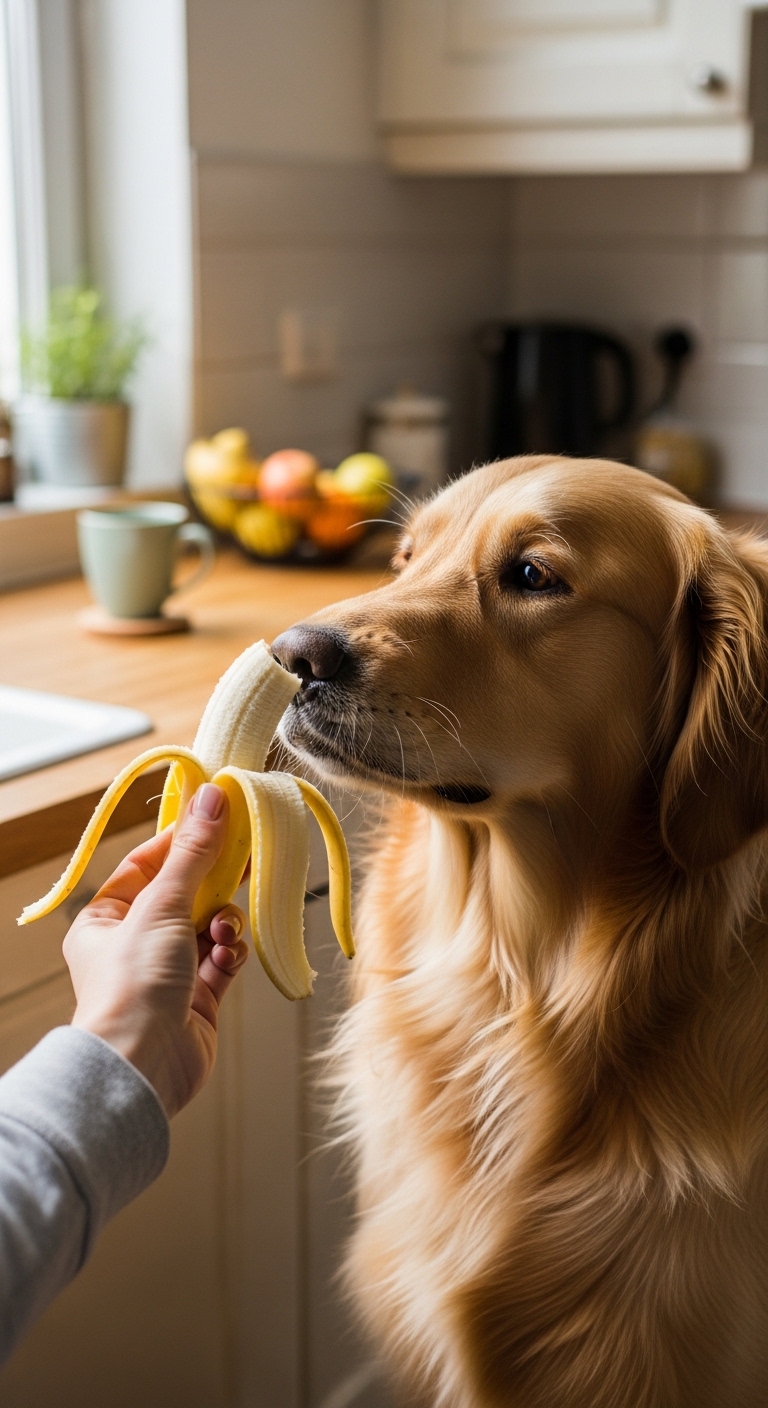
Yes! Try pet-safe fruits like blueberries, apple slices (without seeds), or banana pieces as healthy treats instead.
- → How long after eating raisins will my dog show symptoms?
Symptoms often appear within 6–12 hours but can take up to 24 hours. Always seek veterinary care immediately after ingestion, even if no symptoms are present.
- → Is grape juice or wine also toxic to dogs?
Yes. Grapes, raisins, grape juice, and wine all contain the same toxic compounds. Avoid giving any grape-based products to dogs.