Can dogs get COVID? It’s a question many pet owners have asked since the pandemic began. With so much uncertainty around how the virus spreads, it’s natural to wonder whether our furry friends could be at risk. While dogs aren’t as susceptible as humans, understanding the facts can help you keep your pet safe and reduce unnecessary worry.
I remember when my neighbor’s golden retriever tested positive after she did: it was a wake-up call to double-check our own routines at home.
Key Things to Understand
- Infection risk: Dogs can get COVID but infections are usually mild and rare
- Transmission source: Most cases come from close contact with an infected person
- Symptoms: Coughing, sneezing, or lethargy may appear, often mild
- Vulnerable groups: Puppies, older dogs, or those with weak immune systems may be more at risk
- Prevention: The CDC and veterinary groups recommend basic hygiene like handwashing after petting or feeding your dog
- Contact precautions: Avoid sharing food or close face-to-face contact if you’re sick
What to Look For
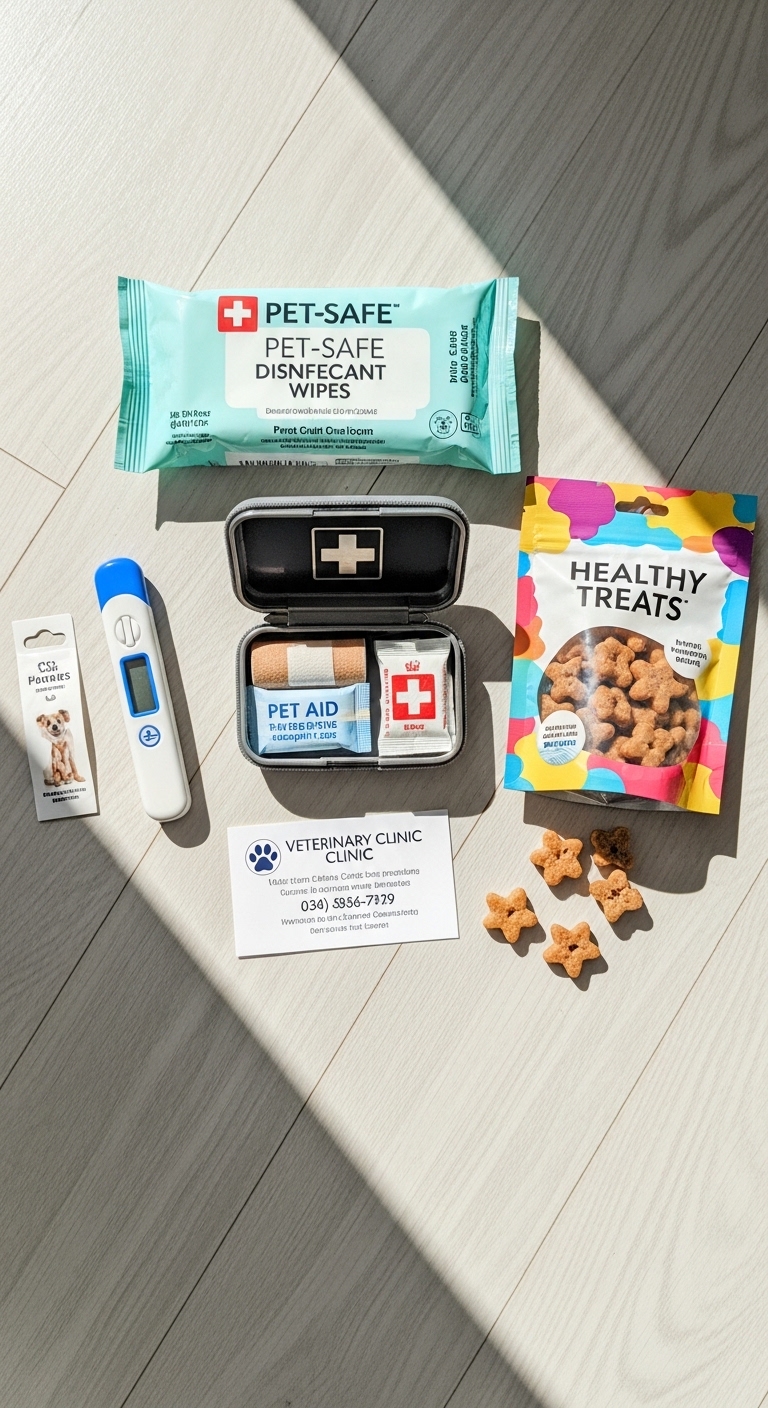
Watch for any changes in your dog’s energy level or appetite, especially if you’ve recently been ill. Coughing or sneezing can be subtle signs, so pay attention during playtime or walks. If your dog seems unusually tired or reluctant to move, it might be worth checking their temperature and consulting your vet. Keep an eye on their breathing too: labored breaths or wheezing aren’t normal and should prompt a call to the clinic. Remember that these symptoms don’t always mean COVID; allergies, kennel cough, or other issues can cause similar signs.
I once saw a dog owner panic after reading a misleading social media post about a “COVID outbreak” in pets: always check sources with your vet before believing alarming claims.
Daily care habits
If you’re feeling unwell, limit close contact with your dog just as you would with other people. Wash your hands before feeding or petting, and avoid letting your dog lick your face. Keep their bedding and toys clean, and disinfect high-touch areas like food bowls. If you cough or sneeze, turn away and cover your mouth just like you would in public. These small habits go a long way in reducing any risk of transmission.
Choosing the right product
Stick to vet-approved cleaning supplies for wiping down your dog’s paws or bedding. Avoid harsh disinfectants like bleach unless they’re properly diluted and rinsed off. When buying toys or collars, look for durable, non-toxic materials that are easy to clean. If your dog wears a harness, choose one with breathable fabric to prevent skin irritation during longer wear. Always check labels for pet-safe certifications, especially for items used daily.
Safety and comfort
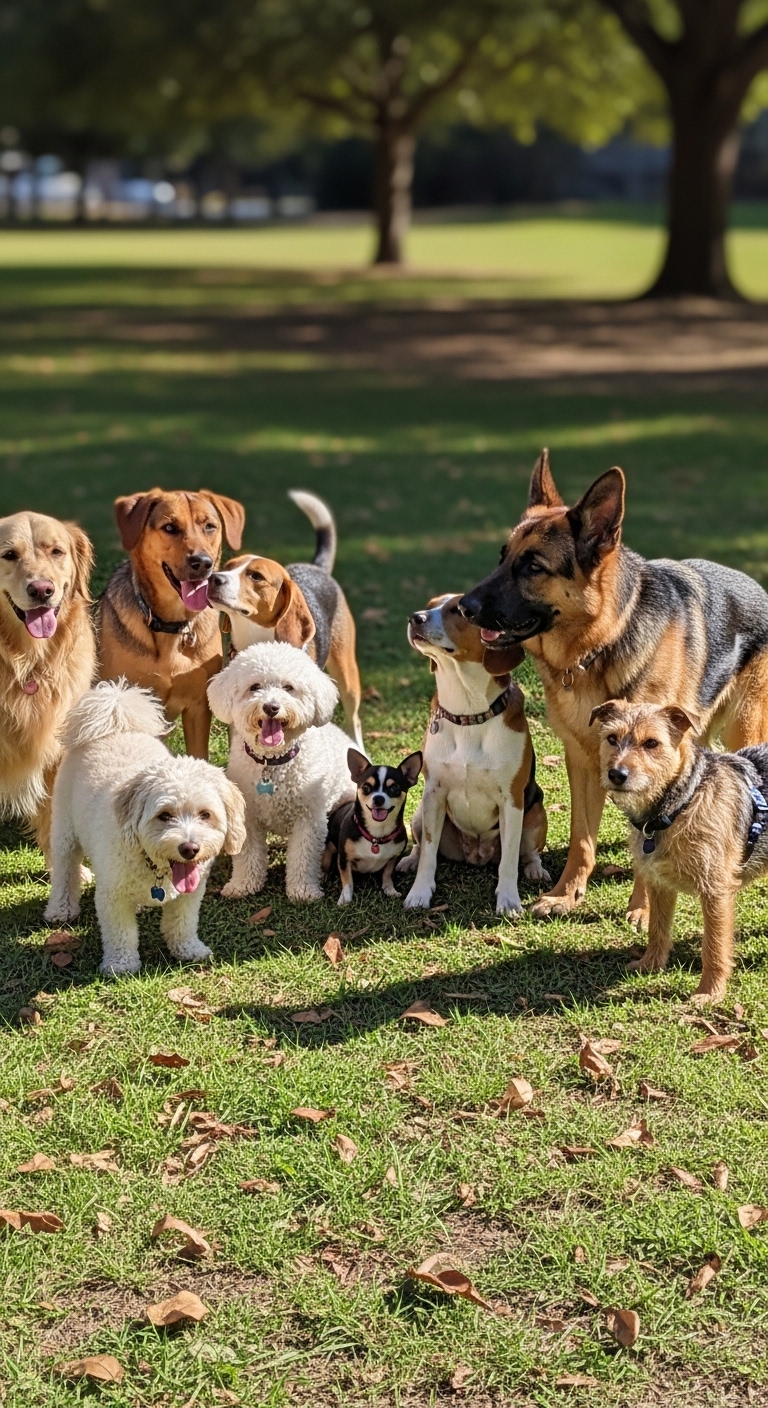
Isolate your dog from other pets if you test positive, just as you would with people. Keep their space calm and quiet to reduce stress, which can weaken their immune response. Offer soft bedding and familiar items like their favorite blanket to help them feel secure. If your dog seems anxious or restless, gentle petting or a quiet walk might help them relax. Avoid crowded dog parks or busy areas until you’re both symptom-free.
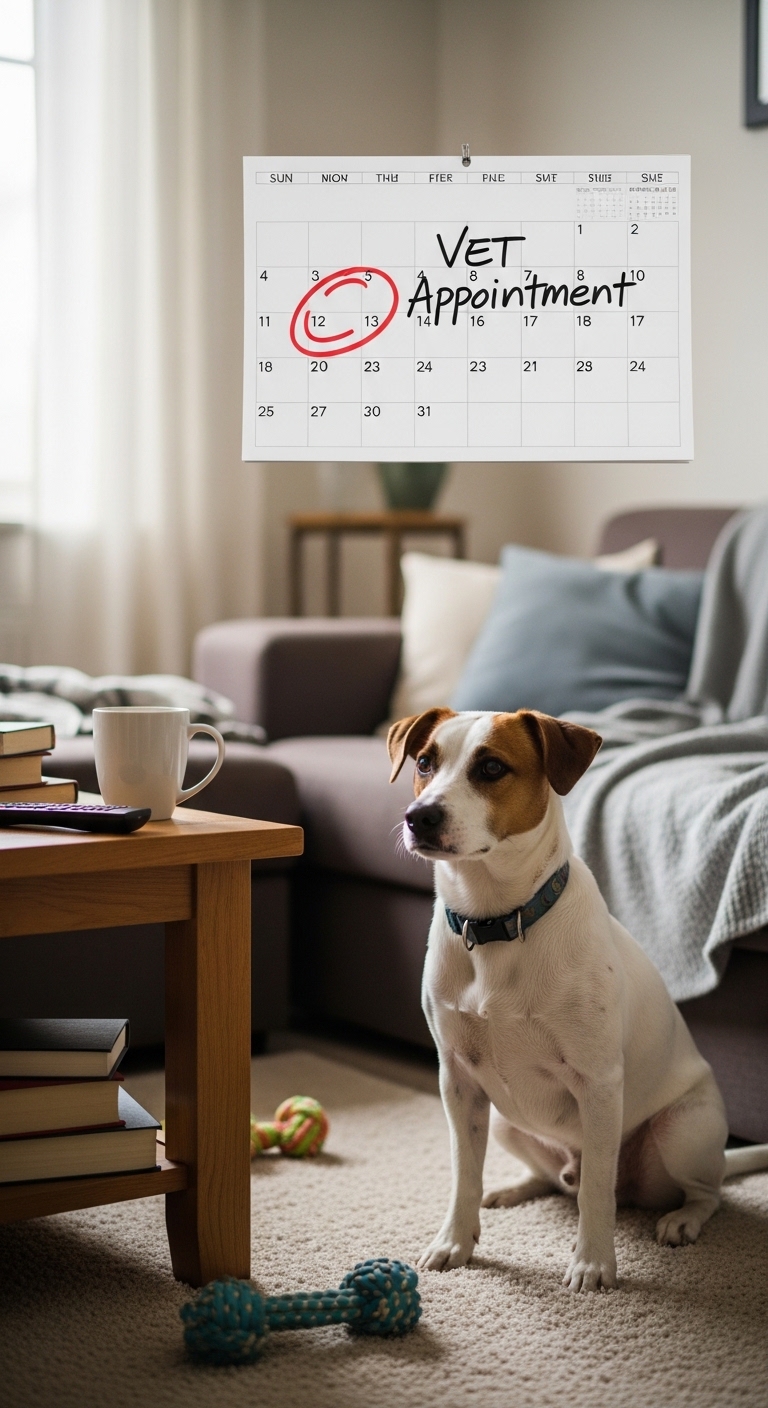
Understanding the risks and taking simple precautions can help you protect your dog without unnecessary stress. Stay informed, stay calm, and focus on keeping both of you healthy.
Frequently Asked Questions
- → Can dogs catch COVID-19 from humans?
Yes, dogs can contract COVID-19 from infected humans, though cases are rare. The virus spreads through respiratory droplets or close contact.
- → What are the symptoms of COVID-19 in dogs?
Symptoms may include coughing, sneezing, lethargy, fever, or difficulty breathing. Most cases are mild or asymptomatic.
- → How can I protect my dog from COVID-19?
Wash your hands before handling your pet, avoid close contact if you’re sick, and disinfect surfaces. Vaccination for humans also helps reduce transmission risks.
- → Should I get my dog tested for COVID-19?
Testing is only recommended if your dog shows symptoms and has been exposed to an infected person. Most cases resolve without treatment.
- → Can dogs spread COVID-19 to other pets?
There is no evidence that dogs spread COVID-19 to other pets. Transmission is primarily human-to-human.
- → Are certain dog breeds more susceptible?
No specific breeds are more susceptible, but older dogs or those with pre-existing conditions may be at higher risk of severe symptoms.
- → What should I do if my dog tests positive?
Isolate your pet, monitor symptoms, and contact your vet for guidance. Most dogs recover with supportive care.