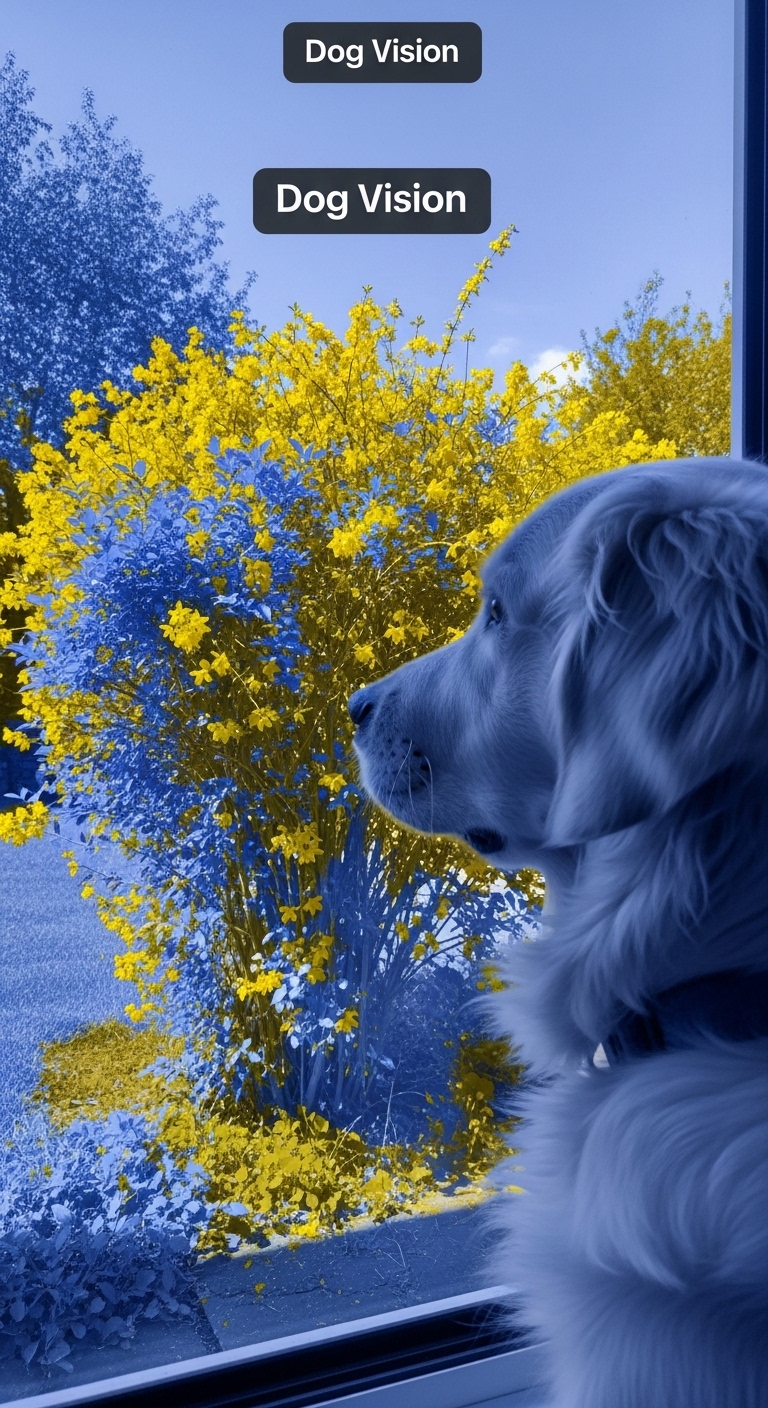
Can dogs eat salmon? It’s a question many pet owners ask, especially when they’re preparing a meal and their pup gives them those big, hopeful eyes. Salmon is packed with healthy fats and protein that can benefit dogs, but it’s not as simple as tossing a piece of raw fish their way. Knowing the right way to serve it or when to avoid it altogether can make a big difference in your dog’s health and happiness.
I remember the first time I gave my golden retriever a piece of cooked salmon: she devoured it in seconds, tail wagging wildly. But it wasn’t until later that I realized how important it was to remove all the tiny bones first. That small oversight could have turned into a serious problem.
Key Things to Understand
- Salmon is safe for dogs only when properly cooked and served without bones or seasoning: Raw salmon can carry parasites like Neorickettsia helminthoeca, which causes salmon poisoning disease in dogs.
- Never feed your dog salmon that has been smoked: The high salt content is harmful.
- Avoid seasoning salmon with garlic, onions, or excessive oils: These are toxic to dogs.
- Introduce salmon slowly into your dog’s diet: Check for allergies or digestive upset.
What to Look For
Watch for signs of an allergic reaction after your dog eats salmon, such as itching, swelling, or vomiting. These reactions aren’t always immediate, so keep an eye on your pet for at least 24 hours after the first few servings. If your dog has never had fish before, start with a very small amount to see how they tolerate it. Pay attention to how your dog reacts to the texture and smell of salmon. Some dogs love it right away, while others may sniff it cautiously or even turn their nose up. If your dog seems uninterested or avoids it, don’t force it: there are plenty of other protein sources that might suit them better.
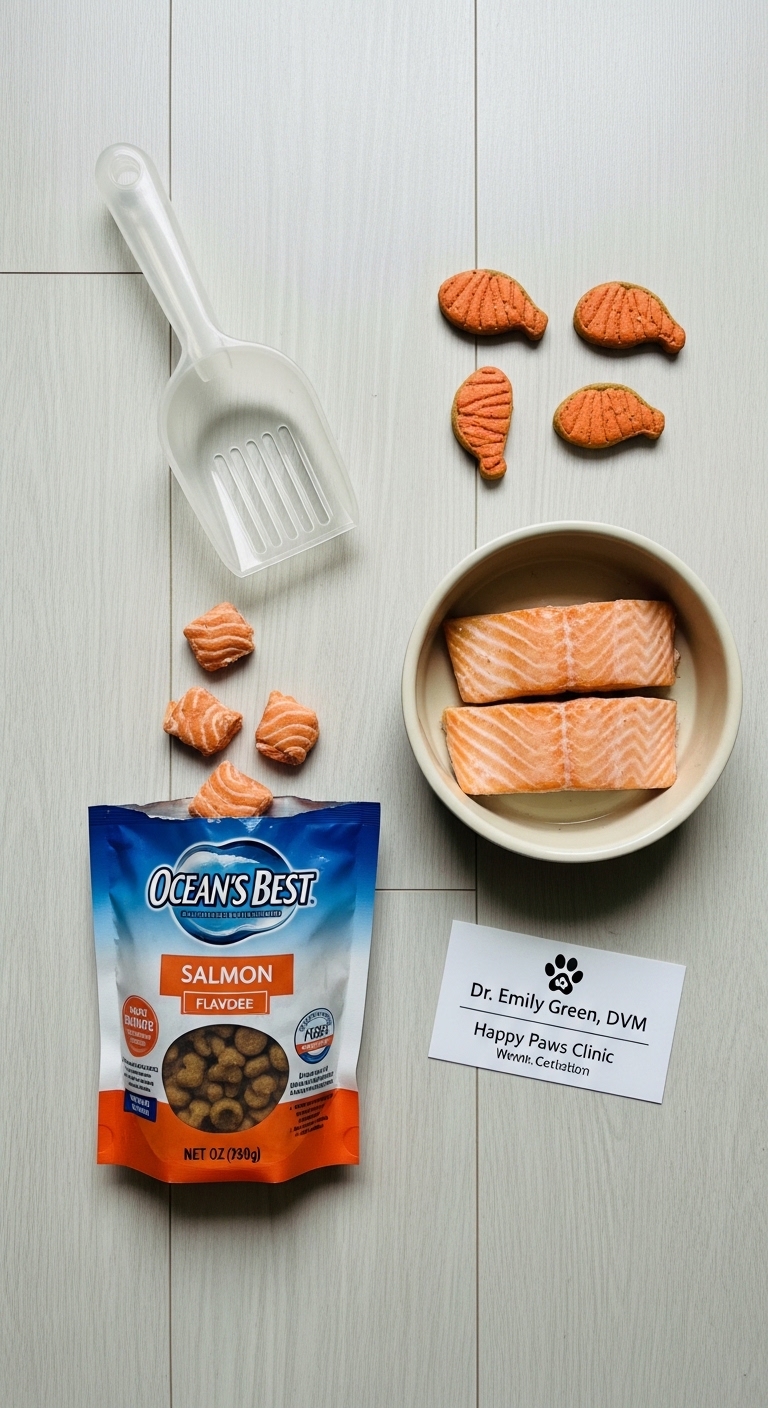
A common mistake I see is pet owners assuming that any fish is fine for their dog. But even something as simple as feeding salmon that’s been seasoned with onions can lead to serious health issues. Always double-check ingredients before sharing human food with your pet. Another thing to remember is portion control. Even healthy foods can cause problems if given in excess. A small piece of salmon as an occasional treat is fine for most dogs, but it shouldn’t replace their regular, balanced diet.
Safe Ways to Serve Salmon
Cooking salmon for your dog is straightforward, but there are a few key steps to follow. Start by baking or boiling the salmon without any added salt, butter, or seasonings. Steaming is another great option, as it preserves the nutrients without introducing harmful additives. Once cooked, let it cool completely before serving to avoid burning your dog’s mouth. Remove all bones carefully, even the tiny ones that might be hard to see. Run your fingers along the fish to feel for any hidden bones, and consider using a pair of tweezers to pull out any you find. If you’re unsure, you can mash the salmon into your dog’s regular food to make it easier to eat and digest.
Portion Sizes Matter
For small dogs, a teaspoon or two of cooked salmon is plenty. Larger breeds can handle a bit more, but it should still be a small portion compared to their regular meals. Think of it as a supplement, not a staple.
Signs of Trouble After Feeding Salmon
Even when you’ve taken all the right steps, some dogs might still have a negative reaction. Watch for vomiting, diarrhea, or lethargy within a few hours of eating salmon. These could be signs of an upset stomach or, in rare cases, an allergy. If your dog shows any of these symptoms, stop feeding salmon and contact your vet. Another thing to watch for is excessive itching or redness of the skin, which could indicate an allergic reaction. Some dogs develop hot spots or rashes after eating new foods, so keep an eye on their coat and skin condition. If you notice anything unusual, it’s better to be safe and consult your vet.
Alternatives to Salmon
If your dog doesn’t tolerate salmon well, there are plenty of other fish options that are safe and nutritious. Whitefish, cod, and sardines are all great choices that provide similar benefits without the risk of parasites. Always cook these fish thoroughly and remove any bones before serving. You can also look for high-quality commercial dog foods that include fish as a primary ingredient. These are formulated to meet your dog’s nutritional needs and are a convenient way to ensure they’re getting the right balance of nutrients. Just check the label to make sure the fish is listed as a main ingredient, not just a small part of the recipe.
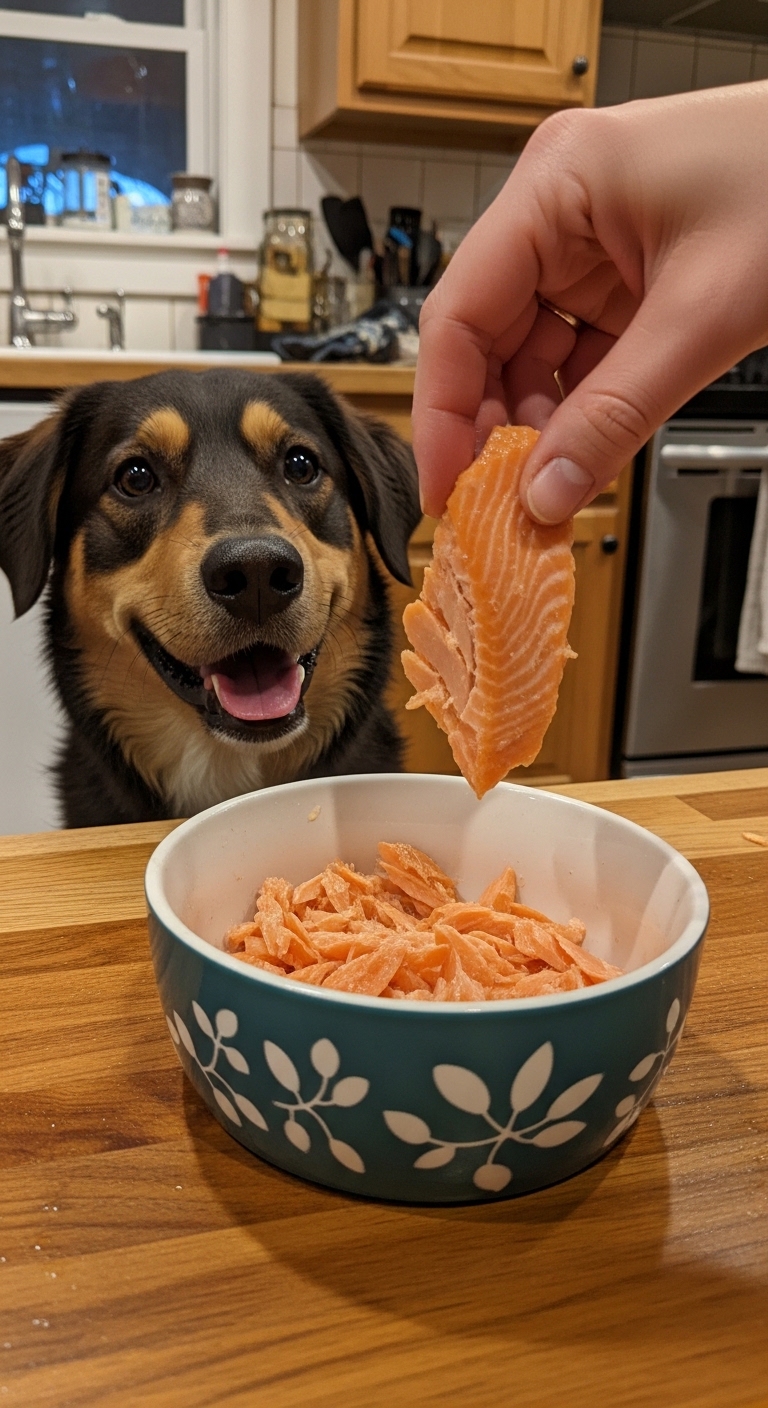
Salmon can be a healthy treat for dogs when prepared correctly, but it’s important to stay informed and cautious. Always prioritize your dog’s safety and consult your vet if you’re unsure.
Frequently Asked Questions
- → Is salmon safe for all dogs?
Most dogs can safely eat salmon in moderation, but those with fish allergies or pancreatitis should avoid it. Puppies and senior dogs may also need smaller portions. Always introduce new foods gradually and watch for adverse reactions.
- → How should I prepare salmon for my dog?
Cook salmon thoroughly by steaming, baking, or boiling without oil, salt, or seasoning. Remove all bones and skin before serving. Avoid raw salmon due to parasite risks like Neorickettsia helminthoeca, which causes salmon poisoning disease.
- → Can dogs eat raw salmon?
No, raw salmon should never be fed to dogs. It may contain parasites that cause salmon poisoning disease, a potentially fatal condition. Always cook salmon to kill harmful pathogens and parasites before serving.
- → How much salmon can I give my dog?
Salmon should be an occasional treat, making up no more than 10% of your dog's diet. For a medium-sized dog, start with 1-2 small pieces (about 1 oz) and adjust based on size and tolerance. Overfeeding can lead to digestive issues or obesity.
- → What are the benefits of salmon for dogs?
Salmon is packed with omega-3 fatty acids, which promote healthy skin and coat, reduce inflammation, and support joint health. It also provides high-quality protein for muscle maintenance and essential vitamins like B12 and D.
- → Are there risks to feeding salmon to dogs?
Potential risks include pancreatitis from high fat content, allergies, or salmon poisoning disease from raw salmon. Always remove bones to prevent choking or internal injuries. Monitor your dog for vomiting, diarrhea, or itching after feeding salmon.