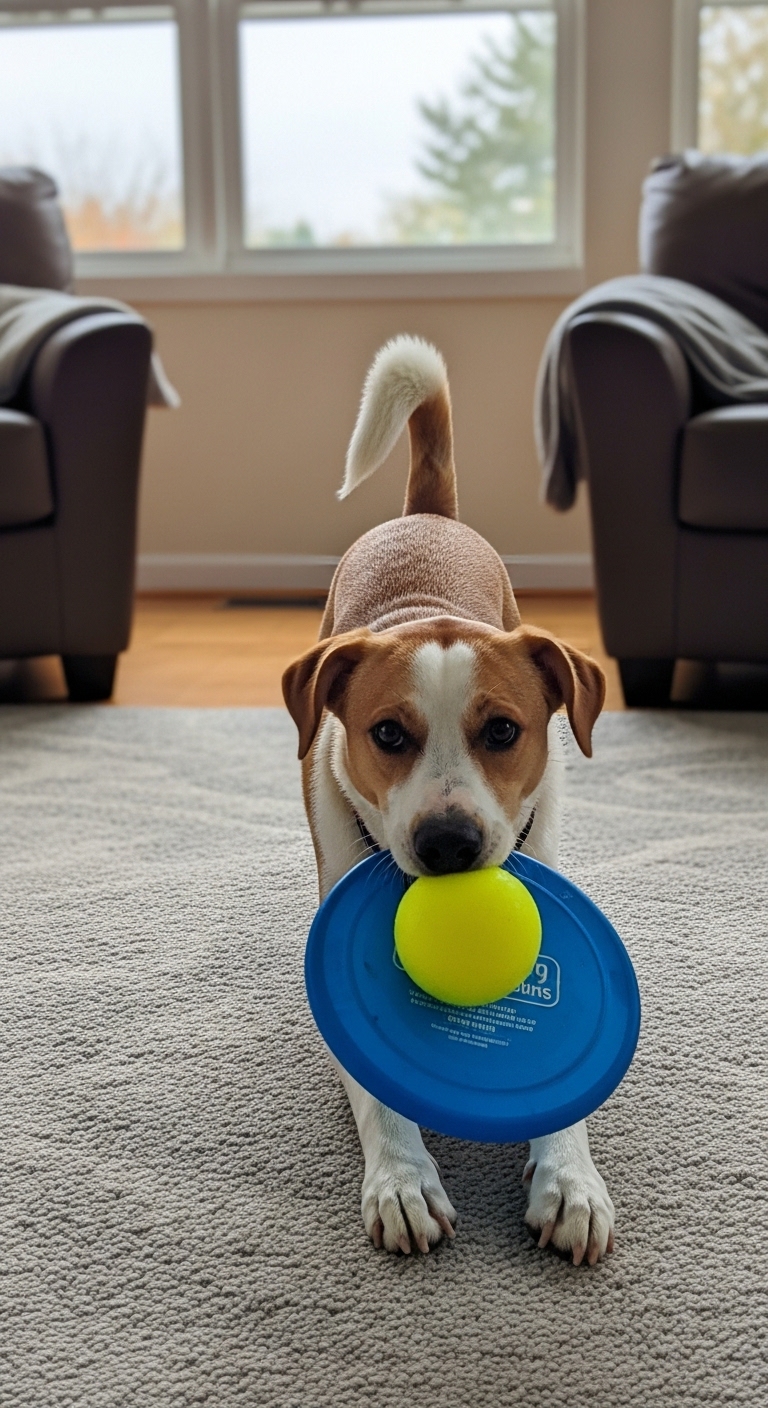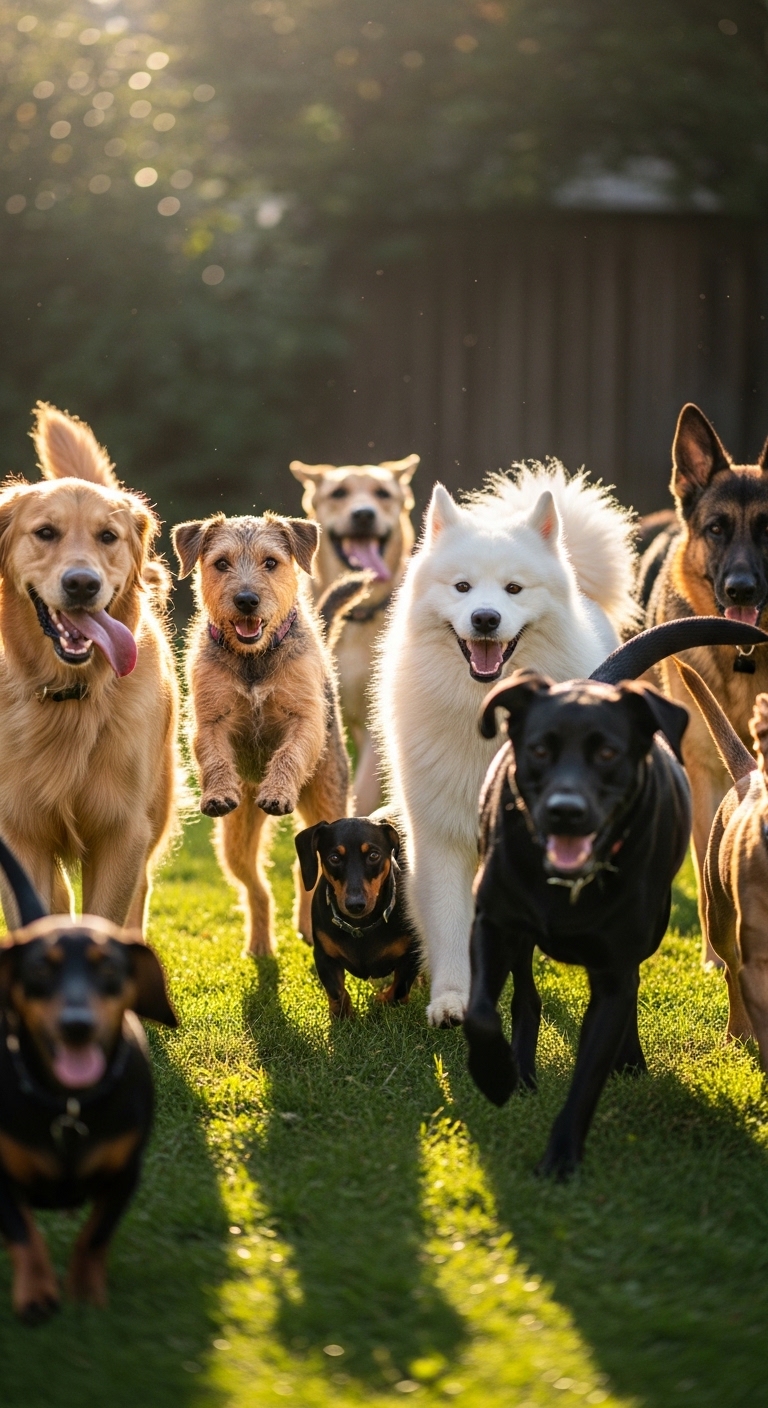
How long dogs live isn’t just a number: it’s a reflection of the care they receive, the choices we make as owners, and the genetic hand they’re dealt. Most dogs live between 10 to 13 years, but that range can shift dramatically based on breed, size, diet, and lifestyle. A small Chihuahua might celebrate its 20th birthday while a giant Great Dane struggles past 8. Understanding these differences helps you set realistic expectations and take actionable steps to extend your dog’s healthy years.
I’ve seen dogs thrive well past their expected years simply because their owners paid attention to the small details like brushing teeth daily or switching to a joint-friendly diet after noticing stiffness.
Key Things to Understand
- Breed size matters more than breed name when predicting lifespan: Smaller dogs generally live longer than larger breeds
- Genetics play a role but environment and care often decide the final outcome: Diet quality directly impacts energy levels, weight, and organ health
- Regular vet visits catch problems early: When they’re easier and cheaper to treat
- Exercise keeps joints mobile: And prevents obesity, a silent lifespan killer
- Dental disease can lead to heart and kidney issues: If left unchecked
What to Look For
Watch for subtle changes in energy, appetite, or movement that might signal early aging. A dog that used to bound up stairs but now hesitates could be developing arthritis. Notice how your dog’s coat looks and feels: dull fur or excessive shedding often points to nutritional gaps or underlying health issues. Pay attention to bathroom habits too; increased thirst or accidents indoors might indicate kidney trouble or diabetes. These aren’t just old age quirks; they’re clues that something needs attention.
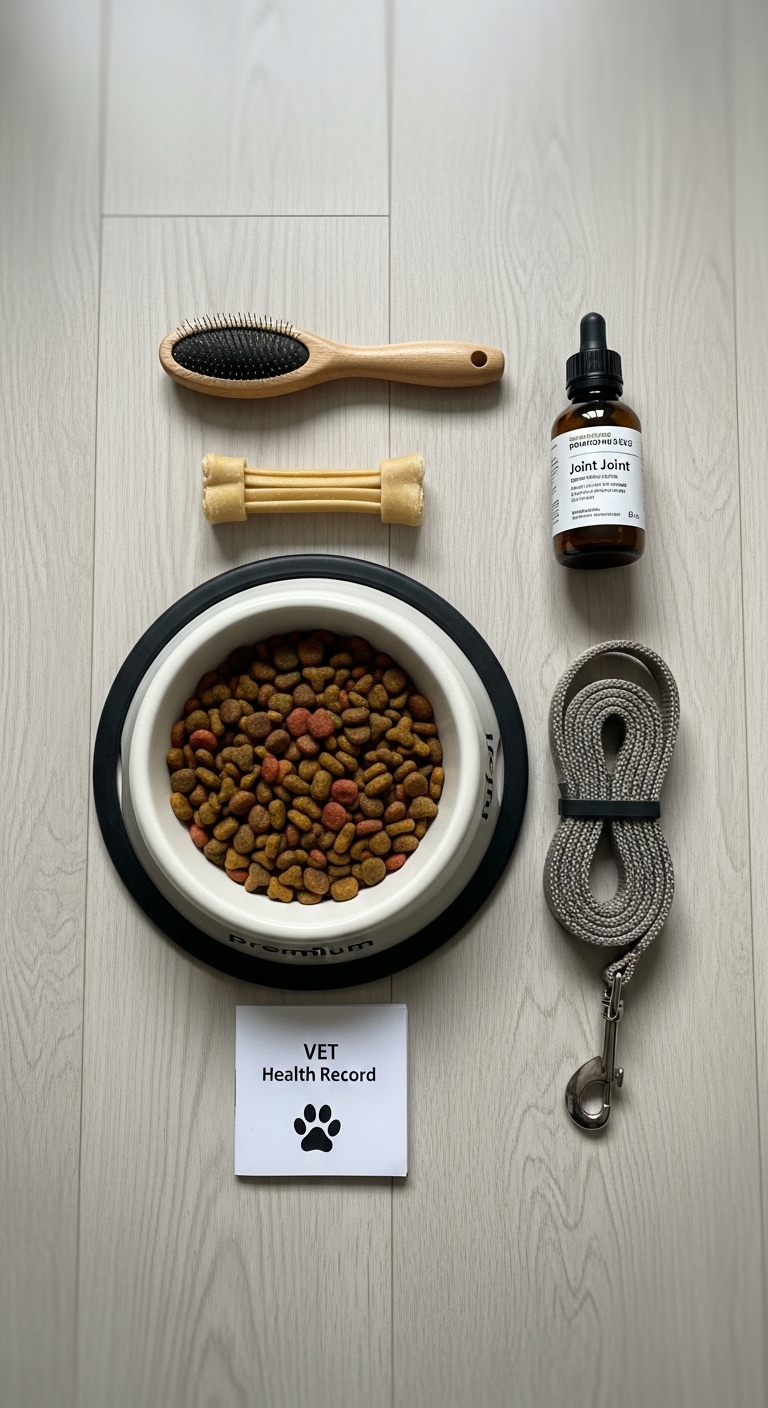
Most owners assume a 15-pound dog ages like a human every year after age 7, but that’s not accurate. A 1-year-old small breed is more like a 15-year-old human, while a 1-year-old giant breed is closer to a 30-year-old human. This difference explains why early care matters so much for larger dogs.
Daily Care Habits
Small daily routines make the biggest difference in longevity. A 10-minute walk after meals aids digestion and prevents obesity, while a quick teeth brushing session reduces harmful bacteria that damage organs over time. Keep water fresh and accessible: dehydration accelerates kidney stress, especially in older dogs. Notice how your dog sleeps; restless nights or frequent position changes can signal joint discomfort or cognitive decline.
Choosing the Right Product
Food quality tops the list for lifespan impact. Look for high-protein formulas with real meat as the first ingredient, and avoid fillers like corn or by-products that offer little nutrition. Joint supplements with glucosamine and chondroitin support mobility, while omega-3 fatty acids reduce inflammation. For treats, choose single-ingredient options like freeze-dried liver instead of processed biscuits loaded with preservatives.
Safety and Comfort
Avoid slippery floors that force your dog to compensate with stiff joints. Add rugs or non-slip mats in high-traffic areas to reduce fall risks. Keep walkways clear of clutter that could cause tripping, especially for senior dogs with reduced vision. Watch water temperatures during baths: senior dogs with thinning skin burn easily. Consider ramps for furniture or car access to protect aging joints from jumps.
Common Mistakes to Avoid
Overfeeding is the fastest way to shorten a dog’s life. Portion control based on age, activity, and breed size prevents obesity-related diseases like diabetes and heart conditions. Skipping dental care leads to painful infections that spread bacteria to the heart and kidneys. Ignoring vet visits because your dog “seems fine” often means missing early signs of trouble. Relying solely on online advice without professional guidance can lead to dangerous supplement overdoses or incorrect treatment plans.
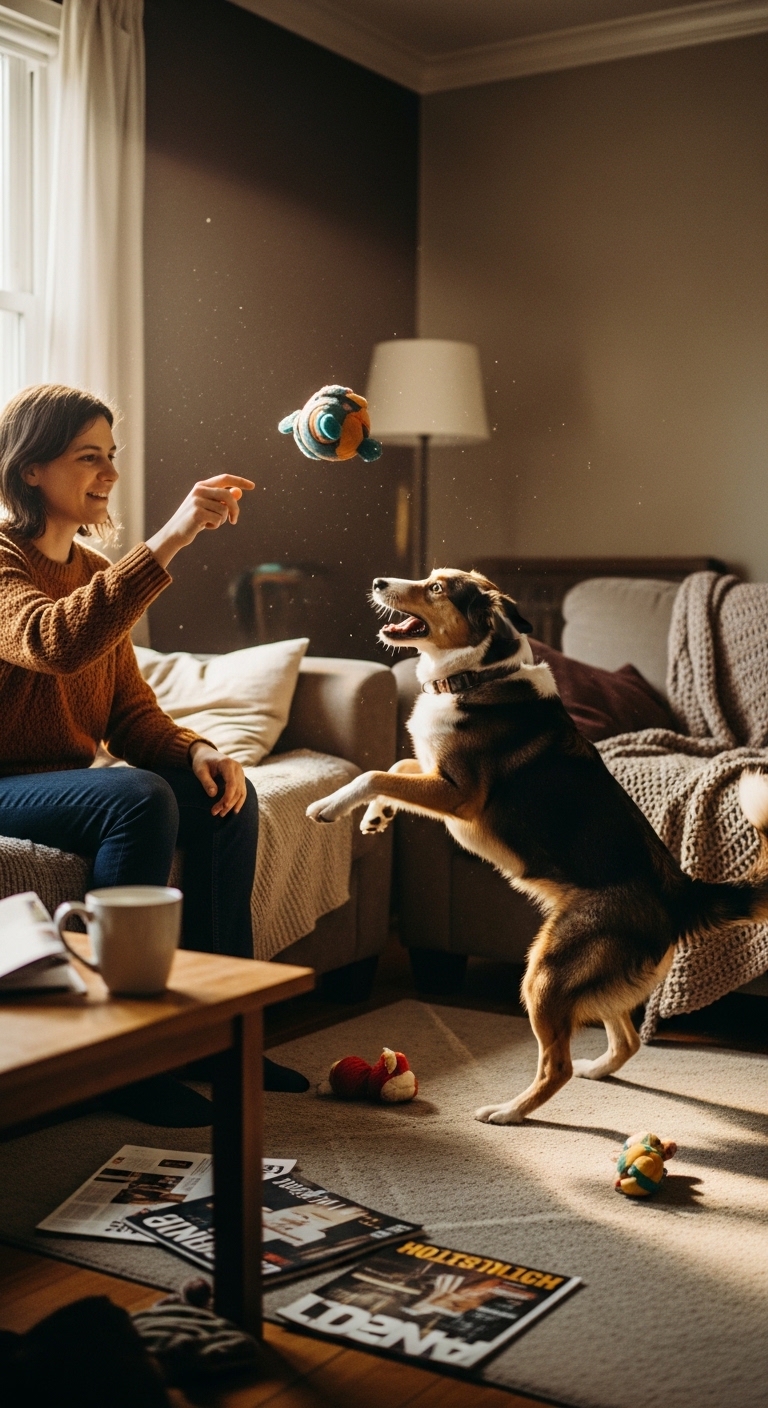
Small changes add up to big differences in how long your dog stays by your side. Focus on consistency over perfection: daily walks, quality food, and attentive care matter more than occasional treats or missed days.
Frequently Asked Questions
- → What is the average lifespan of a dog?
The average lifespan of a dog ranges from 10 to 13 years, but this varies widely by breed and size. Smaller breeds generally live longer than larger breeds.
- → Which dog breeds live the longest?
Smaller breeds like Chihuahuas, Toy Poodles, Dachshunds, and Jack Russell Terriers often live 15+ years. Mixed breeds also tend to have longer lifespans due to genetic diversity.
- → How can I help my dog live longer?
Provide a balanced diet, regular exercise, routine veterinary check-ups, and mental stimulation. Avoid obesity, keep vaccinations up to date, and maintain good dental hygiene.
- → Does spaying or neutering affect a dog's lifespan?
Yes, spayed or neutered dogs often live longer due to reduced risks of certain cancers and infections. It also helps prevent unwanted litters and associated health issues.
- → What are common signs of aging in dogs?
Common signs include reduced mobility, graying muzzle, changes in appetite, decreased energy, and dental issues. Regular vet visits can help manage age-related conditions.
- → Can diet impact my dog's lifespan?
Absolutely. A high-quality diet tailored to your dog's age, size, and health needs supports organ function, weight management, and disease prevention, all of which contribute to longevity.