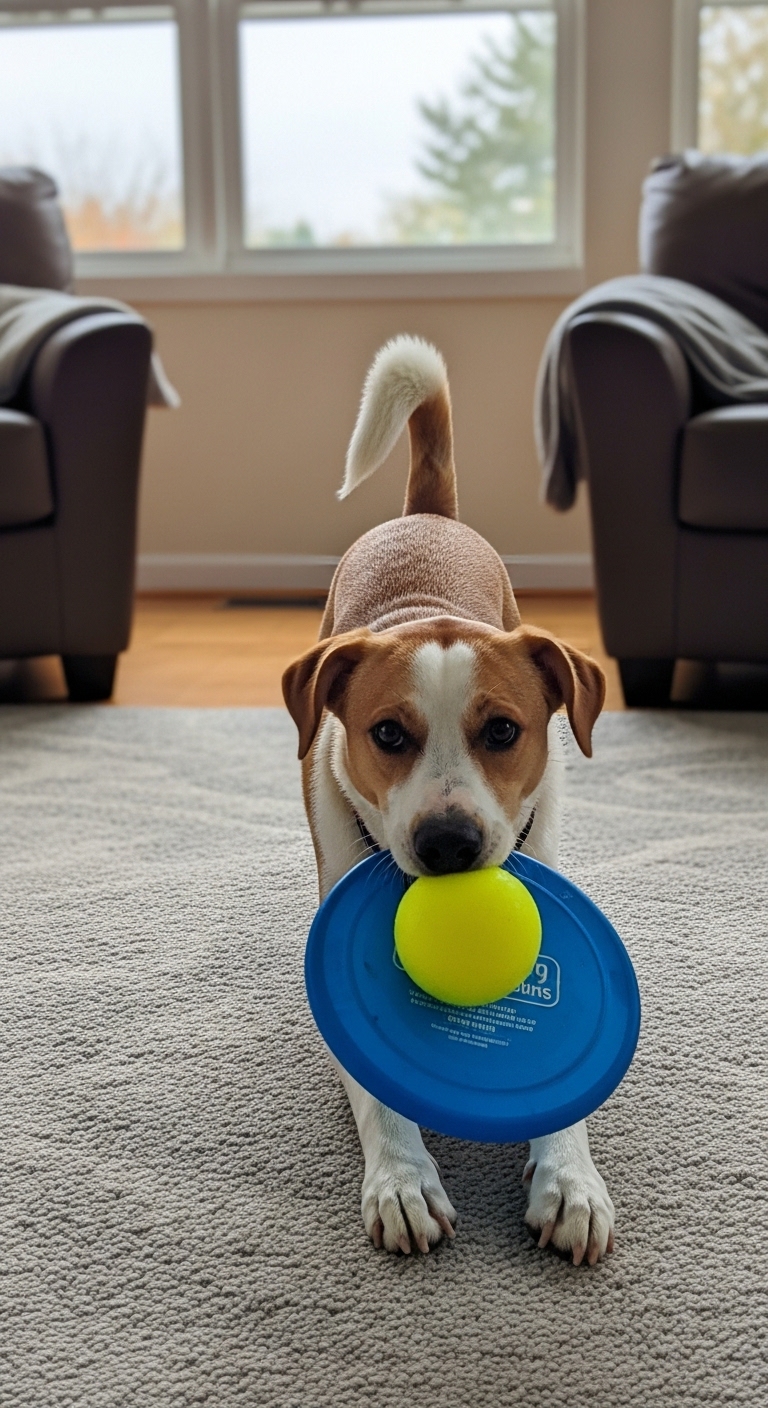
Dogs have a natural ability to navigate the night that often surprises their owners. While we reach for flashlights or lamps when the sun goes down, many dogs seem perfectly comfortable moving around in dim light or even complete darkness. This difference isn’t just interesting: it affects how we care for them, from nighttime walks to home safety. Understanding how your dog sees after dark can help you create a safer, more comfortable environment for them while avoiding unnecessary stress or confusion.
I’ve noticed that dogs with even slightly declining vision often start hesitating at doorways or on stairs at night, which is easy to miss if you don’t know what to look for.
Key Things to Understand
- Dogs see better in dim light than humans but not as well as cats: Their night vision relies more on motion detection than sharp detail.
- A dog’s pupil size changes more dramatically in low light than a human’s: This allows more light to enter their eyes.
- Not all breeds have the same night vision ability: Some are naturally better than others.
- Cloudy eyes, excessive squinting, or bumping into objects: These can signal vision problems.
What to Look For
Pay attention to how your dog moves around the house after dark. If they suddenly hesitate at familiar doorways or seem to misjudge distances, it could point to vision changes. Notice whether they rely more on scent or sound than sight when navigating in dim light. Watch their pupils: if they stay unusually dilated or don’t adjust quickly to light changes, it may affect their nighttime comfort. Also observe their behavior during evening walks. Dogs with good night vision typically move confidently, while those struggling might lag behind or seem hesitant near shadows or obstacles.
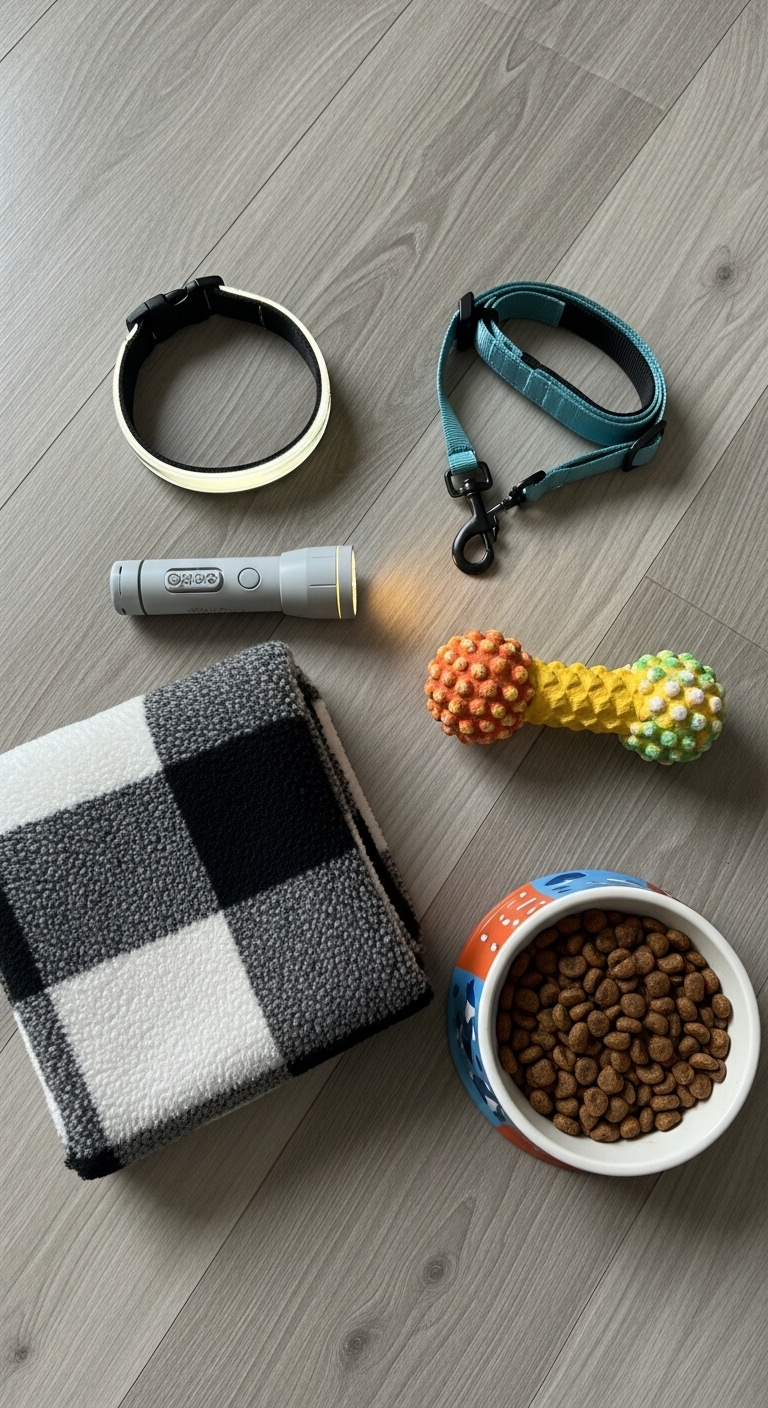
I once had a senior dog who started bumping into furniture at night, only for the vet to discover early cataracts. Regular check-ups can catch these issues before they become serious. If your dog seems unusually clumsy after dark, it’s worth mentioning to your vet rather than assuming it’s just part of aging.
How Dogs See in the Dark
Dogs rely on a combination of vision, smell, and hearing to navigate darkness. Their eyes contain more rod cells than humans, which detect movement and light but not fine details. This is why they might spot a squirrel darting across the yard at night but struggle to recognize a stationary toy. Their pupils also dilate much wider than ours, allowing more light to enter. However, this doesn’t mean they see perfectly in pitch black: just that they handle dim light far better than we do.
Breed Differences in Night Vision
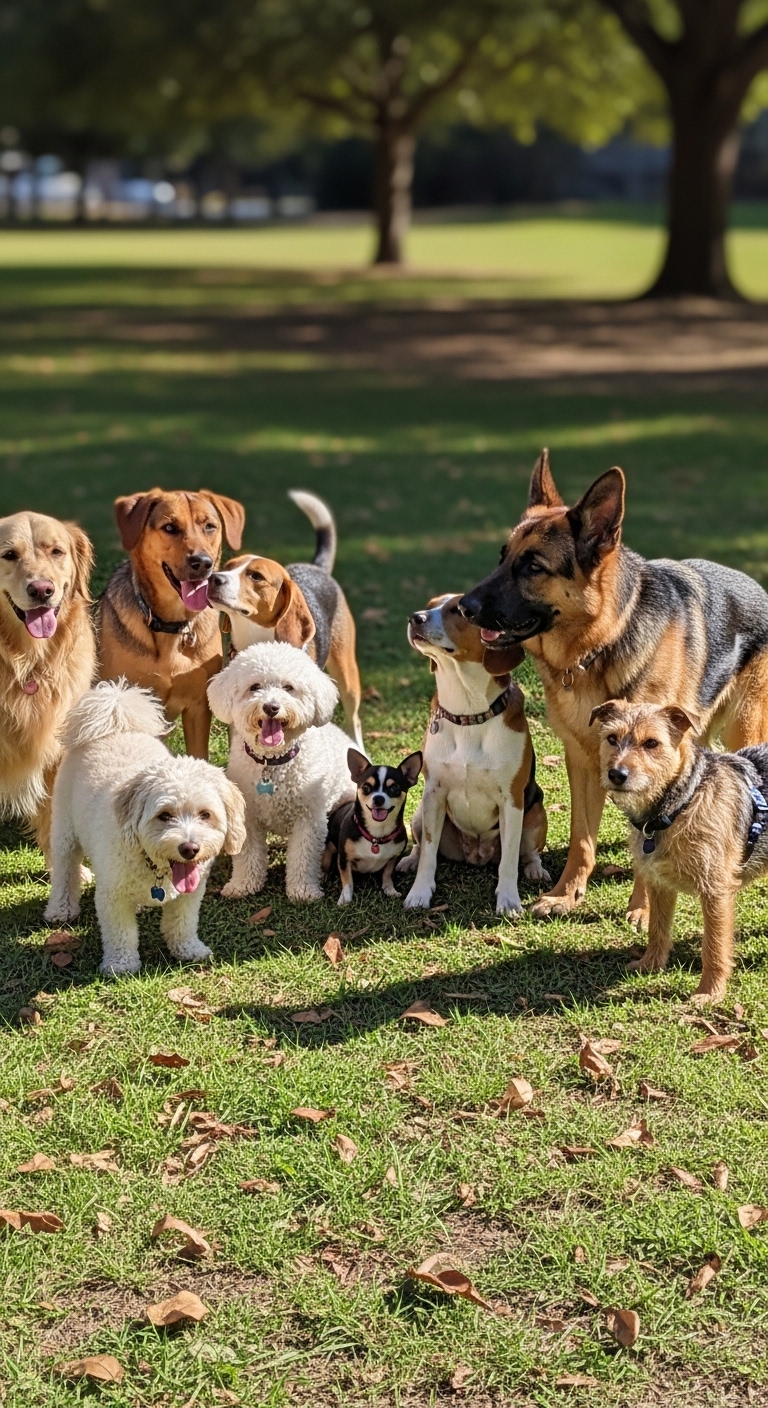
Some breeds naturally have superior night vision due to their ancestry. Sighthounds like Greyhounds and Whippets, bred for hunting, often have better low-light vision than brachycephalic breeds like Bulldogs. Working breeds such as German Shepherds and Belgian Malinois also tend to have sharper night vision due to their training and roles. If you have a breed with deep-set eyes or a history of nighttime work, they’ll likely handle darkness better than a breed with a flatter face.
Signs Your Dog’s Night Vision Is Declining
Early signs can be subtle. You might notice your dog squinting more in bright light or seeming reluctant to go outside after dark. They may start bumping into furniture or hesitating on stairs, especially if the lighting changes suddenly. Some dogs develop a habit of sticking close to walls or furniture when moving through dim areas, using touch as a guide. If you see excessive pawing at the face or eyes, it could indicate discomfort from poor vision rather than just dryness.
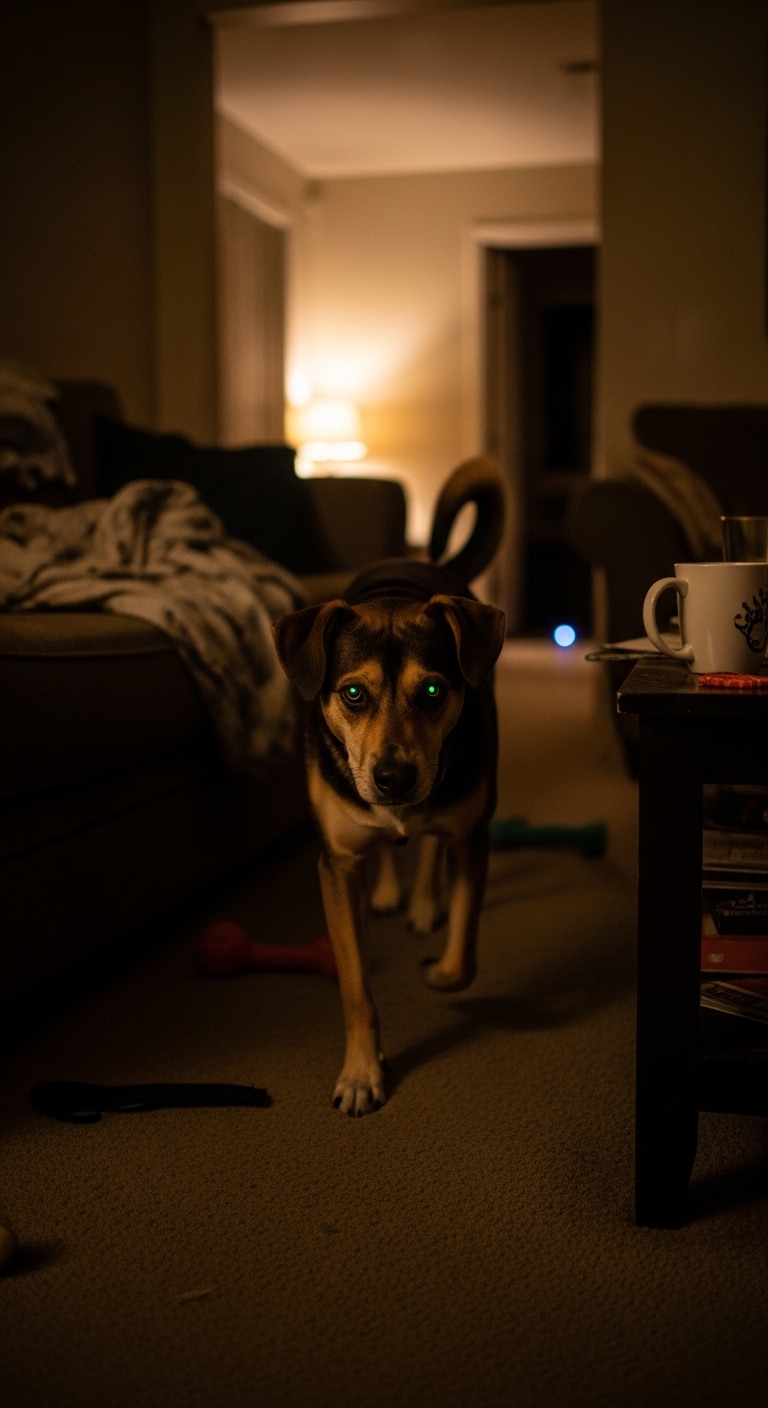
Regular vet check-ups can catch vision problems early, especially as dogs age. If your dog starts showing hesitation or clumsiness at night, don’t wait for it to become a bigger issue.
Frequently Asked Questions
- → How well can dogs see in the dark compared to humans?
Dogs can see much better in low light than humans due to their higher concentration of rod cells and the tapetum lucidum, a reflective layer in their eyes that enhances night vision.
- → Do dogs see colors at night?
While dogs have limited color vision, their night vision prioritizes brightness and movement over color detection. They primarily see in shades of blue and yellow.
- → Can dogs see in total darkness?
No, dogs cannot see in complete darkness. They rely on some ambient light to utilize their enhanced night vision capabilities.
- → Why do dogs’ eyes glow in the dark?
The glowing effect, known as eyeshine, is caused by the tapetum lucidum reflecting light back through the retina, which enhances their night vision.
- → How can I improve my dog’s nighttime safety?
Use nightlights in areas your dog frequents, keep pathways well-lit, and avoid leaving them in unsupervised dark spaces to reduce stress and potential hazards.
- → Do all dog breeds see equally well in the dark?
While all dogs have better night vision than humans, some breeds with larger eyes or specific genetic traits may have slightly enhanced night vision capabilities.