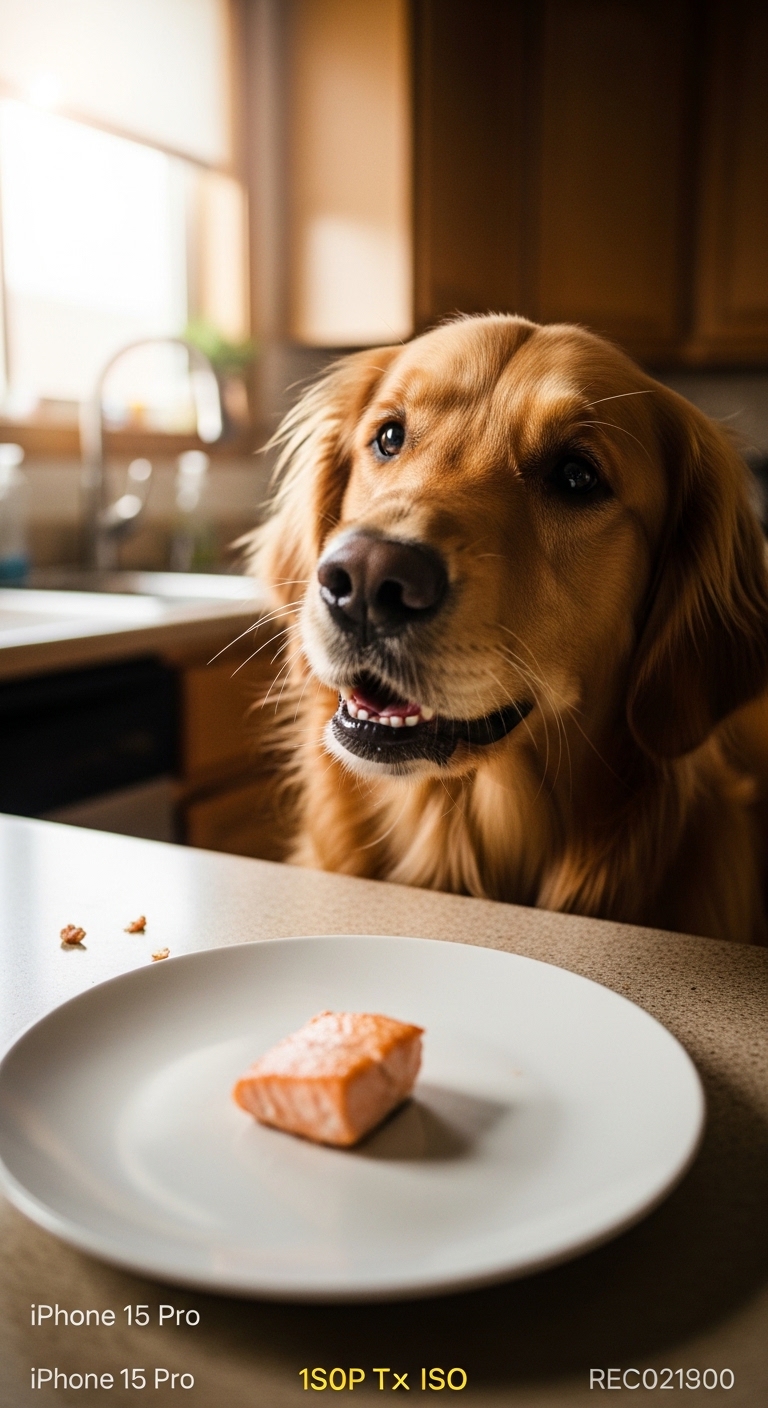
Dog owners often wonder if their pets see the world the same way they do. The truth is, dogs don’t see in full color like humans, but that doesn’t mean they live in a black-and-white world. Understanding how your dog perceives colors can help you choose toys, training tools, and even the colors of their accessories more effectively. It also explains why some dogs get excited about a red ball while ignoring a green one, even if it’s right in front of them.
Think about how your dog reacts to a bright yellow tennis ball versus a dark blue one. The yellow one might stand out more because of its brightness, not necessarily because of the color itself.
Key Things to Understand
- Color perception: Dogs see fewer colors than humans because their eyes have fewer types of color-detecting cells called cones. While humans have three types of cones, dogs only have two, which limits their color spectrum.
- Red-green blindness: Their vision is similar to what a person with red-green color blindness experiences. Reds and greens appear as shades of yellow, brown, or gray to them.
- Brightness and movement: Dogs rely heavily on brightness and movement to detect objects. A bright red toy might stand out more than a green one because of its intensity.
- Peripheral vision: Their peripheral vision is wider than humans, covering about 240 degrees compared to our 180 degrees. This helps them spot movement from the sides more easily.
- Night vision: Dogs have better night vision than humans because their eyes contain more rod cells, which are sensitive to low light. This is why they can see better in dim lighting.
What to Look For
When choosing toys or training tools, look for bright colors like yellow, blue, or orange. These shades appear more distinct to dogs than red or green, making them easier to spot against grass or other backgrounds. Pay attention to how your dog reacts to different colored objects. If they ignore a toy that seems obvious to you, it might be because the color blends into their surroundings. Notice their behavior in low-light conditions. If your dog seems more confident or alert at dusk, it could be because their night vision is sharper than yours. Watch for signs of confusion or hesitation during training. If your dog struggles to follow hand signals or toys, it might be because the colors aren’t standing out enough for them.

Many pet owners don’t realize that dogs rely more on scent and sound than sight. If your dog isn’t responding to a brightly colored toy, try shaking it or using a treat to get their attention instead. Their sense of smell is far more developed than their color perception, so a scented toy might work better than one that’s just brightly colored.
Daily Care Habits
Since dogs depend on brightness and movement, use high-contrast colors for their collars, leashes, and bowls. A bright orange collar against green grass makes it easier for you to spot your dog in a park. Avoid relying solely on color when training. Use a combination of verbal cues, hand signals, and treats to ensure your dog understands what you’re asking. If your dog seems hesitant in certain lighting, like under dim indoor lights, try using a flashlight or brighter training area to help them see better.
Choosing the Right Product
When shopping for dog toys, look for bright blues, yellows, and oranges. These colors are more visible to dogs than reds or greens. Avoid toys with red or green hues, as these may blend into grass or other natural backgrounds, making them harder for your dog to spot. Consider toys with reflective strips or glow-in-the-dark features if you often walk your dog in low-light conditions. These can help them see better at night.
Safety and Comfort
Dogs with limited color vision may struggle to distinguish between different objects in their environment. Keep pathways clear of obstacles to prevent trips or collisions. If your dog seems anxious or hesitant in certain areas, it might be due to poor visibility. Adding brighter lighting or using reflective gear can help them feel more secure. Avoid using red or green dyes in pet products, as these colors may not stand out to your dog. Stick to blues, yellows, and oranges for better visibility.
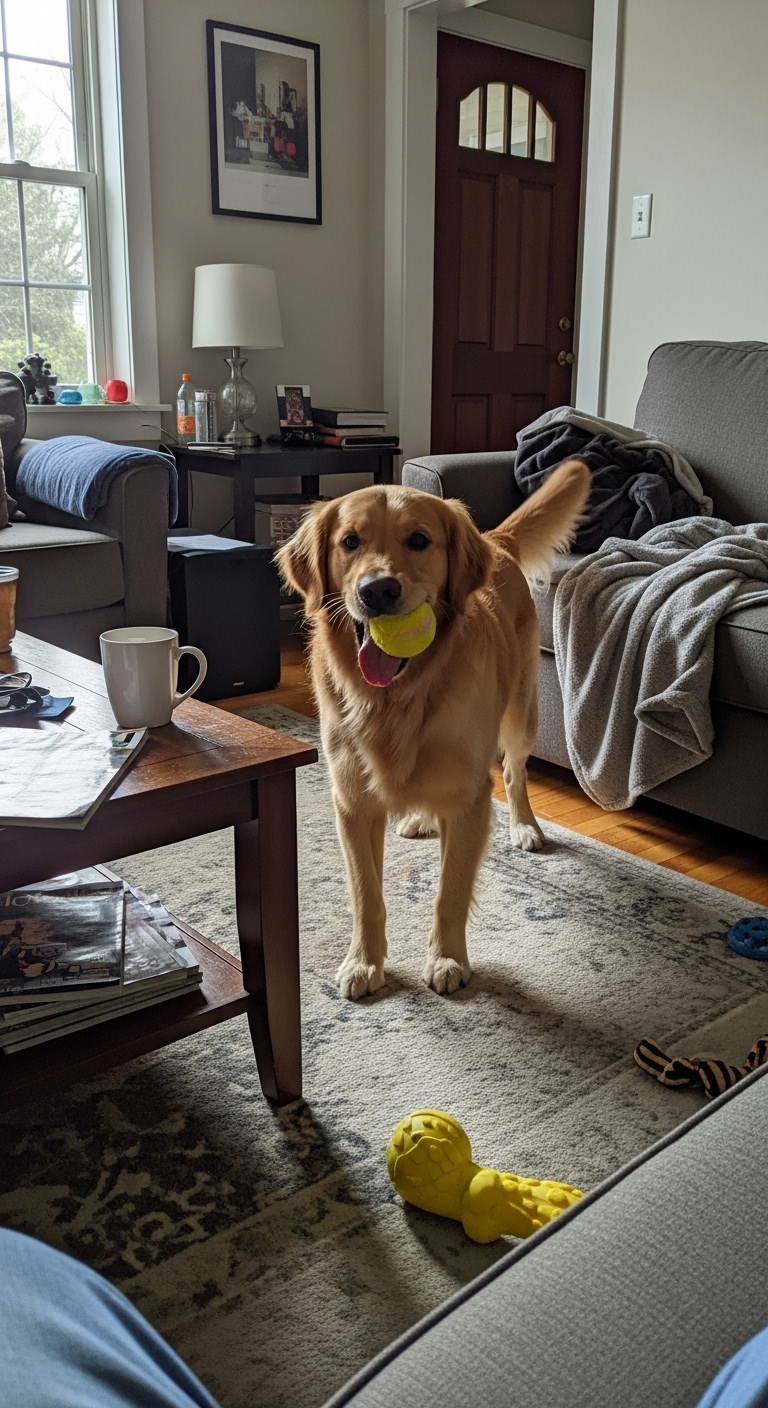
The way your dog experiences the world is different from yours, but that doesn’t mean they’re missing out. By understanding their vision, you can make small adjustments to their environment that will make their life and yours much easier.
Frequently Asked Questions
- → Can dogs see all colors like humans?
No, dogs see a more limited range of colors. They primarily perceive blues, yellows, and shades of gray, but cannot distinguish reds and greens the way humans do.
- → What colors do dogs see best?
Dogs see blue and yellow hues most clearly. These colors stand out more in their vision compared to others.
- → Is red visible to dogs?
Red appears as a dark gray or brown to dogs, making it harder for them to distinguish from other colors in that spectrum.
- → How does dog color vision affect their behavior?
Dogs rely more on scent and movement than color. However, choosing toys in blues and yellows can make them more noticeable during play.
- → Do dogs get confused by certain colors?
Yes, colors like red and green may look similar to dogs, potentially causing confusion in training or play if not accounted for.
- → Can I use color to train my dog better?
Using high-contrast colors like blue or yellow for training aids can help your dog distinguish commands or objects more easily.