
Strawberries are more than just a sweet summer treat: they can be a healthy addition to your dog’s diet when given in the right way. Many pet owners don’t realize that fruits like strawberries can provide vitamins, fiber, and antioxidants that support their dog’s overall health. Instead of reaching for processed snacks, a few fresh strawberries can offer a natural, low-calorie reward that most dogs love. Whether you’re looking to diversify your dog’s diet or just want a healthier alternative to store-bought treats, understanding how strawberries fit into their routine matters.
I remember the first time I gave my dog a strawberry: his tail wagged nonstop, and I realized treats don’t have to come from a bag. That moment made me curious about how other natural foods could fit into his diet.
Key Things to Understand
- Safe in moderation: Strawberries are safe for most dogs in moderation because they contain vitamins C and K along with fiber and antioxidants
- Low-calorie option: They are low in calories, making them a good option for dogs watching their weight or on a diet
- Natural sugars: The natural sugars in strawberries mean they should still be given as an occasional treat rather than a daily food
- Size matters: Small dogs should have strawberries cut into tiny pieces to prevent choking hazards
- Digestive sensitivity: Some dogs may experience mild stomach upset if they eat too many strawberries at once
- Pesticide caution: Organic strawberries are preferable to reduce exposure to pesticides, but washing non-organic ones thoroughly works too
What to Look For
When deciding if strawberries are right for your dog, pay attention to how they react after trying a small piece. Some dogs gobble them up without hesitation, while others might sniff and walk away: both reactions are normal. Watch for signs of excitement or curiosity, which usually means your dog enjoys the taste. If your dog has never had strawberries before, start with just one small piece to see how their stomach handles it. Over time, you can increase the amount slightly if there are no negative reactions. Also, check the texture of the strawberry: ripe ones are softer and easier for dogs to chew, while unripe or hard ones could pose a choking risk. If your dog has a sensitive stomach or food allergies, introduce strawberries slowly and monitor for any changes in digestion or behavior.
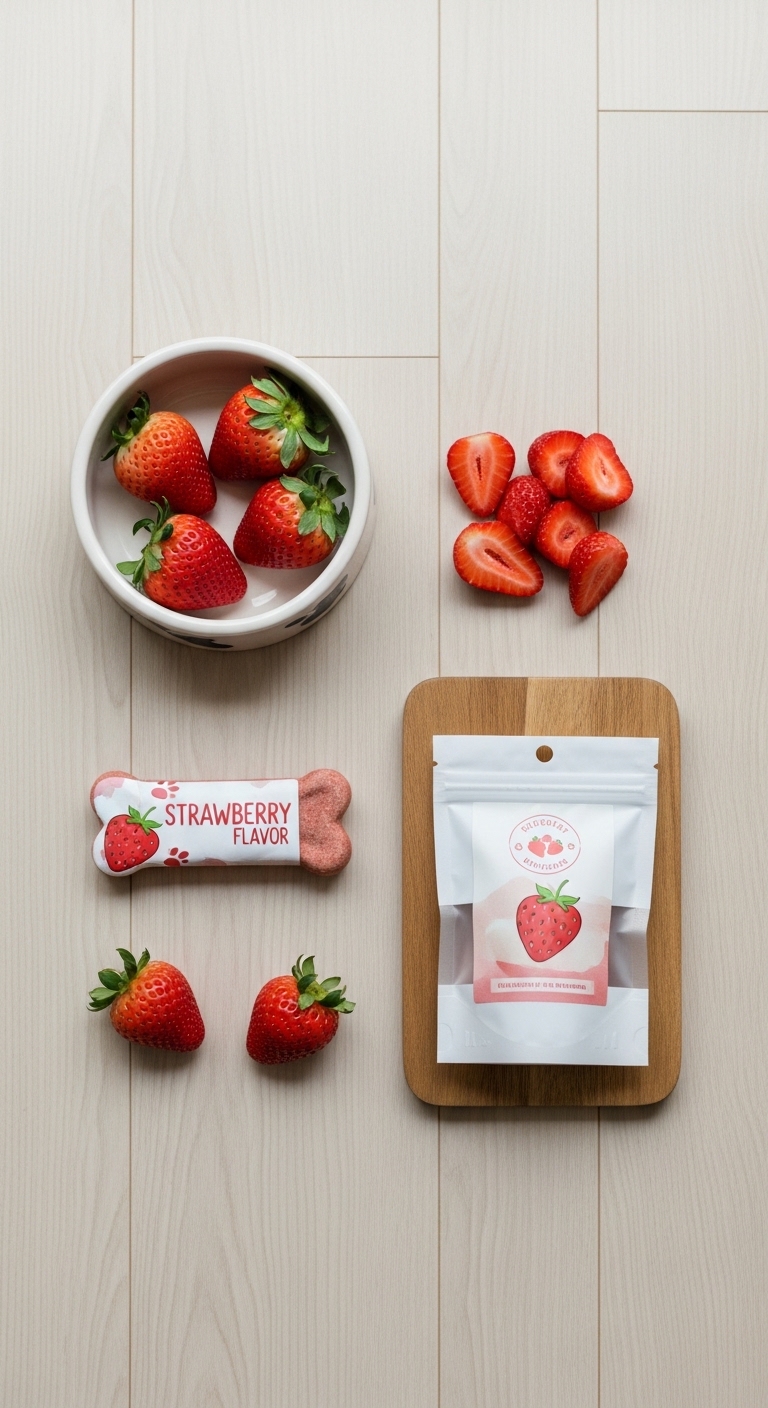
I once gave my neighbor’s dog a strawberry that still had the green stem attached, and it got stuck in their throat for a few seconds. That was a quick lesson in always checking the fruit before sharing it. Also, if your dog has diabetes or weight issues, strawberries should be given in very small amounts because of their natural sugar content.
Daily Care Habits
Incorporating strawberries into your dog’s routine can be as simple as using them as a training reward or mixing small pieces into their regular food. Some owners blend strawberries into homemade dog treats for a fruity twist, while others freeze them for a cool summer snack. If your dog is new to strawberries, try offering one piece during a calm moment rather than after exercise, so you can observe their reaction without added stress. Keep a close eye on their energy levels and bathroom habits for the next 24 hours to ensure the fruit agrees with them.
Choosing the Right Product
When buying strawberries for your dog, fresh is always best, but frozen strawberries without added sugar can work too. Look for organic options when possible to minimize pesticide exposure, but don’t skip washing non-organic strawberries thoroughly. Avoid strawberries that look moldy, mushy, or have an off smell, as these can cause stomach issues. If you’re unsure about the quality, it’s better to skip them altogether than risk giving your dog something that could upset their stomach.
Safety and Comfort
Strawberries are generally safe, but portion control is key. For small dogs, one or two small pieces are plenty, while larger breeds can handle a few more. Always introduce strawberries gradually to avoid digestive upset, and never force your dog to eat them if they’re not interested. If your dog has a history of allergies or sensitive digestion, consult your vet before adding new foods to their diet. Also, keep strawberries out of reach when not in use, as moldy or spoiled fruit can be dangerous.

Strawberries can be a fun and healthy treat for many dogs, but they’re not a one-size-fits-all solution. Every dog reacts differently, so it’s important to observe their response and adjust accordingly.
Frequently Asked Questions
- → Can dogs eat strawberries?
Yes, dogs can eat strawberries in moderation. They are a healthy treat packed with vitamins, fiber, and antioxidants that can benefit your dog's health.
- → How many strawberries can I give my dog?
Start with one or two small strawberries and observe your dog for any adverse reactions. The general guideline is to limit treats to no more than 10% of your dog's daily caloric intake.
- → Are strawberries good for dogs with allergies?
Strawberries are not a common allergen for dogs, but individual sensitivities can vary. Always introduce new foods gradually and monitor your dog for any signs of an allergic reaction.
- → Can puppies eat strawberries?
Yes, puppies can eat strawberries in moderation. Ensure the strawberries are cut into small pieces to prevent choking and introduce them gradually to avoid digestive issues.
- → What are the benefits of strawberries for dogs?
Strawberries are rich in vitamin C, fiber, and antioxidants, which can support your dog's immune system, digestion, and overall health. They also contain enzymes that can help whiten your dog's teeth.
- → How should I prepare strawberries for my dog?
Wash strawberries thoroughly to remove pesticides, cut them into small, bite-sized pieces, and remove the stems and leaves. Avoid giving strawberries with added sugars or syrups.