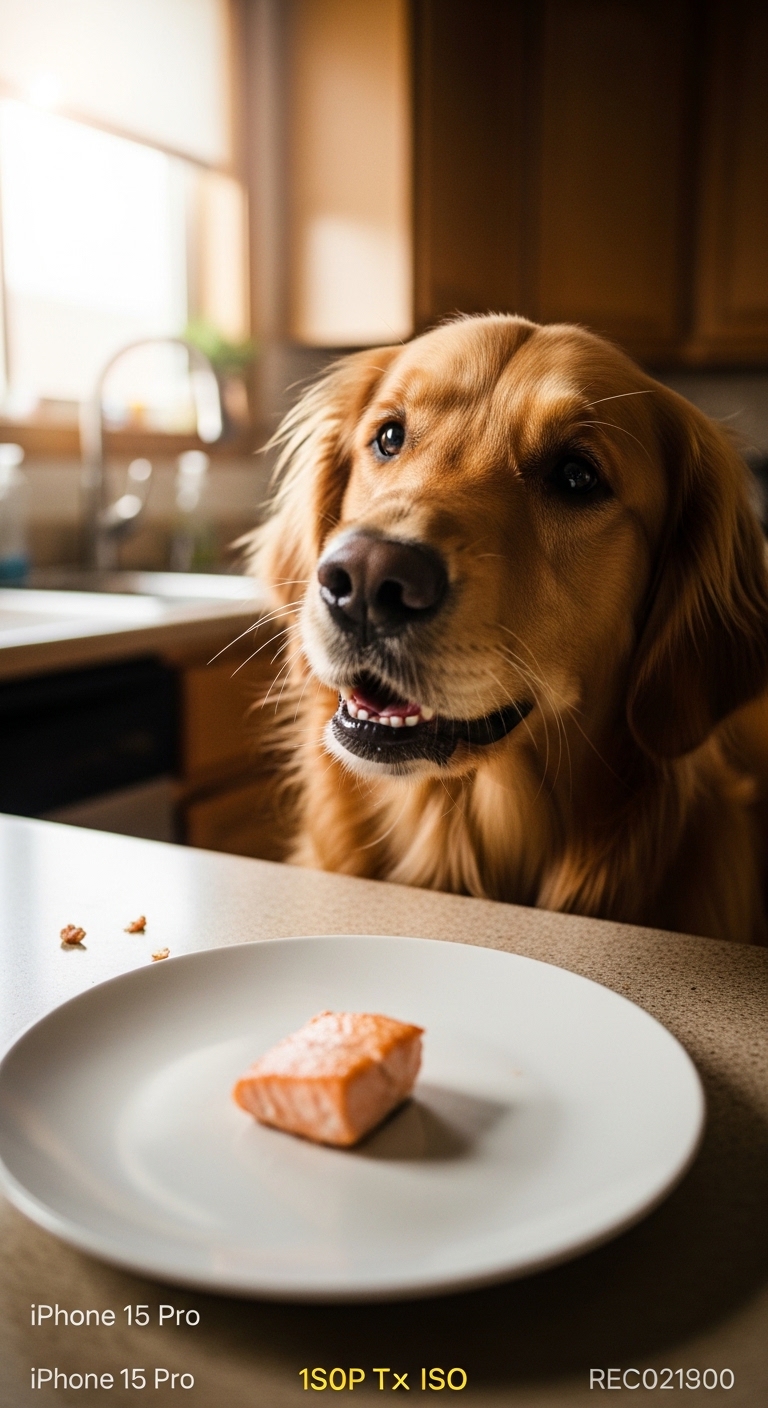
Can dogs have pickles? It’s a question many pet owners ask when their dog sneaks a bite off the plate or when they’re looking for a quick treat to share. While it might seem harmless, the answer isn’t as simple as yes or no. Pickles contain ingredients that can be risky for dogs, but some types might be safe in tiny amounts. Understanding the details helps you make the right call for your pup’s health and happiness.
I once gave my neighbor’s dog a tiny piece of dill pickle as a joke, only to spend the next hour watching for any unusual behavior. That moment taught me how little most people know about the hidden dangers in human snacks for pets.
Key Things to Understand
- Pickles are high in sodium: which can lead to dehydration or even salt poisoning in dogs
- Many pickles contain garlic and onion: which are toxic to dogs and can damage their red blood cells
- The vinegar in pickles is acidic: and may upset your dog’s stomach causing vomiting or diarrhea
- Some pickles include spices: like mustard seeds or dill that can cause digestive upset or allergic reactions
- Even plain pickles: without harmful additives can cause bloating or gas due to their high fiber content
What to Look For
Watch for signs of excessive thirst or lethargy after your dog eats anything pickled, as these could mean sodium overload. If your dog starts drooling more than usual or seems restless, it might be reacting to the spices or acidity in the pickle. Check the ingredient list on any pickle jar before sharing even a small piece, since hidden additives like xylitol or artificial flavors can be dangerous. Notice how your dog’s energy levels change after eating human food: some pups get hyper from excitement, while others slow down if something doesn’t agree with their stomach.
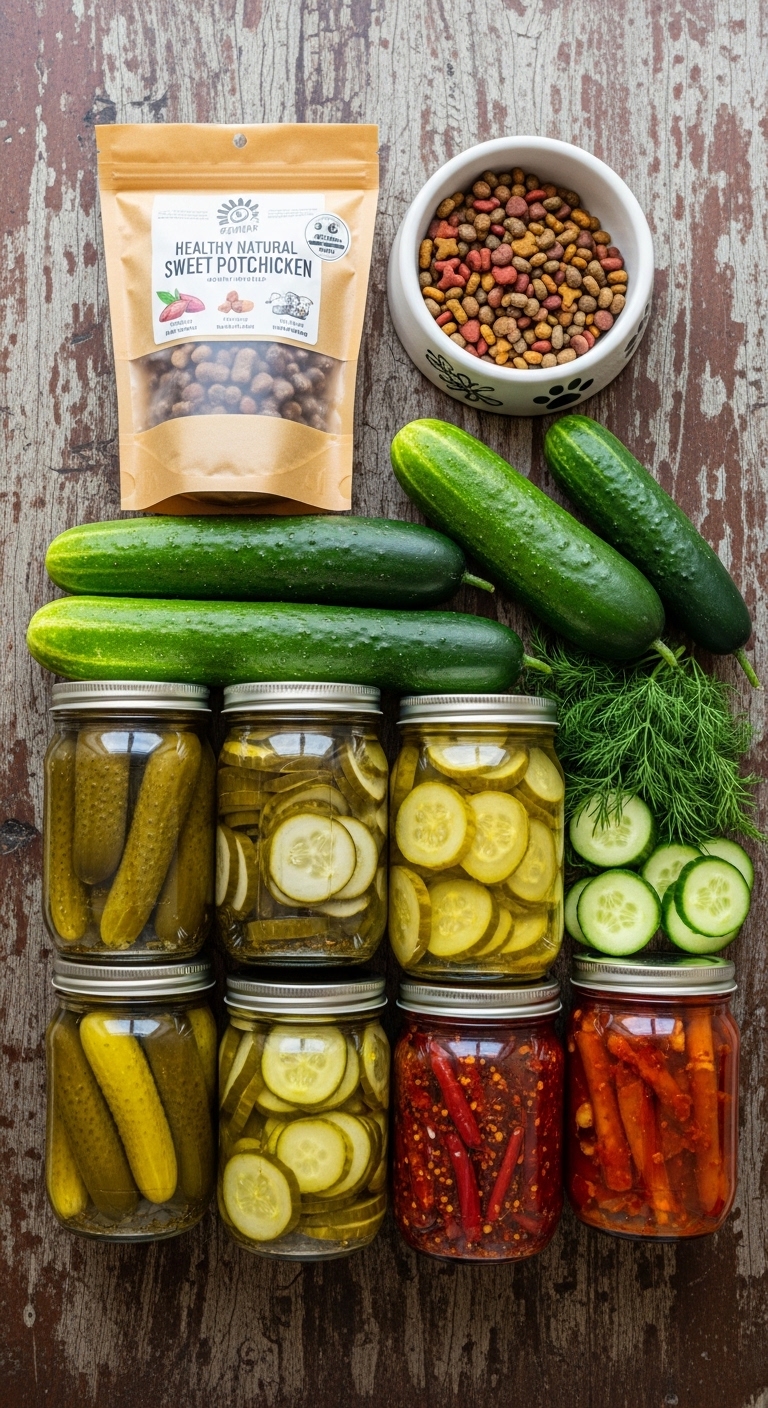
I’ve seen dogs get sick from just one bite of a pickle because the owner didn’t realize how sensitive their stomach was. Always keep human snacks out of reach and stick to dog-safe treats instead.
Why Some Pickles Might Seem Safe
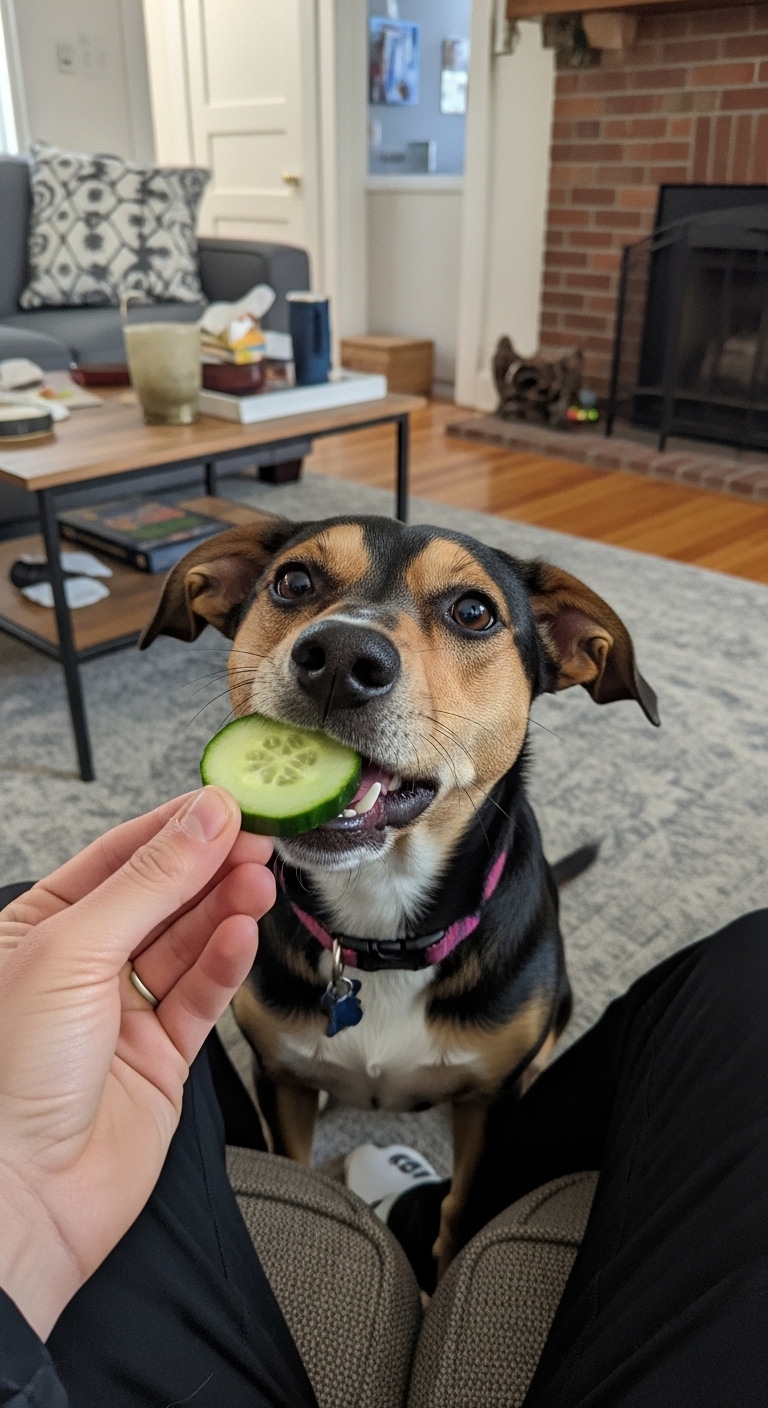
Plain cucumbers are actually a healthy snack for dogs, so some owners assume pickles made from cucumbers are fine too. The problem isn’t the cucumber itself but the brine and seasonings that turn a harmless veggie into a potential hazard. If you’re looking for a crunchy snack, try offering fresh cucumber slices instead of pickles.
What to Do If Your Dog Eats a Pickle
Remove any remaining pickle pieces from their reach and check the label for harmful ingredients. Offer fresh water to help flush out excess sodium and monitor for vomiting, diarrhea, or unusual tiredness. If your dog shows severe symptoms like tremors or collapse, contact your vet immediately.
Healthier Alternatives to Pickles
Carrot sticks are a crunchy, low-calorie snack that most dogs love. Apple slices without seeds can be a sweet treat that’s safe in moderation. Frozen green beans make a refreshing snack especially on hot days.
When in doubt, choose treats made specifically for dogs. Your pup’s health is always worth the extra caution.
Frequently Asked Questions
- → Are pickles toxic to dogs?
Pickles are not inherently toxic but can be harmful due to high sodium content and common additives like garlic or onion. These ingredients can cause digestive upset or even poisoning in dogs.
- → Can dogs eat dill pickles?
Dill pickles may be less risky than spicy varieties, but they still contain high sodium levels. Plain, unsalted pickles in moderation are the safest choice if any at all.
- → What happens if a dog eats a pickle?
If a dog consumes a small amount of plain pickle, they may experience mild stomach upset. Larger amounts or pickles with seasoning can lead to vomiting, diarrhea, or sodium ion poisoning.
- → Are there any safe pickle alternatives for dogs?
Fresh cucumber slices are a much safer option, offering hydration and crunch without the risks. Always avoid pickles with added spices, salt, or vinegar.
- → How much pickle can a dog safely eat?
It’s best to avoid giving pickles to dogs altogether. If you must, offer an extremely small piece (less than a teaspoon) of plain, unsalted pickle and watch for any adverse reactions.
- → Can puppies eat pickles?
Puppies should never eat pickles due to their sensitive digestive systems and higher risk of sodium toxicity. Stick to puppy-specific treats instead.