
A hot dog is one of those foods that sparks endless debates at cookouts and dinner tables. Whether you see it as a sandwich or something entirely its own thing, the question matters more than you might think. For pet owners, this debate can feel like a fun distraction from the real challenges of keeping our furry friends happy and healthy. But understanding what counts as a sandwich can actually help you make better choices when it comes to feeding your pets too.
The next time someone asks if a hot dog is a sandwich, you’ll have a clear answer and maybe a few ideas for your next pet-friendly snack.
Key Things to Understand
- A sandwich is defined as two or more slices of bread with a filling in between: This means a hot dog, wrapped in a single bun with no top slice, doesn’t technically qualify.
- The debate often comes down to whether the bun acts as the bread or just a container: Some argue that the bun’s role is similar to bread, while others insist it needs to be sliced and stacked.
- For pets, the same logic applies when choosing treats or meals: If you’re feeding something wrapped in a single piece of bread or dough, it’s not a sandwich even if it looks like one.
What to Look For
When deciding if something is a sandwich, pay attention to the structure. A true sandwich has two distinct slices of bread enclosing the filling. If you’re holding a hot dog, the bun is usually a single piece wrapped around the sausage, which doesn’t meet the classic definition.
For pets, look at how treats or meals are presented. If a snack is wrapped in a single piece of bread or dough, it’s not a sandwich. This might seem like a small detail, but it can help you choose healthier options for your pet.
Also consider the ingredients inside. A sandwich should have a filling between the bread, not just a topping. This is especially important when evaluating pet foods that might mimic human snacks.
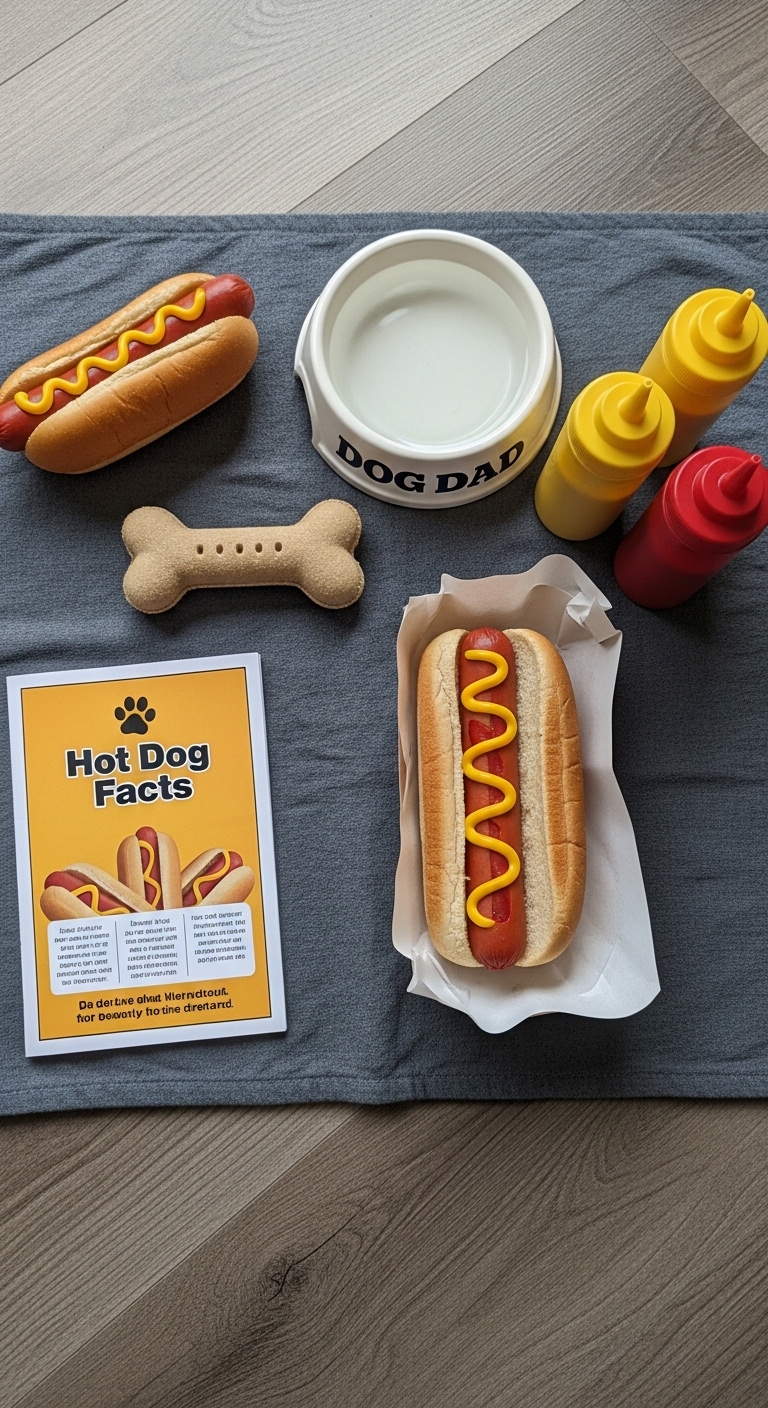
Many people assume that because a hot dog looks like a sandwich, it must be one. But this mistake can lead to poor feeding habits for pets too. If you’re giving your dog a hot dog, remember it’s just a snack, not a balanced meal. Always check the ingredients and portion sizes to keep your pet healthy.
Common Misconceptions About Pet Food
Just like the hot dog debate, pet food often gets mislabeled or misunderstood. Many treats marketed as healthy may not meet the nutritional standards your pet needs. Always verify the ingredients and avoid human foods that could be harmful, even if they seem similar to pet-safe options.
How to Choose the Right Treats
When selecting treats for your pet, focus on simplicity and quality. Look for options with minimal ingredients and avoid fillers or artificial additives. If a treat resembles human food, double-check that all components are safe for pets. The sandwich rule can be a helpful guide: if it doesn’t fit the definition of a balanced meal, it’s likely not the best choice.
Making Mealtime Enjoyable and Safe
Feeding your pet doesn’t have to be complicated. Stick to clear definitions and trusted brands to ensure their diet is both enjoyable and nutritious. Whether it’s a treat or a full meal, prioritize your pet’s health by making informed choices. Simple, consistent habits lead to happier, healthier pets.

The hot dog sandwich debate might seem silly, but it’s a great reminder that definitions matter, especially when it comes to feeding our pets. Keep it simple, and both you and your pet will be happier for it.
Frequently Asked Questions
- → What defines a sandwich?
A sandwich typically consists of a filling (like meat, cheese, or vegetables) placed between two slices of bread. Some definitions allow for a single slice of bread, which could include open-faced sandwiches.
- → Why do some people say a hot dog isn't a sandwich?
Critics argue that a hot dog lacks the two slices of bread required for a sandwich. The sausage is placed in a single bun, which they believe doesn't meet the traditional definition.
- → Is there a scientific or culinary consensus?
No, there isn't a definitive answer. The debate often comes down to personal interpretation and cultural context. Food historians and chefs may have differing opinions based on their definitions.
- → How did the hot dog become popular in the U.S.?
The hot dog gained popularity in the late 19th and early 20th centuries, thanks to German immigrants and street vendors. It became a staple at baseball games and picnics, cementing its place in American culture.
- → Can a hot dog be considered a type of sandwich?
Yes, if you define a sandwich as any food item where a filling is placed in or on bread. In this broader sense, a hot dog could be classified as a sandwich, especially with variations like the 'chili dog' or 'corn dog'.
- → Are there other foods debated as sandwiches?
Absolutely! The burrito, taco, and even the hamburger have faced similar debates. The key factor is often whether the food fits the traditional definition of a sandwich or has evolved into its own category.