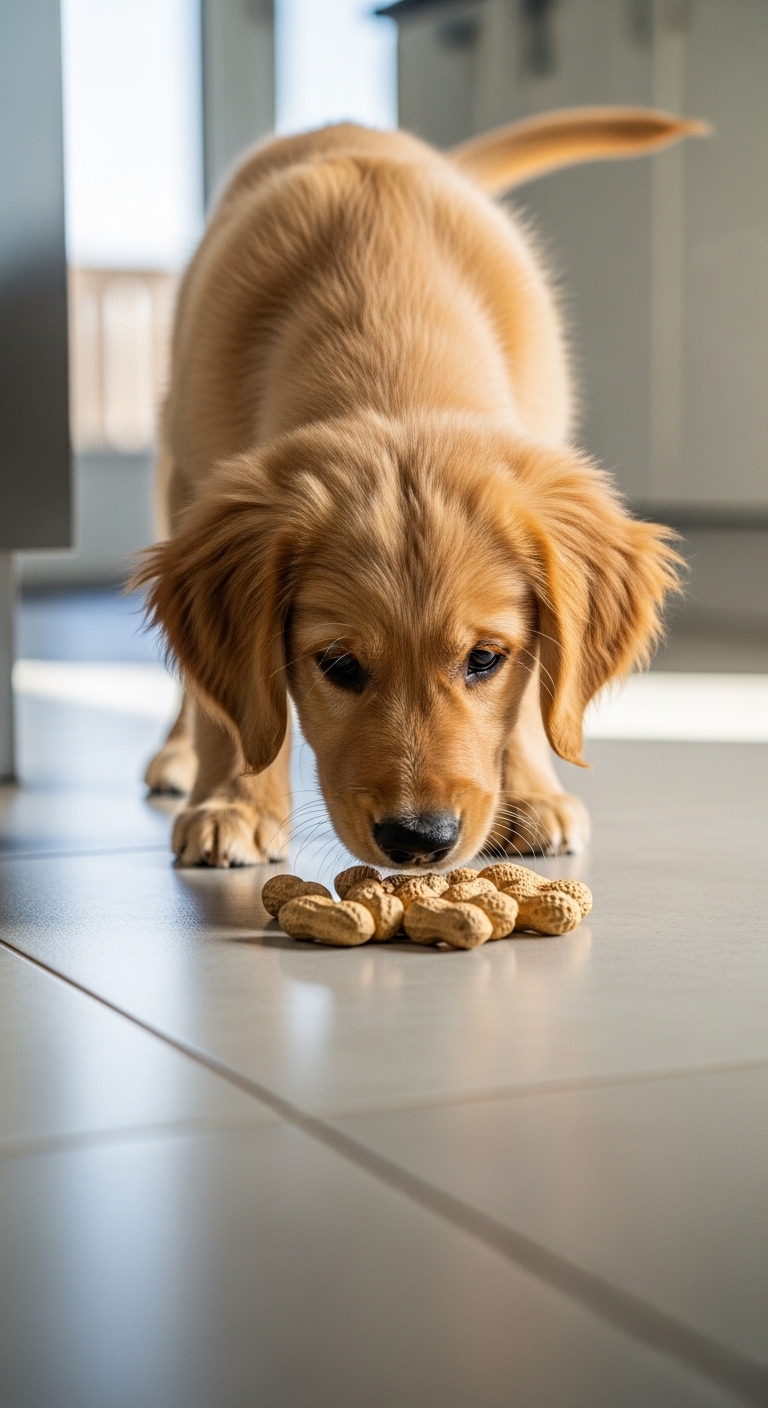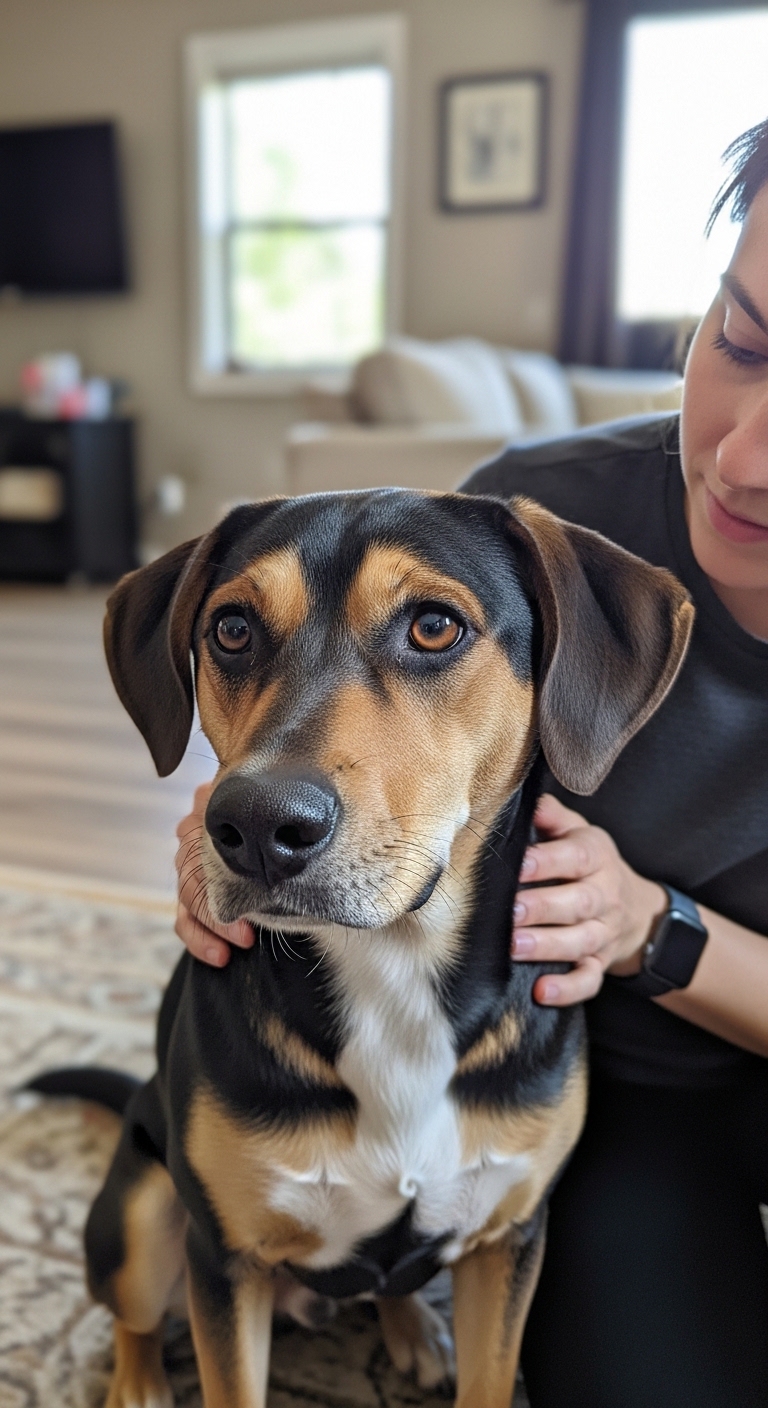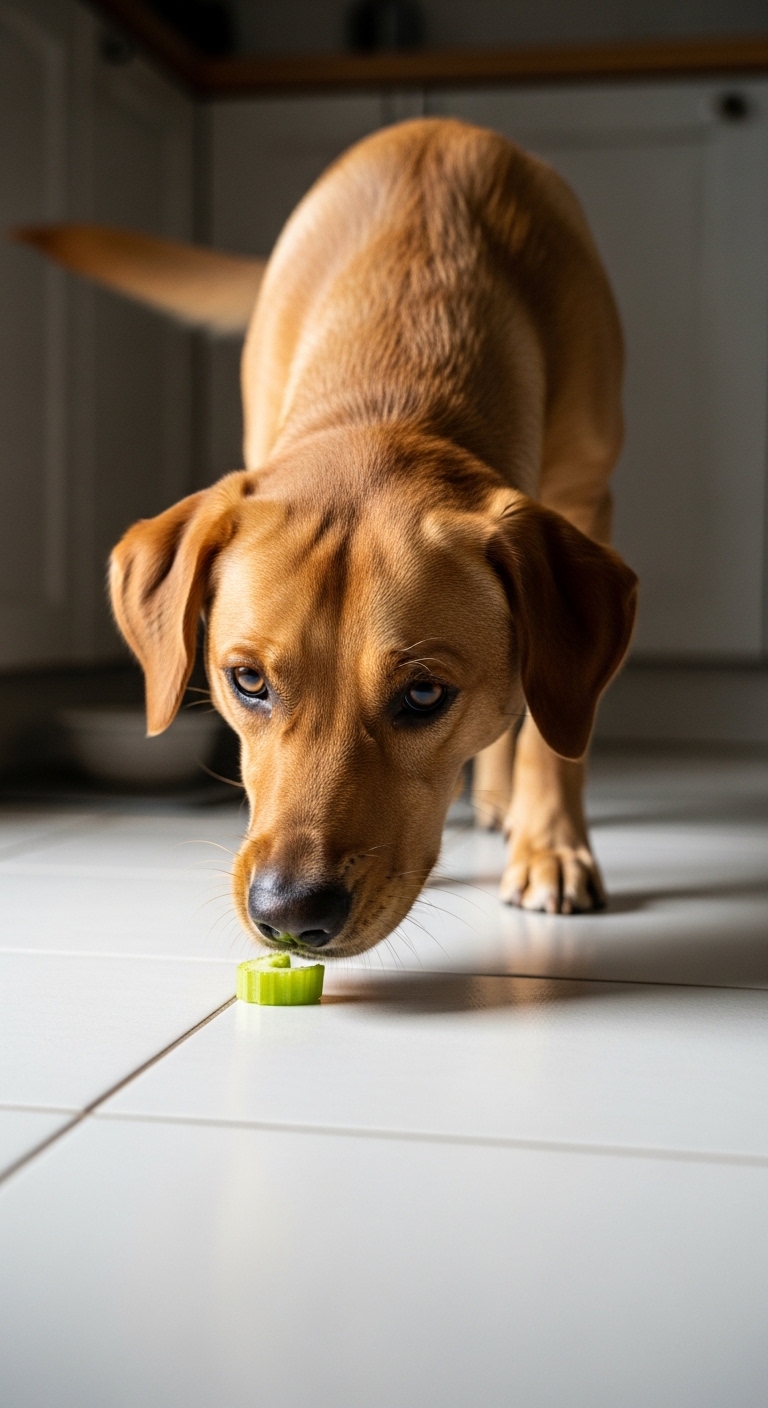
Can dogs eat pecans? It’s a question that pops up when you’re snacking on a handful of these buttery nuts and your pup gives you those big, hopeful eyes. Pecans might seem harmless, but they can actually pose serious risks to your dog’s health. Knowing which human foods are safe and which aren’t can save you from a scary trip to the vet and keep your furry friend happy and healthy.
I’ve seen firsthand how a simple snack can turn into a medical emergency. Once, a friend’s dog got into a bowl of pecans while they were out of the room. By the time they noticed, the dog was already showing symptoms. A quick call to the vet and a trip to the emergency clinic saved the pup, but it was a wake-up call about how easily these situations can happen.
Key Things to Understand
- Toxicity: Pecans contain juglone, a toxin that can cause vomiting, diarrhea, and even neurological issues in dogs. Even small amounts can be harmful, so it’s best to avoid them entirely
- High fat content: The high fat content in pecans can lead to pancreatitis, a painful and potentially life-threatening condition. Dogs’ digestive systems aren’t built to handle rich, fatty foods like this
- Mold risk: Moldy pecans are especially dangerous because they can contain aflatoxins, which are highly toxic and can cause liver failure. Always check nuts for signs of spoilage before offering them to your pet
- Shell hazards: Pecan shells are a choking hazard and can cause intestinal blockages, which may require surgery to fix. Even if the nut itself isn’t toxic, the shell can still cause serious harm
What to Look For
Watch for signs of gastrointestinal upset like vomiting, diarrhea, or loss of appetite after your dog eats pecans. These symptoms can appear within hours and may escalate quickly, so it’s important to act fast. Pay attention to your dog’s energy levels and behavior. Lethargy, weakness, or tremors could indicate neurological issues caused by juglone toxicity. Check your dog’s stool for any unusual changes, like blood or mucus, which could signal an obstruction or internal damage. If you suspect your dog has eaten pecans, look for physical signs like drooling, gagging, or difficulty swallowing, which might mean the shell is causing a blockage.
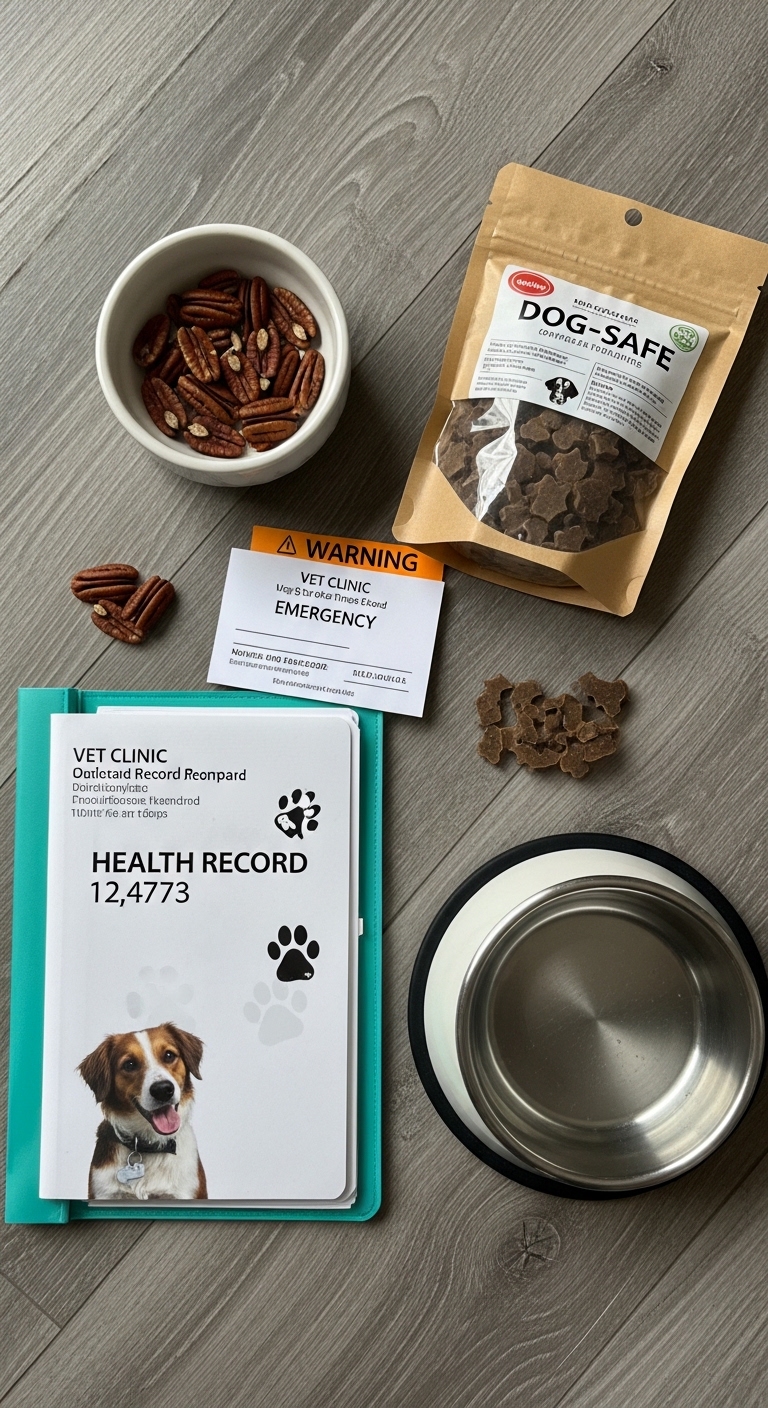
I’ve noticed that many pet owners assume that because pecans are a natural food, they must be safe for dogs. That’s a common misconception that can have serious consequences. Always err on the side of caution and keep pecans and other nuts out of your dog’s reach. If your dog accidentally eats pecans, don’t wait for symptoms to appear before taking action. Time is critical in these situations, and quick intervention can make all the difference.
Prevention and Safety
Many pet owners underestimate how quickly a dog can snatch food when unsupervised. Pecans, in particular, are often left within reach during gatherings or as casual snacks. Being proactive about where you store food and how you train your dog can prevent accidental ingestion. Even well-behaved dogs can be tempted by strong-smelling or tasty foods, so it’s important to create a safe environment.
Safe Alternatives
If you enjoy sharing snacks with your dog, there are plenty of safer options. Dog-friendly fruits like apple slices (without seeds) or blueberries make great treats. Vegetables such as carrots or green beans can also be healthy choices. For a protein boost, plain cooked chicken or turkey (without seasoning) is a safe bet. Always introduce new foods gradually and in small amounts to monitor your dog’s reaction.
Emergency Response
Knowing what to do in case of accidental ingestion is crucial. Save the number for your local emergency vet and the ASPCA Animal Poison Control Center (888-426-4435) in your phone. If you suspect your dog has eaten pecans, note the amount and time of ingestion, and watch for any symptoms. Quick action can minimize harm and improve outcomes, so never hesitate to seek professional help.
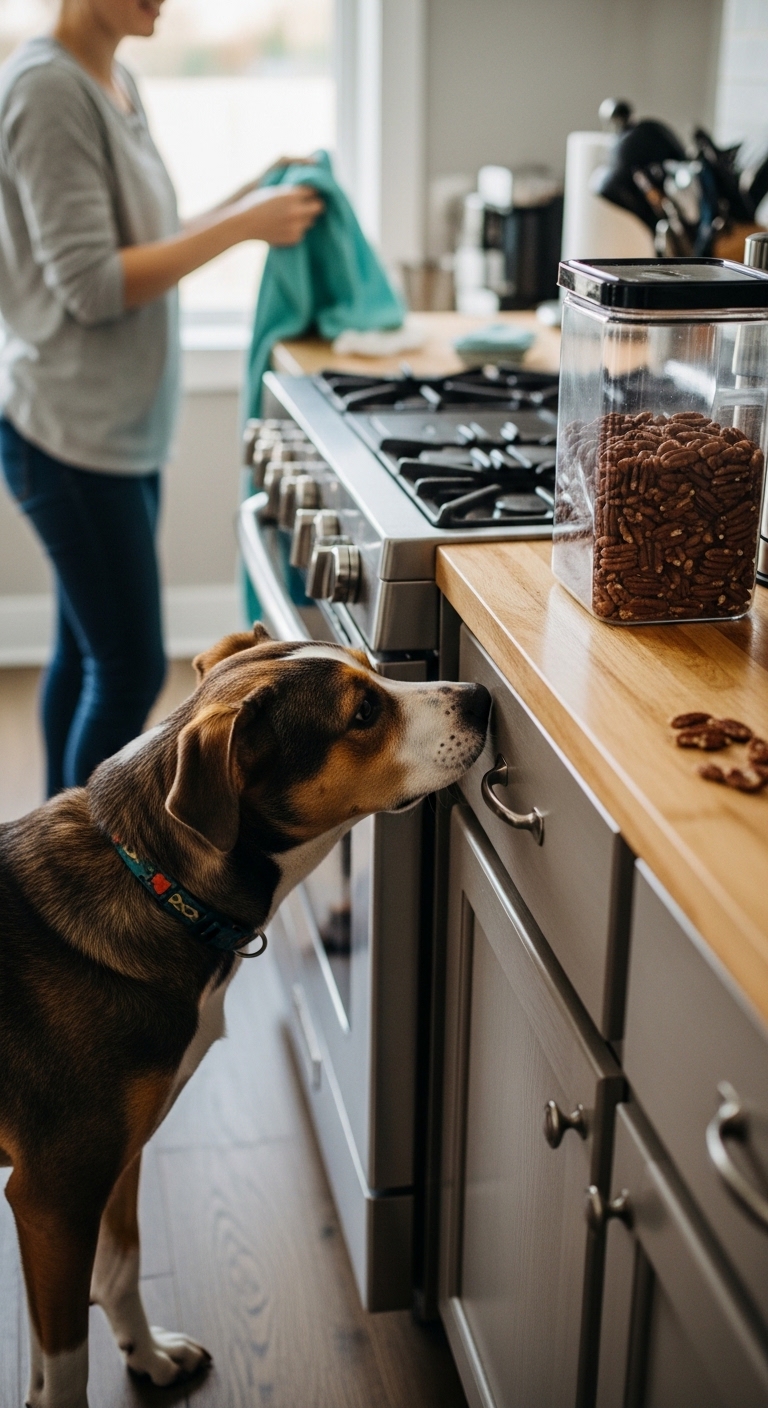
When in doubt, always check with your vet before introducing new foods to your dog’s diet. It’s better to be safe than sorry.
Frequently Asked Questions
- → Can dogs eat pecans safely?
No, pecans are not safe for dogs. They contain toxins like juglone and can cause digestive issues or blockages.
- → What happens if a dog eats pecans?
Symptoms may include vomiting, diarrhea, lethargy, or tremors. Severe cases could lead to intestinal blockages.
- → How many pecans can a dog eat?
Even small amounts of pecans can be harmful. It's best to avoid them entirely and opt for dog-safe treats.
- → Are pecan shells dangerous for dogs?
Yes, pecan shells can cause choking hazards or intestinal blockages. Always keep pecans and shells away from pets.
- → What are safe alternatives to pecans for dogs?
Safe treats include carrots, apples (without seeds), blueberries, or commercial dog treats. Always introduce new foods gradually.
- → Can pecan butter be given to dogs?
No, pecan butter is not safe due to high fat content and potential additives. Stick to plain, dog-approved snacks.