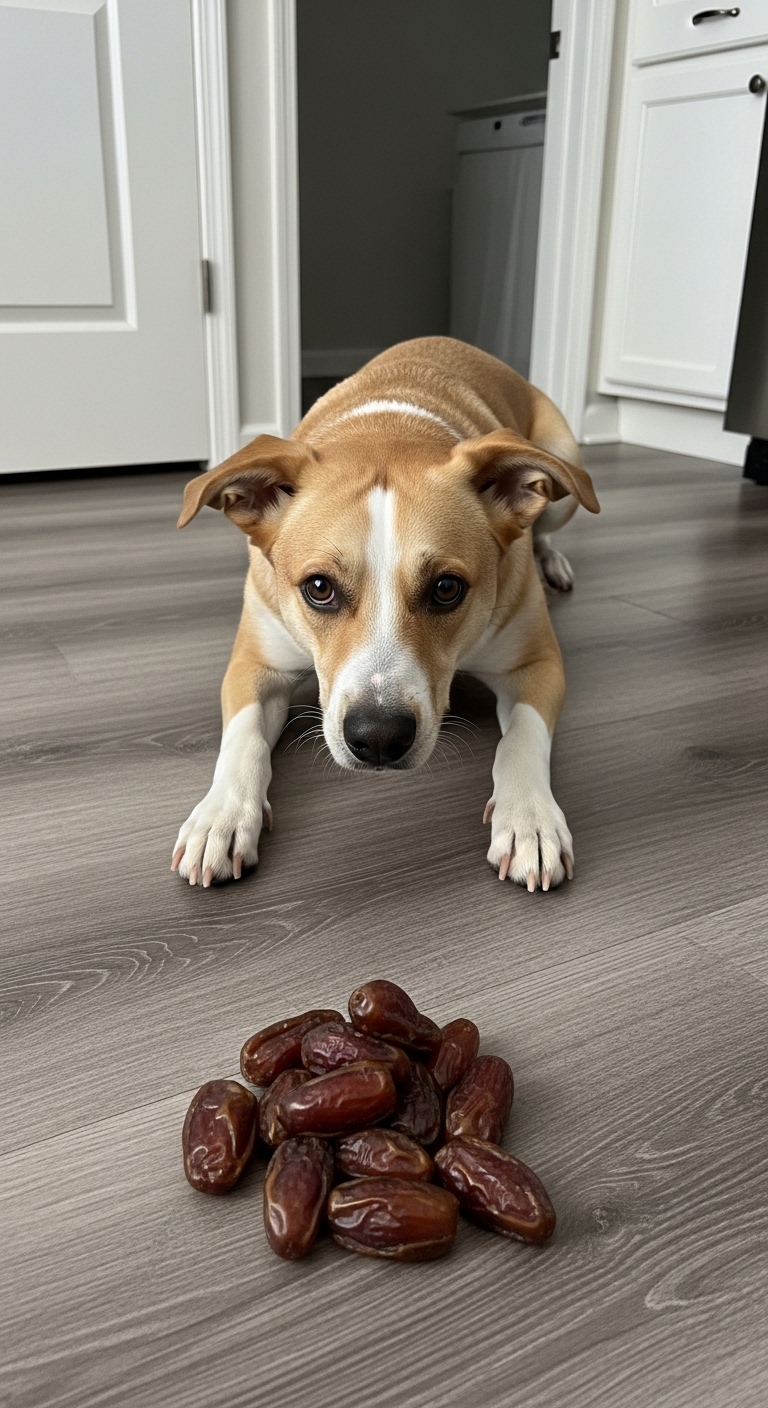
Is celery good for dogs? It’s a question many pet owners ask when looking for healthy, crunchy snacks to share with their furry friends. Celery isn’t just a low-calorie human snack: it can actually offer some surprising benefits for dogs too. Before you toss a stalk their way, though, there are a few things to keep in mind to make sure it’s safe and beneficial for your pup.
I remember the first time I gave my dog a piece of celery. He sniffed it, took one cautious bite, and then looked at me like I’d just handed him a mystery. It was clear he wasn’t sold on the crunchy texture at first, but after a few tries, he got used to it. That little experiment taught me that not all dogs take to new foods right away, and preparation matters more than I realized.
Key Things to Understand
- Nutritional benefits: Celery is safe for dogs in moderation and can provide vitamins A, C, and K along with fiber
- Preparation: Always cut celery into small, bite-sized pieces to prevent choking, especially for small breeds
- Introduction: Introduce celery slowly to avoid digestive upset, as too much at once can cause stomach issues
- Seasoning: Avoid adding any seasoning, salt, or butter to celery when sharing it with your dog
- Allergies: Watch for signs of allergies or sensitivities, such as itching, vomiting, or diarrhea
What to Look For
When offering celery to your dog, pay attention to how they react to the texture. Some dogs love the crunch, while others might be put off by it. If your dog is new to celery, start with a tiny piece and observe their reaction over the next 24 hours. Look for any signs of discomfort, like excessive gas or loose stools, which could indicate that celery doesn’t agree with their system.
Another thing to notice is whether your dog chews the celery thoroughly before swallowing. Large chunks can pose a choking risk, so if your dog tends to gulp food without chewing, it’s best to skip celery or chop it into very fine pieces. Also, check the freshness of the celery stalks you’re offering. Wilted or limp celery isn’t harmful, but it’s less appealing and may not provide the same nutritional benefits.
I once met a dog owner who swore by celery as a training treat, cutting it into tiny cubes for quick rewards. She noticed her dog’s breath smelled fresher after eating it, which made her wonder if the crunchy snack was acting like a natural toothbrush. While it’s not a replacement for dental chews, the fibrous texture can help scrape away some plaque as your dog chews. Still, it’s always best to pair it with regular teeth brushing for the best results.
How to Serve Celery to Your Dog
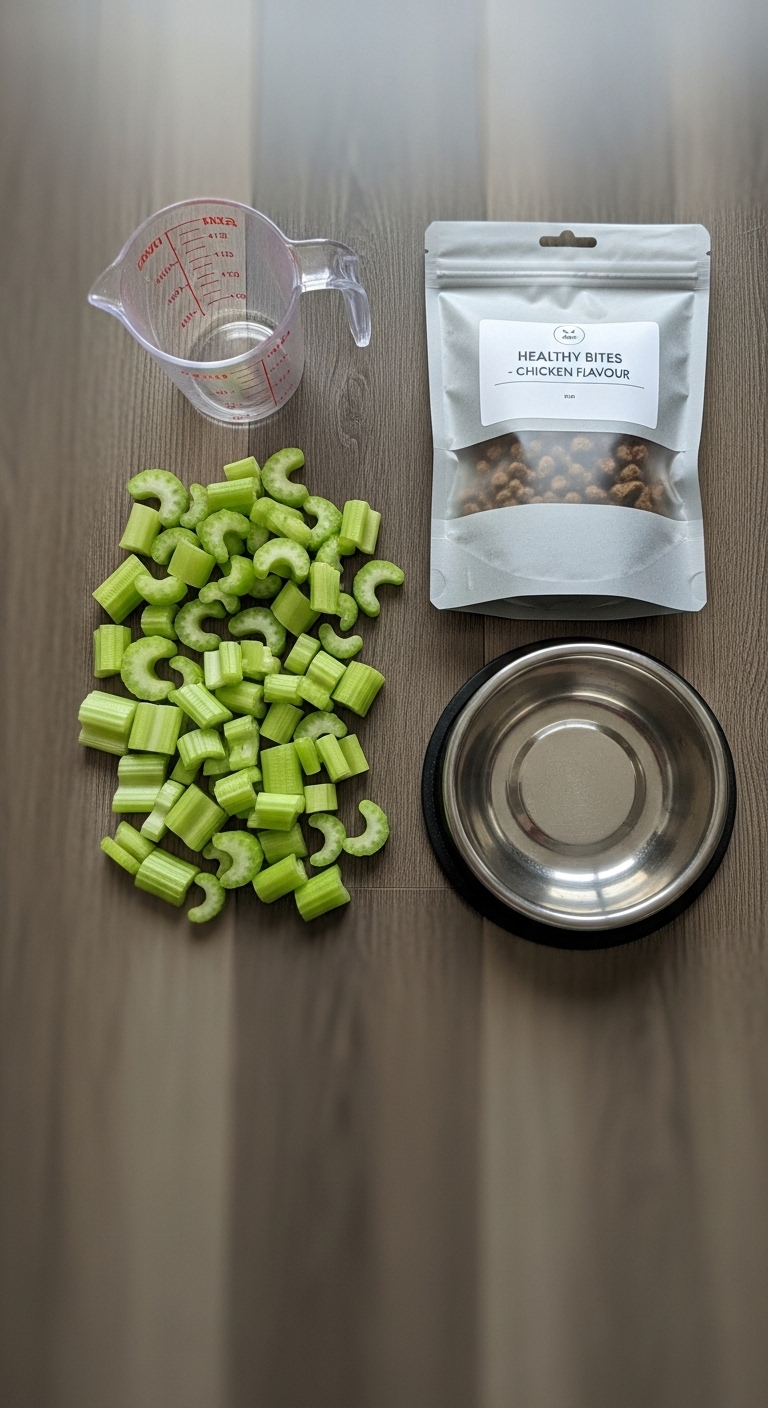
If you’ve decided to give celery a try, the way you prepare it makes all the difference. Start by washing the stalks thoroughly to remove any dirt or pesticide residue. Cut them into small, manageable pieces that match the size of your dog’s breed: tiny for Chihuahuas, slightly larger for Labradors. For dogs that are hesitant about the texture, you can lightly steam the celery to soften it, though this reduces some of the crunch.
Another option is to blend celery into your dog’s regular food. A small amount mixed into their kibble can add a fresh, green boost without changing their eating habits too much. Just be sure to introduce it gradually to avoid any sudden digestive surprises. If you’re using celery as a training aid, keep the pieces small and soft so your dog can swallow them quickly without fuss.
When Celery Isn’t the Right Choice
Not every dog will benefit from celery, and some should avoid it altogether. Dogs with sensitive stomachs or a history of gastrointestinal issues may struggle with the extra fiber. If your dog is prone to pancreatitis or has a condition that requires a low-oxalate diet, celery might not be the best snack. Always check with your vet if you’re unsure, especially if your dog has pre-existing health concerns.
It’s also worth mentioning that celery isn’t a miracle food. While it does contain vitamins and fiber, it doesn’t provide the balanced nutrition that a high-quality dog food does. Think of it as a fun, occasional treat rather than a dietary essential. If you’re looking for ways to improve your dog’s diet, focus first on their regular meals and use celery as a supplement, not a replacement.
Alternatives to Celery for Dogs
If your dog turns their nose up at celery or you’re looking for variety, there are plenty of other dog-safe vegetables to try. Carrot sticks are a popular choice, offering a similar crunch with a sweeter taste that many dogs love. Green beans are another great option, packed with fiber and vitamins without the risk of choking if served cooked and chopped. For a leafy green, you can try small amounts of spinach, though it’s best cooked to reduce oxalate levels.
Fruits like apple slices (without seeds) or blueberries can also make tasty, low-calorie treats. Just remember to introduce any new food slowly and in moderation. The key is to keep snacks to less than 10% of your dog’s daily calorie intake so their main diet stays balanced and nutritious.

Celery can be a healthy, low-calorie treat for dogs when served properly. Always prioritize safety and moderation to keep your pup happy and thriving.
Frequently Asked Questions
- → Can dogs eat celery safely?
Yes, dogs can eat celery safely in moderation. It is non-toxic and offers nutritional benefits like fiber and vitamins, but should be given in small, manageable pieces to avoid choking.
- → How much celery can I give my dog?
Start with small amounts, such as one or two small pieces, and observe your dog for any adverse reactions. Too much celery can cause digestive upset due to its high fiber content.
- → Is celery good for dogs with health issues?
Celery can be beneficial for dogs with healthy digestion, but those with kidney problems or prone to bladder stones should avoid it due to its oxalate content. Always consult your vet first.
- → How should I prepare celery for my dog?
Wash the celery thoroughly to remove pesticides, cut it into small, bite-sized pieces, and serve it raw or lightly steamed. Avoid adding any seasonings, salt, or oils.
- → Can celery help with my dog's digestion?
Yes, the fiber in celery can aid digestion and promote regular bowel movements. However, introduce it gradually to avoid stomach upset, especially in dogs not used to high-fiber foods.
- → Are there any risks to feeding celery to dogs?
The main risks include choking hazards from large pieces and digestive upset from overconsumption. Always supervise your dog when introducing new foods and consult your vet if unsure.