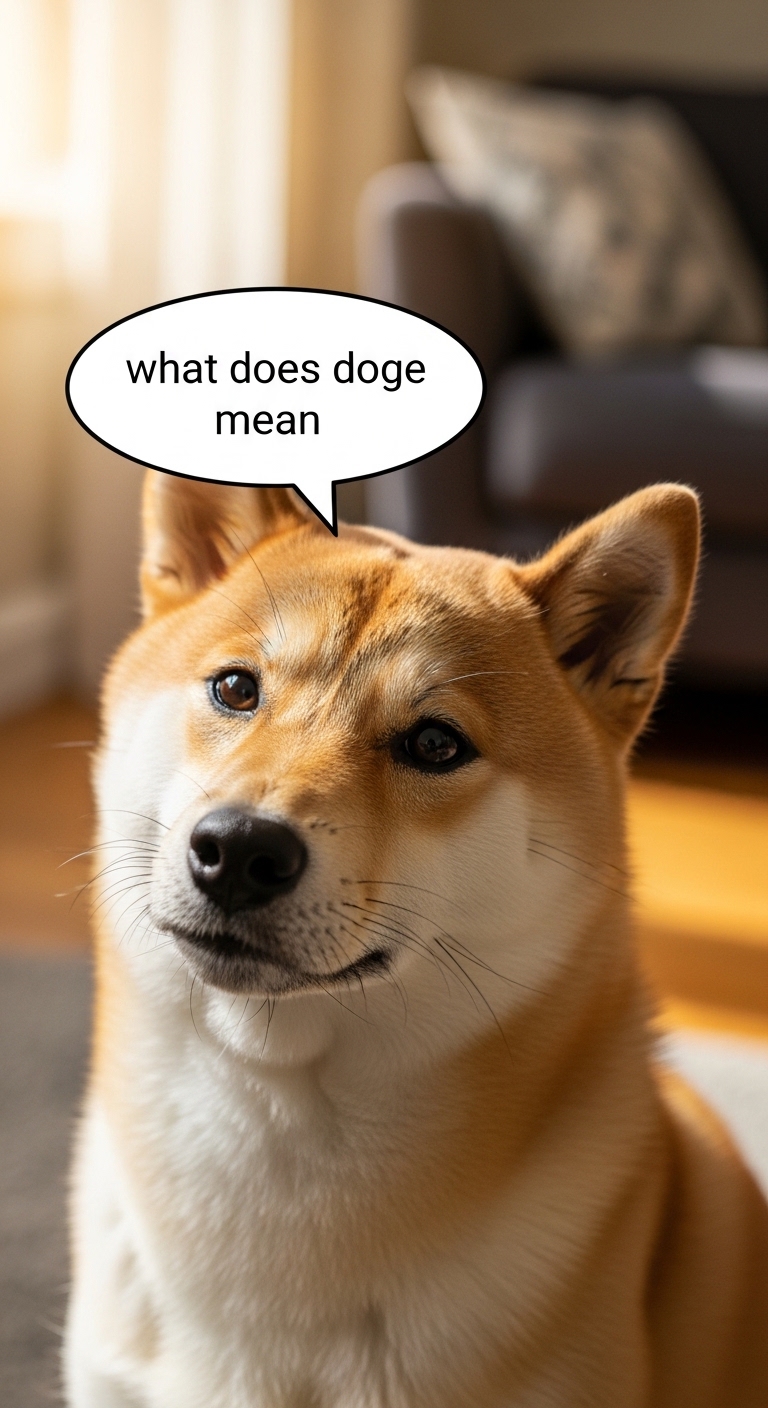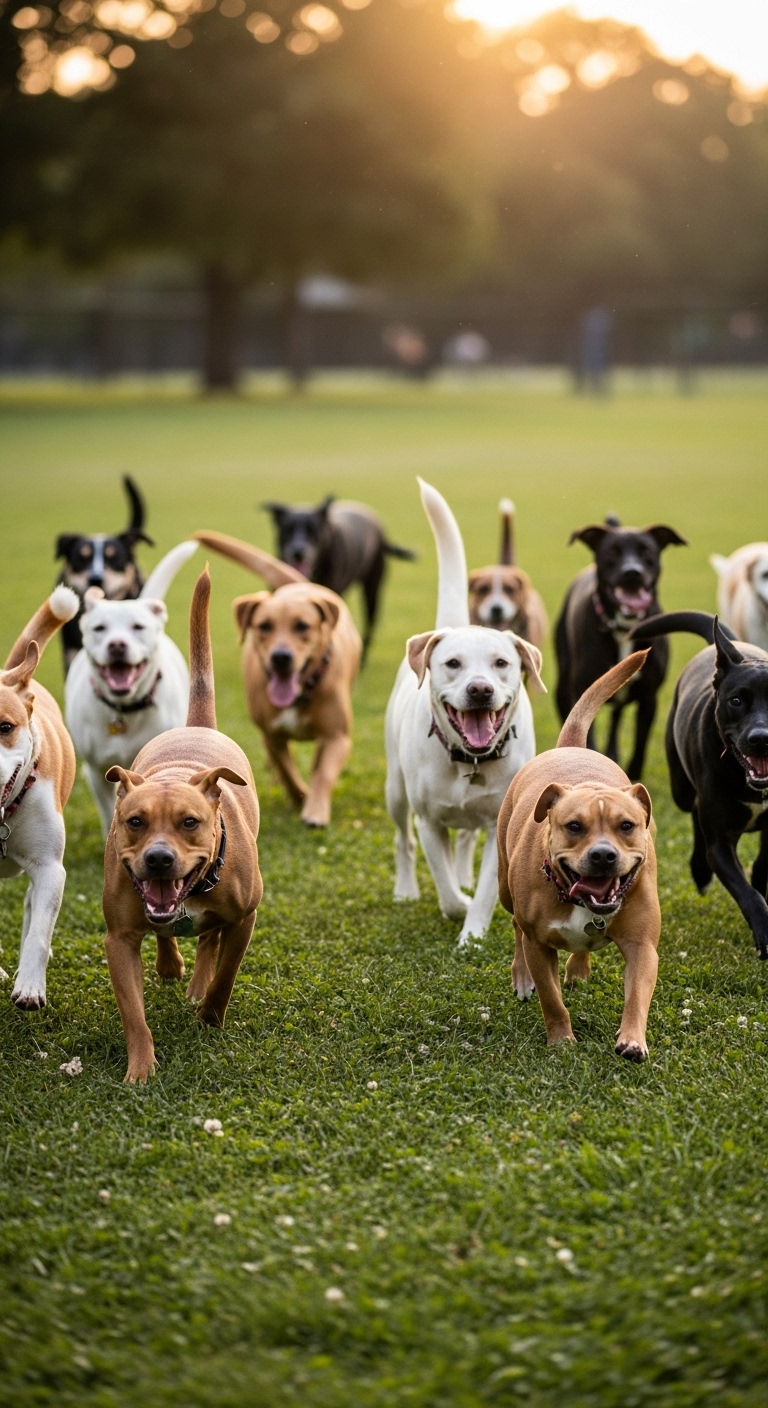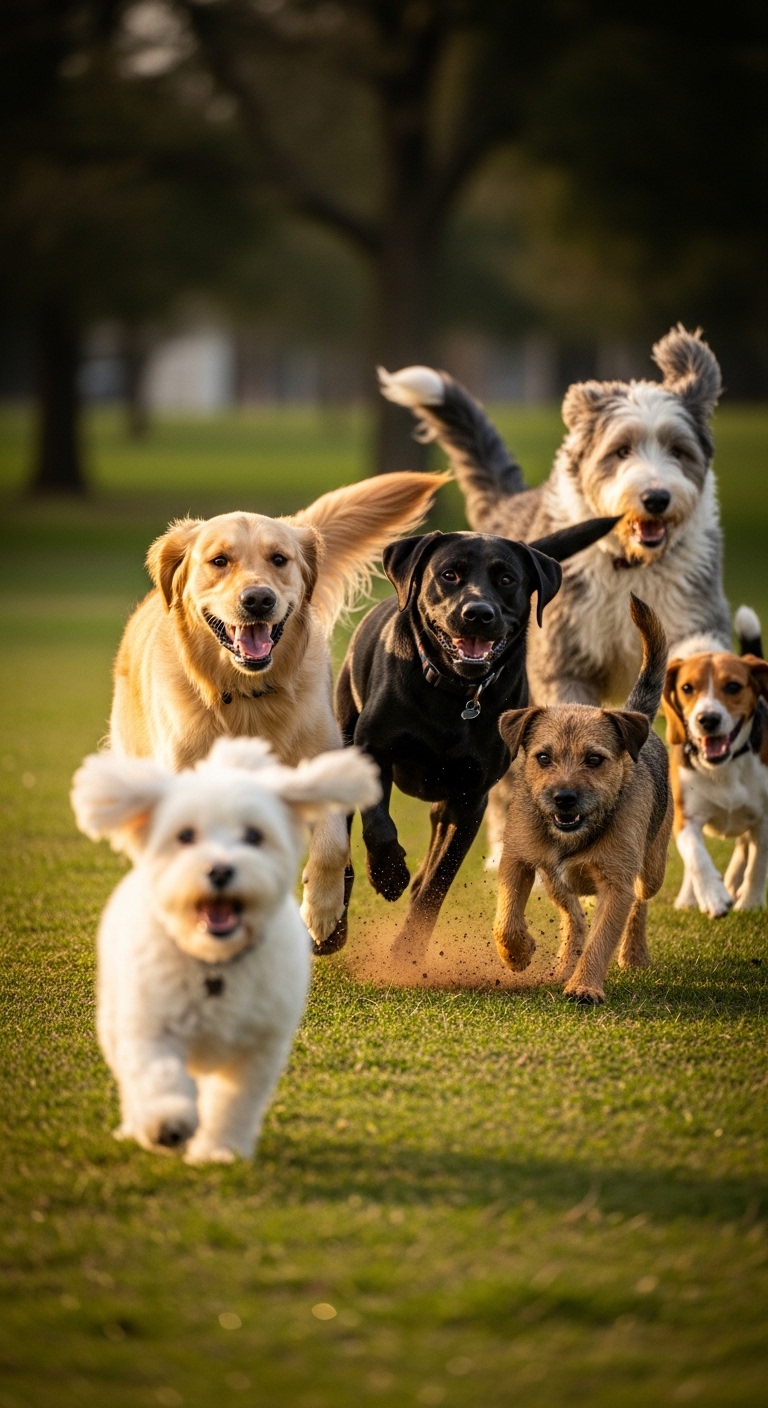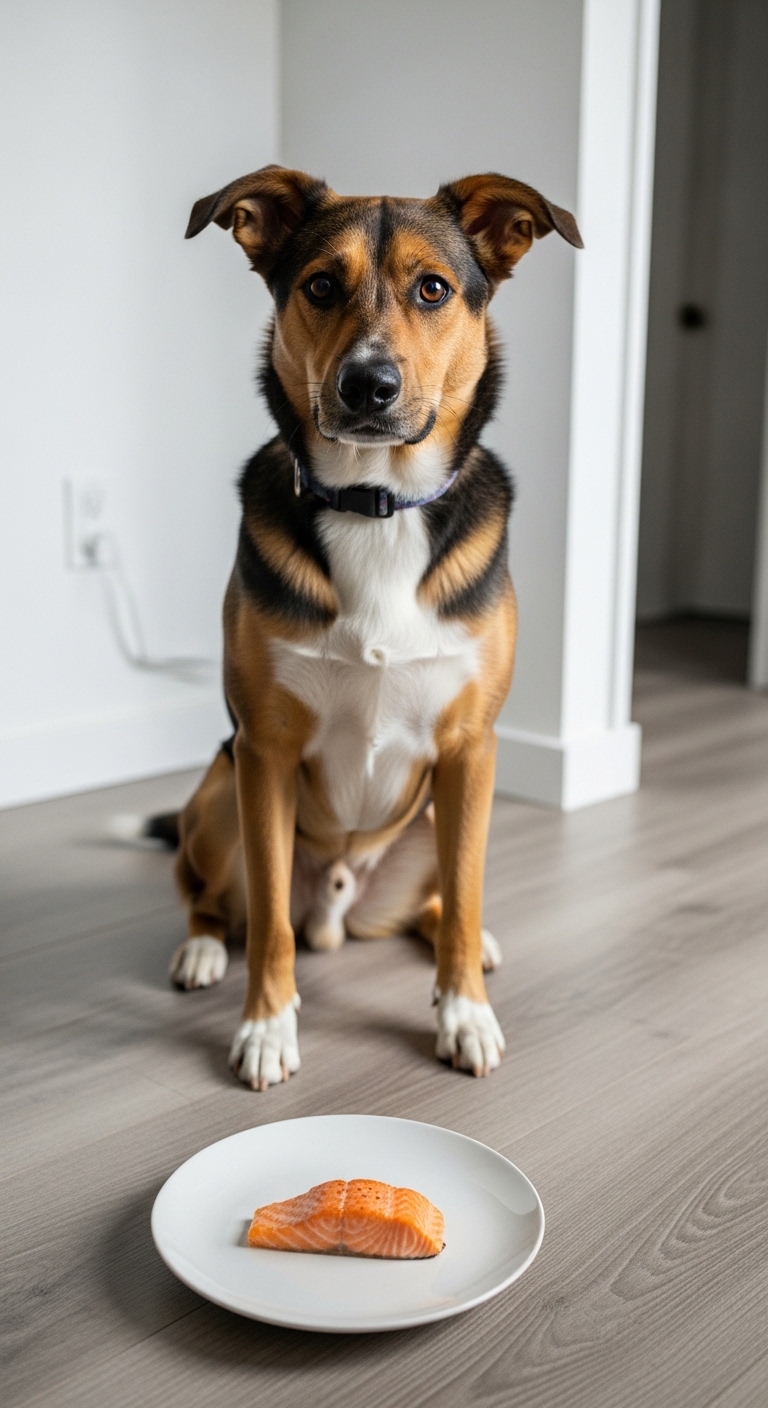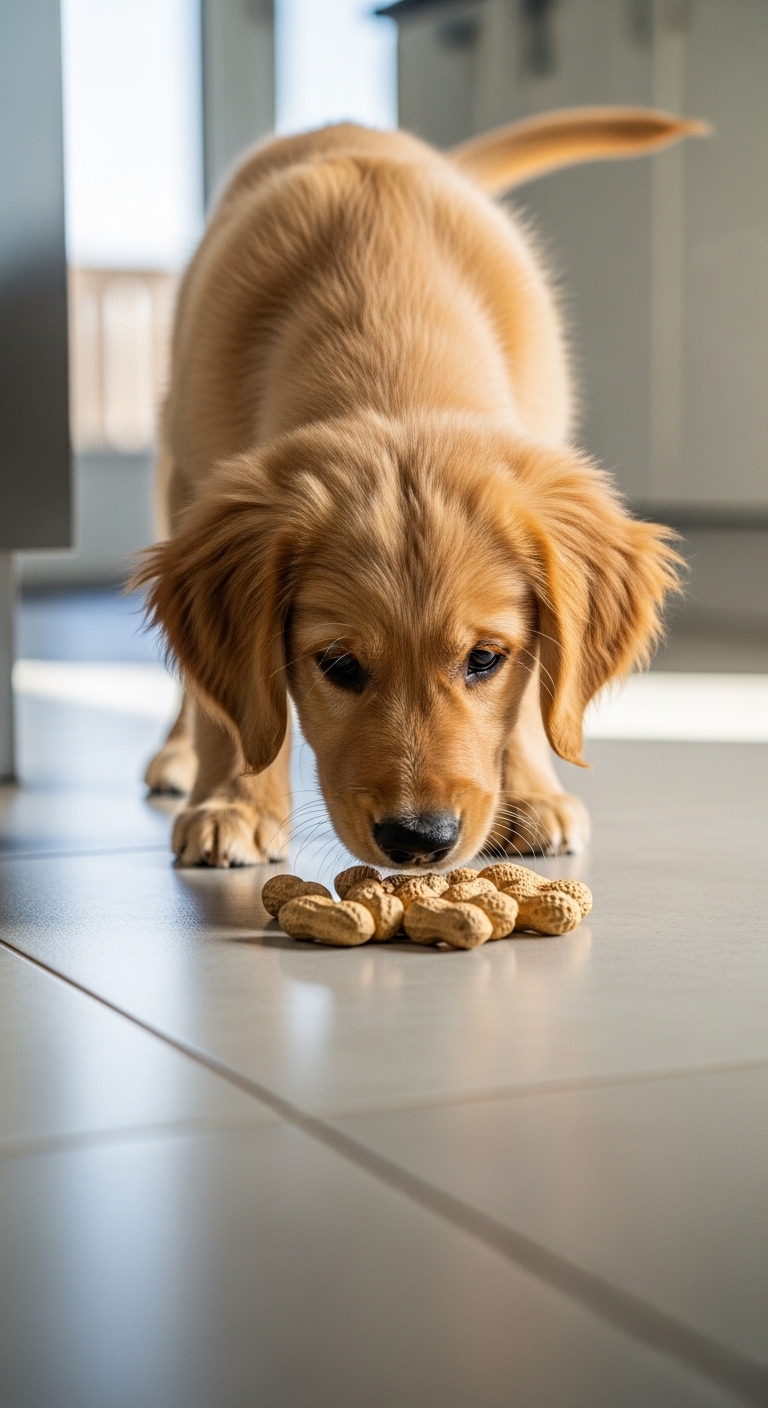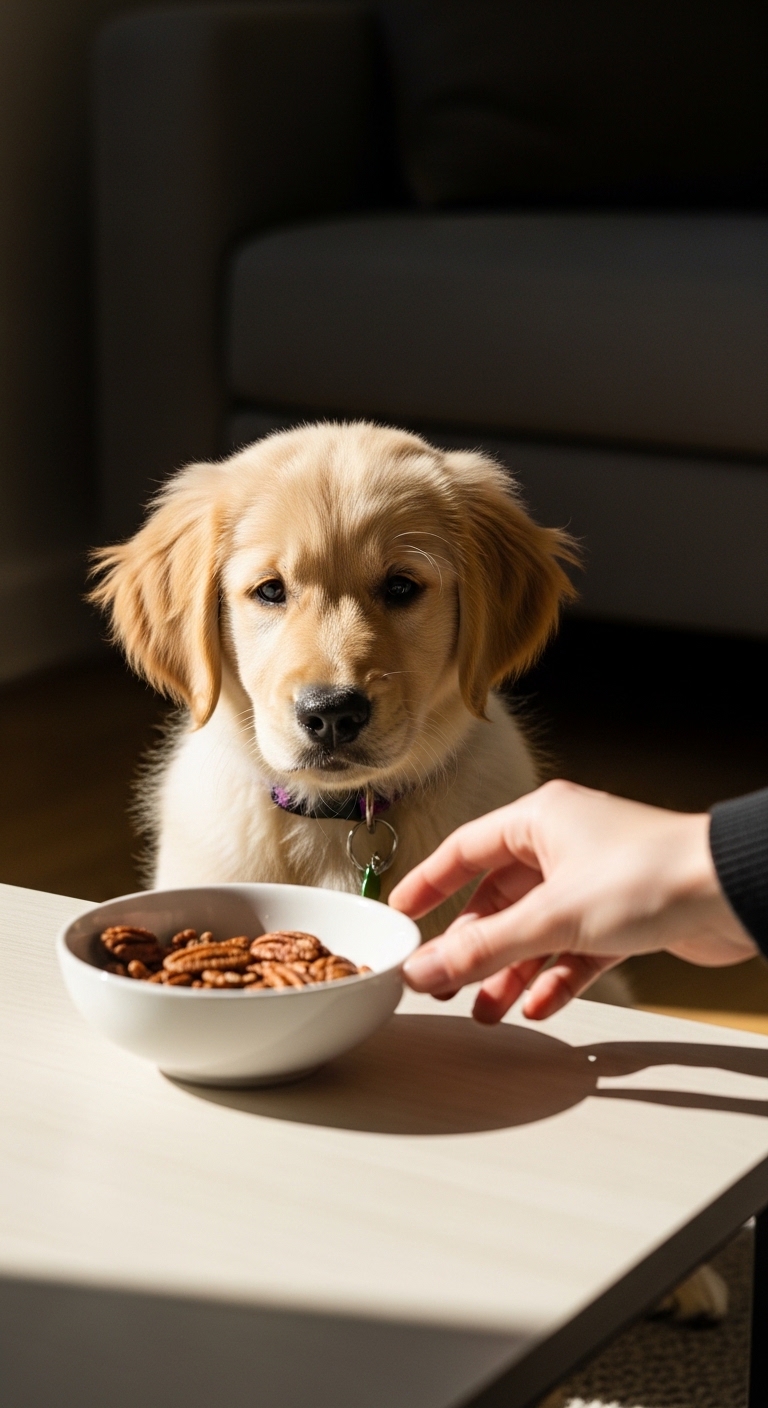
A boy and his dog share a bond that goes beyond companionship: it’s a relationship built on trust, routine, and mutual understanding. Whether it’s the wagging tail that greets you at the door or the quiet comfort of a pup curled up beside you on the couch, these moments shape daily life in ways that feel simple but are deeply meaningful. For anyone who’s ever relied on their dog for comfort, adventure, or even just a reason to get outside, this connection matters more than we often realize.
I’ll never forget the first time my rescue dog, a scruffy terrier mix, chose to nap on my shoes instead of his bed. At first, I thought he was being stubborn, but it turned out he just wanted to be close to my scent while I was away. That tiny habit became a reminder that dogs don’t just share our space: they shape it in ways we’re still learning.
Key Things to Understand
- A dog’s body language speaks louder than words: Ears perked up, tail wagging loosely, or a relaxed posture all signal happiness, while flattened ears, tucked tails, or stiff movements often mean discomfort or fear. Learning to read these cues helps you respond appropriately, whether it’s soothing an anxious pup or encouraging a playful mood.
- Routine is the backbone of a happy dog: Consistent feeding times, walks, and sleep schedules create a sense of security, reducing anxiety and unwanted behaviors like barking or chewing. Even small disruptions can throw off their balance, so keeping things predictable matters more than you might think.
- Dogs thrive on positive reinforcement: Rewarding good behavior with treats, praise, or playtime strengthens your bond and teaches them what you expect. Punishment, on the other hand, can create fear and confusion, making training harder in the long run.
- Their needs change with age and health: Puppies require patience and frequent potty breaks, while older dogs might need joint supplements or shorter walks. Staying attuned to these shifts ensures you’re meeting them where they are, not where they used to be.
What to Look For
Watch how your dog interacts with their environment. Do they gravitate toward certain textures, like grass or carpet, or avoid them? This can reveal preferences or discomforts, especially in older dogs with sensitive paws. Notice if they seek out quiet corners when overwhelmed or stick close to you during loud noises: these are clues about their emotional state.
Pay attention to their eating habits. A sudden loss of appetite might signal illness, while gobbling food too quickly could mean stress or competition with other pets. On the flip side, a dog that’s always hungry might have a metabolic issue or simply need more mental stimulation during meals.
Check their coat and skin regularly. Dull fur, flakes, or red patches can point to allergies, parasites, or dietary deficiencies. Even a slight change in odor might hint at an underlying problem, like an ear infection or dental issue. These details are easy to overlook but critical for their health.
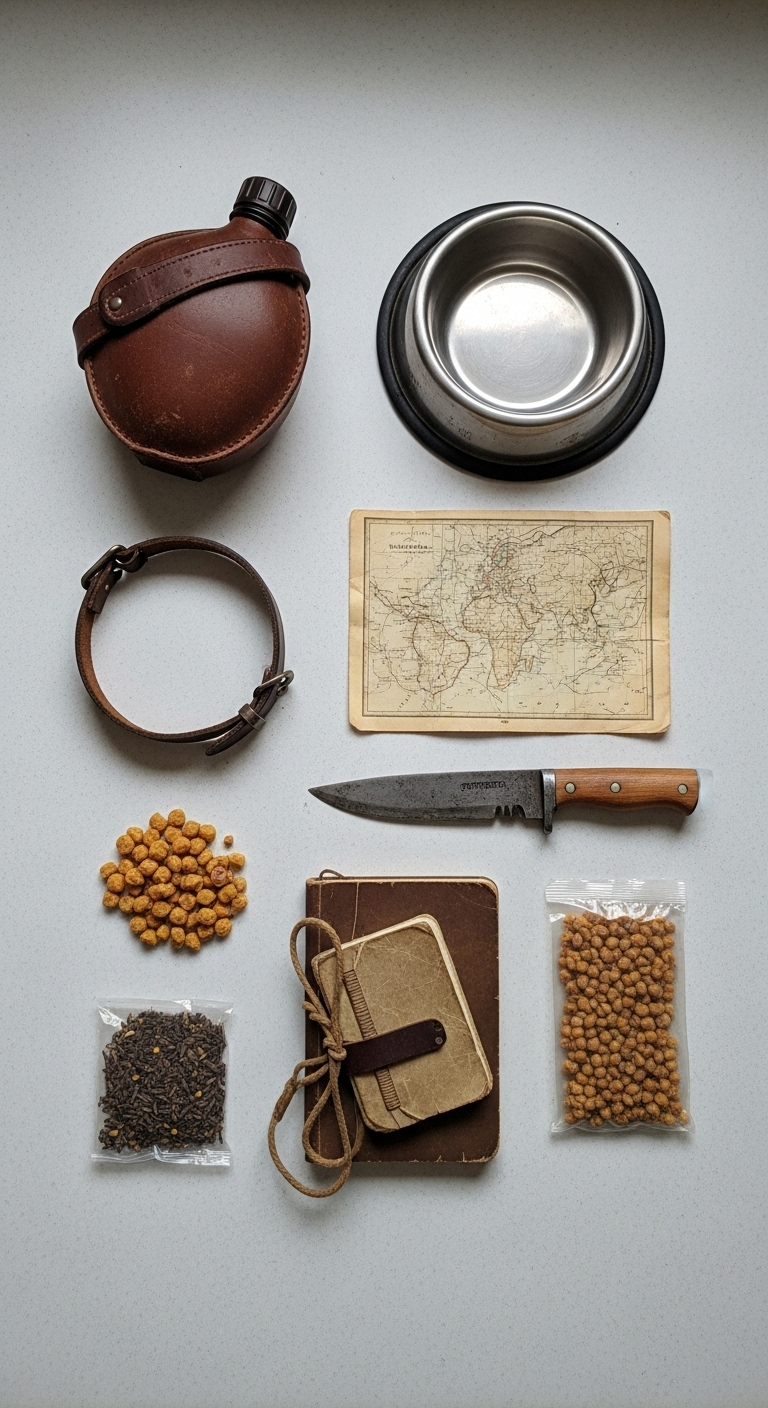
I once assumed my dog’s excessive barking was just excitement, but it turned out he was reacting to the smell of a neighbor’s new detergent. Switching to unscented cleaners made a noticeable difference in his behavior. It’s a reminder that what seems like a small change to us can make a big impact on them.
Daily Care Habits
Incorporate short training sessions into your walks. Use treats to reinforce commands like “sit” or “stay” at crosswalks or when passing other dogs. This keeps their mind engaged and makes outings more enjoyable for both of you.
Rotate their toys weekly to keep things fresh. Dogs get bored with the same old chew toys just like we do with our routines. A simple swap can reignite their interest and prevent destructive chewing out of frustration.
Choosing the Right Product
When picking a collar or harness, prioritize comfort and adjustability. A poorly fitted collar can cause chafing or restrict breathing, while a harness should sit snugly without digging into their armpits. Test it out during a short walk to see if they adjust well.
For food bowls, stainless steel or ceramic are better than plastic. Plastic can harbor bacteria and develop scratches that trap odors, while metal and ceramic are easier to clean and more durable.
Safety and Comfort
Never leave your dog in a parked car, even on mild days. Temperatures inside can rise rapidly, leading to heatstroke or worse. If you’re running errands, leave them at home or bring them inside with you.
Check their paws after walks, especially in extreme weather. Hot pavement can burn their pads, while ice-melting salts can irritate their skin. A quick wipe-down with a damp cloth can prevent discomfort.
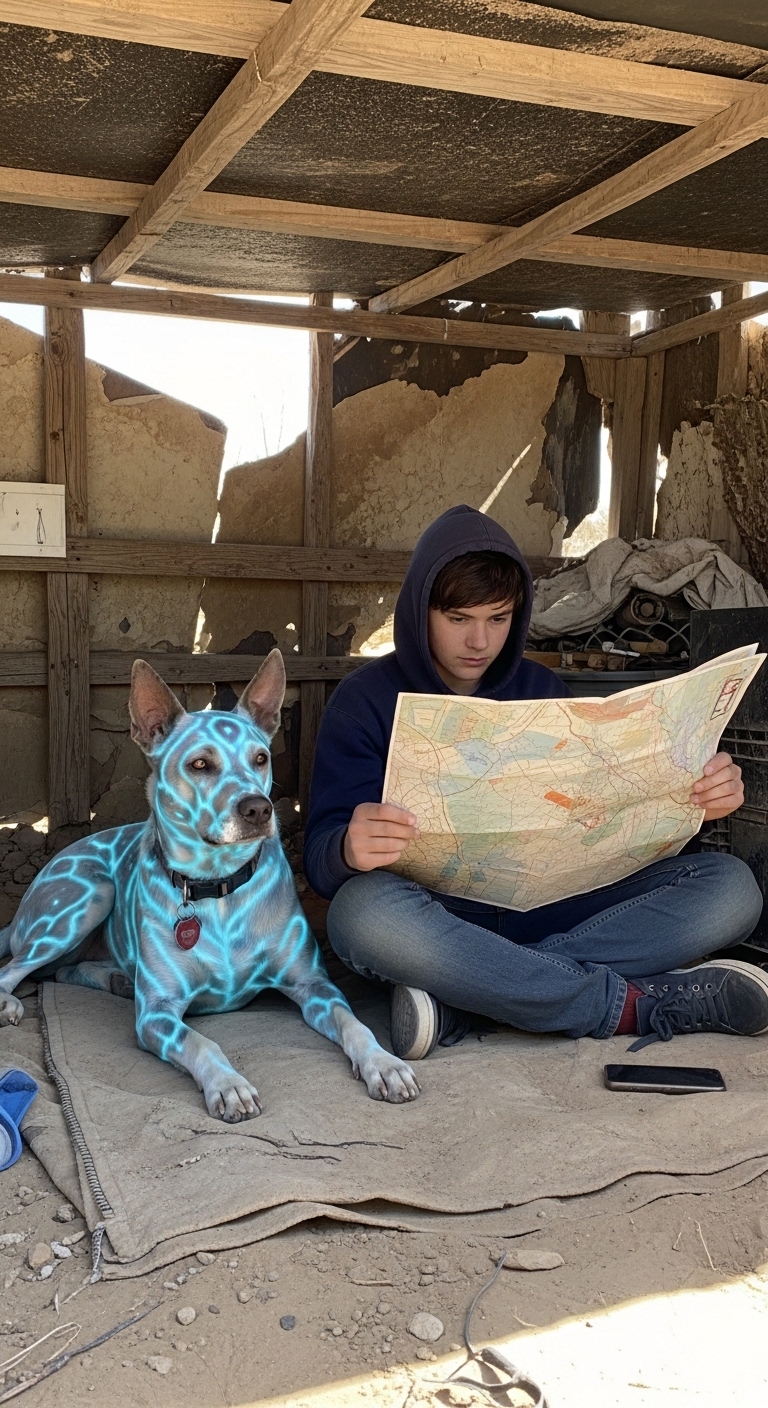
Small daily choices shape the bond you share with your dog. Paying attention to their needs creates a life together that’s richer for both of you.
Frequently Asked Questions
- → How can I bond with my dog if I'm a young boy?
Start with simple activities like playing fetch, going for walks, or teaching basic commands. These shared experiences help build trust and understanding between you and your dog.
- → What are some fun activities to do with my dog?
Try cooking homemade dog treats together, grooming sessions, or including your dog in your hobbies like watching movies or reading books. These activities strengthen your bond and make your dog feel valued.
- → How does training help in bonding with my dog?
Training sessions improve obedience and deepen communication between you and your dog. Teaching basic commands creates a sense of teamwork and mutual respect.
- → Can grooming sessions help bond with my dog?
Yes, grooming sessions can be a great bonding opportunity. They help your dog feel comfortable and cared for while reinforcing your role as a nurturing companion.
- → What are the benefits of including my dog in my daily routines?
Including your dog in daily routines like walks, playtime, or even watching movies makes them feel like a valued part of your life. This strengthens your bond and enhances their emotional well-being.
- → How can I make my dog feel more connected to me?
Spend quality time together through shared activities, maintain consistent routines, and provide plenty of affection and positive reinforcement. These actions help your dog feel secure and connected to you.