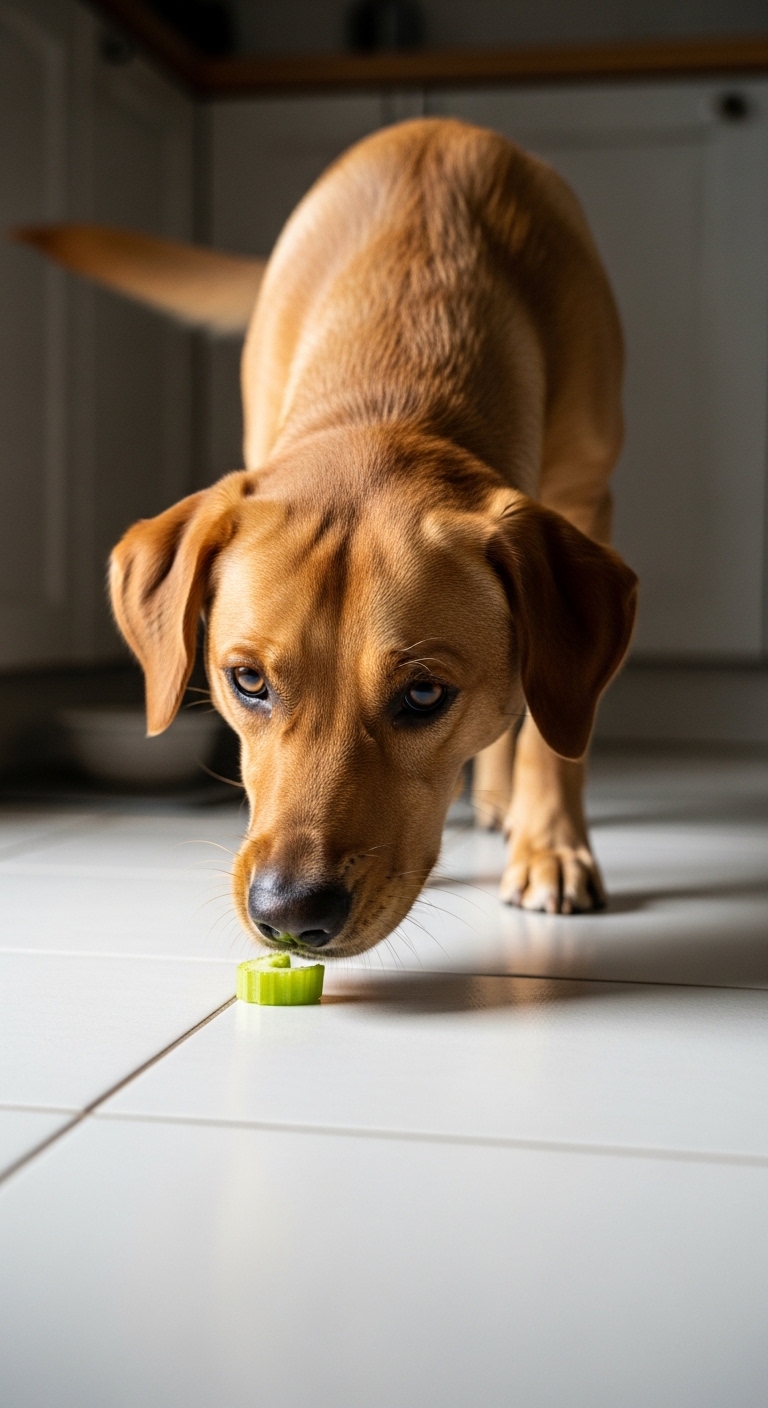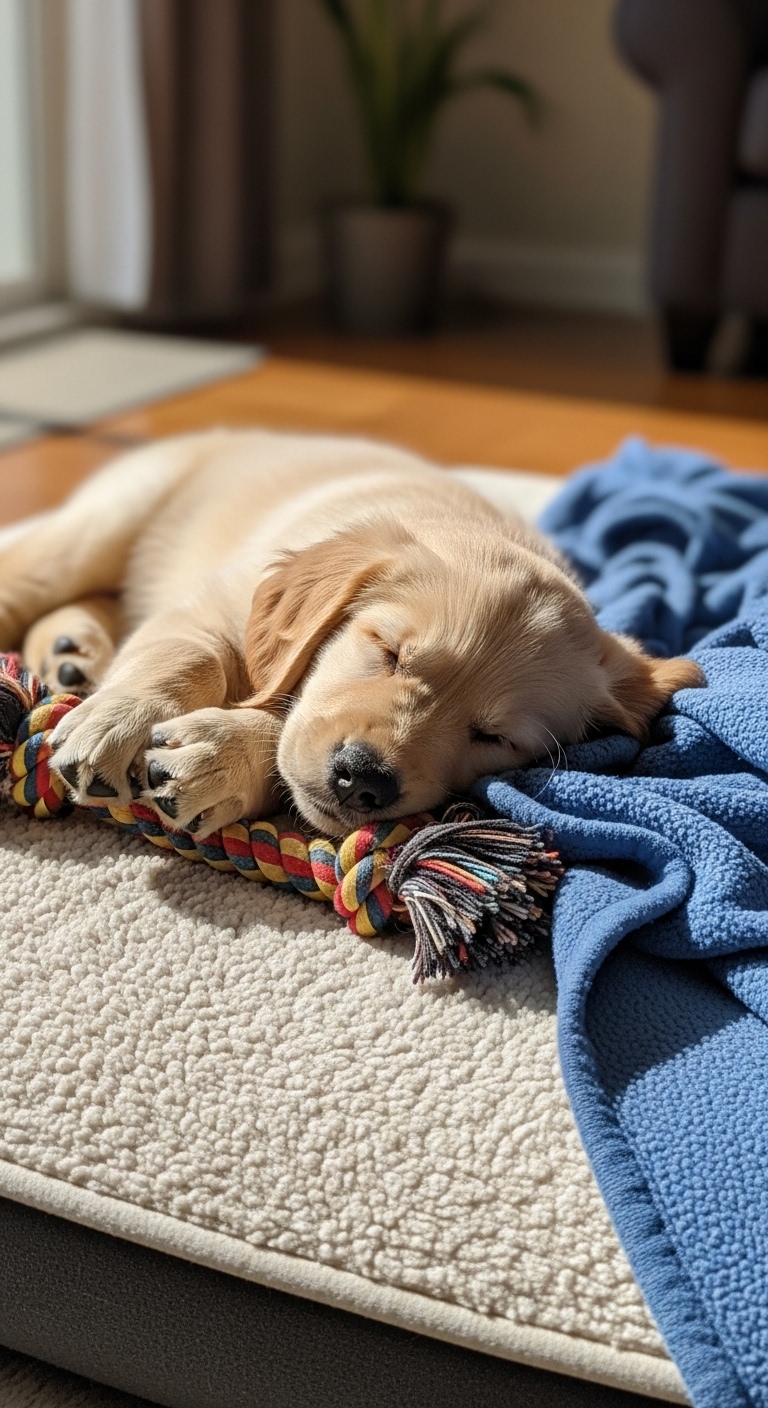
How long a dog stays in the puppy stage can feel confusing when you're in the thick of it. One day your dog is tiny and clumsy, the next they're growing like a weed and chewing everything in sight. It’s not just about size: puppy energy, training needs, and health concerns change fast too. Knowing when this phase ends helps you adjust care, expectations, and even your home setup so you’re not caught off guard by sudden growth spurts or new behaviors.
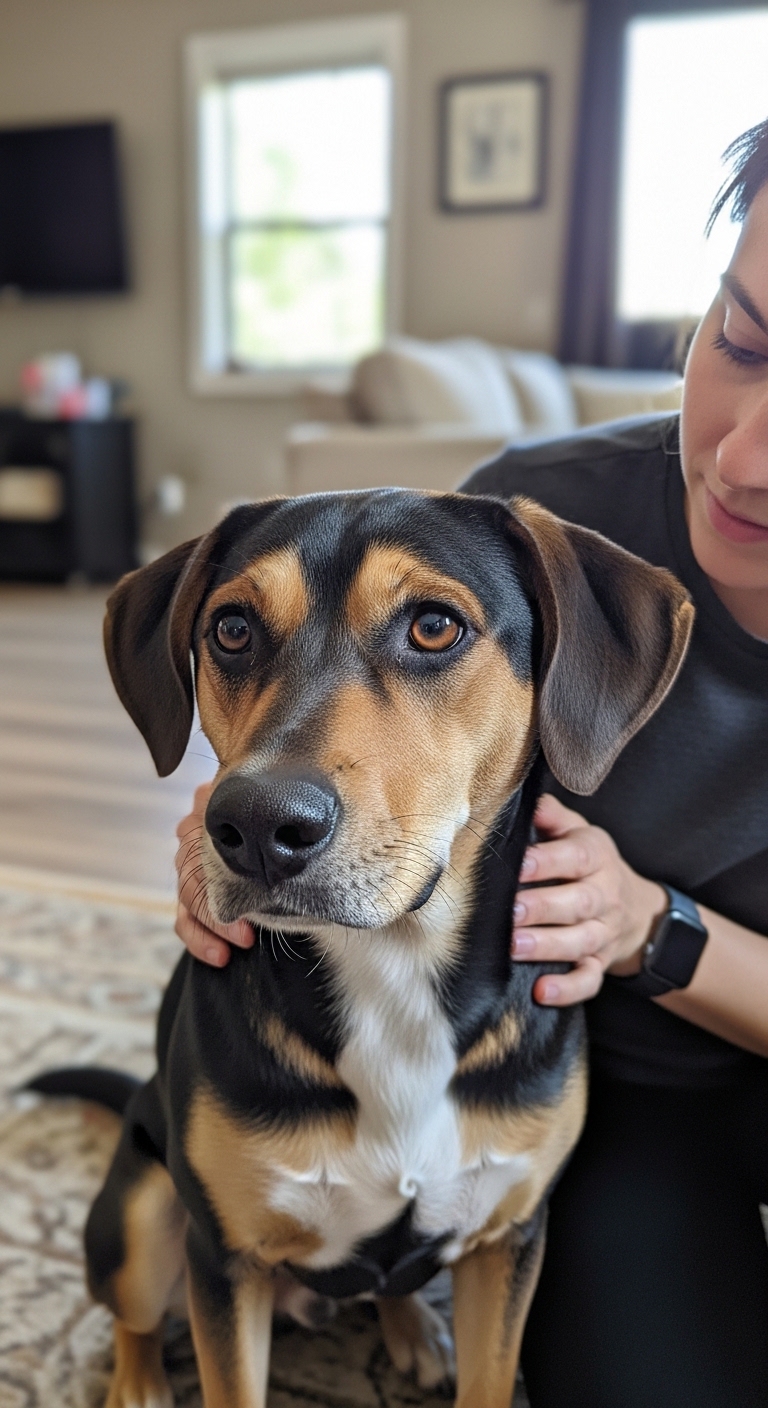
I still remember when my terrier mix went from a 5-pound ball of fluff to a 25-pound tornado in just a few weeks. One minute she was napping in my lap, the next she was leaping onto the couch like it was nothing. That growth spurt made me realize how fast puppyhood flies by and how important it is to adjust care as they change.
Key Things to Understand
- Growth timeline: Puppies grow quickly in their first six months but aren’t fully mature until much later
- Breed differences: Smaller breeds often reach adulthood faster than larger breeds, sometimes as early as 9 to 12 months
- Teething phase: Puppy teeth fall out and adult teeth come in around 4 to 7 months, which can make chewing painful
- Socialization window: Socialization windows close early, usually by 12 to 16 weeks, so early exposure matters most
- Nutritional needs: Puppies need more frequent meals and higher-calorie food than adult dogs to support rapid growth
- Vet schedules: Vaccination schedules and spay/neuter timing depend on breed size and vet recommendations
What to Look For
Watch for when your puppy starts losing their baby teeth. You might find tiny teeth around the house or notice them chewing more than usual. This is normal, but if you see bleeding gums or reluctance to eat, it’s worth checking with your vet. Around the same time, you’ll notice their energy levels shifting. A 3-month-old puppy might have bursts of hyperactivity followed by sudden crashes into sleep, while a 6-month-old may start showing more focus during training sessions.
Pay attention to how your puppy interacts with other dogs. If they’re still overly clumsy or easily startled by bigger dogs at 5 or 6 months, they might need more socialization. On the flip side, if they’re suddenly ignoring playtime or showing aggression, it could signal discomfort or pain as their adult teeth come in. Their coat changes too: puppy fur is often softer and fluffier, while adult fur may feel coarser or start to develop breed-specific patterns.
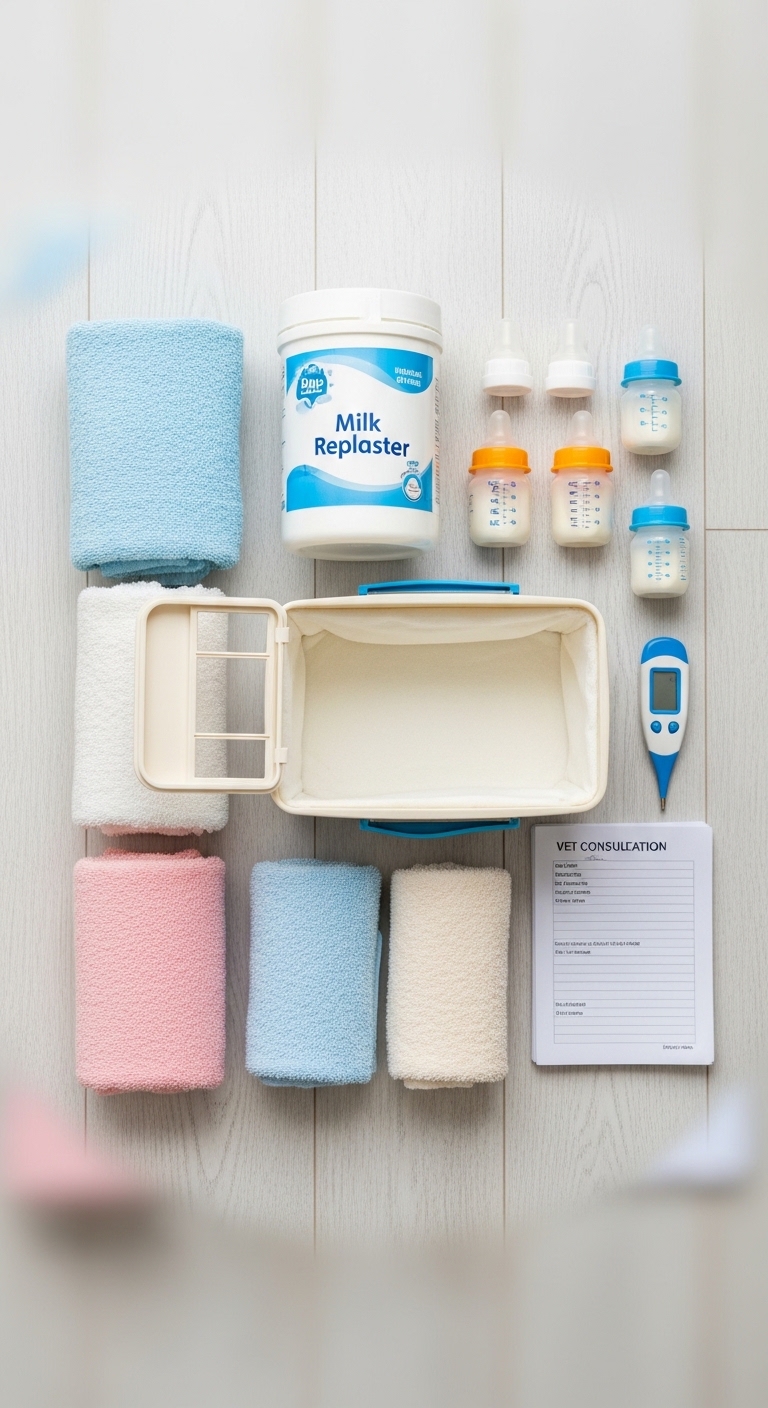
I once met a Great Dane owner who was shocked when their 14-month-old dog still acted like a puppy. They’d assumed their dog was fully grown because of the size, but the dog still needed puppy food and gentle training. It’s a good reminder that size doesn’t always match maturity. Also, don’t rush spaying or neutering: some vets recommend waiting until a dog is closer to 12 months, especially for larger breeds, to avoid growth complications.
Daily Care Habits
Puppies need a consistent routine for feeding, potty breaks, and sleep to avoid accidents and stress. A 3-month-old puppy might need to go outside every 2 to 3 hours, while a 6-month-old can often hold it for 4 to 6 hours. Adjust meal times too: three to four smaller meals a day are ideal for puppies under 6 months, while two meals work for older puppies transitioning to adult food.
Choosing the Right Product
Look for puppy-specific formulas labeled for growth stages, not just “all life stages.” These foods have the right balance of calcium, protein, and fat to support bone and muscle development. Avoid adult dog food until your vet confirms your puppy is ready, usually around 12 months for small breeds and 18 to 24 months for large breeds. Toys should be soft and chewable for teething pups, then gradually shift to durable options as they grow.
Safety and Comfort
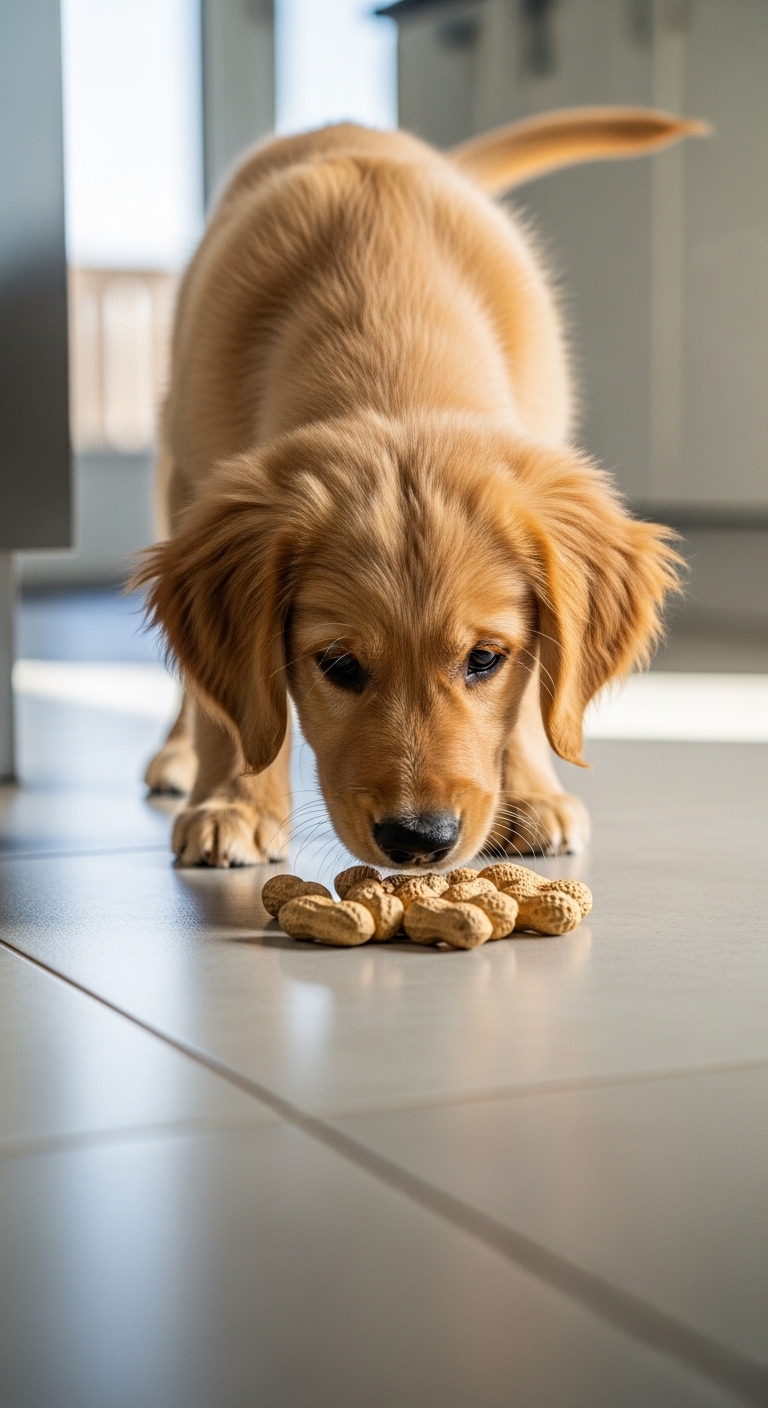
Puppies explore with their mouths, so keep electrical cords tucked away and small objects off the floor. Stairs can be tricky for tiny legs: consider a ramp or carry them until they’re strong enough to navigate safely. Their bones are still developing, so avoid high-impact activities like long runs or jumping from heights until they’re at least a year old.
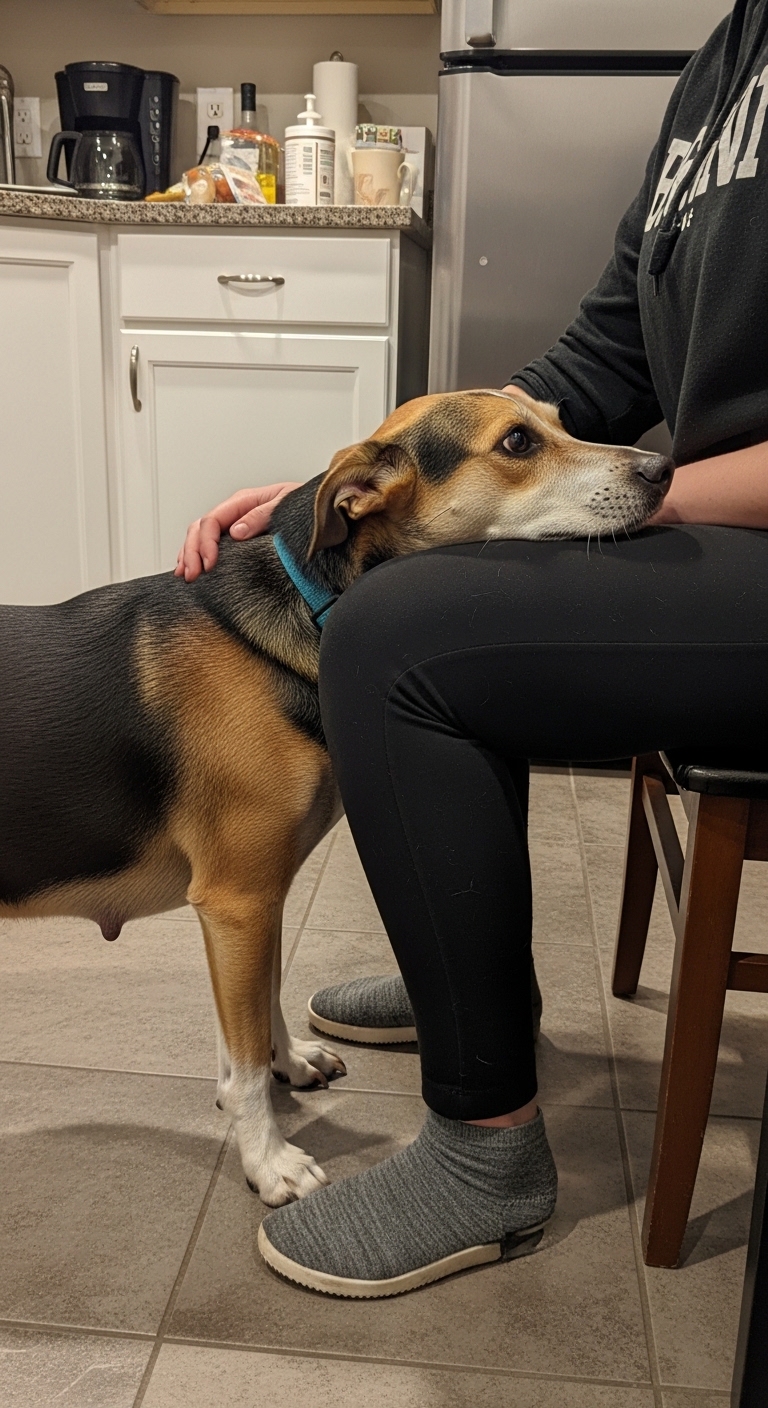
The puppy stage flies by faster than you expect, and before you know it, you’ll miss the tiny, clumsy moments. One day they’re tripping over their own paws, the next they’re trotting beside you like a pro.
Frequently Asked Questions
- → How long does the puppy stage last?
The puppy stage typically lasts from birth until 12 to 18 months, though larger breeds may take up to 24 months to fully mature.
- → What are the key milestones in puppy development?
Key milestones include teething, vaccinations, socialization, and learning basic commands. Physical growth and behavioral training are also critical during this stage.
- → Do different breeds have different puppy stages?
Yes, smaller breeds often mature faster, reaching adulthood by 9-12 months, while larger breeds may take up to 24 months to fully develop.
- → What should I feed my puppy during this stage?
Puppies require a balanced diet rich in protein, healthy fats, and essential nutrients. Consult your vet to choose the right food for your puppy's breed and size.
- → How can I socialize my puppy effectively?
Introduce your puppy to various environments, people, and other animals gradually. Positive reinforcement and controlled exposure help build confidence and prevent fear-based behaviors.
- → When should I start training my puppy?
Training can begin as early as 8 weeks old. Focus on basic commands like sit, stay, and come, using positive reinforcement techniques to encourage good behavior.