How often dogs go into heat is a question every dog owner should understand, especially if you're planning to breed or just want to keep your pup healthy. Heat cycles aren’t just about reproduction: they affect your dog’s mood, energy, and even her long-term health. Knowing what’s normal helps you spot issues early and support her through this natural phase without unnecessary stress.
I remember when my first dog went into heat for the first time. She was suddenly more affectionate but also more sensitive to noise. Adjusting her routine made a big difference in keeping her calm.
Key Things to Understand
- Frequency: Heat cycles typically happen twice a year but can vary by breed and size
- First cycle timing: The first heat usually starts between six and twelve months of age
- Duration: Each cycle lasts about two to four weeks with bleeding and swelling
- Behavioral signs: Dogs may show behavioral changes like increased urination or restlessness
- Health benefits: Spaying before the first heat reduces the risk of mammary cancer later
What to Look For
Watch for the first signs of heat, which often include slight bleeding and swollen vulva. Some dogs become more affectionate or seek extra attention, while others may seem irritable or distracted. You might notice her licking herself more often or leaving small blood spots around the house. Pay attention to how she interacts with male dogs, as her behavior will shift as she becomes receptive. If her cycle seems unusually long, short, or irregular, it’s worth mentioning to your vet.
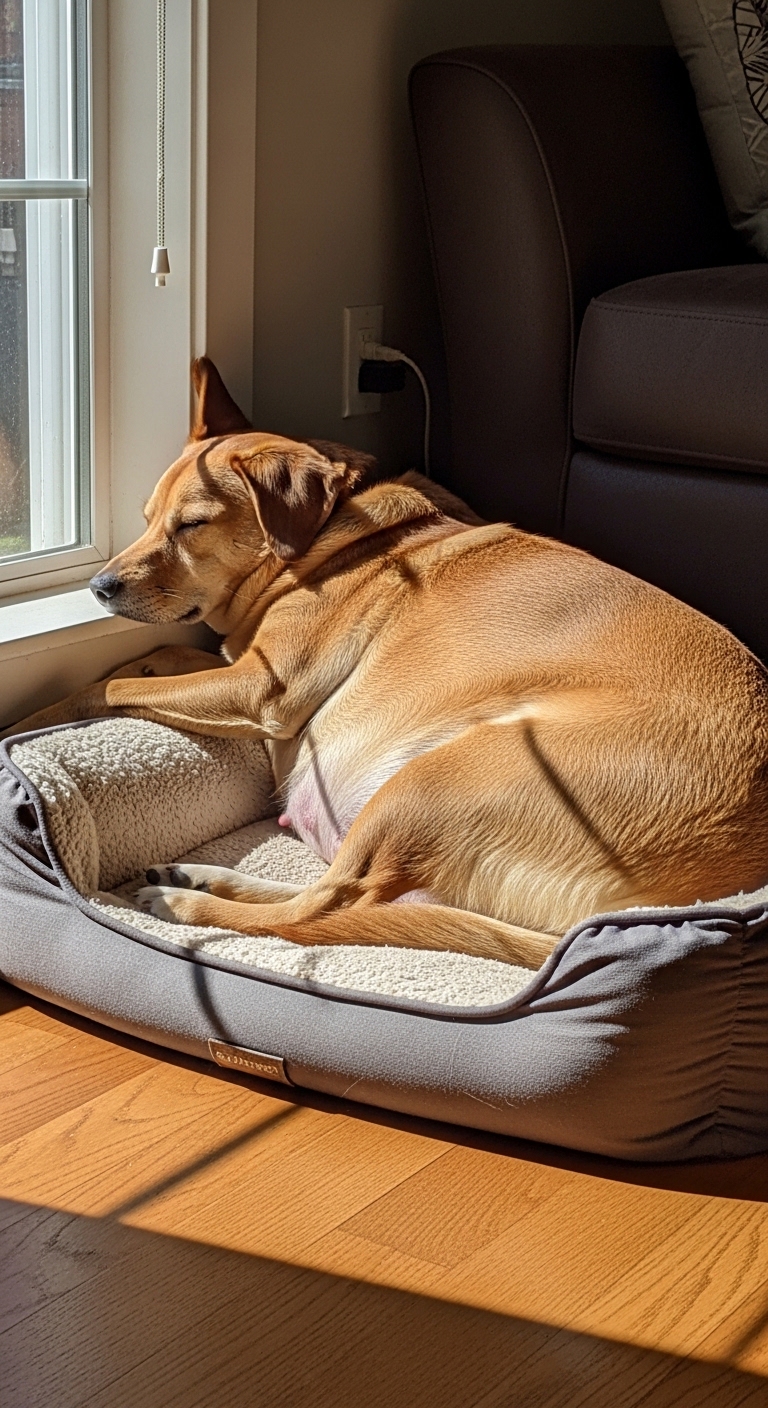
It’s easy to assume every dog handles heat the same way, but I’ve seen dogs act completely different during their cycles. One of mine would pace constantly while the other just wanted to nap more. Keeping a simple log of her behavior helps you notice patterns over time.
Daily Care Habits
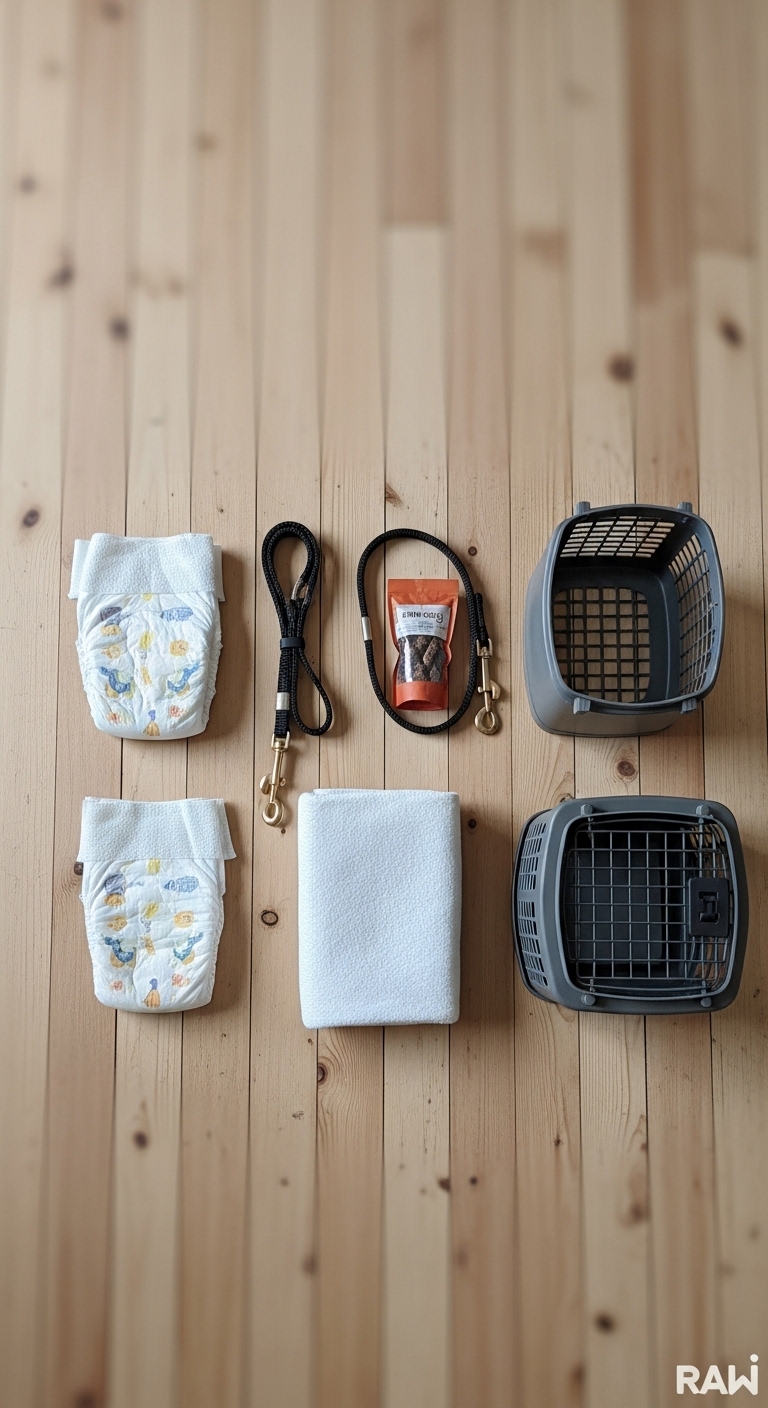
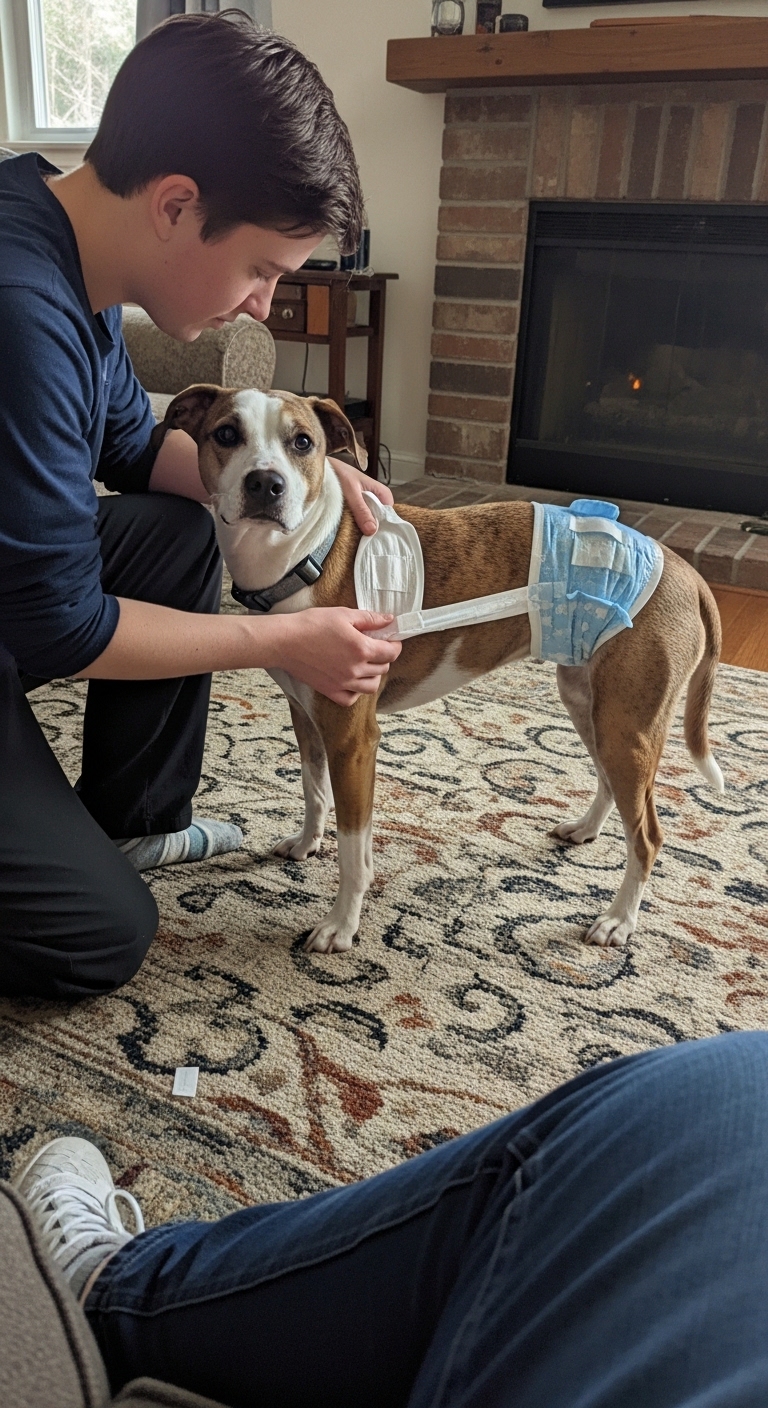
During heat, daily walks are still important but may need shorter outings to avoid overstimulation. Use doggy diapers or washable pads to manage bleeding and keep your home clean. Avoid dog parks or areas with intact males to prevent unwanted attention. If your dog seems extra tired, let her rest more without feeling guilty: her body is working hard.
Choosing the Right Product
Dog diapers come in disposable and reusable options, each with pros and cons. Disposable diapers are convenient but create more waste, while washable ones are eco-friendly but require regular cleaning. Look for breathable materials to prevent irritation and a snug but comfortable fit. Avoid tight elastic bands that can cause chafing around her hind legs.
Safety and Comfort
Keep your dog indoors or in a secure yard during peak heat times to prevent roaming males from causing stress. Watch for signs of infection like excessive swelling or foul odor, which could indicate a problem. If she’s licking herself constantly, a cone might help prevent irritation from grooming. Always supervise her around other dogs, even friendly ones, as their behavior can change during this time.
Seasonal Adjustments
In colder months, your dog might bleed less visibly due to thicker fur, but she’s still fertile. During summer, extra grooming can help manage odor and keep her comfortable. If you live in a warm climate, watch for signs of overheating, as her body is already working harder. Adjust her diet slightly if she seems less active to avoid weight gain.
Age-Specific Advice
Young dogs in their first heat may have lighter, shorter cycles that become more regular with age. Senior dogs might experience irregular cycles or stop altogether, which is normal but worth discussing with your vet. If your dog is older and still cycling frequently, it could signal an underlying issue like a hormonal imbalance. Always tailor care to her energy and health needs at each stage of life.
Understanding your dog’s heat cycle helps you provide better care and avoid unnecessary stress for both of you. Track her patterns and adjust routines as needed.
Frequently Asked Questions
- → How long does a dog's heat cycle last?
A dog's heat cycle typically lasts between 2 to 4 weeks, with the first phase (proestrus) lasting 3 to 17 days, followed by the estrus phase where ovulation occurs.
- → How often do dogs go into heat?
Female dogs usually go into heat every 6 to 12 months, though this can vary by breed and size. Smaller breeds may cycle more frequently, while larger breeds often have longer intervals.
- → What are the signs my dog is in heat?
Common signs include swelling of the vulva, bloody discharge, increased urination, restlessness, and behavioral changes like clinginess or agitation.
- → Can I prevent my dog from going into heat?
Spaying your dog is the most effective way to prevent heat cycles. This procedure removes the reproductive organs and eliminates the hormonal changes associated with heat.
- → How should I care for my dog during her heat cycle?
Keep her indoors during peak fertility, use doggy diapers if needed, maintain a consistent routine, and ensure she gets regular exercise and a balanced diet to support her health.
- → What should I do if my dog's heat cycle seems irregular?
If you notice irregular cycles, excessive bleeding, or signs of infection, consult your veterinarian to rule out underlying health issues like infections or hormonal imbalances.