Can dogs eat nuts? It’s a question many pet owners ask, especially when snacking in front of their furry friends. While some nuts can be safe in small amounts, others are downright dangerous. Knowing which nuts are okay and which to avoid can prevent serious health issues for your dog. A little knowledge goes a long way in keeping your pet happy and healthy.
Many owners assume that if a food is safe for humans, it must be safe for dogs. However, dogs metabolize foods differently, and what seems harmless to us can be dangerous for them. Always double-check before sharing any human food with your pet.
Key Things to Understand
- Macadamia nuts: Highly toxic to dogs and can cause weakness, vomiting, and even tremors.
- Walnuts and pecans: Contain juglone, a compound that can lead to digestive upset and potential long-term issues.
- Almonds: Aren’t toxic but can pose a choking hazard or cause stomach upset due to their hard texture.
- Cashews: Safe in small amounts, but they’re high in fat, so moderation is key.
- Peanuts: Generally safe if unsalted and shelled, but salted or flavored varieties can be harmful.
What to Look For
Watch for signs of distress like vomiting, diarrhea, lethargy, or tremors after your dog eats nuts. If you notice any of these symptoms, contact your vet immediately. Pay attention to the type of nut: some are more dangerous than others, and even small amounts of toxic nuts can cause problems. Check ingredient labels on any human snacks before sharing them with your dog, as additives like salt, garlic, or chocolate can be harmful.

It’s easy to underestimate how quickly a dog can grab a nut off the floor or counter. Even a small piece of a toxic nut can lead to serious health issues, so prevention is the best approach. Keep nuts stored securely and educate everyone in the household about the risks.
Safe Nuts in Moderation
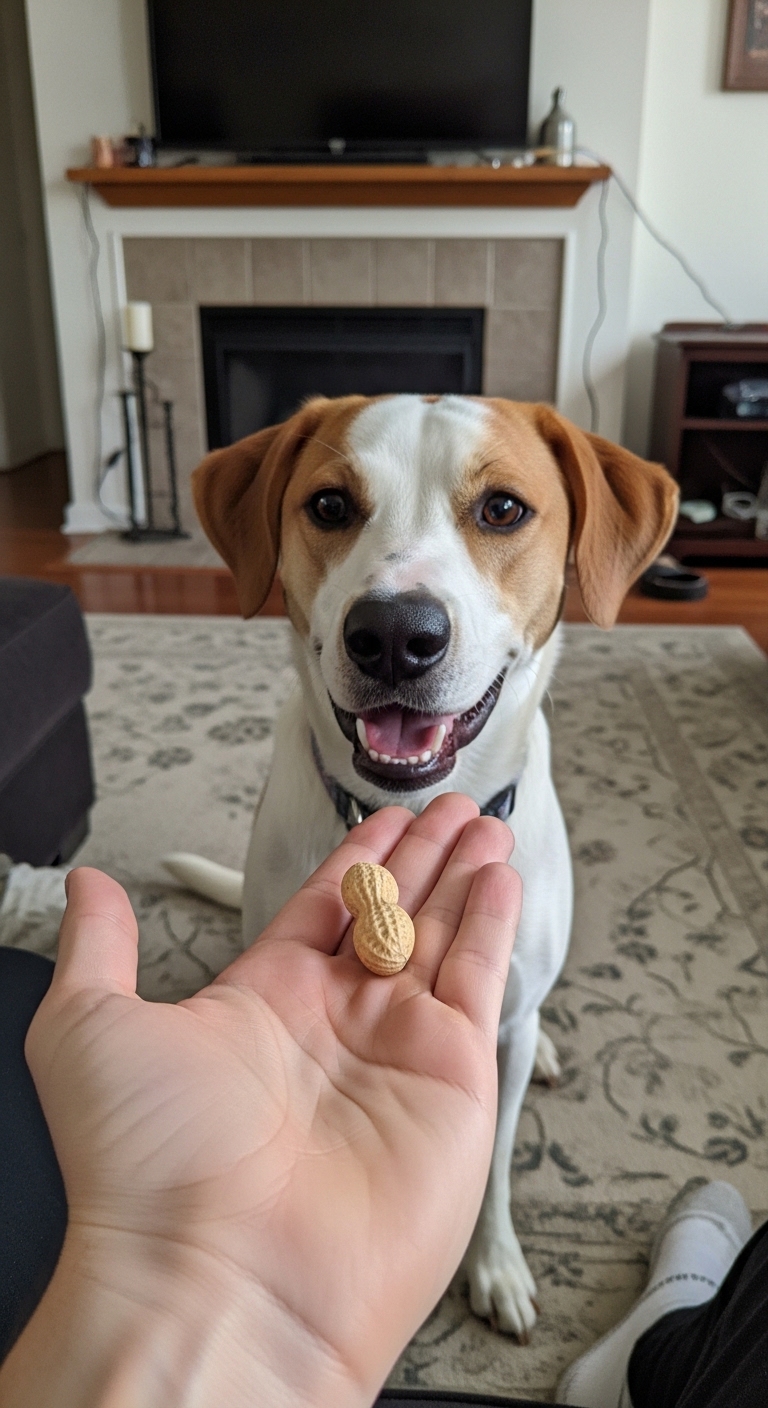
If you want to give your dog a nutty treat, cashews and peanuts are the safest options. Make sure they’re unsalted and shelled to prevent choking. Even then, limit the amount to avoid excess fat intake.
Signs of Nut Toxicity
If your dog eats a toxic nut, symptoms like vomiting, diarrhea, or weakness may appear within 12 hours. Some dogs may also show neurological signs like tremors or seizures. Quick action can make a big difference, so don’t wait to see if symptoms worsen.
When in doubt, consult your vet before introducing any new food to your dog’s diet. Their health and safety should always come first.
Frequently Asked Questions
- → Which nuts are toxic to dogs?
Macadamia nuts, walnuts, and pecans are highly toxic to dogs. They can cause symptoms like vomiting, weakness, tremors, and even neurological issues. Always keep these nuts out of reach of your pet.
- → Can dogs eat peanuts safely?
Plain, unsalted peanuts are generally safe for dogs in small amounts. However, they should be given as an occasional treat due to their high fat content, which can lead to digestive upset or pancreatitis if overfed.
- → What are the signs of nut poisoning in dogs?
Symptoms of nut poisoning may include vomiting, diarrhea, lethargy, tremors, weakness, or seizures. If you suspect your dog has ingested a toxic nut, contact your veterinarian immediately.
- → Are almonds safe for dogs?
Almonds are not toxic but can pose a choking hazard or cause intestinal blockages. They are also high in fat, which may lead to digestive issues. It's best to avoid giving almonds to your dog.
- → What should I do if my dog eats a toxic nut?
If your dog consumes a toxic nut like macadamia or walnut, contact your vet or an emergency pet poison hotline right away. Do not induce vomiting unless instructed by a professional.
- → Can dogs eat cashews or hazelnuts?
Plain, unsalted cashews and hazelnuts are not toxic to dogs but should only be given in very small amounts. They are high in fat, so overfeeding can lead to weight gain or digestive problems.