
Can dogs eat fish? It’s a question many pet owners ask, especially when considering adding variety to their dog’s diet or looking for healthy protein sources. Fish can be a great option for dogs, offering lean protein, omega-3 fatty acids, and essential vitamins. But not all fish is safe, and preparation matters. Knowing the right types, portions, and potential risks ensures your dog gets the benefits without harm.
I remember when I first tried giving my dog salmon, I was nervous about bones and seasoning. After a little research and a vet’s advice, I realized how simple it could be and how much my dog loved it.
Key Things to Understand
- Cooked fish is safer than raw fish: because it kills parasites and bacteria
- Small, boneless pieces are best: to prevent choking or internal injuries
- Certain fish like salmon and sardines are rich in omega-3s: great for skin and coat
- Avoid fish with added salt, spices, or oils: when preparing meals
- Raw fish can contain harmful bacteria or parasites: that may sicken your dog
- Some dogs may be allergic to fish: so introduce it slowly and watch for reactions
What to Look For
When choosing fish for your dog, look for fresh, high-quality options like wild-caught salmon, cod, or trout. These types are less likely to contain contaminants and are easier to digest. Avoid fish that smells overly strong or has a slimy texture, as these can indicate spoilage. If you’re using canned fish, opt for water-packed varieties with no added salt or seasoning. Always remove bones before serving, as they can splinter and cause serious harm. Watch your dog’s reaction after the first few servings: signs of itching, vomiting, or diarrhea mean it’s time to stop and consult your vet.
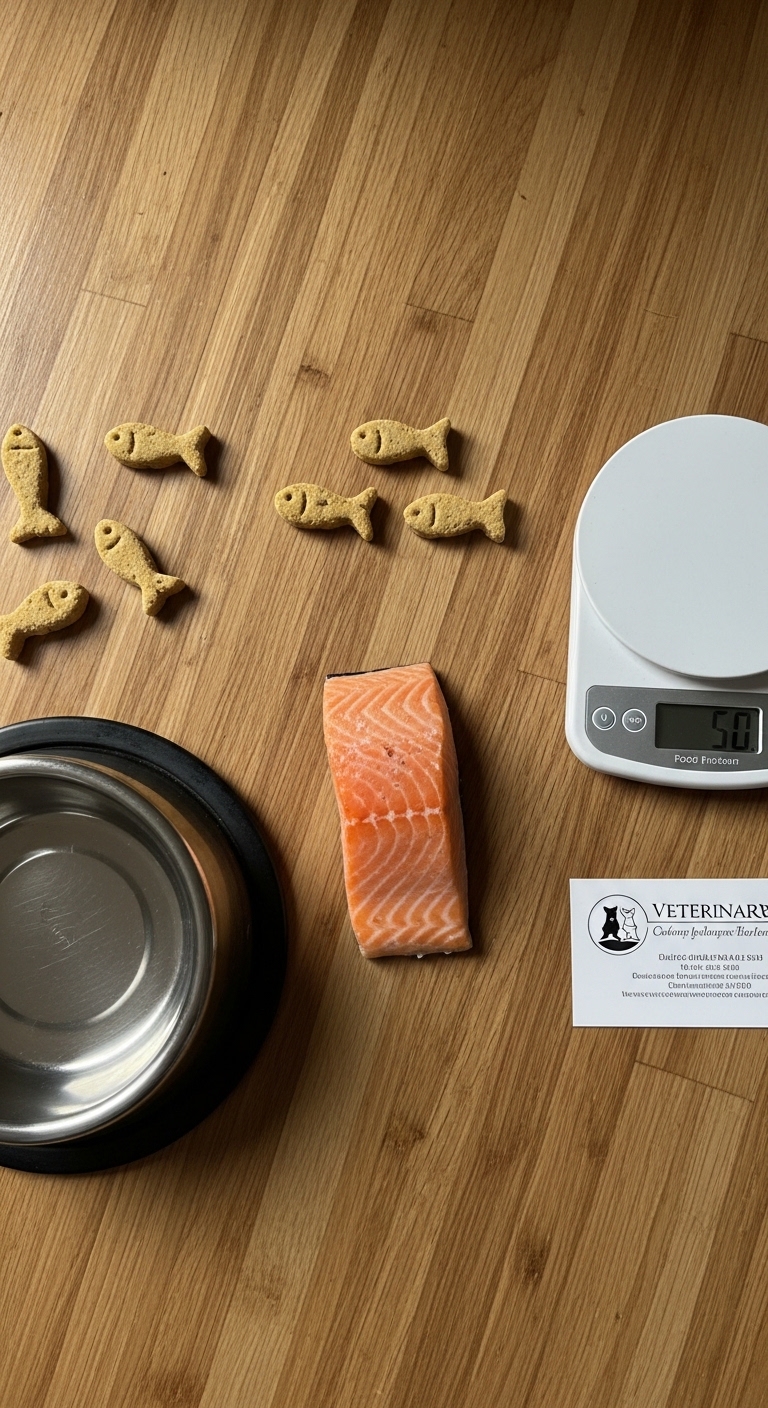
I once made the mistake of giving my dog leftover fried fish from dinner. Within hours, he was lethargic and had an upset stomach. It was a good lesson in keeping human food simple and safe for pets. Always stick to plain, cooked fish without any additives.
Daily Care Habits
Adding fish to your dog’s diet can be a great way to boost their nutrition, but it’s important to do it gradually. Start with small amounts, like a teaspoon for small dogs or a tablespoon for larger breeds, and monitor their response. Once or twice a week is a good frequency for most dogs. If your dog has never eaten fish before, introduce it slowly to avoid digestive issues. Mixing a little cooked fish into their regular food can help them adjust without causing upset.
Choosing the Right Product
When buying fish for your dog, freshness is key. Look for fish that’s firm to the touch and has a mild ocean scent. Frozen fish can be just as good if it’s thawed properly and free of ice crystals. Avoid pre-seasoned or marinated fish, as the additives can be harmful. If you’re unsure about a particular type, ask your vet for recommendations based on your dog’s size and health.
Safety and Comfort
Always cook fish thoroughly to kill any parasites or bacteria. Steaming, baking, or boiling are the safest methods. Never serve fish raw unless it’s been specifically prepared for pets by a professional. Keep an eye on your dog while they eat to ensure they’re chewing properly and not gulping down large pieces. If your dog is prone to food allergies, fish might not be the best choice: common allergens include salmon and whitefish.
Common Mistakes to Avoid
One of the biggest mistakes is feeding fish with bones. Even small bones can splinter and cause choking or internal damage. Another error is overfeeding fish, which can lead to weight gain or digestive problems due to the high fat content in some types. Avoid giving your dog fish that’s been cooked with onions, garlic, or excessive salt, as these ingredients are toxic to dogs. Lastly, don’t assume all fish is safe: some types, like tilapia or mackerel, can contain high levels of mercury if fed too often.
Cleaning and Hygiene
After feeding fish, clean your dog’s bowl and any surfaces they may have touched to prevent lingering odors or bacteria. If you’re preparing fish for your dog regularly, wash your hands and utensils thoroughly to avoid cross-contamination with human food. Store any leftover cooked fish in the fridge for no more than two days to ensure freshness. If you’re using fish oil supplements, follow the dosage instructions carefully to avoid over-supplementing.
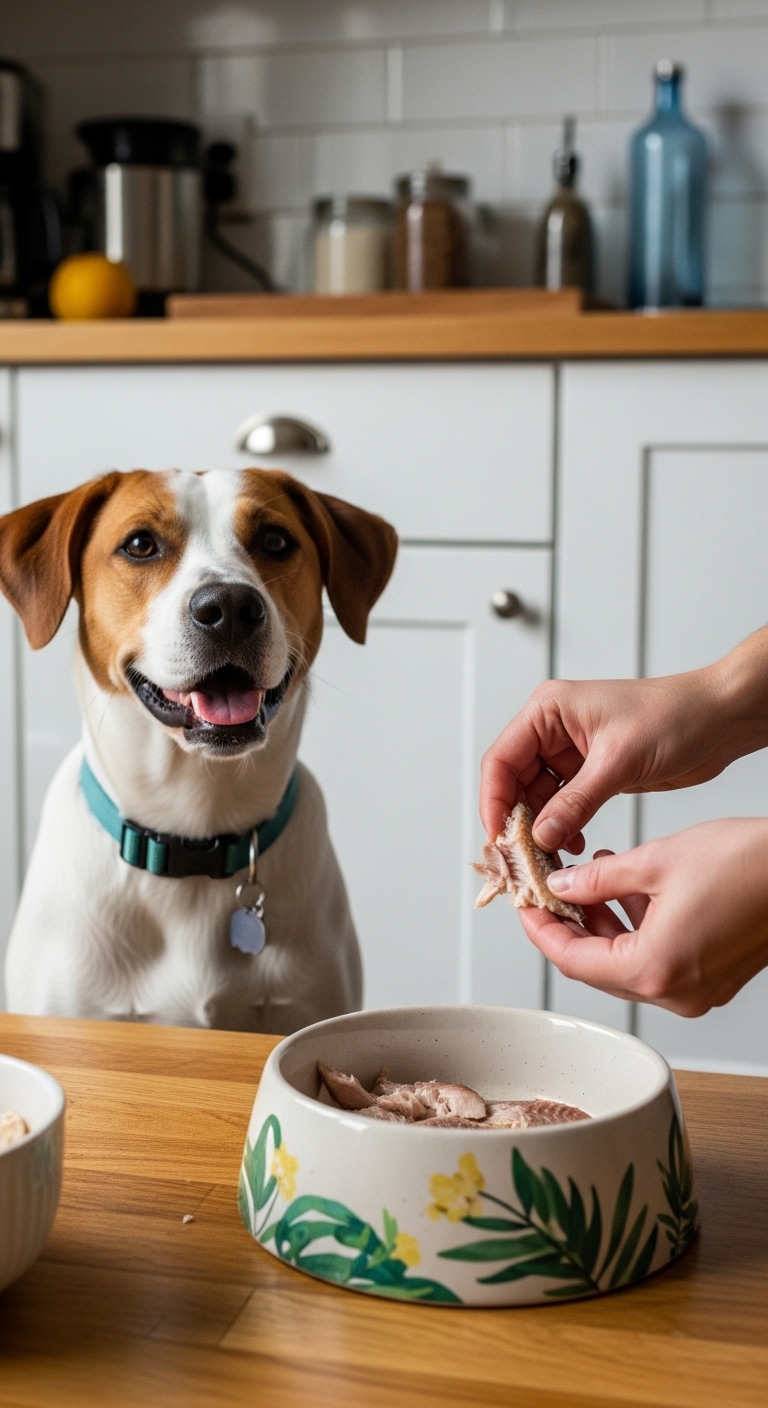
Adding fish to your dog’s diet can be a simple and rewarding way to enhance their health. Just remember to prioritize safety and moderation for the best results.
Frequently Asked Questions
- → Is cooked fish safe for dogs?
Yes, cooked fish is generally safe for dogs when prepared plainly without seasonings, oils, or butter. Avoid adding salt, garlic, onions, or spices, as these can be toxic to pets.
- → Can dogs eat raw fish?
No, raw fish—especially salmon, trout, or certain ocean fish—may contain parasites or bacteria like salmonella that can harm dogs. Always cook fish thoroughly before serving.
- → What fish should dogs avoid?
Avoid raw salmon, trout, tuna, swordfish, and fish with small bones that may splinter. High-mercury fish like tuna should also be limited or avoided due to potential toxicity.
- → How much fish can I feed my dog?
Fish should make up no more than 10% of your dog's daily diet. Start with small portions (1-2 teaspoons for small dogs, 1-2 tablespoons for larger breeds) and monitor for allergies or digestive issues.
- → Can fish help with my dog's skin allergies?
Yes! Fish rich in omega-3 fatty acids, like salmon or sardines, can reduce inflammation and improve skin and coat health. Consult your vet before using fish as a remedy for allergies.
- → How should I prepare fish for my dog?
Boil, bake, or steam fish without seasoning. Remove all bones and skin, then flake the meat into small, digestible pieces. Serve plain and in moderation as part of a balanced diet.
- → Are fish bones dangerous for dogs?
Yes, fish bones can splinter and cause choking, intestinal blockages, or internal injuries. Always debone fish thoroughly before feeding it to your dog.