
Can dogs eat bell peppers? It’s a question many pet owners ask when looking for healthy, crunchy snacks to share with their furry friends. Bell peppers are packed with vitamins and fiber, making them a tempting treat, but not all types are safe or beneficial for dogs. Knowing which ones to choose and how to serve them can make a big difference in your dog’s diet and overall health.
I once gave my own dog a slice of red bell pepper as a treat, thinking it was harmless, only to realize later that the seeds had caused a minor upset. That’s why I always recommend removing seeds and stems first: it’s a small step that makes a big difference.
Key Things to Understand
- Red bell peppers: the most nutritious for dogs because they contain the highest levels of vitamins A and C, which support immune health and skin condition.
- Green bell peppers: milder but lower in sugar, making them a safer option for dogs prone to weight gain or sensitive stomachs.
- Remove all seeds and stems: before serving because they can be choking hazards and may contain traces of solanine, a compound that’s mildly toxic in large amounts.
- Introduce slowly: to monitor for allergies or digestive issues, especially if it’s their first time trying them.
- Avoid for certain conditions: feeding bell peppers to dogs with conditions like pancreatitis, as the natural sugars can exacerbate their symptoms.
What to Look For
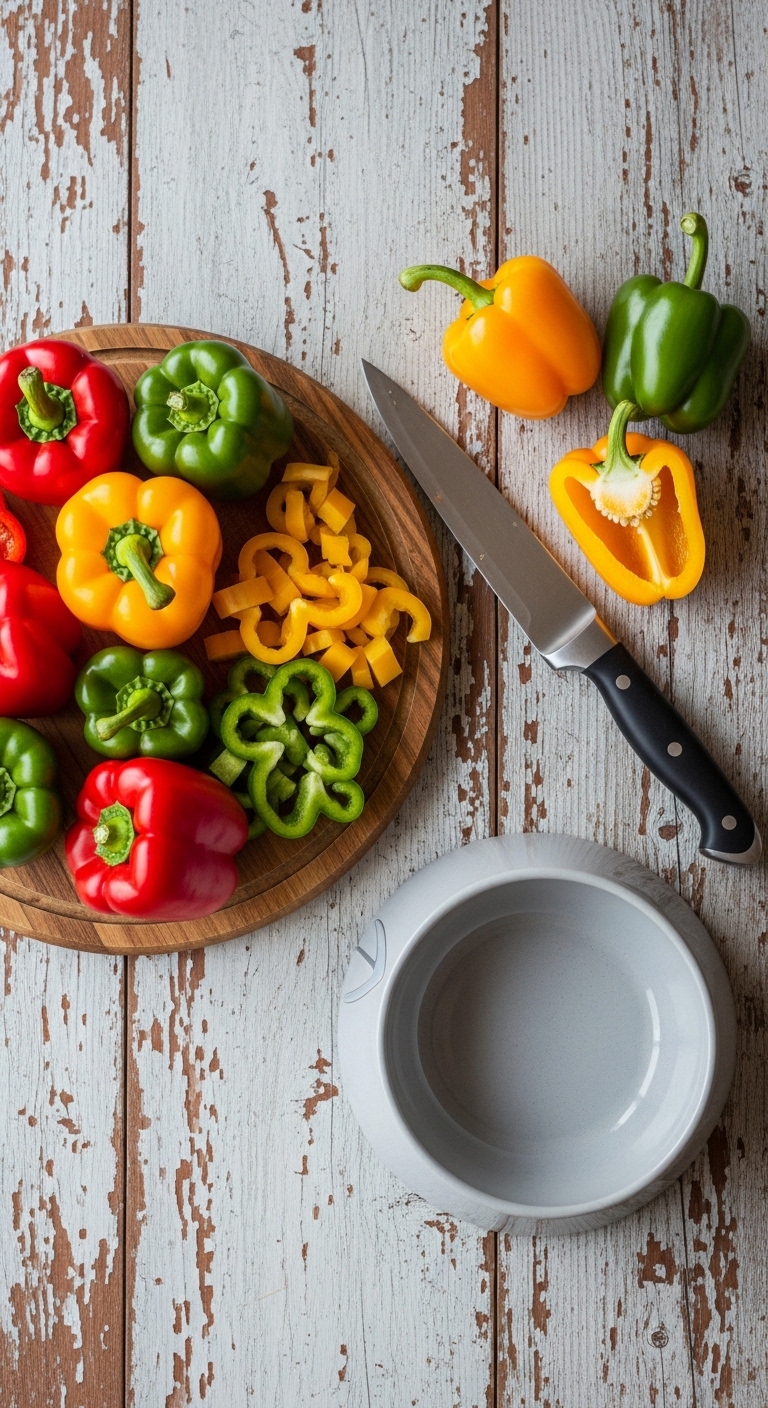
When selecting bell peppers for your dog, opt for organic varieties whenever possible to reduce exposure to pesticides that could irritate their system. Bright, firm peppers with smooth skin are the best choices, as they indicate freshness and higher nutrient content. Avoid any peppers that look wilted, discolored, or have soft spots, as these may have lost nutritional value or could cause stomach upset. If your dog has never eaten bell peppers before, start with a small piece and watch for signs of discomfort, such as vomiting or diarrhea, which could indicate an intolerance.
I’ve seen dogs turn their noses up at bell peppers entirely, while others gobble them up like treats. It’s all about preference and gradual introduction. If your dog isn’t interested at first, try mixing small pieces into their regular food to encourage them to give it a try.
Serving Suggestions for Bell Peppers
Steaming or roasting bell peppers can soften them, making them easier for dogs to chew and digest, especially for senior dogs or those with dental issues. Chopping them into tiny, bite-sized pieces prevents choking hazards and makes them easier to mix into meals or use as training treats. Avoid seasoning or cooking bell peppers with oils, garlic, onions, or spices, as these ingredients are toxic to dogs and can cause serious health issues.
Signs of Trouble to Watch For
If your dog experiences excessive drooling, pawing at their mouth, or gagging after eating bell peppers, they may be having a reaction and should be monitored closely. Persistent diarrhea or vomiting after eating bell peppers could signal an intolerance or allergy, warranting a call to your vet. Changes in energy levels or appetite following the introduction of bell peppers should be noted, as they could indicate an adverse reaction.
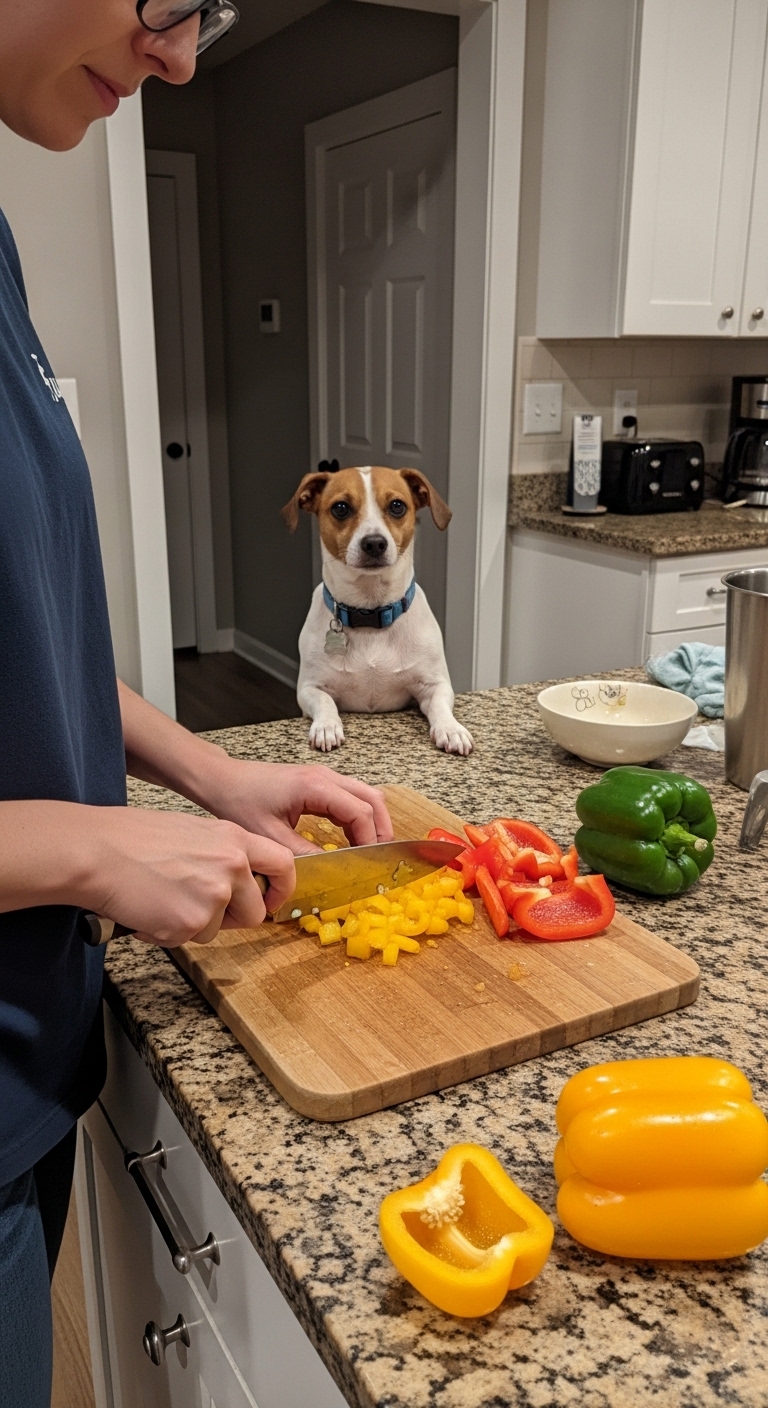
Bell peppers can be a healthy, low-calorie addition to your dog’s diet when prepared correctly. Always prioritize safety and moderation to keep your pet happy and thriving.
Frequently Asked Questions
- → Are bell peppers safe for all dogs?
Most dogs can safely eat bell peppers in moderation, but always introduce them slowly to check for allergies or sensitivities. Puppies, senior dogs, or those with pre-existing health conditions should consult a vet first.
- → How should I prepare bell peppers for my dog?
Wash the pepper thoroughly, remove the seeds and stem, and cut it into small, bite-sized pieces. Avoid cooking with oils, spices, or seasonings, as these can upset your dog’s stomach.
- → Can bell peppers cause allergies in dogs?
While rare, some dogs may be allergic to bell peppers. Signs of an allergic reaction include itching, swelling, or digestive issues. Discontinue feeding and consult your vet if you notice any symptoms.
- → How much bell pepper can I give my dog?
A good rule of thumb is 1-2 tablespoons of diced bell pepper per 10 pounds of body weight, served as an occasional treat. Overfeeding can lead to digestive upset due to the fiber content.
- → Can dogs eat cooked bell peppers?
Dogs can eat cooked bell peppers, but they should be steamed or roasted without oil, salt, or seasonings. Avoid frying or adding harmful ingredients like garlic or onions.
- → Are red bell peppers better than green ones for dogs?
Red bell peppers contain higher levels of vitamins and antioxidants compared to green ones, making them a slightly more nutritious choice. However, all colors are safe in moderation.