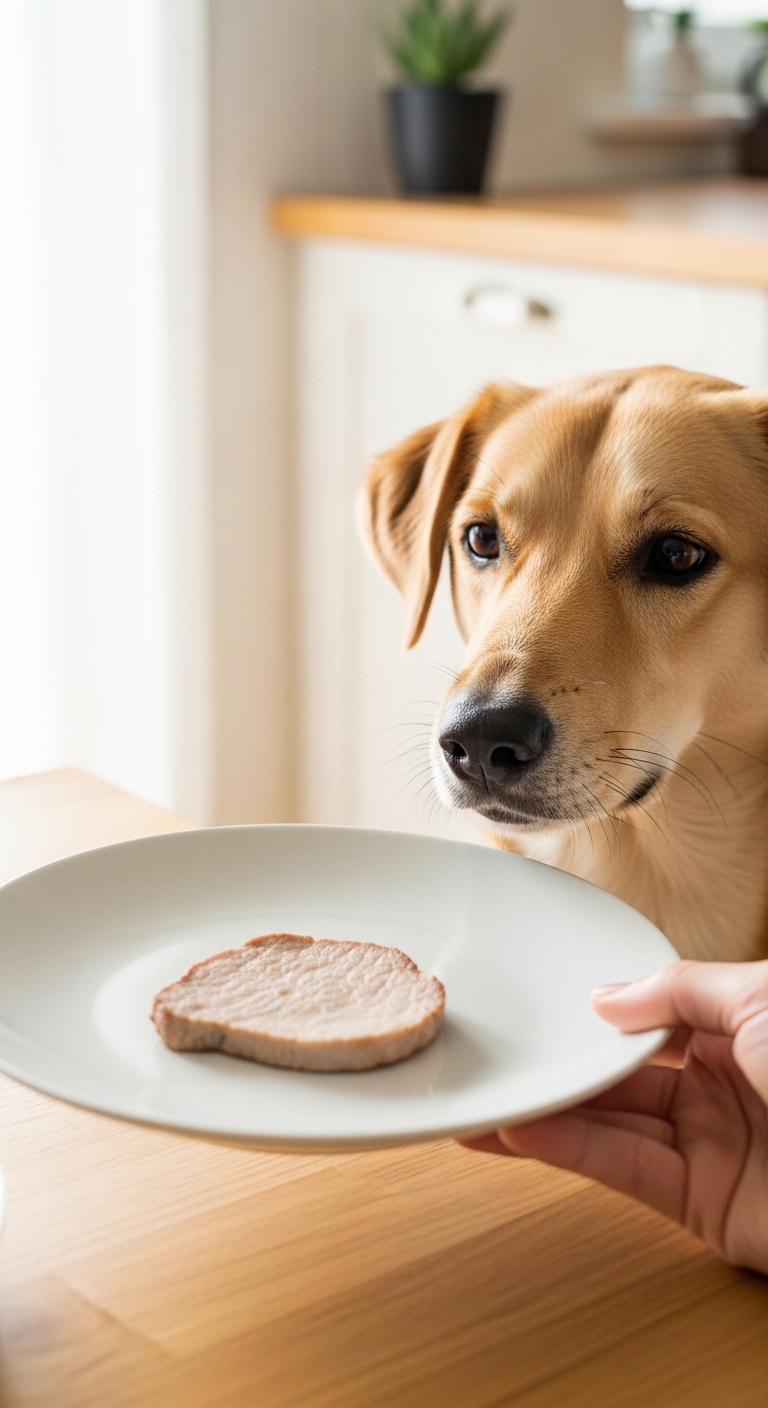
Can dogs eat ham? It’s a question many pet owners ask, especially when those puppy eyes are staring up at you while you’re slicing into a holiday ham or enjoying a sandwich. Ham is a common human food, but it’s not always safe for dogs. The salty, fatty, and seasoned nature of ham can cause digestive upset or even more serious health issues in pets. Knowing when it’s okay to share a small piece and when to avoid it altogether can keep your dog happy and healthy without unnecessary risks.
I’ve seen too many dogs end up at the vet after eating a whole slice of holiday ham left on the counter. It’s not worth the risk—even small amounts can cause problems, especially for smaller breeds or dogs with sensitive stomachs.
Key Things to Understand
- High salt and fat content: Ham is high in salt and fat, which can lead to dehydration, vomiting, or pancreatitis in dogs.
- Harmful seasonings: Some hams contain harmful seasonings like garlic or onion powder, which are toxic to pets.
- Portion control: Even plain cooked ham should only be given in very small amounts as an occasional treat.
- Health conditions: Dogs with pre-existing health conditions like kidney disease or obesity should avoid ham entirely.
- Processed risks: Processed deli ham often contains preservatives and additives that aren’t good for dogs.
What to Look For
Pay attention to how your dog reacts after eating ham. Some dogs might tolerate a tiny piece just fine, while others could show signs of discomfort within minutes or hours. Watch for excessive thirst, lethargy, vomiting, or diarrhea—these are clear signals that ham doesn’t agree with your pet. If your dog has never had ham before, introduce it slowly and in very small portions to gauge their tolerance.
Also consider the type of ham. Plain, unseasoned, and low-sodium ham is the safest option if you decide to share any at all. Avoid hams with glazes, honey, or heavy spices, as these can cause additional digestive issues. The way the ham is prepared matters too—baked, boiled, or smoked ham can all have different levels of salt and fat, so always check the ingredients list if possible.
I once had a client whose dog got into a whole cooked ham left on the kitchen counter. The dog ended up with severe pancreatitis and required several days of hospitalization. It was a costly and scary lesson about leaving human food unattended. Always keep ham and other human foods out of reach to prevent accidents.
Safer Ways to Share Ham
If you want to share a little ham with your dog, choose a small piece of plain, unseasoned ham and cut it into tiny, bite-sized pieces. Offer water immediately after giving ham to help flush out excess salt. Consider healthier alternatives like small pieces of cooked chicken or carrots as safer treat options.
When to Avoid Ham Completely
Dogs with a history of pancreatitis, kidney issues, or obesity should never be given ham, even in small amounts. The high fat and sodium content can exacerbate these conditions and lead to serious complications. Puppies and senior dogs are also more vulnerable to the negative effects of ham due to their sensitive digestive systems.
Healthier Treat Alternatives
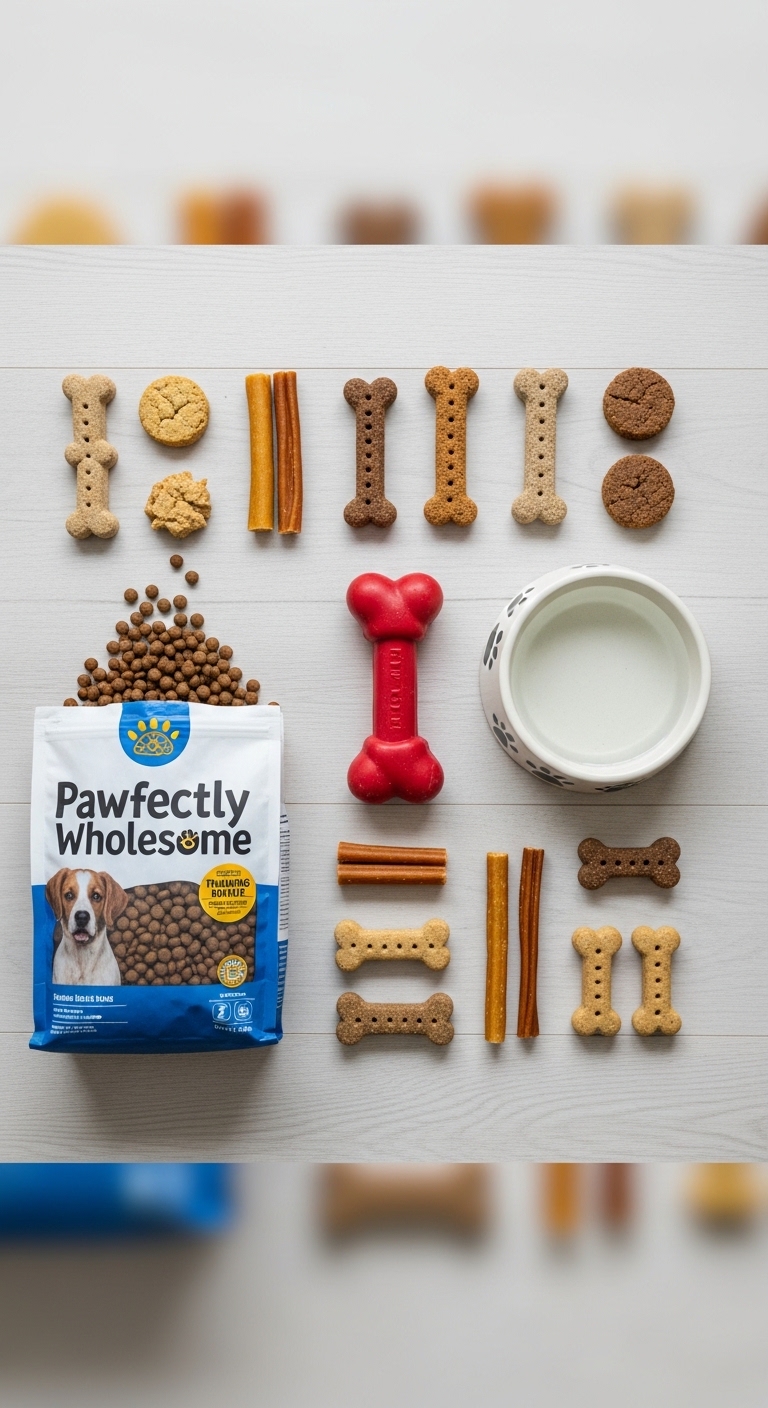
Instead of ham, opt for dog-safe treats like plain cooked chicken, turkey (without seasoning), or small pieces of fruits and vegetables like apples, blueberries, or green beans. These options are lower in fat and salt, making them a much safer choice for rewarding your pet without risking their health.

When in doubt, it’s always best to skip sharing ham with your dog altogether. There are plenty of dog-safe treats available that won’t put your pet at risk.
Frequently Asked Questions
- → Is ham toxic to dogs?
Ham isn’t inherently toxic, but it’s high in salt and fat, which can cause digestive issues or pancreatitis. Always serve in moderation and avoid seasoned or glazed ham.
- → How much ham can a dog eat?
Small dogs should have no more than a teaspoon of ham, while larger breeds can tolerate up to a tablespoon. Too much can lead to sodium poisoning or obesity.
- → Can dogs eat cooked ham bones?
No. Cooked bones can splinter and cause choking, intestinal blockages, or internal injuries. Always remove bones before feeding ham to your dog.
- → What are safer alternatives to ham?
Lean, unseasoned meats like boiled chicken, turkey, or plain fish are better options. Always remove skin, bones, and excess fat before serving.
- → What should I do if my dog eats too much ham?
Watch for symptoms like vomiting, diarrhea, lethargy, or excessive thirst. If severe, contact your vet immediately to prevent complications like pancreatitis.
- → Is ham bad for dogs with kidney issues?
Yes. Ham is high in sodium, which can worsen kidney problems. Dogs with kidney disease should avoid ham entirely and stick to low-sodium treats.