Can dogs get colds? It’s a question many pet owners ask when their furry friend starts sneezing or coughing. Just like humans, dogs can catch respiratory infections, but the causes and symptoms aren’t always the same. Understanding how colds affect dogs helps you respond quickly and keep your pet comfortable without overreacting to minor issues.
I remember when my own dog started coughing after a long walk in the rain. At first, I panicked, but then I realized it was just a mild irritation that cleared up on its own. That experience taught me how important it is to stay calm and observe before assuming the worst.
Key Things to Understand
- Dogs can catch respiratory infections: from viruses or bacteria just like people
- Symptoms often include: sneezing, coughing, watery eyes, and a runny nose
- Most dog colds are mild: and resolve within a week or two
- Serious cases may involve: high fever, lethargy, or difficulty breathing
- Certain breeds with short snouts: are more prone to respiratory issues
- Prevention includes: keeping your dog away from sick pets and maintaining good hygiene
What to Look For
Pay attention to how your dog’s symptoms change over time. A slight sneeze might just be dust irritation, but if it turns into persistent coughing or thick nasal discharge, that’s a sign something more is going on. Watch their energy levels too: if they’re normally playful but suddenly seem tired or uninterested in walks, it could point to an infection settling in. Also, check their appetite. A dog that turns down food for more than a day or two, especially when combined with other symptoms, deserves a closer look.
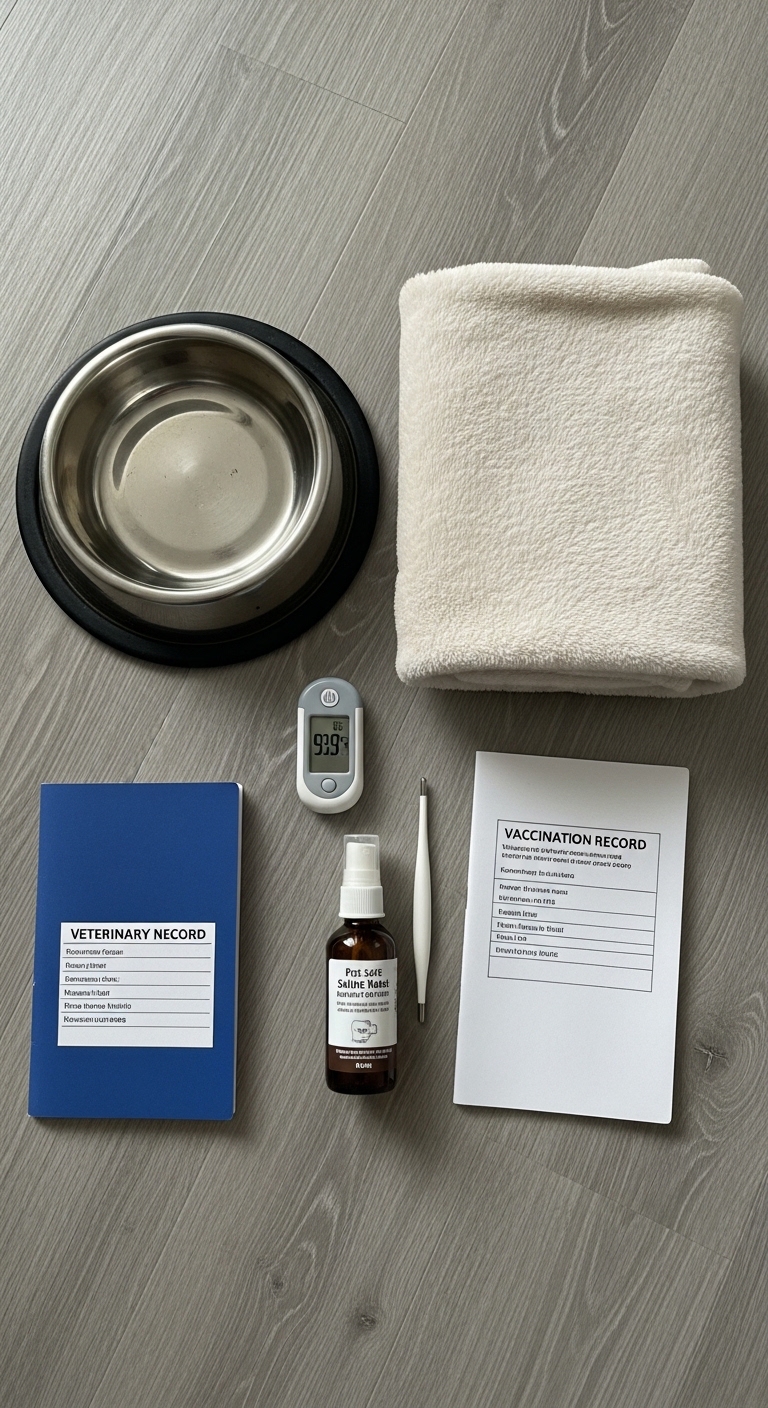
I once saw a friend give their dog children’s cough syrup because they thought it would help. It didn’t, and the dog ended up at the vet. Always double-check with your vet before giving any medication. Also, if your dog’s symptoms last longer than 10 days or worsen suddenly, don’t wait: schedule a vet visit. Catching issues early can prevent more serious complications down the road.
Daily care habits
Keep your dog’s living space clean and free of drafts, especially in colder months. Regularly wash their bedding and toys to reduce the buildup of allergens or bacteria that could irritate their respiratory system. If your dog spends time outdoors, limit exposure during extreme weather, whether it’s freezing temperatures or high pollen counts. A simple walk schedule that avoids peak cold or windy times can make a big difference in their comfort.
Choosing the right product
When your dog has a cold, avoid over-the-counter human remedies. Instead, look for vet-approved options like saline nasal sprays to help clear congestion or humidifiers to add moisture to the air. If you’re unsure about any product, ask your vet first. Some ingredients in pet products can be harmful if used incorrectly, so it’s always better to err on the side of caution.
Safety and comfort
If your dog is coughing or sneezing frequently, avoid using collars that pull on their throat. Switch to a harness during walks to reduce pressure on their windpipe. Also, keep them away from smoke, strong cleaning products, or other irritants that could worsen their symptoms. A calm, stress-free environment helps their immune system focus on fighting off the infection.
Common mistakes to avoid
Don’t assume every cough or sneeze means your dog has a cold. Allergies, foreign objects stuck in their nose, or even heart issues can cause similar symptoms. Another mistake is ignoring mild symptoms because you think they’ll go away on their own. Sometimes, what starts as a minor issue can turn into something more serious if left untreated. Always trust your instincts: if something feels off, it’s worth a quick check with your vet.
Cleaning and hygiene
Regular grooming helps prevent dirt and bacteria from building up around your dog’s face and paws, which can contribute to respiratory irritation. Wipe their paws after walks, especially if they’ve been in snowy or muddy conditions. Also, clean their food and water bowls daily to avoid bacterial growth that could affect their health. A little extra cleanliness goes a long way in keeping minor issues from becoming major problems.
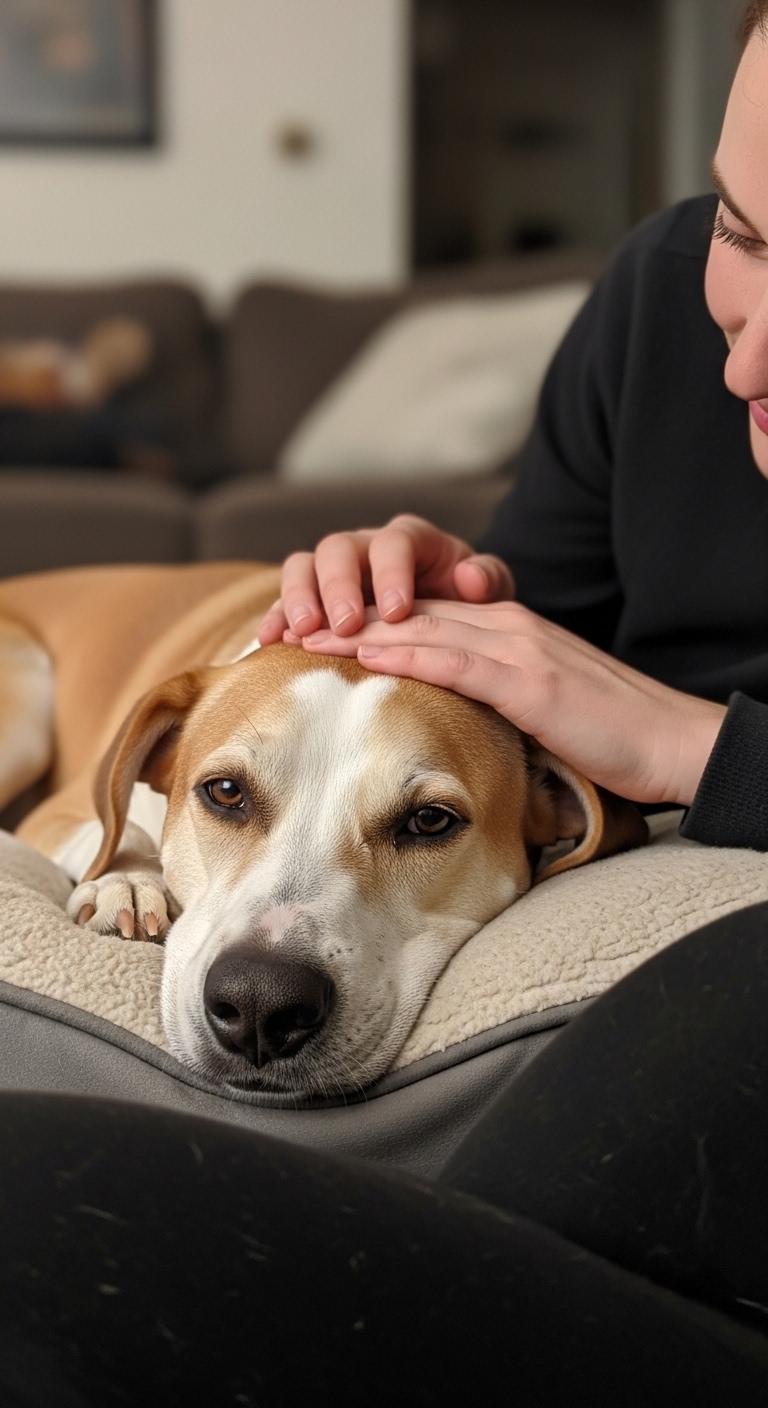
Stay observant and proactive to keep your dog healthy and happy.
Frequently Asked Questions
- → Can dogs catch human colds?
No, dogs cannot catch human colds. While some viruses may overlap, canine colds are typically caused by different pathogens specific to dogs.
- → What are common signs a dog has a cold?
Watch for sneezing, coughing, watery eyes, nasal discharge, lethargy, or a mild fever. These symptoms usually appear 1-3 days after exposure.
- → How long do dog colds last?
Most dog colds resolve within 7-10 days. Severe cases may take longer, but persistent symptoms warrant a vet visit.
- → Should I take my dog to the vet for a cold?
If symptoms are mild, home care with rest and hydration may suffice. Seek vet advice if your dog has difficulty breathing, refuses food, or symptoms last over two weeks.
- → How can I prevent my dog from getting a cold?
Avoid contact with sick dogs, keep vaccinations up to date, and maintain good hygiene. A balanced diet and regular exercise also boost immunity.
- → Can I give my dog human cold medicine?
Never give human medications to dogs without vet approval. Some ingredients, like acetaminophen, are toxic to pets. Always consult a professional first.