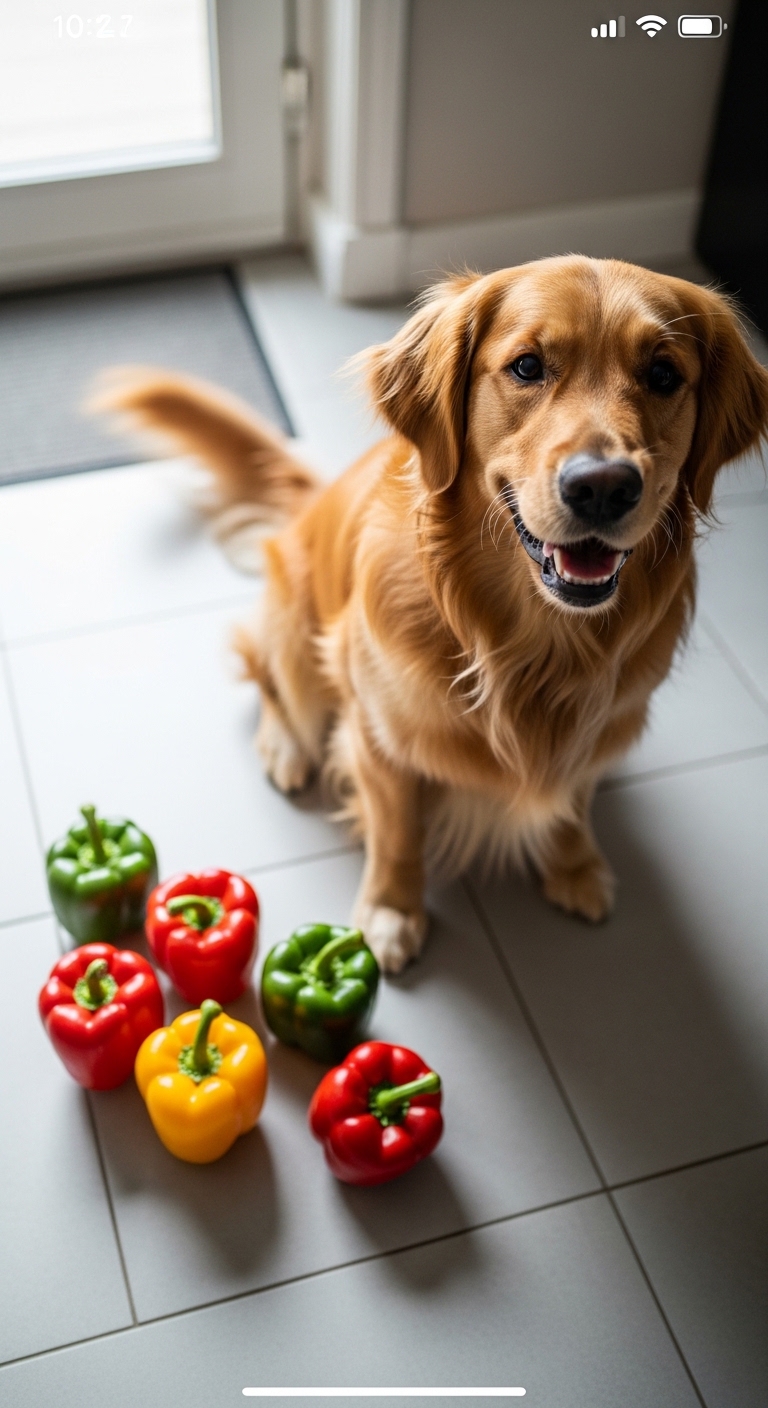
Can dogs eat red peppers? It’s a question many pet owners ask when looking for healthy, crunchy snacks to share with their furry friends. Red peppers are packed with vitamins and antioxidants, making them a tempting option, but are they safe for dogs? Before tossing a slice to your pup, it’s worth understanding the benefits and potential risks to keep their tail wagging safely.
It also clears up common myths about spicy foods and dogs, so you won’t accidentally feed something harmful while trying to offer a healthy snack.
Key Things to Understand
- Red peppers are non-toxic to dogs: can be a great source of vitamin C, beta-carotene, and fiber when given in moderation
- Always remove the seeds and stems: before serving, as these parts can be tough to digest and may pose a choking hazard
- Start with small amounts: to see how your dog reacts, especially if they’ve never had peppers before
- Avoid feeding spicy varieties: like jalapeños or chili peppers, as the capsaicin can irritate their stomach and digestive system
- Cooked red peppers are easier: for dogs to digest than raw ones, but raw slices can still be a safe occasional treat if cut into small, manageable pieces
What to Look For
When introducing red peppers to your dog’s diet, pay attention to their reaction in the hours after eating. Look for signs of stomach upset like vomiting, diarrhea, or excessive gas, which could mean the pepper didn’t agree with them. Also, watch their energy levels and appetite: if they seem unusually lethargic or refuse food, it might be a red flag.
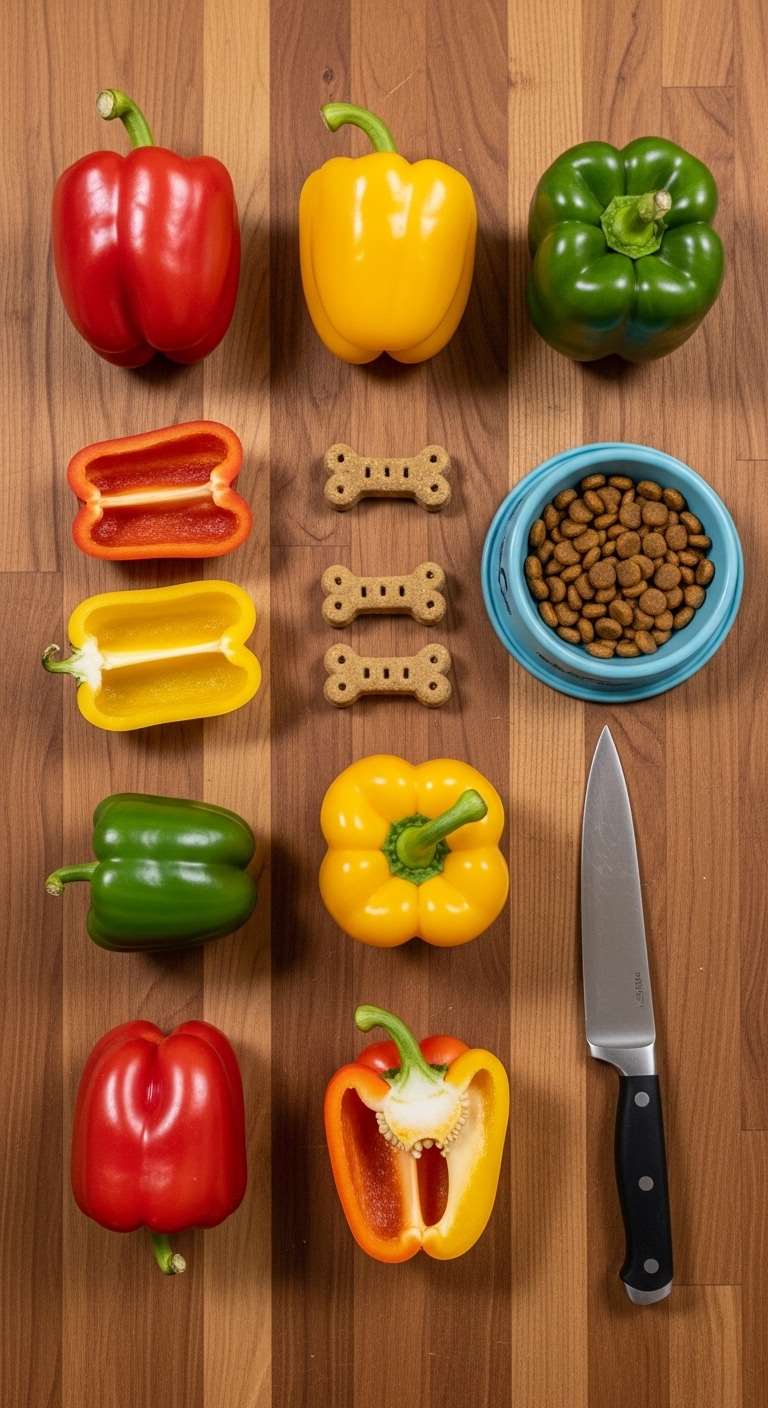
Check the texture of the pepper pieces you serve. Soft, cooked slices are gentler on their teeth and easier to chew, while raw slices should be cut into thin strips to prevent choking. If your dog has small jaws or dental issues, opt for softer preparations to keep mealtime safe and enjoyable.
It also clears up common myths about spicy foods and dogs, so you won’t accidentally feed something harmful while trying to offer a healthy snack.
Daily Care Habits
Incorporating red peppers into your dog’s routine can be as simple as mixing small cooked pieces into their regular food a few times a week. This adds variety without disrupting their diet. If you’re using raw slices as a training treat, keep sessions short to avoid overfeeding and monitor their reaction closely.
Choosing the Right Product
When buying red peppers for your dog, opt for organic when possible to reduce pesticide exposure. Avoid peppers that look wilted or have soft spots, as these can cause stomach upset. If you’re unsure about the source, a quick rinse under cold water can help remove any residue before serving.
Safety and Comfort
Always supervise your dog when they’re eating new foods, including red peppers. If they gobble their food too quickly, try cutting the pieces into smaller bits or mixing them with their kibble to slow them down. This reduces the risk of choking and helps their digestive system process the snack more easily.
Cleaning and Hygiene
After feeding your dog red peppers, wash any bowls or surfaces they came into contact with to prevent lingering odors or bacteria. If you’re preparing peppers for multiple pets, use separate utensils to avoid cross-contamination, especially if one dog has dietary restrictions.
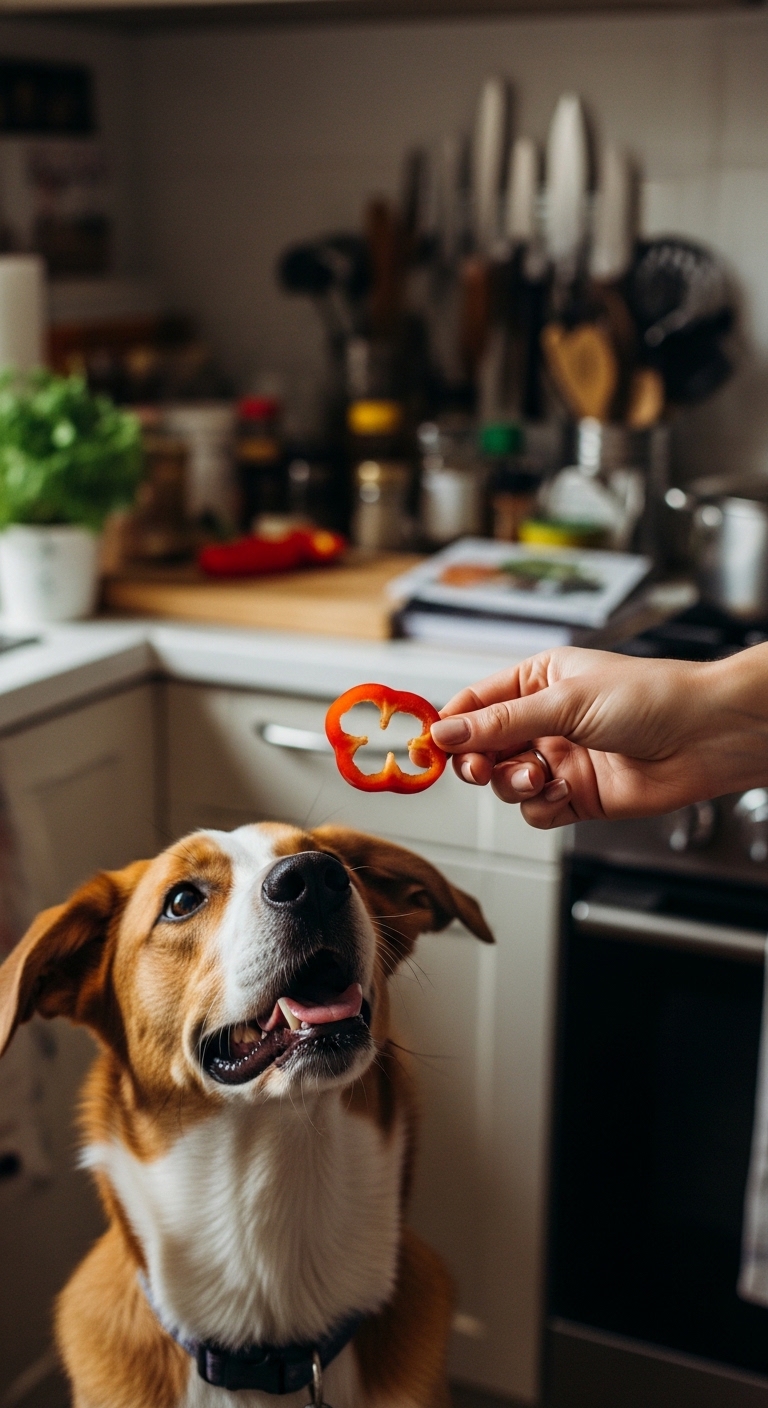
When in doubt, keep portions tiny and infrequent. Your dog’s health is always the top priority.
Frequently Asked Questions
- → Are red peppers safe for all dogs?
Most dogs can safely eat red peppers in moderation. However, dogs with sensitive stomachs or specific health conditions should avoid them. Always introduce new foods gradually and monitor for adverse reactions.
- → How should I prepare red peppers for my dog?
Wash thoroughly, remove seeds and stems, and cut into small, bite-sized pieces. Serve raw for crunch or lightly steamed for easier digestion. Avoid seasonings, oils, or cooking methods that add salt or spices.
- → Can red peppers replace commercial dog treats?
Red peppers can be used as low-calorie treats but shouldn’t fully replace balanced commercial dog food. They lack essential nutrients found in formulated diets. Use them as occasional snacks or meal toppers.
- → What are the benefits of red peppers for dogs?
Red peppers are packed with antioxidants, vitamins, and fiber. They support eye health (vitamin A), immune function (vitamin C), and skin health (vitamin E). The fiber aids digestion when given in appropriate amounts.
- → How much red pepper can I give my dog?
Start with tiny amounts—one or two small pieces for small dogs, up to a quarter of a pepper for large breeds. Too much can cause diarrhea or stomach upset. Follow the 10% treat rule: treats should make up no more than 10% of your dog's daily calorie intake.
- → What if my dog dislikes raw red peppers?
Try steaming or roasting (without oil) to soften the texture. Mix finely chopped pieces into their regular food or use as a topping. Some dogs prefer them blended into homemade dog treats or frozen as a cool snack.