Is Goofy a dog? The answer might surprise you, especially if you’ve ever watched a classic Disney cartoon. Goofy is one of those characters who feels like part of the family, but his exact species has been a topic of debate for decades. Understanding the truth behind Goofy’s identity isn’t just about trivia: it can change how you see his personality, his role in Disney’s universe, and even how you introduce him to kids who adore his clumsy charm.
I remember my nephew asking me point blank if Goofy was a dog when he was six years old. At first, I fumbled for an answer, but digging into it made me realize how much more there is to Goofy than just a goofy sidekick.
Key Things to Understand
- Goofy is officially classified as a dog by Disney, though his exact breed is never specified: His design evolved over time, starting as more dog-like in early shorts and becoming more anthropomorphic later.
- Goofy is part of the same universe as Mickey Mouse and Donald Duck: He often appears as their friend or neighbor.
- The character’s goofiness isn’t tied to his species: It’s a personality trait Disney gave him from the start.
- Some fans argue he’s more of a humanoid character: Due to his speech and mannerisms, but Disney maintains his dog identity.
What to Look For
When you watch classic Goofy cartoons, notice how his physical traits change over the years. In early shorts like "Mickey’s Revue" (1932), he has more pronounced dog features: pointed ears, a longer snout, and a tail that’s often visible. As animation styles evolved, Goofy’s design shifted to emphasize his comedic, exaggerated movements rather than strict canine realism. His posture became more upright, his face more expressive, and his clothing more human-like, but Disney never officially reclassified him. This blend of traits is part of what makes Goofy so unique: he’s not purely a dog, but he’s never not a dog in the eyes of the studio.
Another thing to observe is how Goofy interacts with other characters. He’s often grouped with Mickey and Donald as equals, which reinforces his role as a friend rather than a pet. In stories where he’s part of a household, like in "A Goofy Movie" (1995), he’s treated as a family member, not a dog who lives with humans. This reinforces the idea that while Goofy may look like a dog, his behavior and social role align more with a human character in a cartoon world.
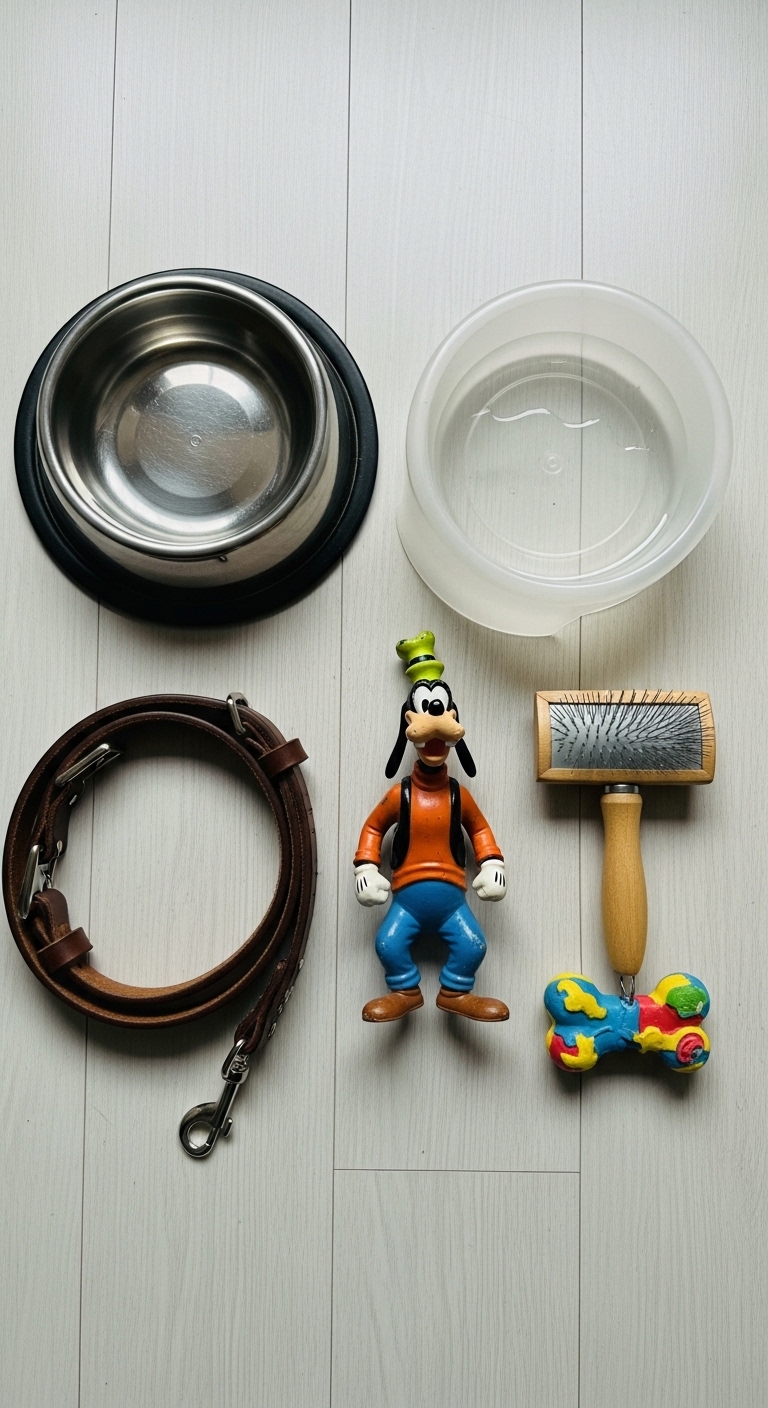
I’ve seen collectors get really worked up over Goofy merchandise labeled as "dog" versus "human-like character." It’s funny how much people care about something that Disney has never made a big deal about. One common mistake is assuming Goofy is a specific breed, like a Great Dane or a Saint Bernard, just because of his size. In reality, his design is more about his role as a comedic foil than any real-world dog breed.
Goofy in the Disney Universe
Goofy’s place in Disney’s world is as important as his species or lack of strict classification. He’s not just a sidekick: he’s a standalone character with his own adventures, from "Goof Troop" to "A Goofy Movie." His relationship with his son, Max, adds another layer to his personality, showing that he’s more than just a goofball. He’s a dad, a friend, and sometimes even the main character. This versatility is part of what makes Goofy so enduring. Kids see him as a fun, relatable figure, while adults appreciate the nostalgia and the way he fits into Disney’s larger storytelling.
The Science Behind Goofy’s Design
If you look closely at Goofy’s anatomy, you’ll notice some interesting choices. His legs are longer than a typical dog’s, allowing for exaggerated, rubbery movements that fit the slapstick comedy style of early animation. His hands are more human-like, with opposable thumbs, which helps him interact with objects in a way that feels natural for a cartoon character. These design choices weren’t random: they were intentional to make Goofy’s physical comedy more effective. Over time, his proportions shifted to make him more expressive, but the core idea remained: Goofy is a cartoon dog designed for maximum humor.
Why Some Fans Disagree
Despite Disney’s official stance, some fans argue that Goofy is more of a humanoid character due to his speech, clothing, and social roles. This debate often comes up in online forums and fan discussions, where people share their interpretations of Goofy’s identity. Some point to his ability to drive cars, operate machinery, and live in a house as evidence that he’s not a "real" dog. Others argue that his species doesn’t matter because he’s a fictional character created for entertainment. This disagreement is part of what makes Goofy so fascinating: he’s open to interpretation, which keeps the conversation going among fans.
Goofy’s identity may never be fully settled in the minds of fans, but that’s part of his charm. Whether you see him as a dog, a human-like character, or something in between, his enduring appeal lies in his humor and heart.
Frequently Asked Questions
- → What makes a dog breed goofy?
Goofy dog breeds often have exaggerated facial features, loose skin, or a playful demeanor that leads to silly behaviors. Their natural exuberance and love for attention contribute to their clownish nature.
- → Are goofy dogs good with kids?
Yes! Goofy dogs are typically very friendly, patient, and playful, making them ideal companions for children. Their lighthearted nature helps create a joyful home environment.
- → How can I encourage my dog’s goofy side?
Engage in interactive play, use positive reinforcement, and provide plenty of mental and physical stimulation. Dogs often show their goofy side when they’re happy and relaxed.
- → Do goofy dogs need special training?
While they may not require strict training, consistent socialization and basic obedience commands help channel their playful energy positively. Positive reinforcement works best for these breeds.
- → What are the best goofy dog breeds for families?
Popular goofy breeds include Bulldogs, Beagles, Dachshunds, and Labrador Retrievers. Their affectionate and playful nature makes them perfect for family life.
- → Why do goofy dogs make great pets?
Their humor and affectionate nature reduce stress, boost mood, and create a lively home atmosphere. They’re also highly adaptable and bond deeply with their owners.