 Pin
Pin
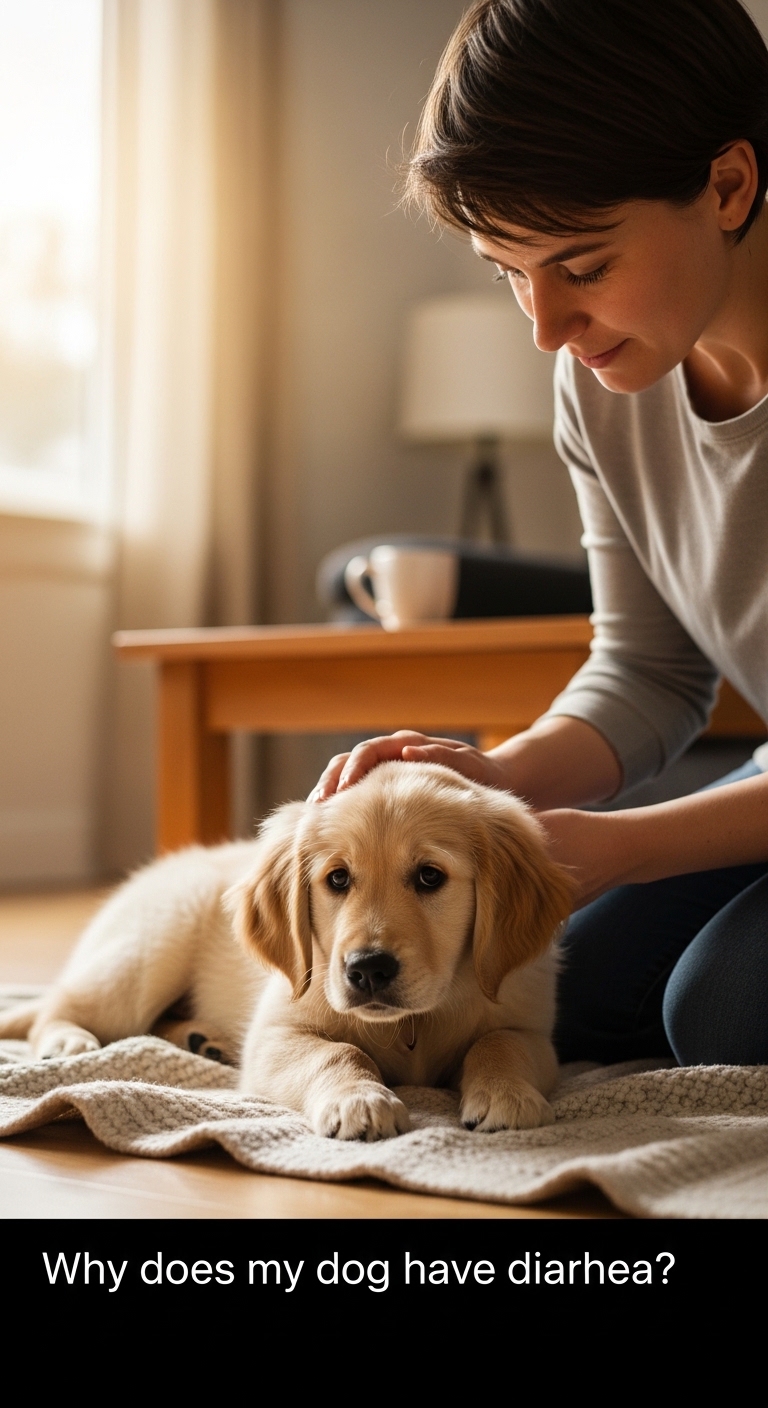
Diarrhea in dogs is more than just a messy inconvenience: it can signal anything from a minor digestive upset to a serious health issue. Understanding why it happens and how to respond can make a big difference in your pet’s comfort and recovery.
Most pet owners panic at the first sign of loose stools, but often the solution is simpler than you think. A little knowledge can save you and your dog a lot of stress.
Key Things to Understand
- Sudden diet changes: can trigger diarrhea as your dog’s stomach struggles to adapt
- Food intolerances or allergies: may cause chronic digestive issues
- Parasites: like worms or giardia are common culprits, especially in younger dogs
- Stress or anxiety: from changes in routine can upset their stomach
- Spoiled food or garbage: can lead to bacterial infections
- Medications or toxins: can cause severe diarrhea
What to Look For
Pay attention to the frequency and consistency of your dog’s stool. Watery diarrhea that lasts more than a day or contains blood is a red flag. If your dog seems lethargic, refuses food, or shows signs of pain, these are signs that something more serious might be going on.
Check for other symptoms like vomiting, fever, or weight loss. These can help you determine whether the issue is mild or requires immediate attention. Also, consider recent changes in their environment, diet, or routine that might have triggered the problem.
Dehydration is one of the biggest risks with prolonged diarrhea. If your dog’s gums are dry or their skin doesn’t snap back when pinched, it’s time to seek help. Many owners wait too long hoping it will pass, but early intervention can prevent serious health issues.
Daily care habits
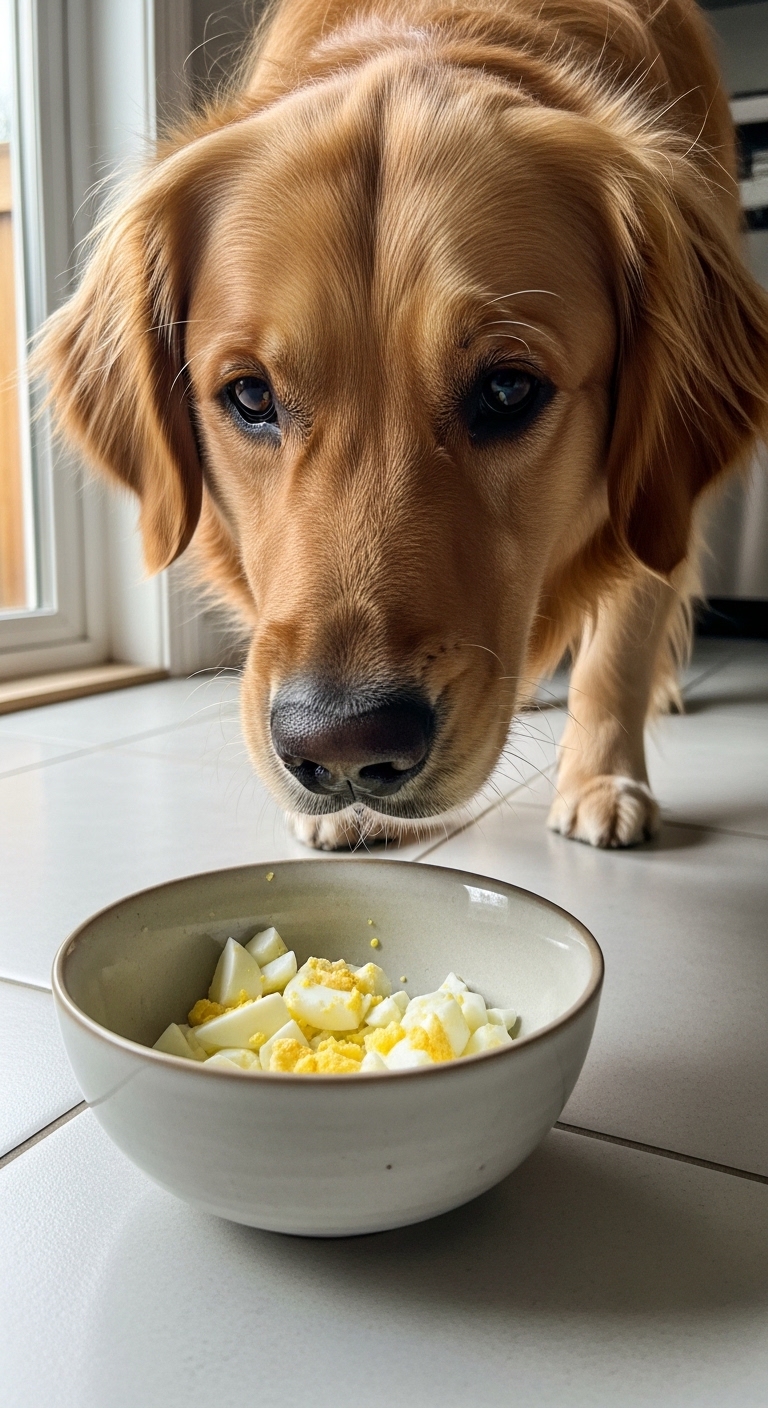
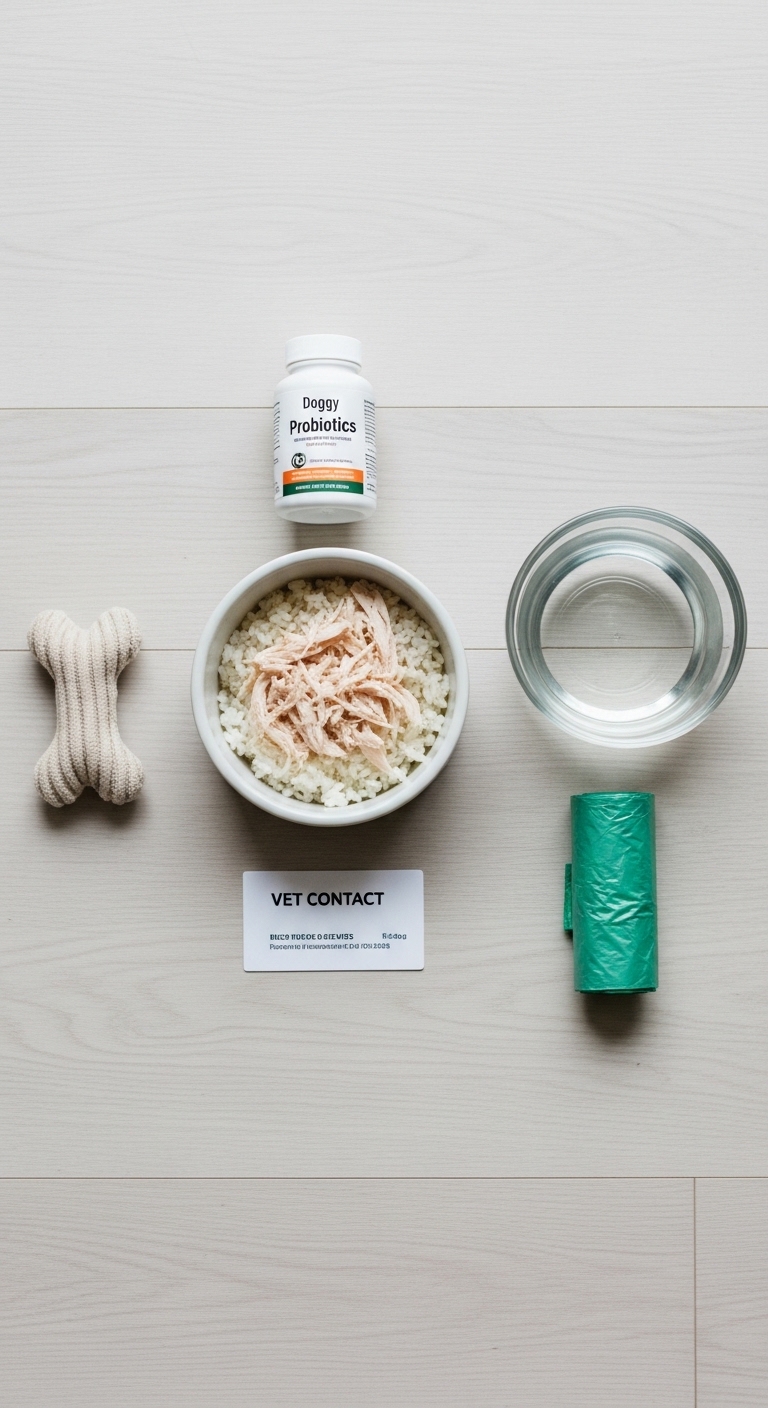
Monitor your dog’s stool regularly to catch issues early. A healthy diet with high quality ingredients can prevent many digestive problems. If your dog is prone to stomach sensitivity, consider a bland diet of boiled chicken and rice during flare ups.
Choosing the right product
If you suspect food allergies, switch to a limited ingredient diet under your vet’s guidance. Probiotics can also help restore gut health, but always choose a formula made specifically for dogs.
Safety and comfort
Keep your dog away from trash, toxic plants, and other potential hazards. If they’ve eaten something questionable, contact your vet immediately. Comfort is key during recovery, so provide a quiet, clean space for rest.
Common mistakes to avoid
Don’t assume diarrhea will resolve on its own if it persists for more than 24 hours. Avoid giving table scraps or fatty foods that can worsen the problem. Never use human medications without consulting a vet first.
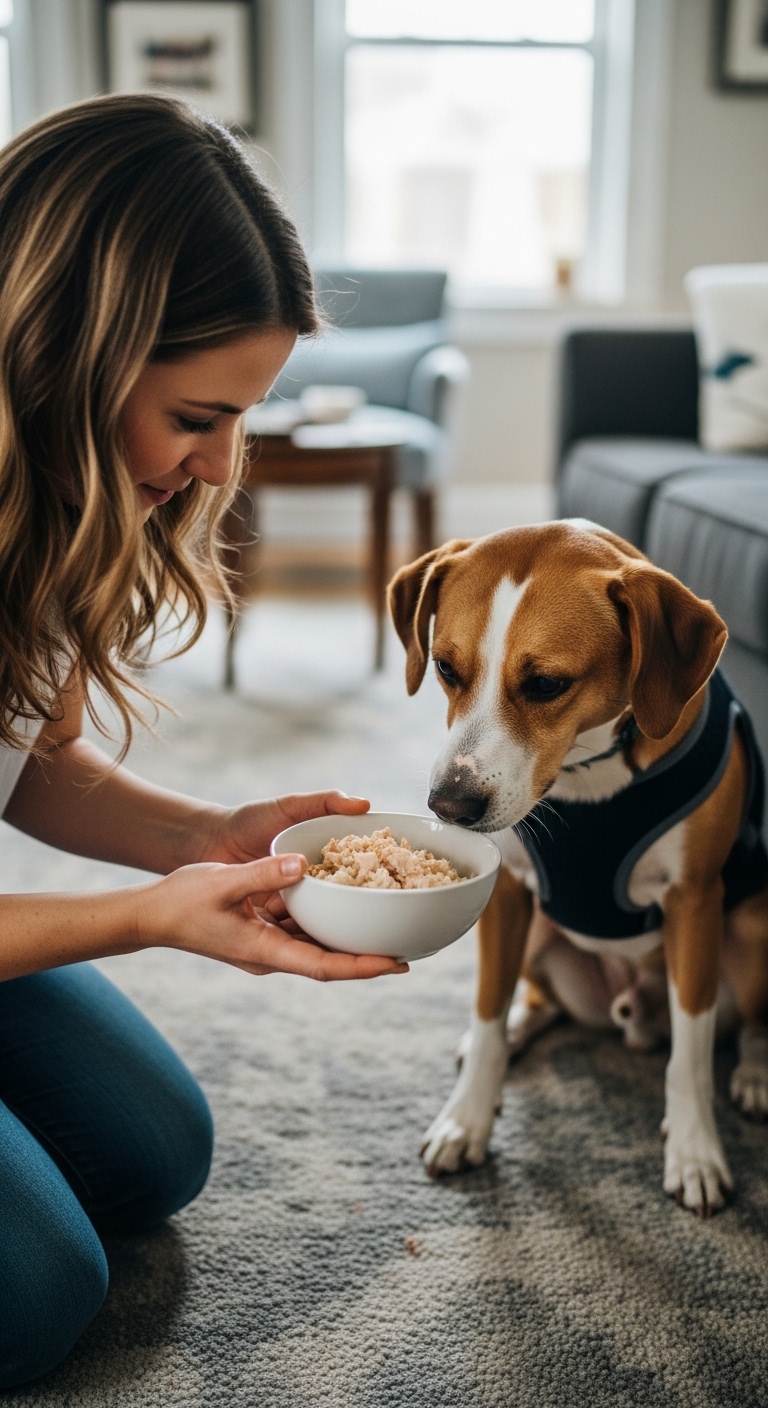
Early action and the right care can help your dog recover faster and stay healthier.
Frequently Asked Questions
- → What causes diarrhea in dogs?
Diarrhea can result from dietary indiscretion, sudden food changes, infections, parasites, or stress. Identifying the cause helps determine the best treatment.
- → When should I take my dog to the vet?
Seek veterinary care if diarrhea lasts over 48 hours, contains blood, or is accompanied by vomiting, lethargy, or dehydration. Puppies and senior dogs need prompt attention.
- → Can I give my dog human medication for diarrhea?
Avoid human medications unless prescribed by a vet. Some can be toxic to dogs. Stick to vet-approved treatments like probiotics or bland diets.
- → How can I prevent future diarrhea episodes?
Transition foods gradually, avoid table scraps, and keep up with deworming. Stress reduction and a consistent diet also help maintain digestive health.
- → Are probiotics safe for dogs with diarrhea?
Yes, vet-approved probiotics can restore gut balance. Choose products specifically formulated for dogs and follow dosage guidelines carefully.
- → What bland foods help soothe a dog’s stomach?
Boiled chicken, rice, or pumpkin puree are gentle options. Introduce small portions and ensure your dog stays hydrated while recovering.