
Why can’t dogs have chocolate? It’s a question every pet owner should take seriously. Chocolate contains theobromine and caffeine, both of which are toxic to dogs and can lead to serious health issues. Even small amounts can cause symptoms like vomiting, diarrhea, rapid breathing, or worse. Knowing this helps you keep your furry friend safe from accidental poisoning.
Sometimes I still catch myself leaving a chocolate bar on the coffee table, but now I know better. A quick reminder about the dangers keeps my dog’s safety top of mind every day.
Key Things to Understand
- Chocolate contains theobromine and caffeine: which dogs can’t metabolize properly
- Dark chocolate and baking chocolate are far more toxic: than milk chocolate because they have higher theobromine levels
- Even white chocolate can be risky: due to its fat and sugar content, though it has less theobromine
- The size of your dog matters: small dogs are more vulnerable to smaller amounts of chocolate
- Symptoms of poisoning may not appear right away: they can take 6 to 12 hours to show up
What to Look For
Watch for signs like restlessness, excessive thirst, or unusual hyperactivity after your dog has been near chocolate. These could be early warnings that the theobromine is starting to affect their system. Pay attention to their breathing too: if it becomes rapid or labored, it’s a red flag that something’s wrong. You might also notice vomiting or diarrhea, which often appear as the body tries to rid itself of the toxins. Keep an eye on their gums as well: pale or bluish gums can indicate poor circulation or oxygen issues. If your dog seems unusually tired or weak after being near chocolate, don’t wait for other symptoms to appear: get them to a vet as soon as possible.

I once had a close call when my dog sniffed out a forgotten chocolate kiss in the couch cushions. It was a wake-up call to double-check every hiding spot. Always assume your dog will find what you think is hidden. A little extra caution goes a long way in keeping them safe.
Why chocolate is especially risky for certain breeds
Some breeds like Labrador Retrievers and Beagles are notorious for their food obsession, which makes them more likely to sneak chocolate when you’re not looking. Their strong sense of smell and eager-to-please nature can override training, so extra precautions are necessary. If you have one of these breeds, consider using childproof locks on cabinets and keeping chocolate treats in a separate room entirely.
How to handle chocolate cravings safely for your dog
If your dog seems drawn to chocolate, redirect their attention with a dog-safe treat like peanut butter or carob chips. These alternatives can satisfy their curiosity without the risk. Just make sure the peanut butter doesn’t contain xylitol, which is another dangerous ingredient for dogs. Training treats designed for dogs can also help reinforce good behavior without exposing them to harmful substances.
What to do if your dog eats chocolate
First, stay calm and assess the situation. Check how much chocolate was consumed and what type it was. Then, call your vet or a pet poison hotline immediately for guidance. They’ll likely ask for your dog’s weight and the type of chocolate to determine the risk level. Follow their instructions carefully, whether it’s inducing vomiting at home or heading straight to the clinic. Time is critical, so don’t wait to see if symptoms develop.
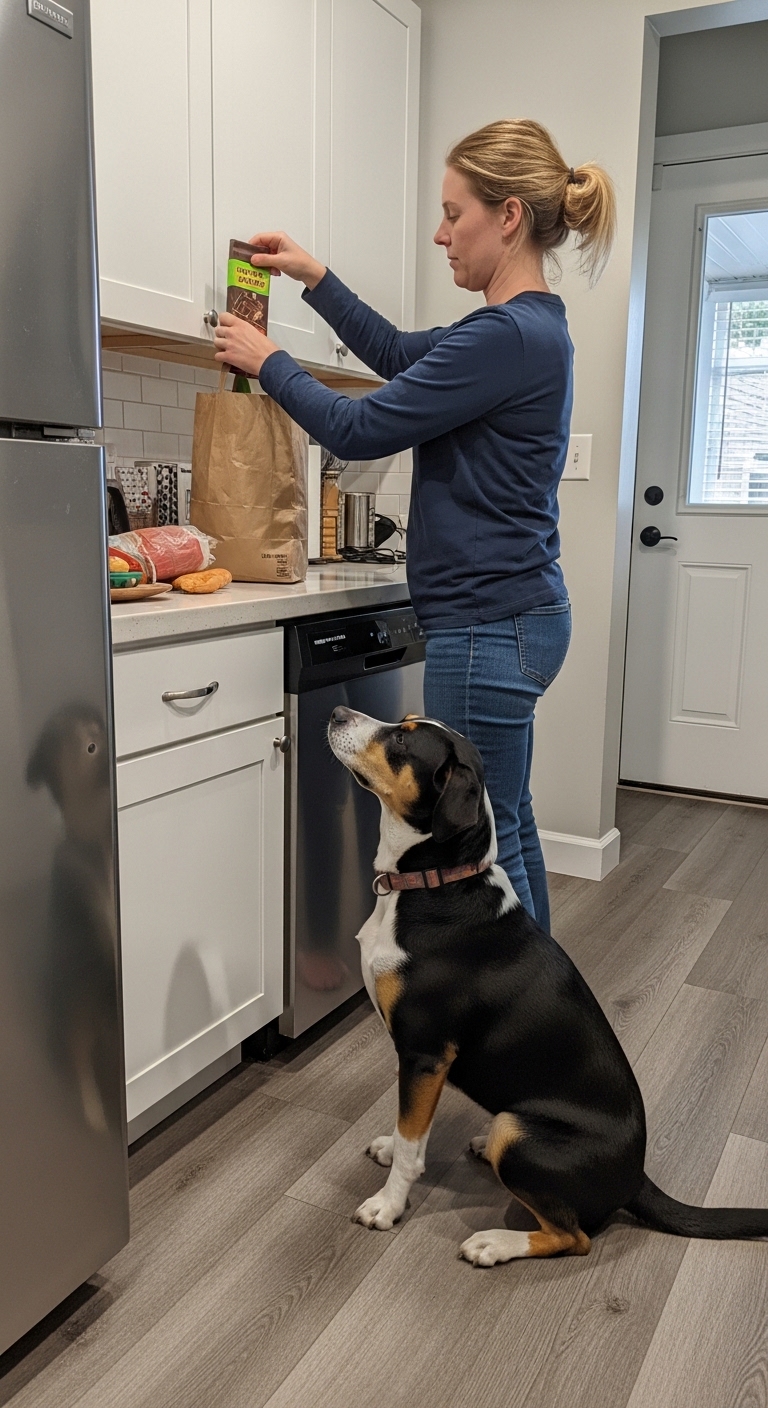
Prevention is the best way to keep your dog safe from chocolate poisoning.
Frequently Asked Questions
- → How much chocolate is toxic to dogs?
Toxicity depends on the type and amount consumed. As little as 20mg of theobromine per kg of body weight can cause symptoms, while 40-50mg/kg may be fatal. A 10kg dog could be at risk from just 50g of milk chocolate.
- → What are the signs of chocolate poisoning in dogs?
Early symptoms include vomiting, diarrhea, excessive thirst, and restlessness. Severe cases may show tremors, seizures, or rapid heart rate. Symptoms typically appear within 6-12 hours of ingestion.
- → Is white chocolate safe for dogs?
White chocolate contains minimal theobromine but is high in fat and sugar, which can cause digestive upset or pancreatitis. It's not recommended as a safe treat.
- → What should I do if my dog eats chocolate?
Remove access to any remaining chocolate, check the amount consumed, and contact your vet or a pet poison hotline immediately. Do not induce vomiting without professional advice.
- → Are there safe chocolate alternatives for dogs?
Yes, carob is a popular dog-safe substitute that mimics chocolate's taste. Look for dog treats labeled as chocolate-free or made with carob or peanut butter instead.
- → Can cats eat chocolate?
No, chocolate is toxic to cats as well due to theobromine. Cats are more sensitive to the effects, so even small amounts can be dangerous. Keep chocolate away from all pets.