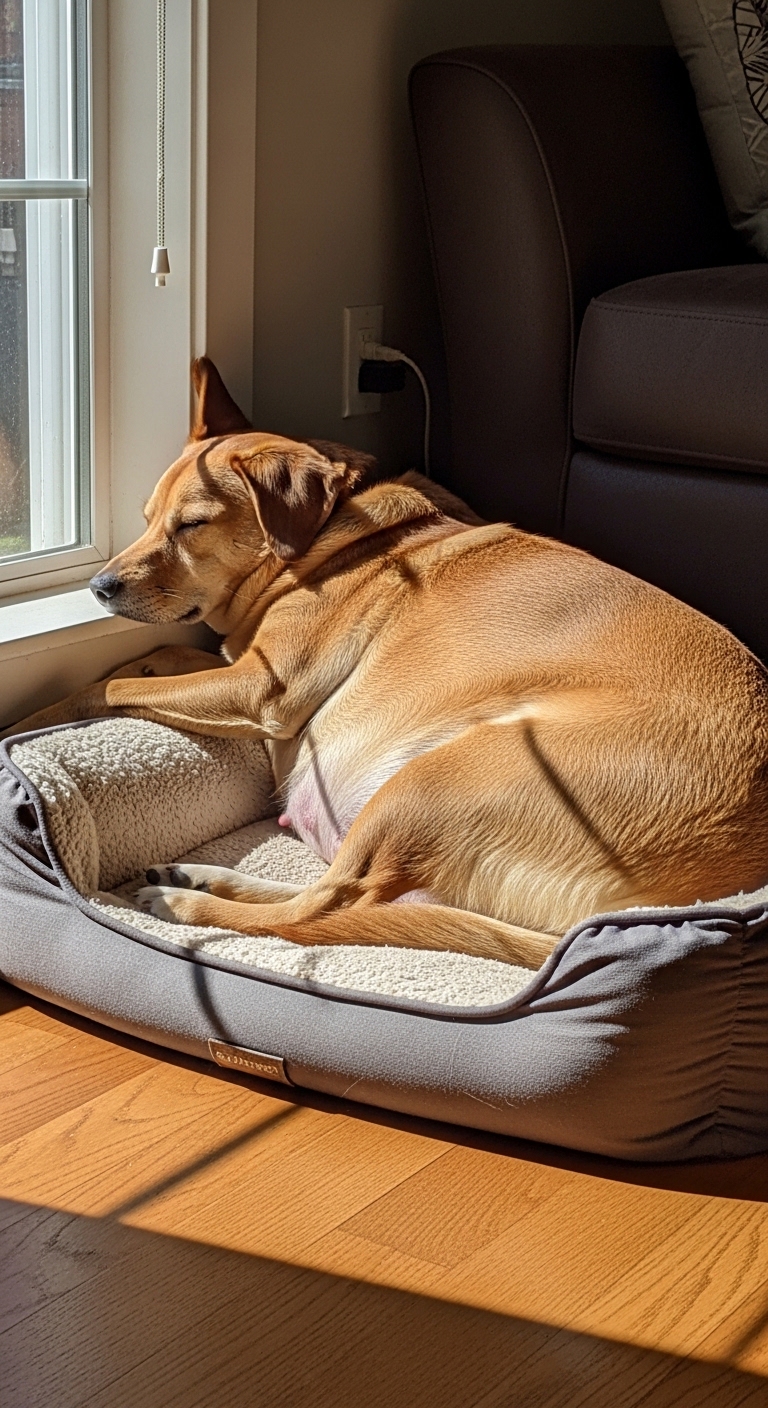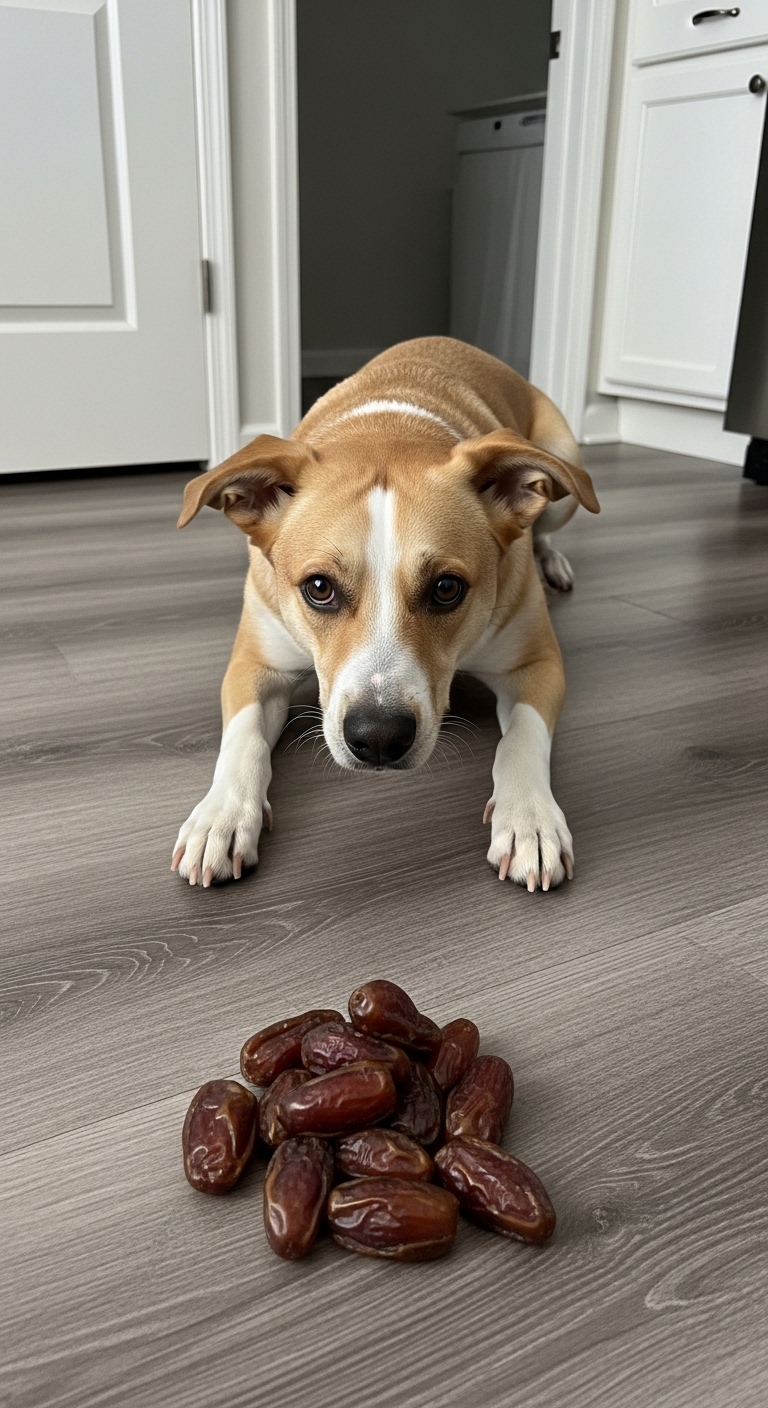
What do dogs dream about? It’s a question that pops into the mind of every pet owner who’s ever watched their pup twitch, whimper, or even paddle their paws while fast asleep. Dogs spend about half their lives in various stages of sleep, just like humans, and their dreams are more than just random brain activity: they’re tied to their daily experiences, instincts, and even their emotions. Understanding what fills their dreams can give us a deeper look into their inner world, helping us care for them better and recognize when something might be off in their routine or health.
I’ve noticed that dogs who seem restless at night often have more vivid dreams, almost like they’re reliving their day. It makes me wonder if their sleep quality affects their mood the next morning just like it does for us.
Key Things to Understand
- REM sleep: Dogs experience REM sleep just like humans, which is when most dreaming occurs. During this phase, their brain activity looks similar to ours, suggesting they’re processing memories and emotions.
- Breed differences: Smaller breeds tend to dream more frequently but for shorter durations, while larger dogs might have fewer but longer dreams.
- Age factors: Puppies and senior dogs often have more intense dreams because their brains are either developing rapidly or dealing with age-related changes.
- Signs of concern: Pay attention if your dog seems unusually agitated during sleep: it could signal pain, anxiety, or even a medical issue.
What to Look For
When your dog is asleep, watch for subtle signs that reveal what they might be dreaming about. Twitching paws, ears, or whiskers often mean they’re chasing something in their dream, whether it’s a ball, a squirrel, or even another dog. Soft whimpers or growls could indicate they’re reacting to a pleasant or stressful memory. If their breathing becomes irregular or they suddenly jerk awake, it might mean they’re startled by a dream, similar to how humans sometimes wake up startled from a nightmare. Keep an eye on how often these episodes happen: occasional dreaming is normal, but frequent or intense reactions could warrant a closer look at their overall well-being.
Daily Care Habits
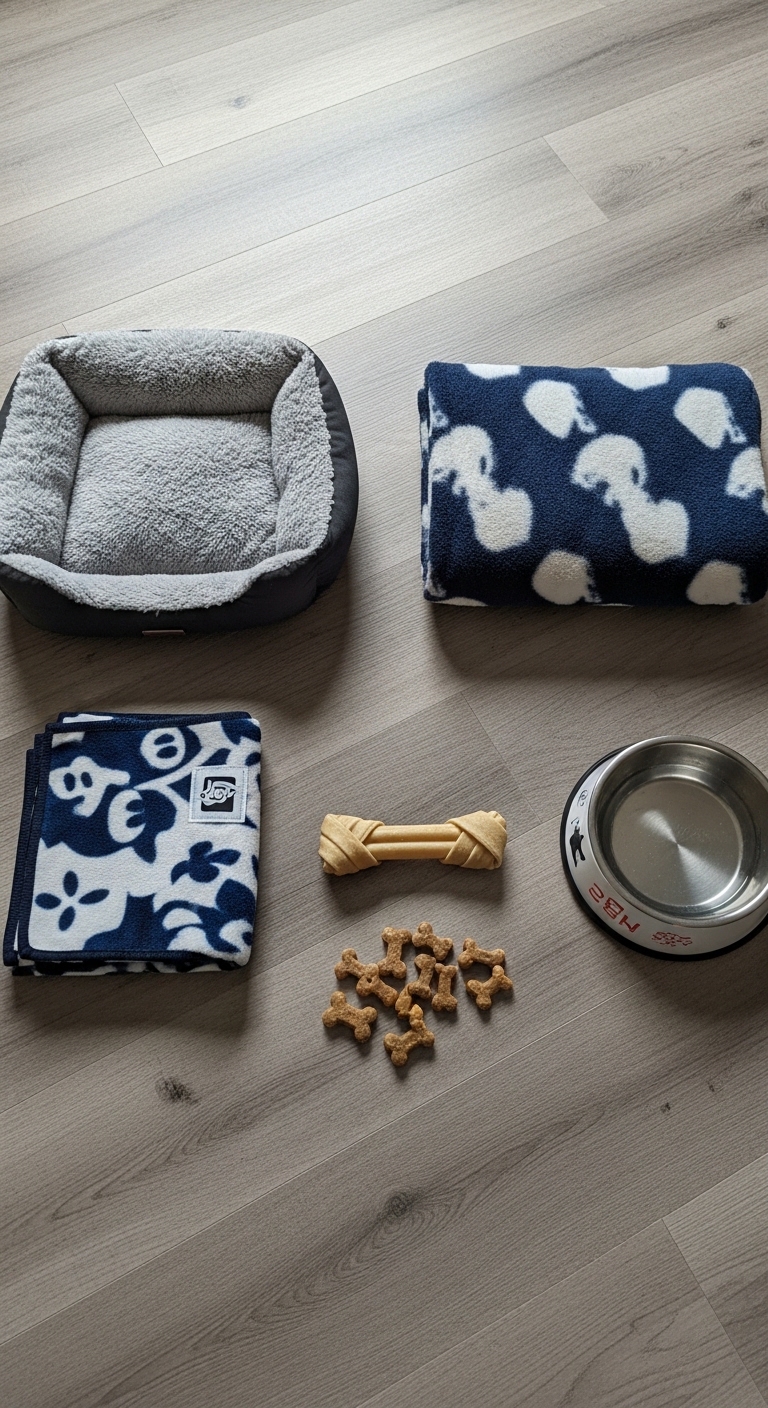
Creating a consistent bedtime routine can help your dog sleep more soundly, which in turn may lead to more restful dreams. Try to walk them before bed to tire them out, and keep their sleeping area quiet and comfortable. Avoid feeding them right before bedtime, as digestion can disrupt their sleep. If your dog seems stressed, consider adding a calming supplement or a cozy blanket to their sleeping space: it might make a noticeable difference in how they dream.
Seasonal Adjustments
During colder months, dogs might dream more about staying warm or snuggling close to their favorite humans. In the summer, their dreams could involve cooling off in water or chasing cool breezes. Adjusting their bedding or indoor temperature can help them sleep better, which in turn may lead to more pleasant dreams. If you notice your dog dreaming more in certain seasons, it’s likely just their brain processing seasonal changes in their environment.
Behavior and Routine Support
If your dog’s dreams seem to reflect anxiety or stress, it might be worth examining their daily routine. Are they getting enough exercise? Are they bored or lonely? Sometimes, adding more interactive playtime or mental stimulation during the day can reduce restless sleep at night. You might also try recording their sleep patterns for a few nights to see if there’s a pattern, like dreaming more after a particularly exciting day.
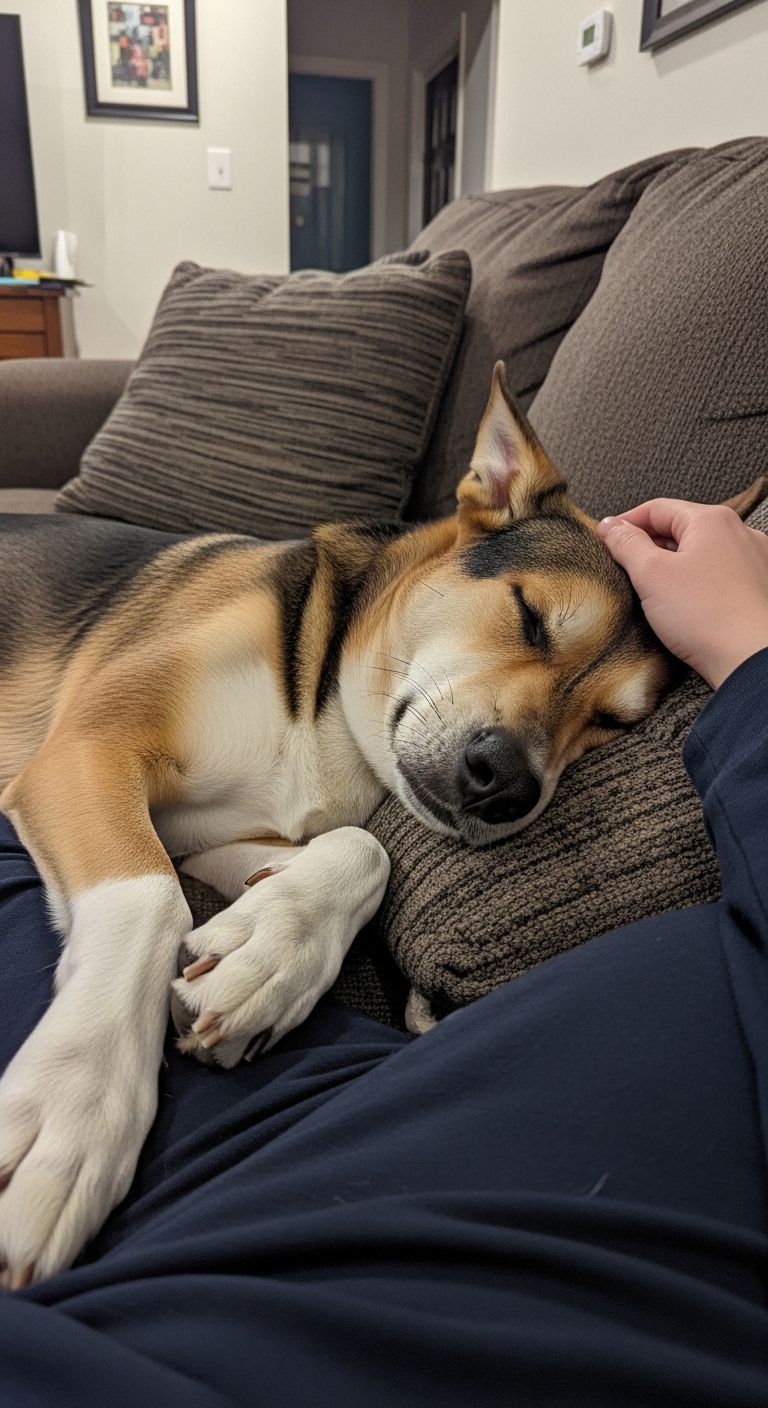
Dogs may not be able to tell us about their dreams, but their behavior while asleep gives us clues into their inner world. By paying attention to their sleep patterns and adjusting their care accordingly, you can help ensure they have sweet dreams and wake up happy and refreshed.
Frequently Asked Questions
- → Do dogs dream like humans?
Yes, dogs experience REM sleep, where dreaming occurs. Their brain activity during this phase is similar to humans, suggesting they dream about their daily experiences.
- → Why does my dog twitch or bark in their sleep?
Twitching or barking during sleep is normal and often linked to dreaming. It may reflect activities your dog enjoys, like running or playing.
- → What do dogs typically dream about?
Dogs often dream about activities they engage in while awake, such as chasing, playing, or interacting with their owners or other pets.
- → Is it safe to wake a dog from a dream?
It’s best to let your dog wake up naturally. Sudden waking can startle them, especially if they’re in the middle of an intense dream.
- → How much do dogs sleep and dream?
Dogs sleep 12-14 hours a day, with puppies and older dogs sleeping even more. They spend about 10-12% of their sleep in REM, where dreaming occurs.
- → Can dogs have nightmares?
While rare, dogs can experience nightmares, especially if they’ve had a stressful day or traumatic experience. Signs include whimpering or sudden waking in distress.