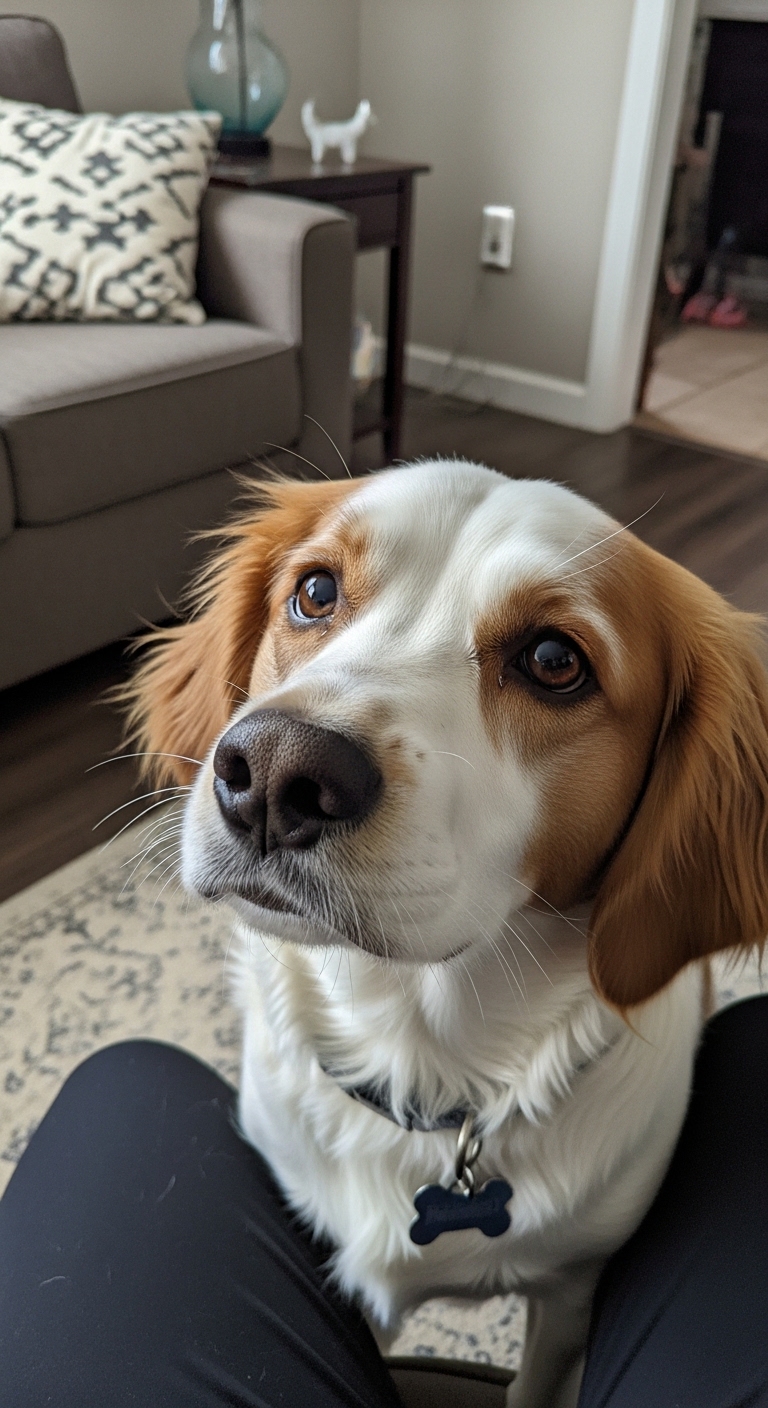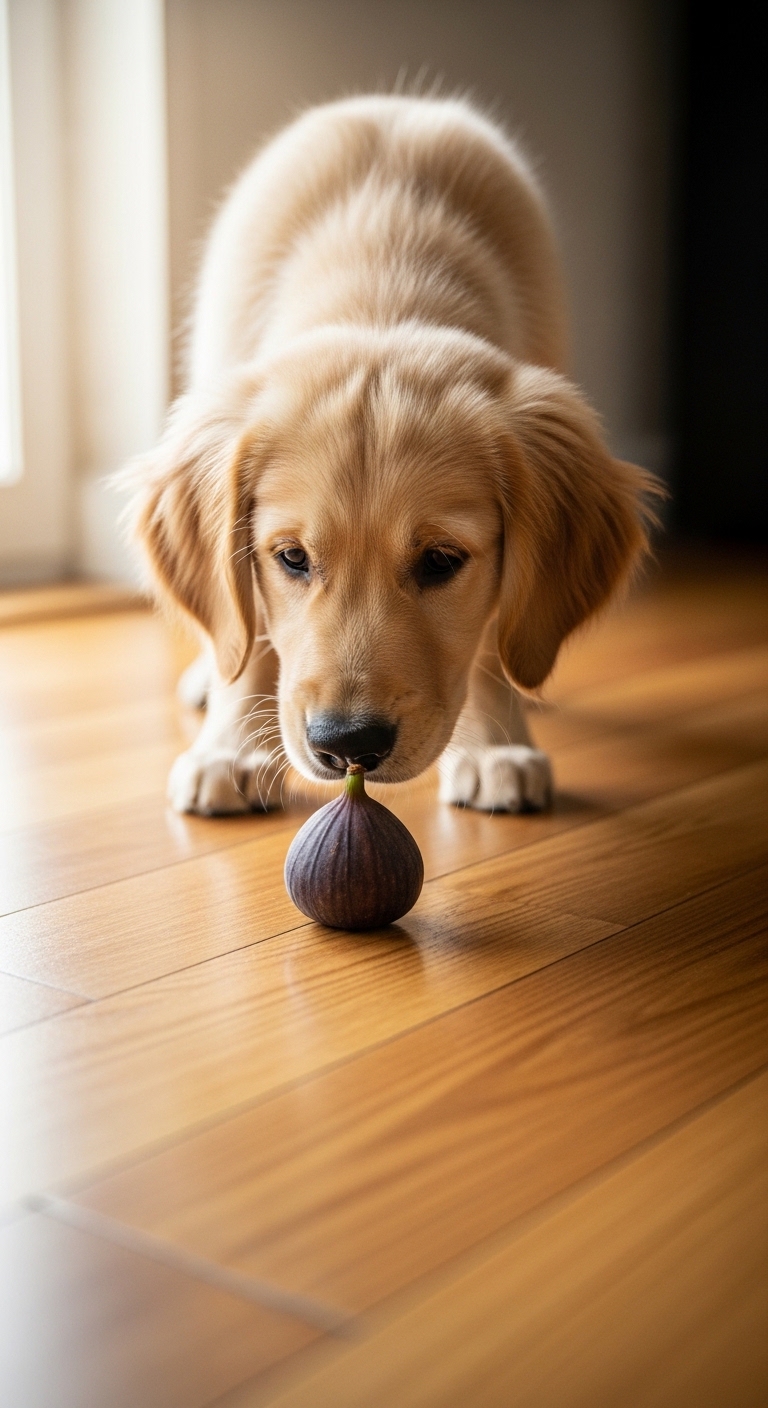
A good day to be a dog isn’t just about treats and belly rubs: it’s about making sure your pup’s routine, environment, and health are all dialed in so they can thrive. Whether you’re a first-time owner or a seasoned pro, small tweaks in how you care for your dog can add up to big improvements in their happiness and energy levels. Even the little things, like the way they greet you at the door or how they settle into their favorite spot, can tell you a lot about what they need.
I still remember the first time my rescue dog, a scruffy terrier mix, finally relaxed on the couch after weeks of pacing. It wasn’t about buying him the fanciest bed: it was about giving him space to unwind on his own terms. That small shift made all the difference.
Key Things to Understand
- Consistency in routine: A good day for a dog starts with consistency in their routine, especially around feeding, walks, and sleep.
- Mental stimulation: Mental stimulation is just as important as physical exercise: puzzles, training, and sniffing games keep their mind sharp.
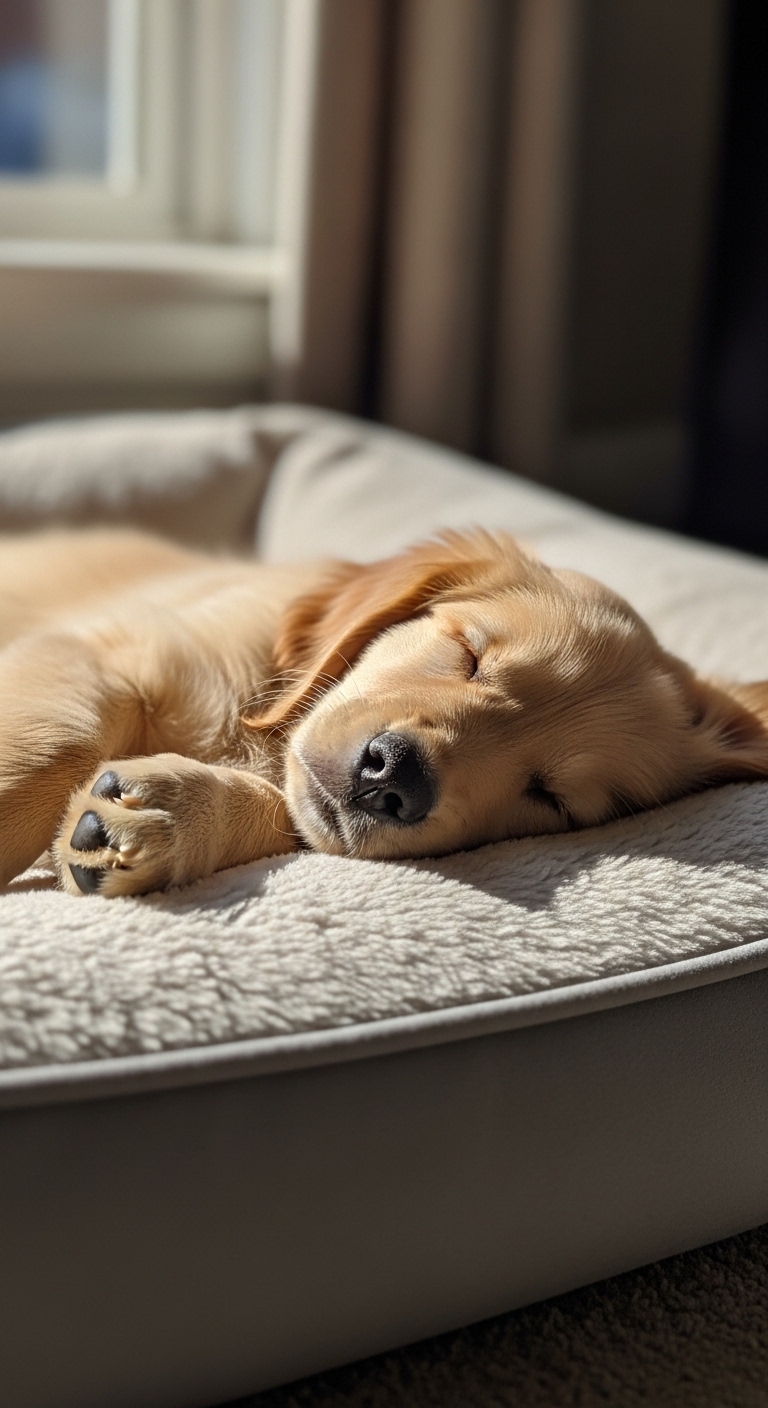
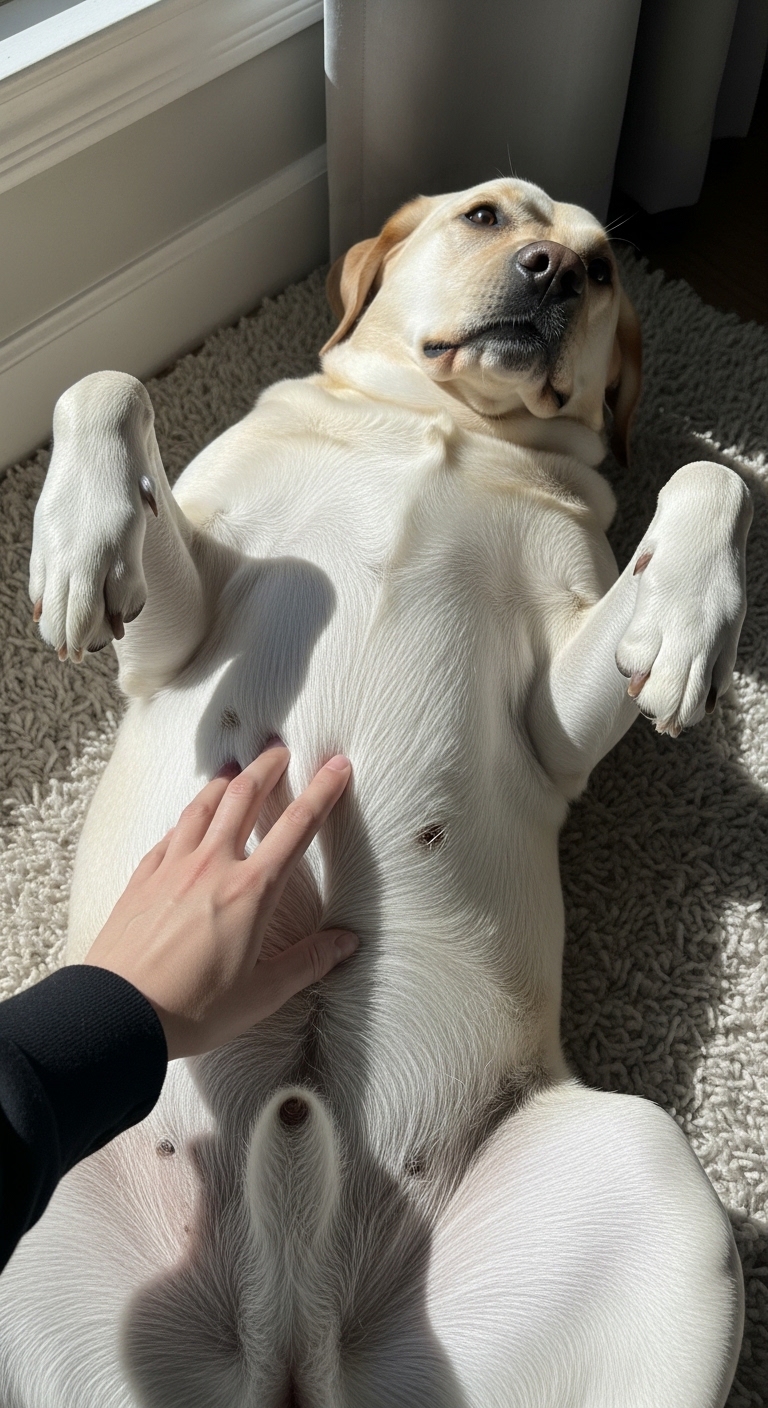
- Comfort preferences: Comfort isn’t one-size-fits-all; some dogs love cozy dens while others prefer open spaces to sprawl.
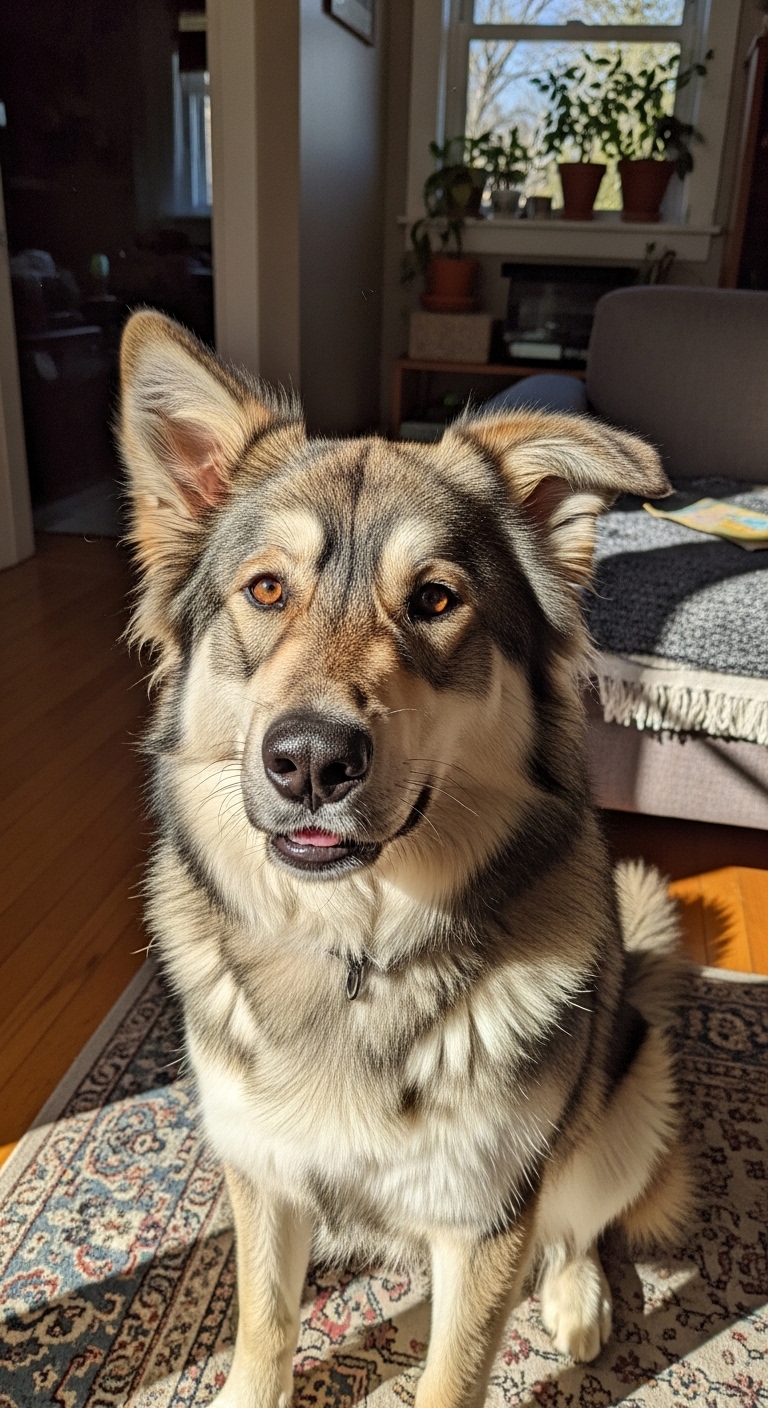
- Body language cues: Pay attention to their body language: tail wags, ear positions, and sighs can tell you if they’re content or stressed.
- Environmental adjustments: Small changes in their environment, like rearranging furniture or adding a new toy, can make a big difference in their mood.
What to Look For
Watch how your dog moves around the house. Do they gravitate toward certain spots, like a sunny patch on the floor or a quiet corner near a window? These preferences aren’t random: they’re clues about where they feel safest. If they suddenly avoid a place they used to love, it could signal discomfort or even pain, especially in older dogs.
Notice their energy levels at different times of day. A dog who’s lethargic in the morning but hyperactive at night might be struggling with sleep or anxiety. Similarly, if they’re unusually clingy or distant, it could point to stress or an underlying health issue. Trust your gut; if something feels off, it’s worth paying closer attention.
Another thing to observe is how they interact with their toys. A dog who ignores their favorite squeaky toy for days might be bored with it, or worse, they could be feeling under the weather. Rotating toys every few weeks keeps them fresh and exciting, but if they’re still not interested, it might be time to introduce something new.
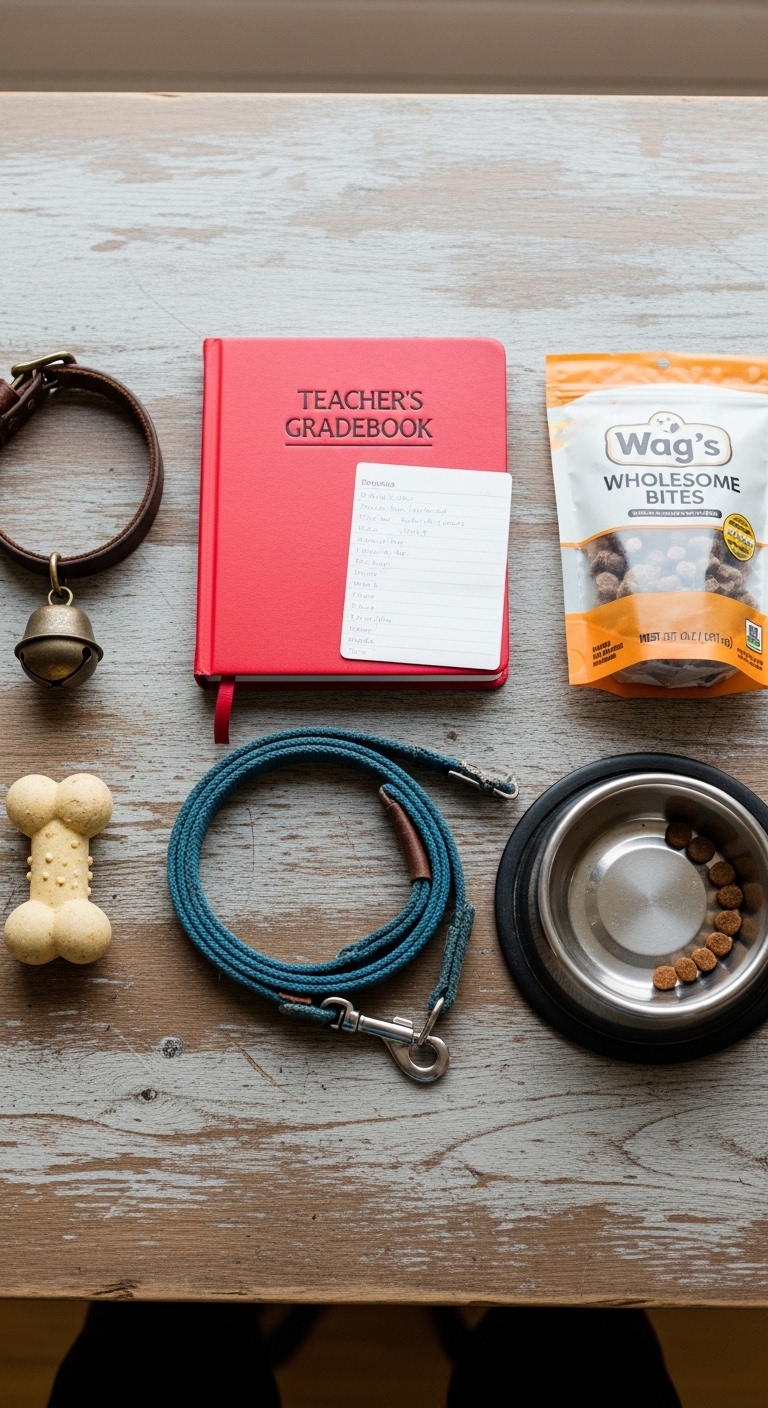
I once thought my dog’s constant barking at the mailman was just his personality, but it turned out he was actually bored and understimulated. Adding a short training session before his afternoon walk made a huge difference in his behavior. It’s easy to overlook the small stuff, but those little adjustments can change everything.
Daily Care Habits
Start the day with a short walk or play session to help your dog burn off any overnight energy. Even 10 minutes of activity can set a positive tone for the rest of the day. If your schedule is tight, try breaking it into two shorter sessions: morning and evening to keep their routine consistent.
Grooming isn’t just about keeping them looking good: it’s a chance to check for lumps, bumps, or irritated skin. Brush them regularly, even if they don’t shed much, to prevent mats and distribute natural oils. Pay extra attention to their paws, ears, and teeth: these areas are prone to issues if neglected.
Feeding time is another opportunity to reinforce good habits. Use a slow feeder if your dog gulps their food too fast, or try hand-feeding a few kibbles to slow them down. If you’re switching foods, do it gradually over a week to avoid stomach upset. And always have fresh water available, especially after exercise.
Indoor Routines
Create a designated “safe space” where your dog can retreat when they need quiet time. This could be a crate, a cozy corner with a blanket, or even a quiet room with their bed. Let them choose when to use it: don’t force them inside. Over time, they’ll associate it with comfort and security.
If your dog follows you everywhere, it’s not just clinginess: it could be anxiety or boredom. Instead of reinforcing the behavior by constantly petting or talking to them, try redirecting their attention with a puzzle toy or a chew. This teaches them that independence is okay too.
Another indoor trick is to rotate their toys every few weeks. Dogs get bored with the same old things, so hiding some and bringing them back later keeps them fresh. You don’t need a ton of toys: just a few that they genuinely love and that serve different purposes, like one for tugging, one for chewing, and one for sniffing.
Outdoor Routines
Always let your dog sniff during walks: it’s like reading the newspaper for them. Sniffing is mentally exhausting in a good way, and dogs who get to explore tend to be calmer afterward. If you’re in a hurry, pick a route with more turns or interesting smells to keep them engaged.
Watch the pavement temperature in summer. If it’s too hot for your bare feet, it’s too hot for their paws. Stick to grassy areas or walk early in the morning or late in the evening. In winter, salt and ice melt can irritate their paws, so consider booties or a quick wipe-down after walks.
If your dog pulls on the leash, don’t yank back: it can hurt their neck and make the behavior worse. Instead, stop walking and wait for them to relax the tension. Reward them with praise or a treat when they loosen the leash. Consistency is key; it might take a few weeks, but they’ll learn that loose leash = forward movement.
Seasonal Adjustments
In summer, freeze wet treats like yogurt or broth in an ice cube tray for a cool snack. Avoid midday walks when the sun is strongest, and always have water on hand. If your dog loves water, set up a kiddie pool in the shade for them to splash around in.
Winter brings its own challenges, like dry skin and cracked paws. Add a bit of coconut oil to their food or apply a dog-safe balm to their paws after walks. Keep their bed away from drafts, and consider a heated pad if they’re older or have joint issues. Shorten walks if it’s too cold, but make up for it with indoor play.
During spring and fall, watch for seasonal allergies. Sneezing, itching, or red eyes could mean they’re reacting to pollen or mold. Wipe their paws and belly after outdoor time to remove allergens, and talk to your vet about safe antihistamines if needed. Grooming more frequently can also help by removing pollen from their fur.
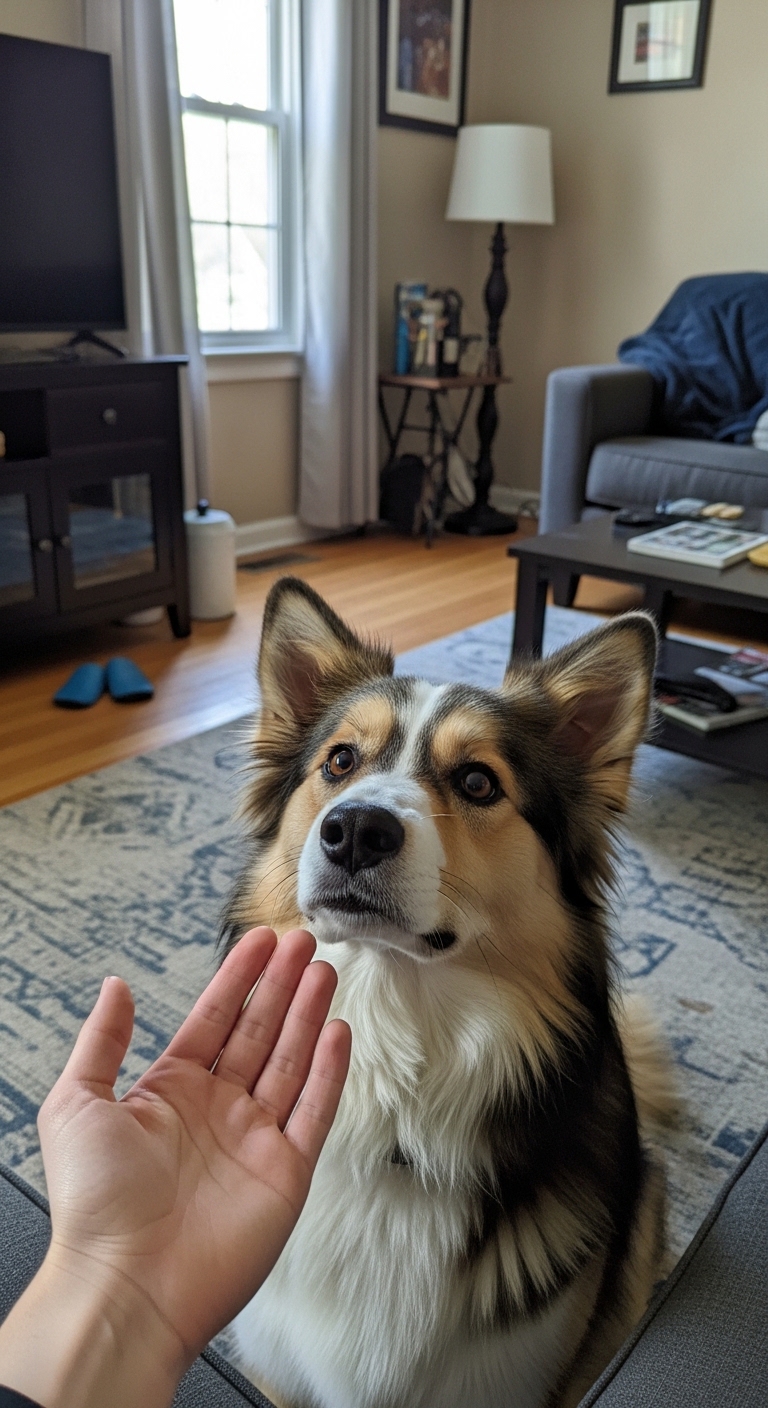
A good day to be a dog isn’t about grand gestures: it’s about noticing the little things and making small, consistent choices that add up to a happier life. Whether it’s swapping out a toy, adjusting your walk route, or just giving them extra time to sniff, these tiny changes can make their world feel a little brighter.
Frequently Asked Questions
- → What are some simple ways to make my dog’s day better?
Start with a special breakfast treat, like a homemade pupcake or their favorite kibble mixed with a spoonful of plain yogurt. Follow up with a fun play session or a new toy to keep them engaged. Even a short car ride to a pet-friendly store can brighten their mood.
- → How can I keep my dog entertained indoors?
Try interactive toys like Kongs stuffed with peanut butter, snuffle mats for nose work, or hide-and-seek with treats around the house. Puzzle feeders are great for mental stimulation, and a cozy blanket fort can turn any room into a play zone.
- → What treats are safe and healthy for dogs?
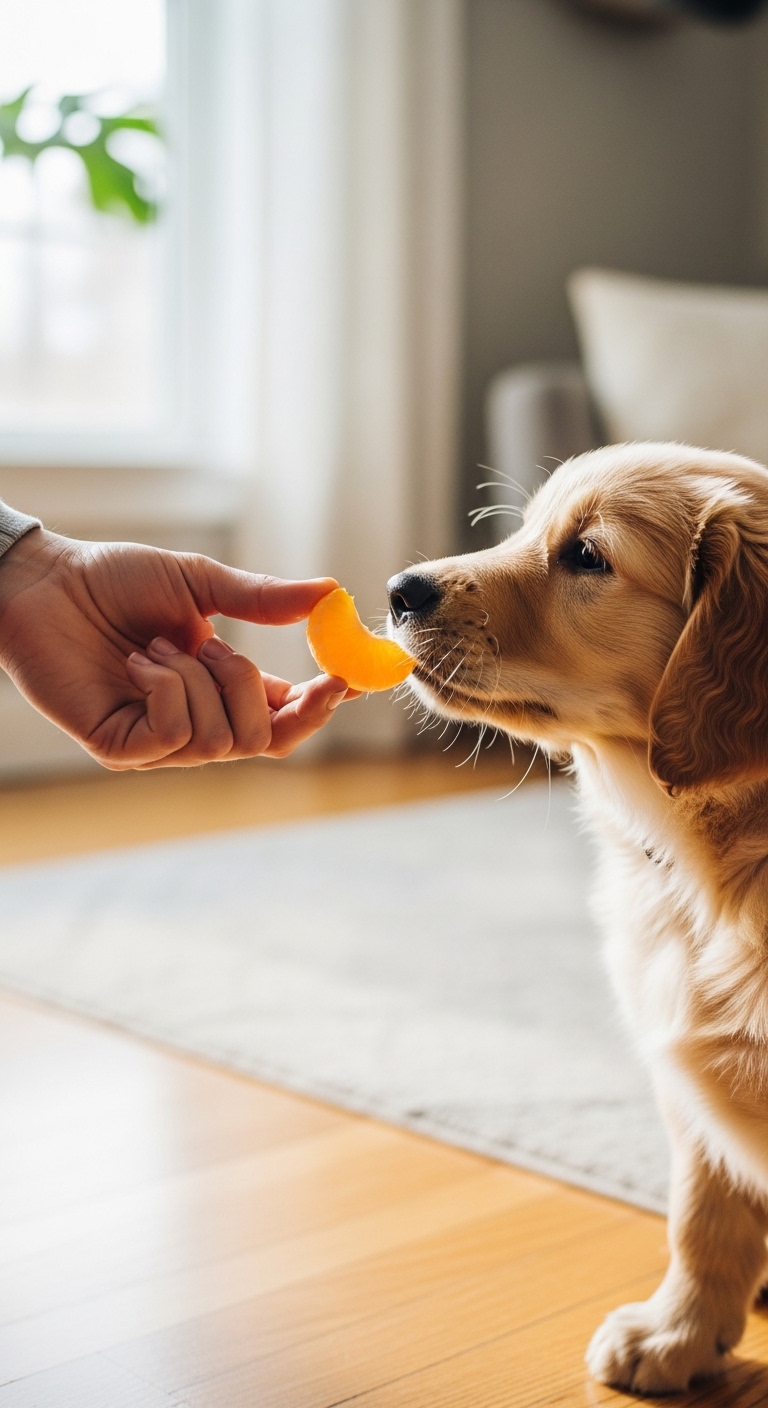
Stick to dog-safe options like carrots, apple slices (no seeds), plain cooked chicken, or commercial treats made with natural ingredients. Avoid chocolate, grapes, onions, and anything with xylitol, as these are toxic to dogs.
- → How much exercise does my dog need daily?
Most dogs thrive with at least 30 minutes to 2 hours of activity, depending on their breed, age, and energy level. Short walks, play sessions, and mental games can all contribute to their daily exercise needs. Always adjust based on your dog’s health and stamina.
- → Can I take my dog to pet-friendly places?
Yes! Many cafes, stores, and parks welcome dogs. Always check policies first and ensure your dog is well-behaved and leashed. Bring water and a portable bowl, and avoid crowded or stressful environments if your dog is anxious.
- → How do I know if my dog is happy?
Signs of a happy dog include a wagging tail, relaxed ears, playful behavior, and a willingness to cuddle. They may also bring you their favorite toy or follow you around the house. Pay attention to their body language and energy levels to gauge their mood.