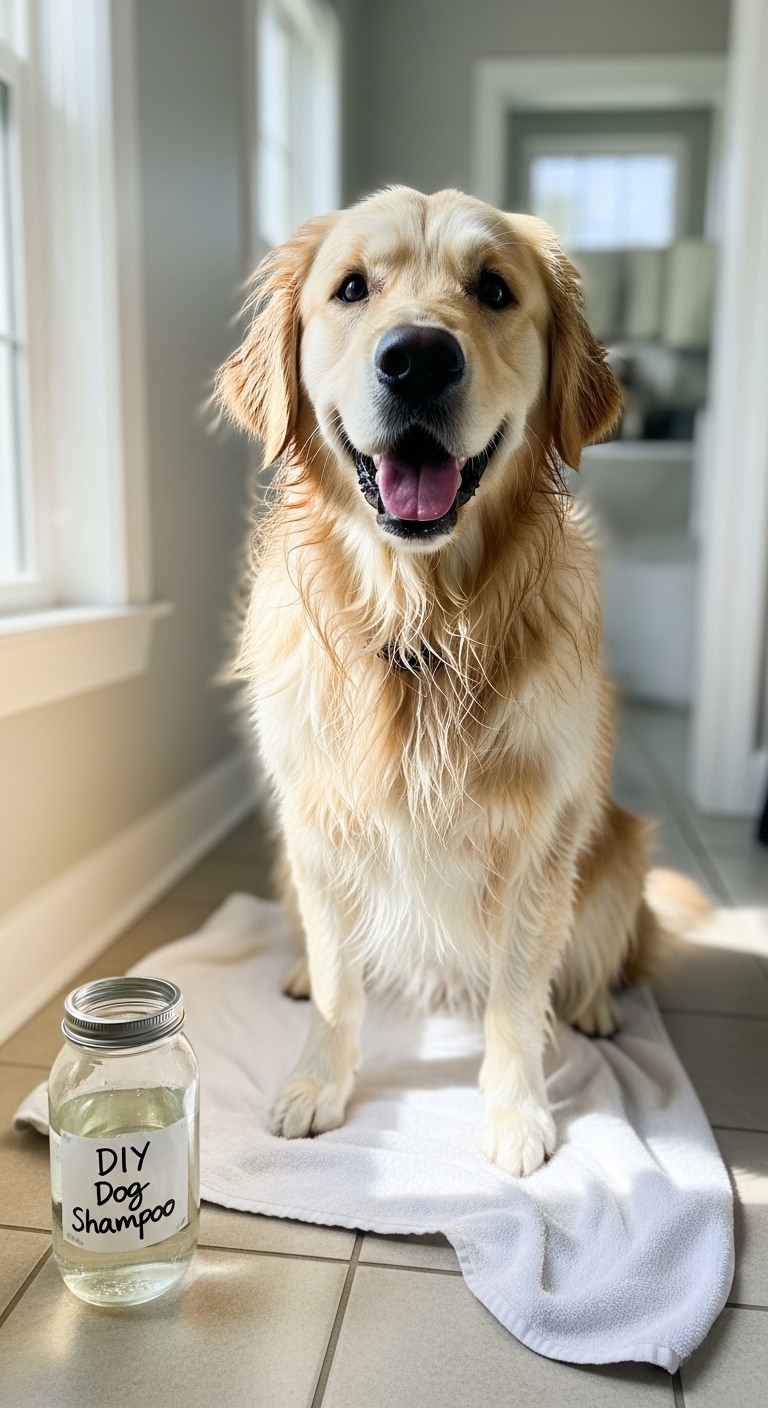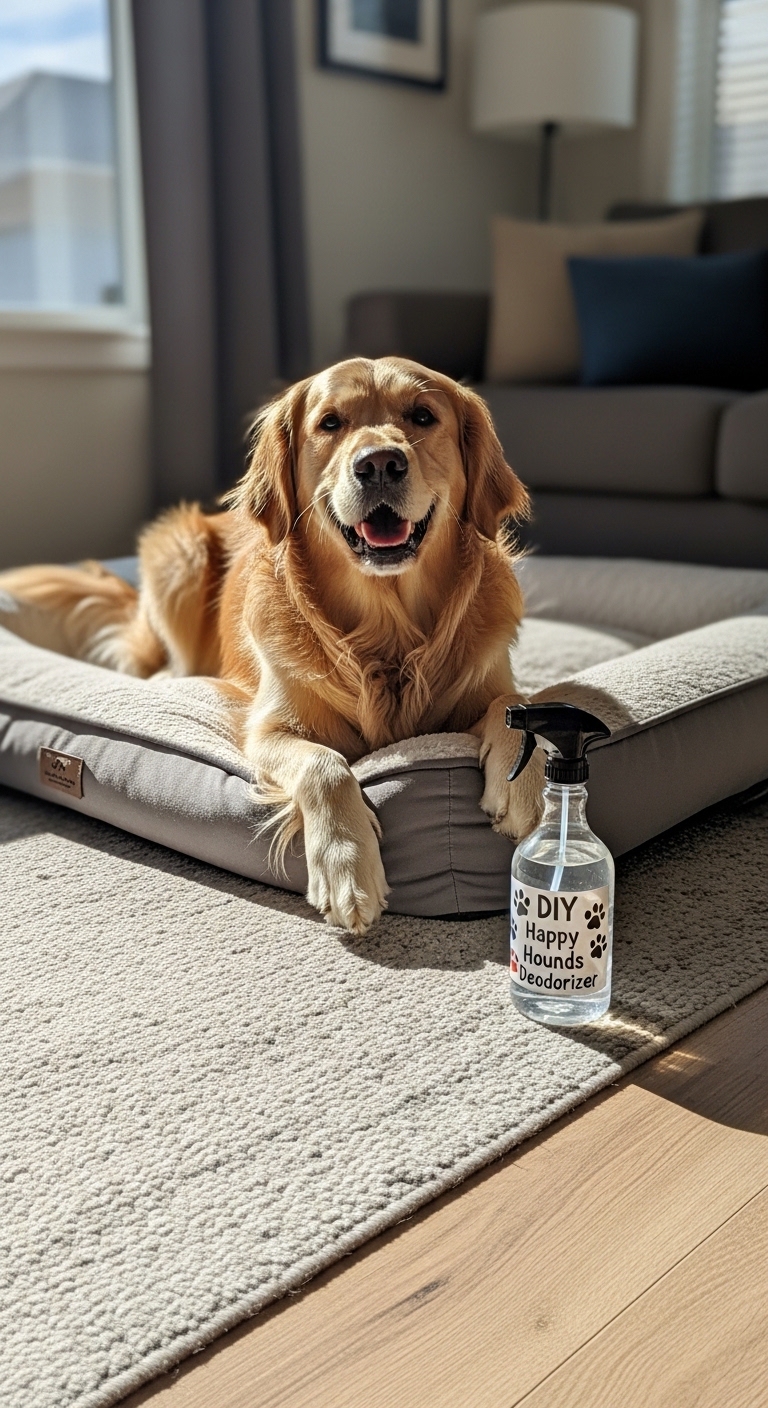
Natural dog shampoo DIY is something every pet owner should try at least once. Store-bought shampoos often contain harsh chemicals that can irritate your dog’s skin, strip natural oils, or leave residue that causes itching. Making your own shampoo lets you control exactly what goes on your dog’s coat and skin, ensuring a gentle yet effective clean. It’s also budget-friendly, customizable for your dog’s specific needs, and free from unnecessary additives.
I still remember the first time I switched my golden retriever to a homemade shampoo: his coat went from dull and flaky to soft and shiny within two weeks. The difference was noticeable, and I never looked back.
Key Things to Understand
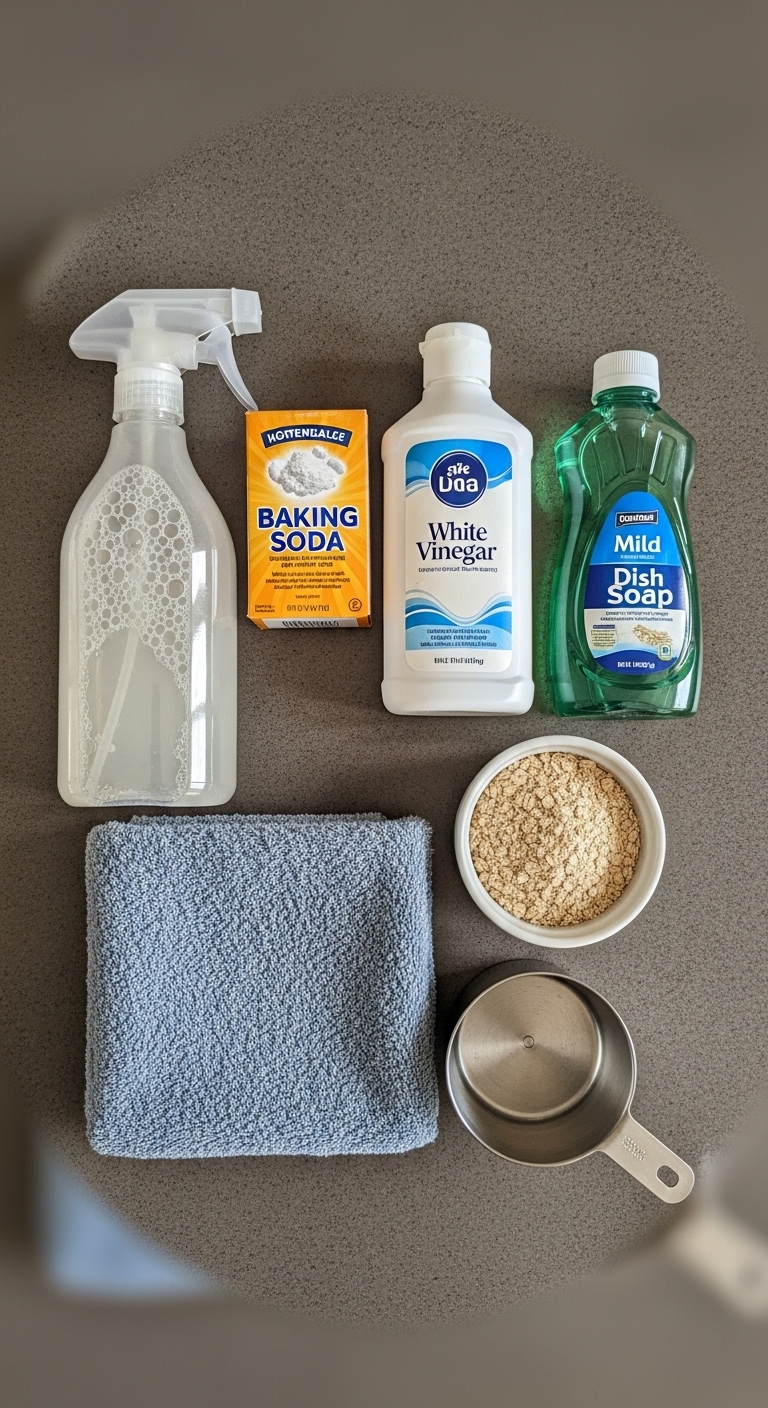
- Natural ingredients like oatmeal: soothe sensitive skin and reduce itching
- Coconut oil: adds moisture and helps with dry, flaky skin
- Apple cider vinegar: balances pH and removes odors naturally
- Avoid essential oils like tea tree or citrus: in large amounts as they can be toxic
- Always patch test: the shampoo on a small area before full use
What to Look For
Watch for signs your dog’s skin is sensitive to shampoo ingredients, such as redness, excessive scratching, or flaking after bath time. A good natural shampoo should lather easily without leaving a greasy film, and the water should rinse cleanly without residue. If your dog’s coat feels rough or looks dull after drying, it might be a sign the shampoo isn’t nourishing enough or the ingredients aren’t balanced. Also pay attention to how your dog reacts during the bath: some dogs dislike strong scents or slippery surfaces, so a gentle formula matters.
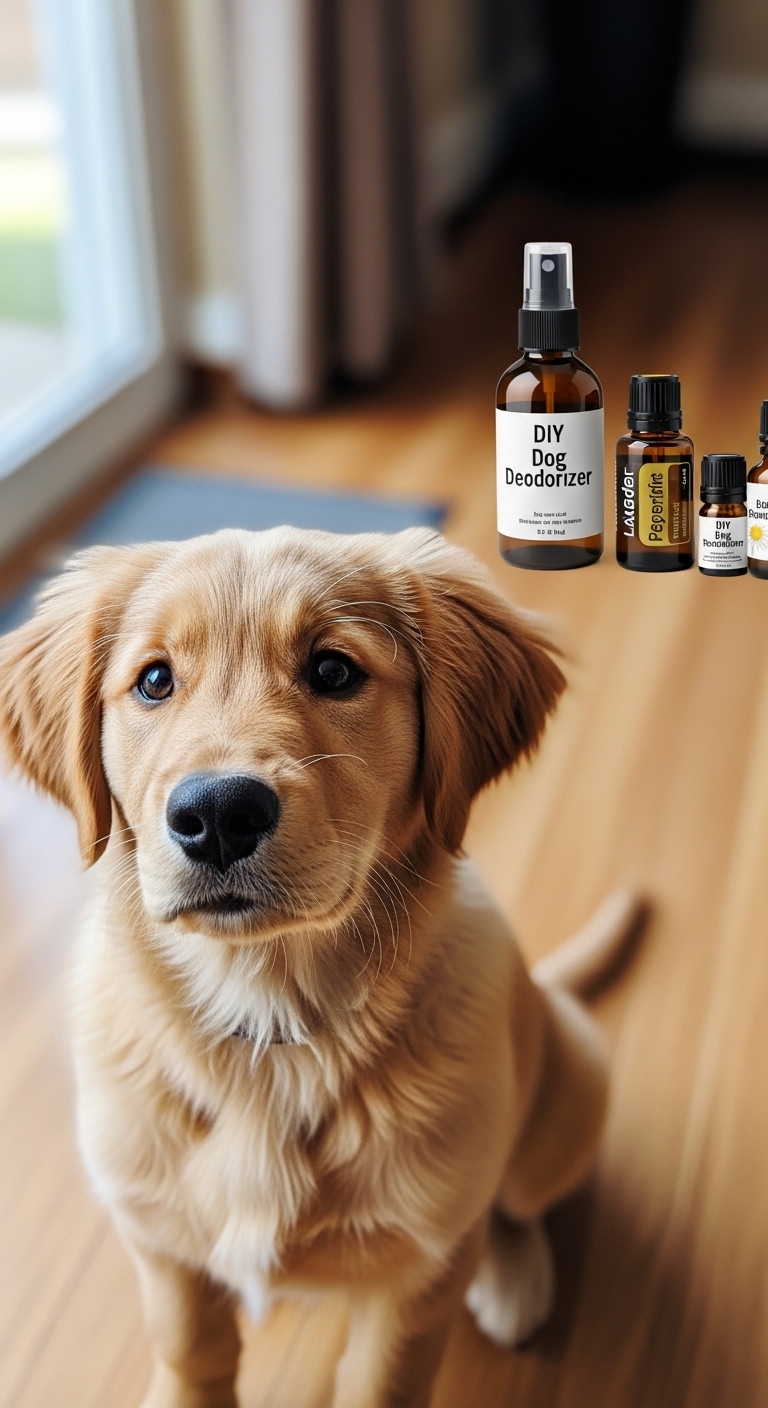
I once made the mistake of adding too much peppermint oil to my dog’s shampoo, thinking it would help with odor. The strong scent made him sneeze and paw at his face the whole bath. It taught me that less is more when it comes to scents in pet products. Always start with a tiny amount of any essential oil and observe your dog’s reaction closely.
Daily Care Habits
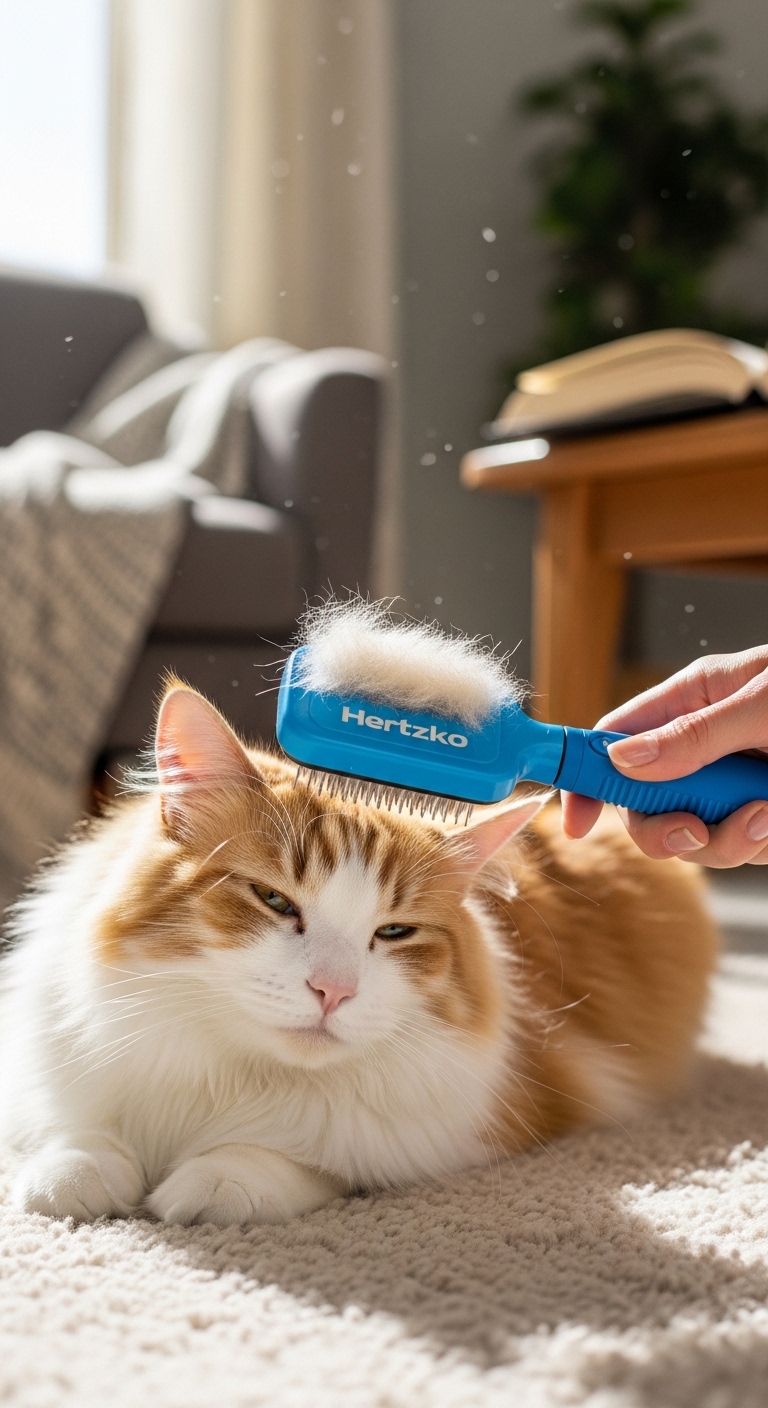
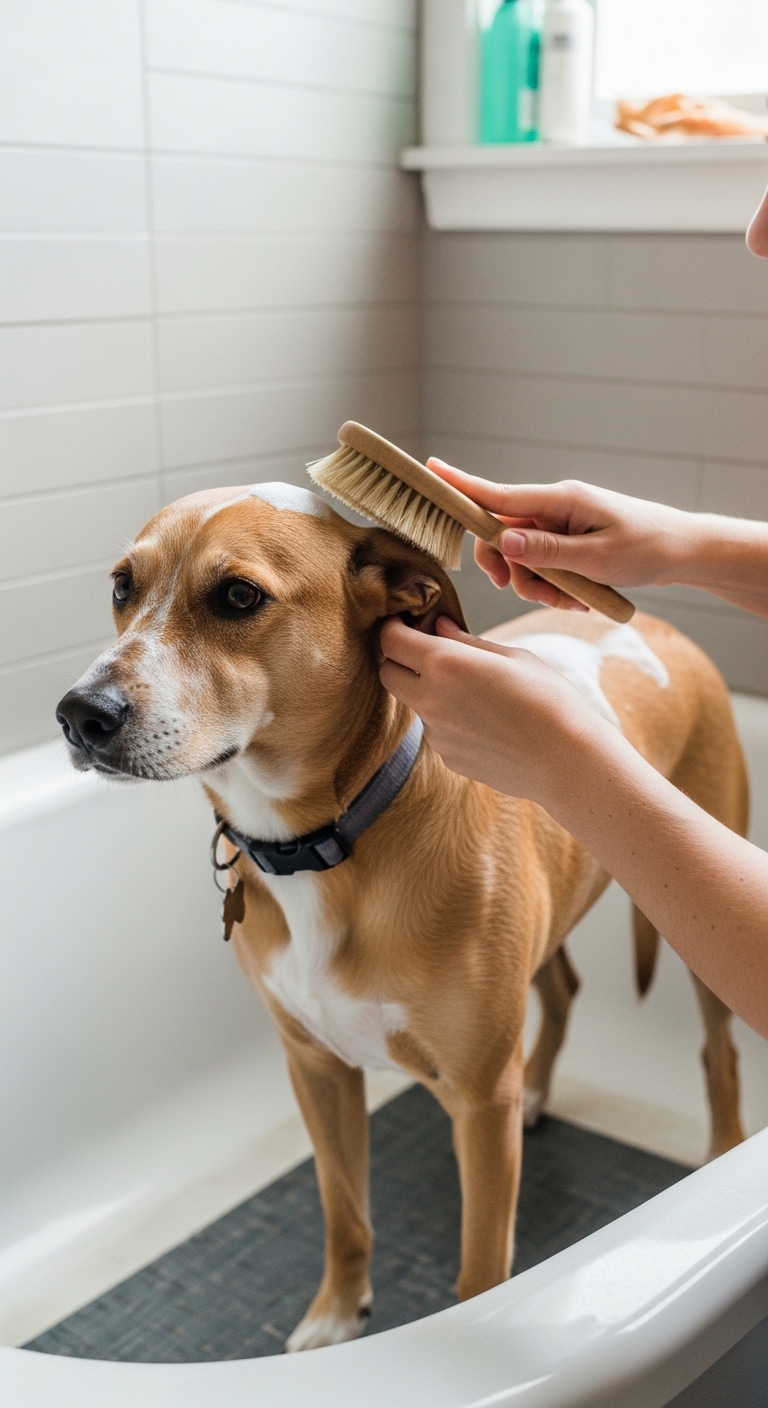
Bathing your dog every 4 to 6 weeks with a natural shampoo is usually enough unless they get into something messy. Overbathing can strip natural oils and lead to dry skin. Between baths, use a damp cloth to wipe down their paws and belly after walks to keep dirt and allergens from building up. Brushing your dog regularly helps distribute natural oils and removes loose fur, making bath time more effective.
Choosing the Right Product
If you’re not making your own shampoo, look for labels that say “soap-free,” “hypoallergenic,” or “for sensitive skin.” Avoid products with artificial fragrances, parabens, or sulfates. Check the ingredient list for soothing components like aloe vera, chamomile, or colloidal oatmeal. For dogs with thick coats, a shampoo with a creamy texture works better than a watery one.
Safety and Comfort
Always use lukewarm water to avoid shocking your dog’s system or causing discomfort. Place a non-slip mat in the tub to prevent slips and stress. Keep the bath short and positive, rewarding your dog with treats and praise. If your dog seems anxious, try breaking the bath into smaller steps like wetting one paw at a time.
Making your own natural dog shampoo isn’t just about cleanliness: it’s about giving your dog the gentlest care possible. Whether you’re dealing with a pup with sensitive skin or just want to avoid harsh chemicals, this simple switch can make a noticeable difference in your dog’s comfort and happiness.
Frequently Asked Questions
- → What ingredients are safe for DIY dog shampoo?
Use pet-safe ingredients like liquid castile soap, coconut oil, oatmeal, and gentle essential oils such as lavender or chamomile. Avoid ingredients like tea tree oil, citrus oils, and artificial fragrances, as they can irritate your dog's skin.
- → How often can I bathe my dog with homemade shampoo?
Bathe your dog every 4-6 weeks with homemade shampoo to avoid stripping natural oils from their coat. Over-bathing can lead to dry skin and irritation, so adjust frequency based on your dog's needs and activity level.
- → Can I use essential oils in dog shampoo?
Yes, but only in small amounts and with caution. Use pet-safe essential oils like lavender or chamomile, and dilute them properly. Avoid oils like tea tree, peppermint, and citrus, which can be toxic to dogs.
- → Is homemade dog shampoo better than store-bought?
Homemade shampoo allows you to control the ingredients, avoiding harsh chemicals and artificial fragrances found in many commercial products. It’s a great option for dogs with sensitive skin or allergies, but always patch-test new recipes first.
- → What if my dog has sensitive skin?
Opt for soothing ingredients like oatmeal or aloe vera to calm irritation. Avoid essential oils and stick to mild, natural bases like castile soap. Always patch-test the shampoo on a small area of your dog’s skin before full use.
- → How do I store homemade dog shampoo?
Store the shampoo in a clean, airtight container in a cool, dark place. Most homemade shampoos last about 1-2 weeks, but check for any signs of spoilage before each use. For longer shelf life, refrigerate and use within a week.