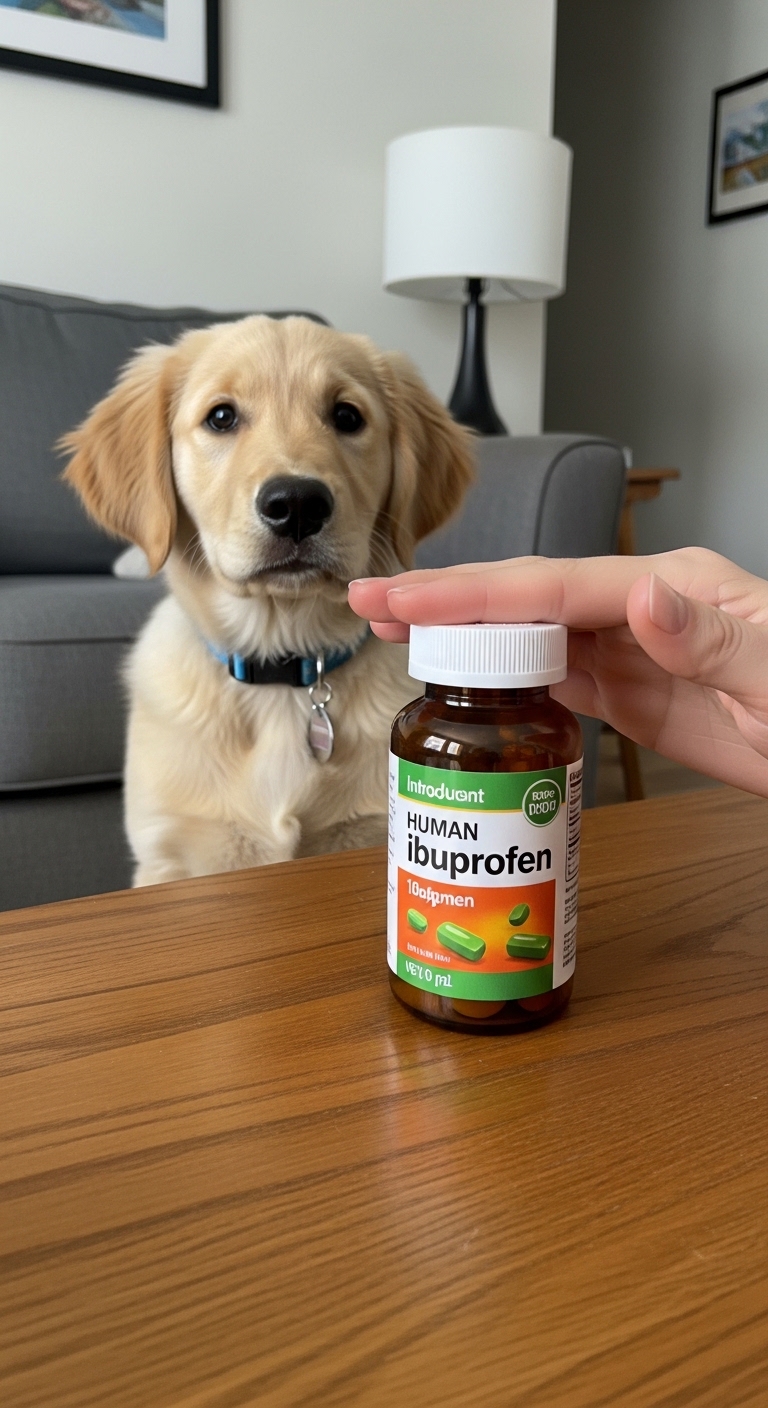
Can dogs eat pomegranate? It’s a question many pet owners ask when they’re enjoying this juicy, antioxidant-rich fruit and their dog gives them that hopeful look. Pomegranates are packed with vitamins and fiber, but not all human foods are safe for dogs. Knowing which parts are safe and how much to give can make a big difference in keeping your dog healthy and happy.
I remember giving my neighbor’s dog a few pomegranate seeds once, thinking it was a healthy treat. Within hours, the pup had an upset stomach and refused food for a day. That’s when I realized even “natural” foods need careful handling.
Key Things to Understand
- The seeds are the safest part for dogs to eat in small amounts: They’re rich in fiber and antioxidants, but too many can cause digestive upset.
- The flesh around the seeds is also safe in moderation: Though it’s less nutritious than the seeds themselves.
- The rind and white membrane are toxic: These parts can cause vomiting, diarrhea, or even intestinal blockages and should never be given to dogs.
- Pomegranate juice is high in sugar and acidity: This can upset a dog’s stomach or lead to weight gain if given regularly.
- Some dogs may have allergies or sensitivities: Introduce pomegranate slowly and watch for reactions.
What to Look For
Watch how your dog reacts after eating pomegranate seeds for the first time. A small amount is usually fine, but if you notice vomiting, diarrhea, or lethargy within a few hours, it’s a sign to stop and call your vet. Check the texture of the seeds before offering them: they should be soft and easy to chew, not hard or difficult to swallow, which could pose a choking hazard. If your dog shows interest in the rind or membrane, redirect their attention immediately. These parts are tough and fibrous, and swallowing them can lead to serious digestive issues. Pay attention to your dog’s energy levels and appetite after introducing any new food. Changes in behavior can be subtle but important clues that something isn’t right.
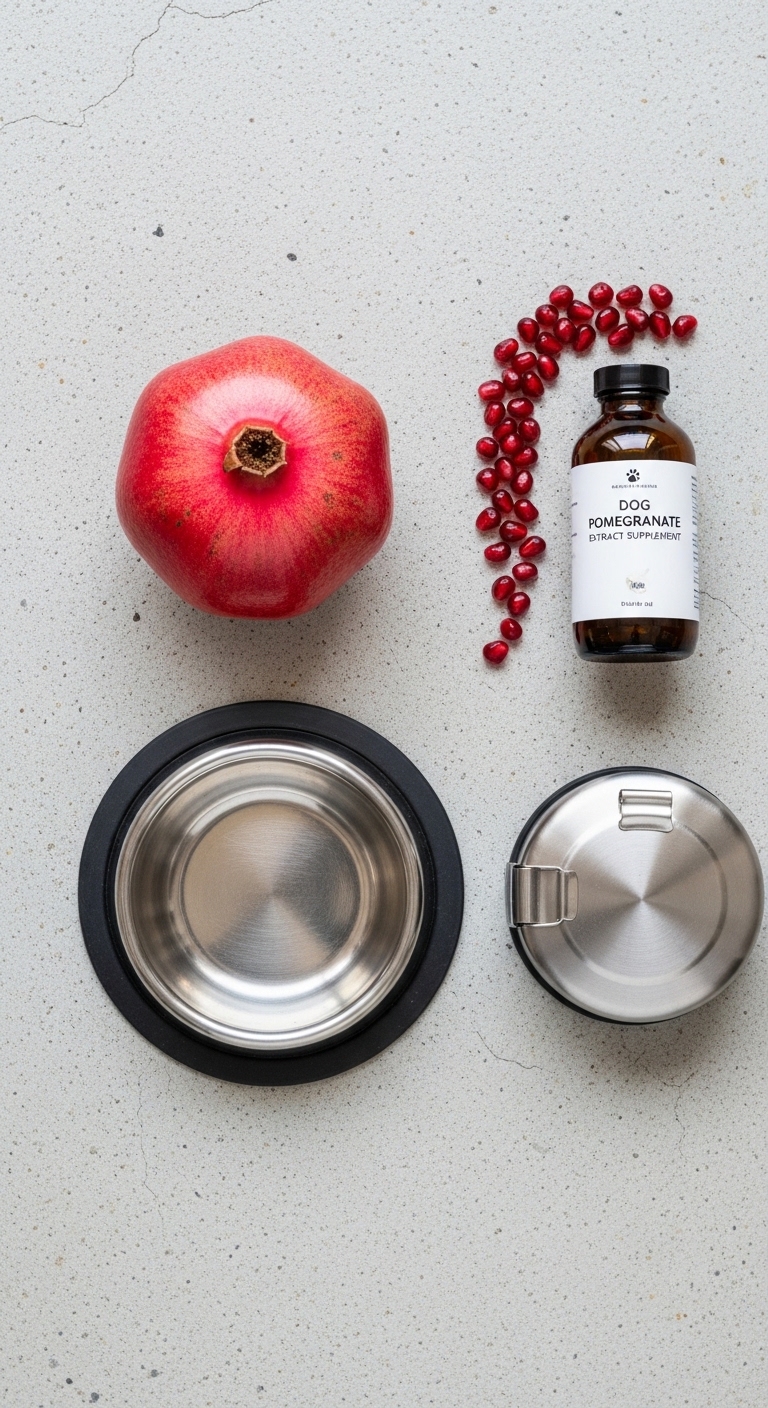
I once saw a dog owner give their pup a whole pomegranate to chew on, thinking it would keep them busy. Within minutes, the dog was gagging and vomiting. It was a harsh lesson in how quickly things can go wrong. Always supervise your dog when introducing new foods, and start with tiny amounts to see how they tolerate it.
Daily care habits
Incorporate pomegranate seeds into your dog’s routine as a special reward rather than a regular part of their diet. A few seeds once or twice a week is plenty for most dogs. Mix seeds into their regular food for a nutritional boost, but keep the portions small to avoid disrupting their digestion. If your dog is prone to stomach issues, avoid giving them pomegranate altogether. Some breeds have more sensitive digestive systems than others.
Choosing the right product
When buying pomegranates for your dog, opt for organic varieties whenever possible to avoid pesticide residue. Wash the fruit thoroughly before removing the seeds to ensure no harmful chemicals remain. Avoid pre-packaged pomegranate seeds from the store, as they may contain additives or preservatives that aren’t safe for dogs.
Safety and comfort
Always supervise your dog when they’re eating pomegranate seeds to prevent choking. If your dog is small or a fast eater, consider crushing the seeds slightly to make them safer. If your dog shows signs of discomfort after eating pomegranate, such as bloating or excessive gas, it’s best to avoid giving it to them in the future.
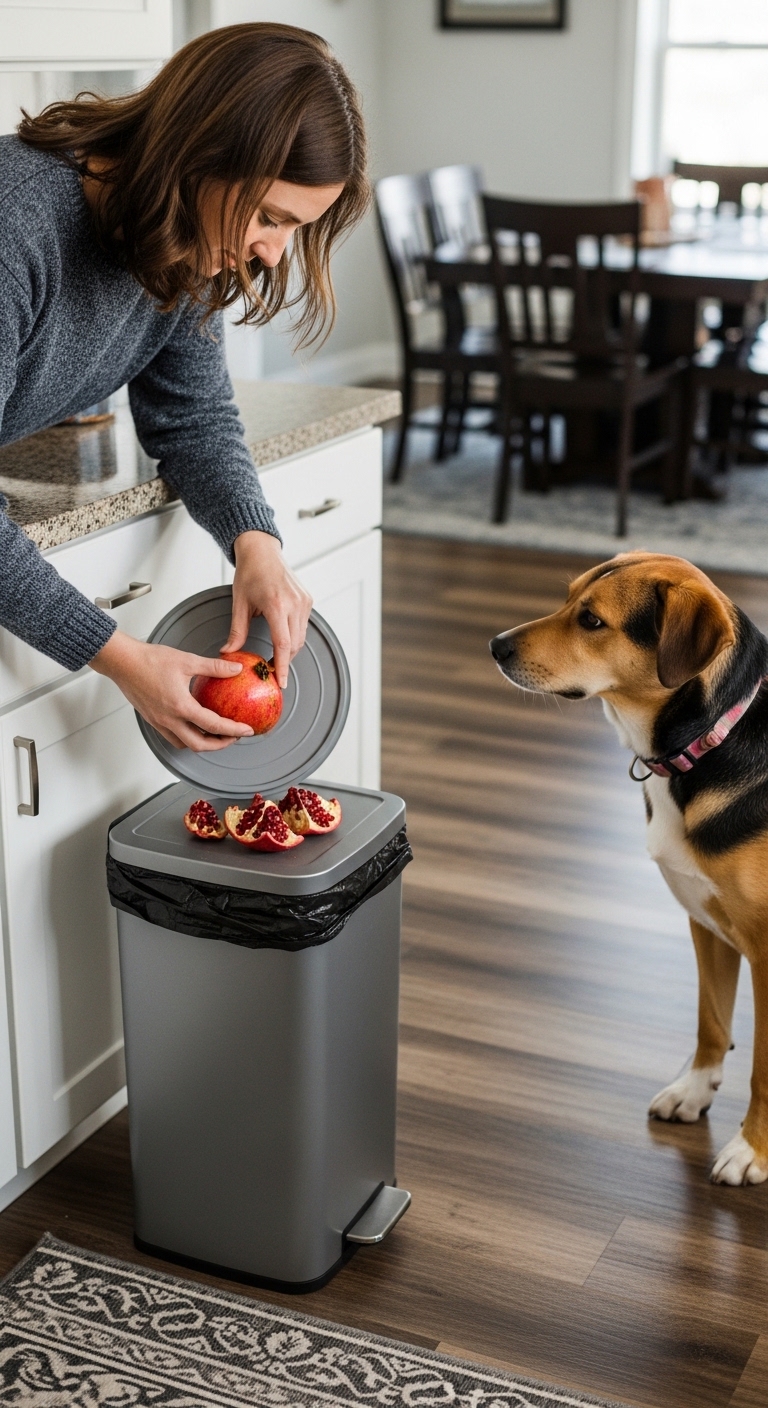
Pomegranate can be a healthy occasional treat for dogs if given correctly. Always prioritize safety and moderation to keep your pet happy and well.
Frequently Asked Questions
- → Is pomegranate safe for dogs to eat?
Yes, pomegranate is generally safe for dogs in small amounts. The fruit is packed with antioxidants and vitamins that can benefit your dog’s health. However, the seeds and peel should always be removed to prevent choking or digestive issues.
- → How much pomegranate can I give my dog?
Start with a small amount, such as a few seeds, to test your dog’s tolerance. Too much pomegranate can cause stomach upset due to its natural sugars and fiber. For most dogs, a teaspoon or two of pomegranate seeds is sufficient as an occasional treat.
- → Can dogs eat pomegranate seeds?
Yes, dogs can eat pomegranate seeds in moderation. The seeds are safe and contain beneficial nutrients, but they should be served without the peel or any large chunks to avoid choking hazards. Always introduce new foods gradually to monitor your dog’s reaction.
- → What are the risks of feeding pomegranate to dogs?
The main risks include choking hazards from seeds or peel, digestive upset from too much sugar or fiber, and potential allergic reactions. Dogs with diabetes or sensitive stomachs should avoid pomegranate due to its sugar content and fiber, which may worsen their condition.
- → How should I prepare pomegranate for my dog?
Remove the peel and all white membrane, then separate the seeds from the flesh. Serve only the seeds in small quantities, either mixed into your dog’s food or as a standalone snack. Avoid adding sugar, spices, or other ingredients that could be harmful.
- → Can puppies eat pomegranate?
Puppies can eat pomegranate in very small amounts, but it’s best to consult your vet first. Their digestive systems are more sensitive, and introducing new foods too early may cause stomach upset. Start with a tiny portion and monitor for any adverse reactions.