 Pin
Pin
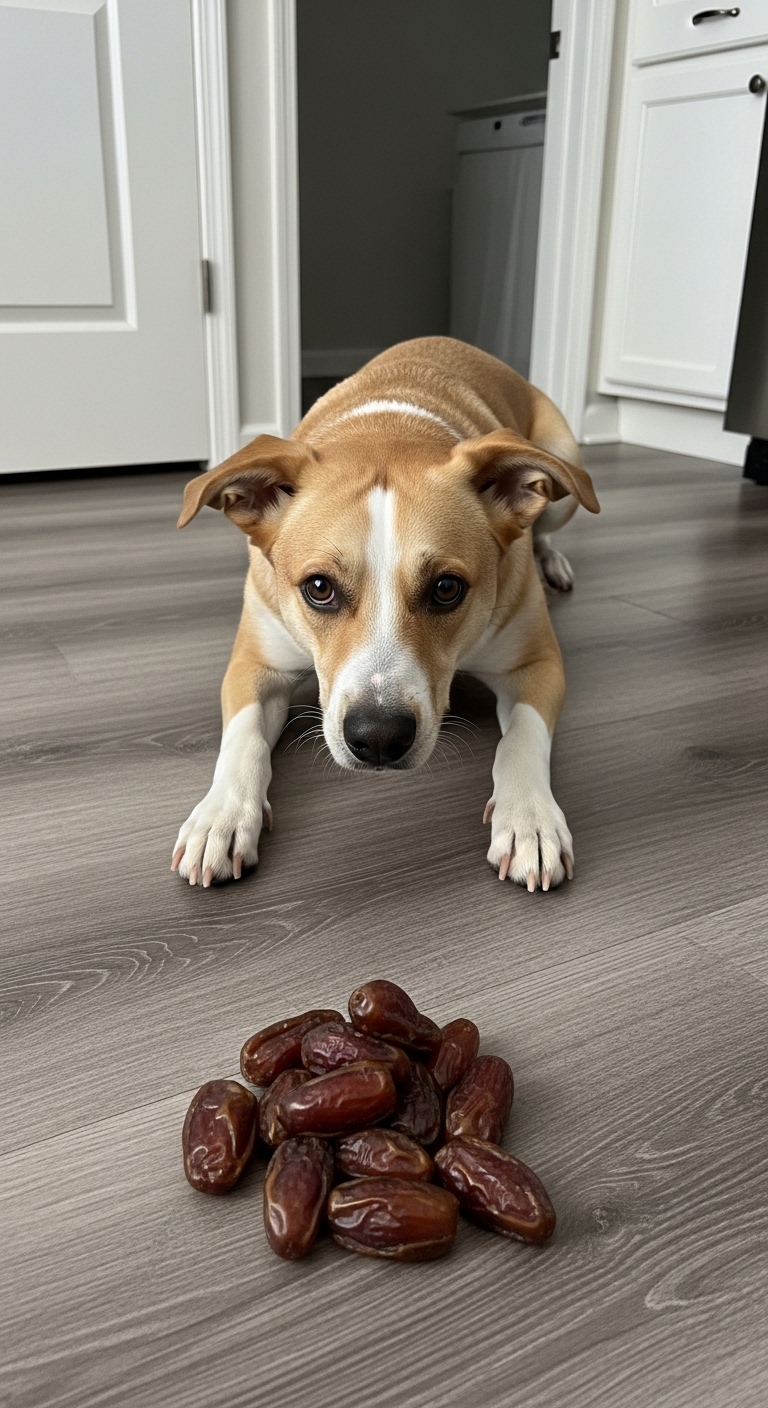
Can dogs eat dates? It’s a question many pet owners ask when looking for healthy treats to share with their furry friends. Dates are naturally sweet and packed with nutrients, but not all human foods are safe for dogs. Before you toss one to your pup, it’s worth knowing how they might affect your dog’s health and what to watch out for.
I remember once giving my neighbor’s dog a date without thinking much about it, only to find out later that the pit could be a serious choking hazard. A little research goes a long way in keeping treats fun and safe.
Key Things to Understand
- Dates are not toxic to dogs: but should only be given in very small amounts occasionally
- The pits pose a major risk: for choking and can cause intestinal blockages if swallowed
- Fresh dates are safer: than dried ones because they have less concentrated sugar
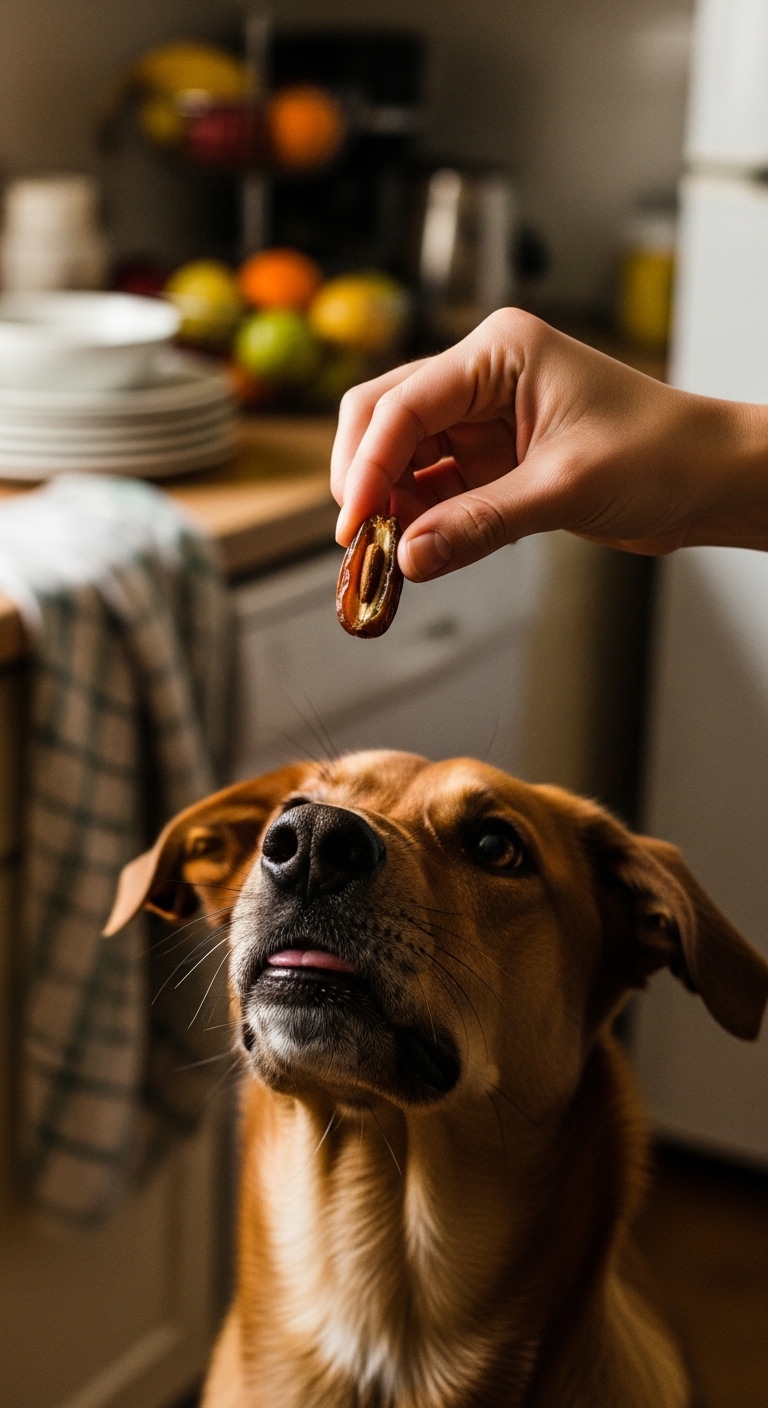
- Remove the pit and skin: before offering a date to your dog
- Watch for signs: of digestive upset like vomiting or diarrhea after feeding dates
What to Look For
When considering dates as a treat, observe your dog’s reaction after the first small piece. Some dogs may tolerate them well, while others could experience stomach discomfort due to the natural sugars. Look for any changes in energy levels or appetite in the hours after feeding. If your dog seems fine, a tiny piece occasionally can be a safe option. Always check the date for pits and remove them completely before offering it to your pet.
I once saw a friend’s small dog struggle after eating a whole date with the pit. It was a scary reminder of how quickly a simple treat can turn into an emergency. Even if your dog seems fine, it’s better to be cautious and avoid risks altogether.
Feeding Dates Safely
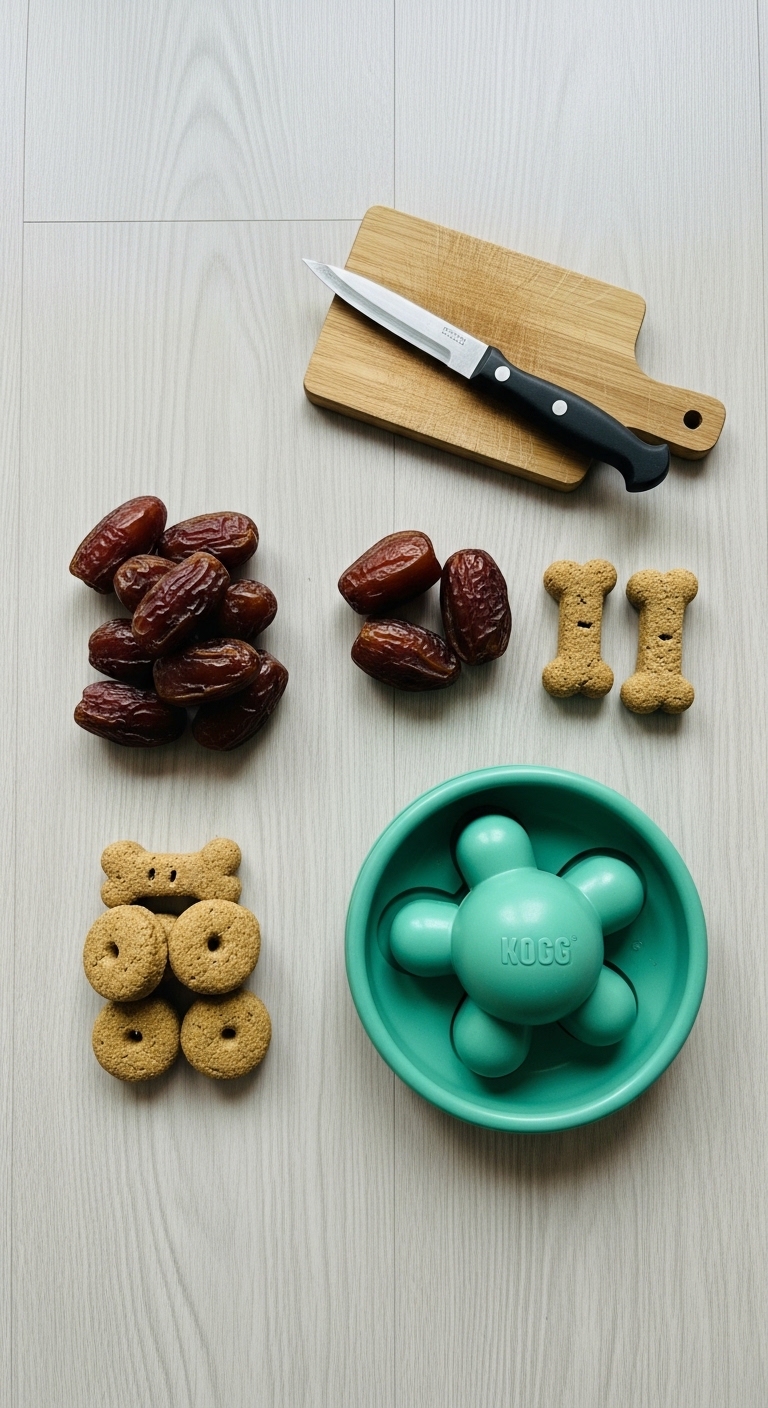
If you decide to give your dog a date, start with a very small piece about the size of a pea and see how they react. Fresh dates are preferable because they have less sugar than dried ones, but either should be an occasional treat, not a regular part of their diet. Avoid giving dates to dogs with diabetes or weight issues, as the natural sugars can cause problems. Always supervise your dog when introducing new foods to catch any adverse reactions early.
Alternatives to Dates
If you’re looking for a sweet treat that’s safer for dogs, consider small pieces of apple (without seeds), blueberries, or carrot sticks. These options provide natural sweetness without the risks associated with dates. Always introduce new foods gradually and in tiny amounts to ensure your dog tolerates them well.
Signs of Trouble
After feeding a date, watch for signs like excessive thirst, lethargy, vomiting, or diarrhea. These could indicate that the sugar content is too much for your dog or that they’re having trouble digesting it. If you notice any of these symptoms, contact your vet right away. It’s always better to err on the side of caution when it comes to your pet’s health.
Sharing treats with your dog can be a bonding experience, but safety should always come first. When in doubt, opt for vet-approved snacks to keep your pet healthy and happy.
Frequently Asked Questions
- → Are dates safe for dogs to eat?
Yes, dates are not toxic to dogs and can be given as an occasional treat. However, they should be fed in moderation due to their high sugar content.
- → How many dates can a dog eat?
A single date without the pit is generally safe for most dogs. Always introduce new foods gradually and monitor for any adverse reactions.
- → Can dogs eat date pits?
No, date pits should never be given to dogs. They pose a choking hazard and contain small amounts of cyanide, which can be harmful.
- → Do dates have health benefits for dogs?
Dates contain fiber, potassium, and magnesium, which can support digestive health and energy levels. However, they should only be an occasional treat.
- → What should I do if my dog eats too many dates?
If your dog consumes too many dates, monitor for signs of digestive upset like vomiting or diarrhea. Contact your veterinarian if symptoms persist or worsen.
- → Can diabetic dogs eat dates?
Diabetic dogs should avoid dates due to their high sugar content. Consult your veterinarian before introducing any new foods to a diabetic pet.