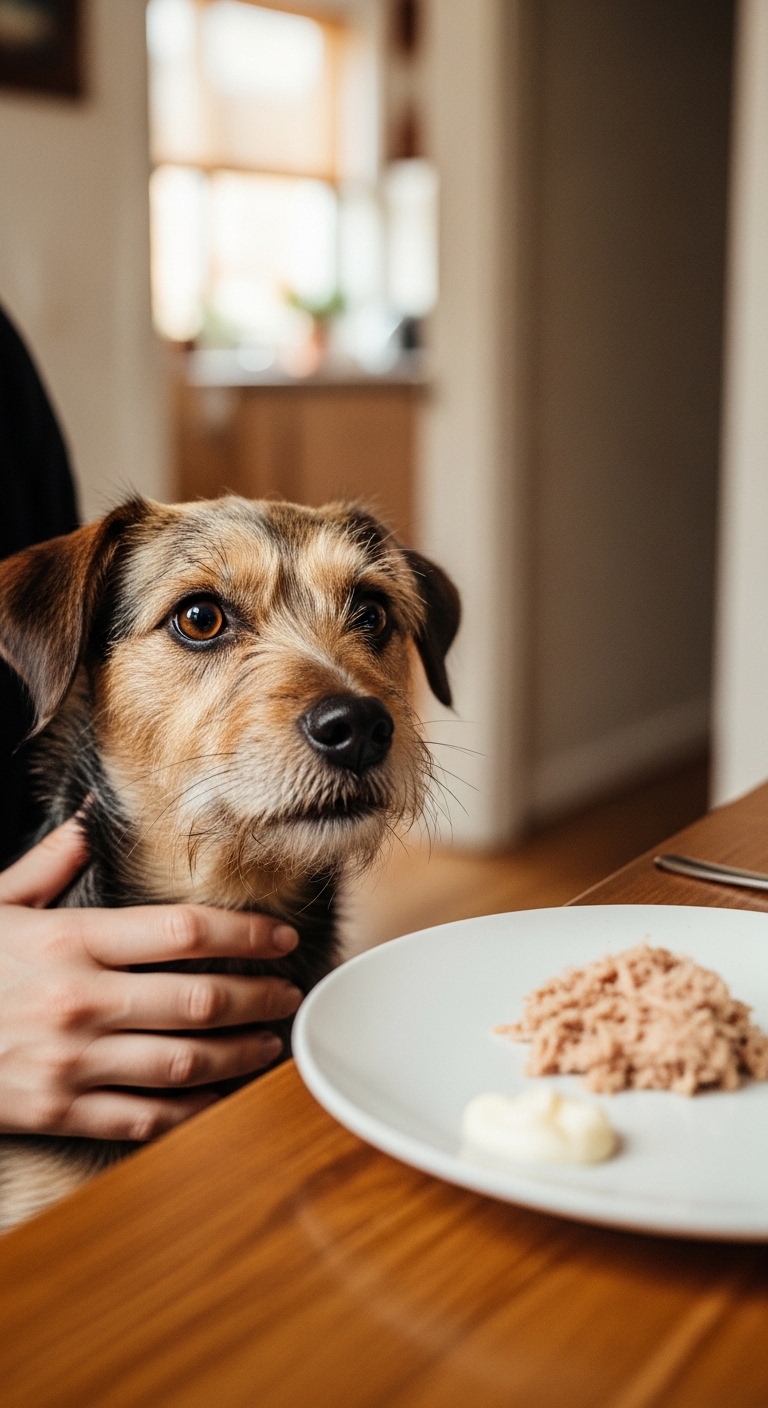
Can dogs eat peas? It's a question many pet owners ask when looking for healthy, affordable, and easy-to-find treats for their furry friends. Peas are a common ingredient in many commercial dog foods and treats, but not all dogs tolerate them well. Some pups gobble them up without a second thought, while others might turn up their noses or even experience digestive upset. Understanding whether peas fit into your dog’s diet and how to serve them safely can make mealtime smoother and your grocery list a little easier.
I remember when my rescue dog, Max, first tried peas. He sniffed the bowl, gave me a skeptical look, and then devoured them like they were the best thing he’d ever tasted. Not every dog reacts the same way, though, so it’s good to know what to expect before you start sharing your dinner plate.
Key Things to Understand
- Peas are generally safe for dogs in moderation: but should not be the main part of their diet
- Some dogs may be allergic to peas: so watch for signs like itching or digestive upset
- Fresh, plain peas are the best choice: avoid canned peas with added salt or preservatives
- Frozen peas can be a convenient option: but should be thawed and served plain
- Peas should be given as a treat or supplement: not a replacement for balanced dog food
What to Look For
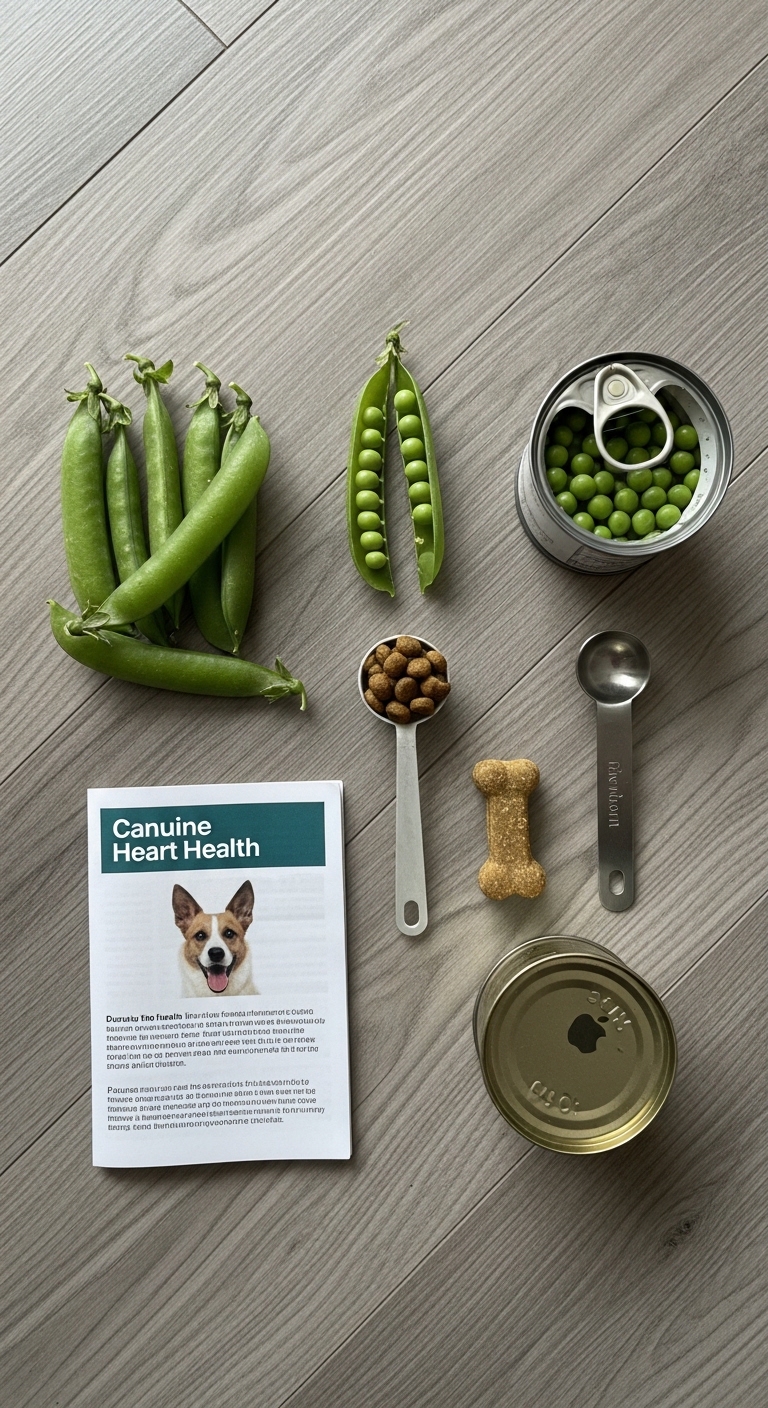
When deciding whether to feed your dog peas, pay attention to how they respond after eating them. Some dogs digest peas easily, while others might experience gas, bloating, or loose stools. If your dog has never had peas before, start with just a few and observe their reaction over the next 24 hours. Fresh peas are the safest option, but frozen peas can work in a pinch—just make sure they’re thawed and free of any seasoning or sauce. Avoid canned peas, as the high sodium content can be harmful to dogs. Also, watch for any signs of an allergic reaction, such as excessive scratching, redness, or swelling, especially around the face or paws.
I once met a dog owner who swore peas were the secret to her senior dog’s energy. She blended them into his meals daily, convinced they were the reason he stayed so spry. While peas can offer some nutritional benefits, it’s important not to overdo it—too many peas can lead to digestive issues or even contribute to weight gain if not accounted for in their daily calorie intake.
Daily Care Habits
Incorporating peas into your dog’s routine can be as simple as mixing a few into their regular food or offering them as a low-calorie training treat. If your dog enjoys peas, you can use them to add variety to their meals without breaking the bank. Just remember to keep portions small—about one or two teaspoons per day for a medium-sized dog is plenty. Over time, you’ll learn whether your dog tolerates peas well and can adjust accordingly.
Choosing the Right Product
If you’re buying peas specifically for your dog, opt for fresh or frozen varieties without any added ingredients. Avoid canned peas, as the sodium content can be too high for dogs. Some pet food brands include peas in their recipes, but these are usually processed and mixed with other ingredients, so they’re not the same as feeding peas whole. If you’re unsure, check the label for any additives or preservatives that might not agree with your dog.
Safety and Comfort
Always introduce new foods slowly to avoid upsetting your dog’s stomach. Start with a small amount and gradually increase if there are no adverse reactions. If your dog has a sensitive stomach or a history of food allergies, consult your vet before adding peas to their diet. Peas are generally safe, but every dog is different, and what works for one might not work for another.
Cleaning and Hygiene
If you’re serving peas fresh, wash them thoroughly to remove any dirt or pesticides. For frozen peas, thaw them in the fridge or under cold water before serving. After feeding peas, check your dog’s bowl and surrounding area for any leftovers to prevent attracting pests or causing messes. Keeping mealtime clean and tidy makes it easier to monitor how much your dog is eating and whether they’re enjoying their new treat.
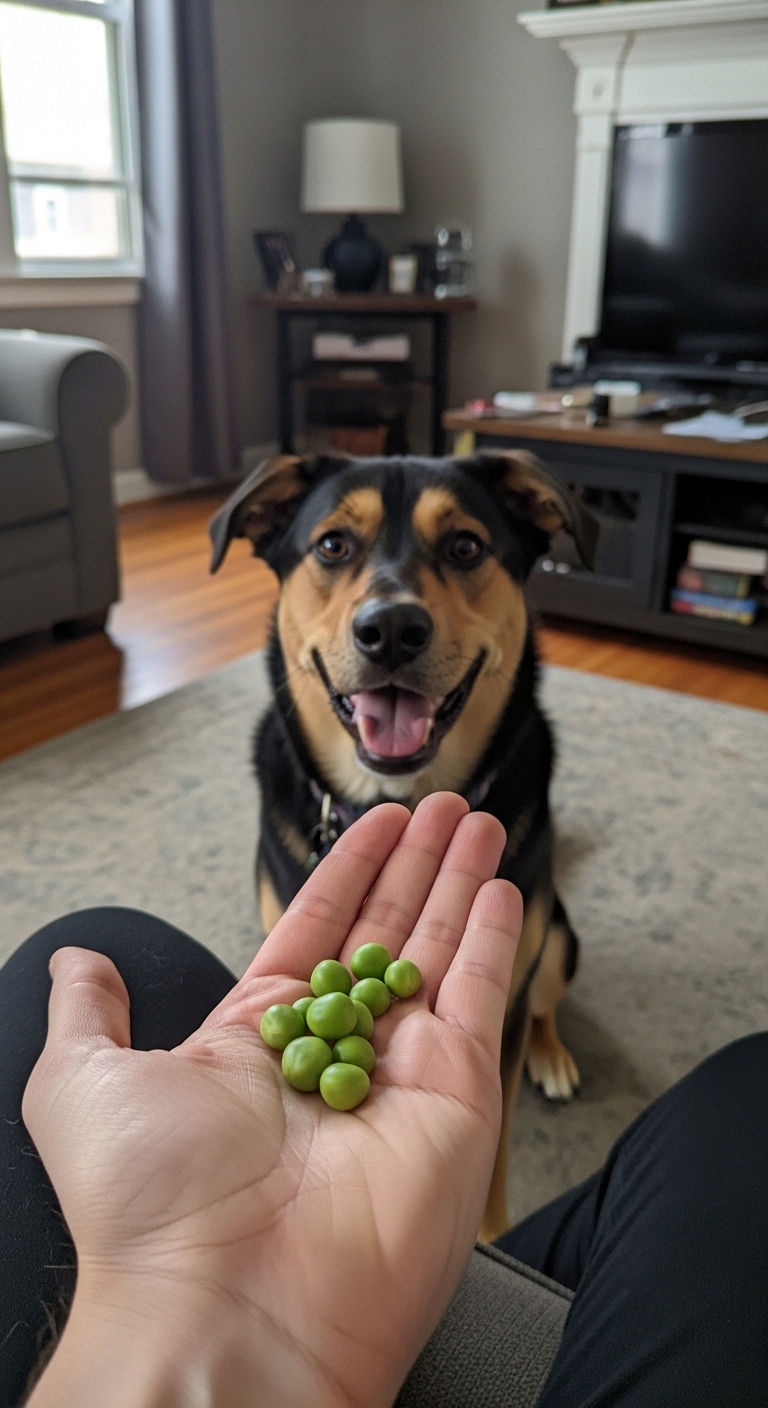
Peas can be a great addition to your dog’s diet when served correctly, but they’re not a miracle food. They’re low in calories and packed with nutrients, making them a healthy snack option for many dogs.
Frequently Asked Questions
- → Are peas safe for all dogs to eat?
Most dogs can safely eat peas in moderation, but individual tolerance may vary. Some dogs may experience digestive upset, such as gas or bloating, especially if they consume large quantities. Always introduce new foods gradually and observe your dog for any adverse reactions.
- → How should I prepare peas for my dog?
Serve peas plain and cooked, either steamed or boiled without any seasoning, salt, or butter. Avoid canned peas with added preservatives. You can serve them whole, mashed, or mixed into your dog's regular food for added nutrition.
- → Can peas be harmful to dogs?
Peas are not toxic to dogs, but overconsumption can lead to digestive issues like bloating or diarrhea. Additionally, some dogs may have allergies to peas, though this is rare. Always introduce peas slowly and in small amounts to monitor your dog's reaction.
- → How many peas can I give my dog?
The appropriate serving size depends on your dog's size and dietary needs. As a general guideline, peas should make up no more than 10% of your dog's daily food intake. For small dogs, a few peas per serving are sufficient, while larger dogs can have up to a tablespoon or two.
- → Can puppies eat peas?
Puppies can eat peas in moderation, but it's important to introduce them slowly and in small quantities. Peas can provide essential nutrients for growth, but always consult your veterinarian before adding new foods to a puppy's diet to ensure they meet their specific nutritional needs.
- → Are frozen peas safe for dogs?
Yes, frozen peas are safe for dogs as long as they are thawed and served plain without any additives. Thawing ensures they are easier for your dog to digest. Avoid serving peas straight from the freezer, as they can be a choking hazard for smaller dogs.